
Have you ever wondered why your car doesn’t feel as smooth as it used to? The answer might be right under your feet—your tires.
Checking your tire wear patterns is more important than you might think. It can save you money, keep you safe, and even improve your car’s performance. If you want to avoid unexpected breakdowns and get the most out of your tires, understanding how to spot wear issues is a game-changer.
Keep reading to learn why paying attention to your tire wear patterns can protect you on the road and extend the life of your tires.
Tire Wear Patterns And Safety
Checking tire wear patterns is important for safe driving. Tires wear down over time and this can affect how well your car handles.
Uneven or worn tires can cause problems on the road. Knowing the signs helps you keep control and avoid accidents.
How Wear Affects Traction
Tires need good tread to grip the road. Worn tires lose their grip, especially on wet or slippery surfaces.
Less traction means your car can slide or skid more easily. This makes driving dangerous in bad weather.
Risks Of Uneven Wear
Uneven tire wear can happen if your wheels are not aligned or if your tires are not balanced. It causes parts of the tire to wear out faster.
This can lead to vibrations, poor handling, and even tire blowouts. Uneven wear also reduces the life of your tires.
- Faster tire damage
- Increased chance of tire failure
- Unstable driving experience
Impact On Braking Distance
Worn tires increase the distance needed to stop your vehicle. This is dangerous in emergencies.
Good tread helps tires grip the road and stop quickly. Worn tires reduce this grip and make braking slower.
- Longer stopping distance
- Higher risk of collisions
- Less control during sudden stops
Common Tire Wear Types
Checking tire wear patterns is important for safe driving. Tires wear out in different ways.
Knowing the types of tire wear helps find problems early. It can save money and improve car handling.
Center Wear
Center wear happens when the middle of the tire wears out faster than the edges. This usually means the tire is overinflated.
Too much air pressure pushes the tire’s center part more on the road. This reduces the tire’s contact with the road edges.
- Check tire pressure regularly
- Keep air pressure at the car maker’s recommended level
- Fix overinflation to avoid center wear
Edge Wear
Edge wear means the tire edges wear faster than the center. This often happens when the tire is underinflated.
Low air pressure causes the tire edges to touch the road more. This makes the edges wear out quickly and unevenly.
- Check tire pressure monthly
- Inflate tires to the proper level
- Underinflated tires can cause poor fuel economy
Cupping And Scalloping
Cupping and scalloping look like high and low spots on the tire tread. They cause a bumpy ride and noise.
These wear patterns happen from bad suspension or unbalanced tires. They need quick attention to avoid damage.
- Check suspension parts regularly
- Balance tires when needed
- Fix alignment problems
Feathering
Feathering means the tire tread edges feel smooth on one side and sharp on the other. It causes uneven wear.
This wear type often comes from wrong wheel alignment. It can reduce tire life and car control.
- Get wheel alignment checked regularly
- Adjust toe settings to fix feathering
- Proper alignment improves tire life
Causes Of Uneven Tire Wear
Checking tire wear patterns helps keep your car safe. Uneven tire wear can cause problems on the road.
Many factors cause uneven wear. Knowing these helps you fix issues early and save money.
Improper Inflation
When tires have too much or too little air, they wear unevenly. Overinflated tires wear more in the center.
Underinflated tires wear more on the edges. Both can lead to poor handling and shorter tire life.
- Check tire pressure monthly
- Use the pressure recommended by the car maker
- Adjust pressure before long trips
Misalignment Issues
When wheels are not aligned, tires wear unevenly. Misalignment changes how tires touch the road.
This causes one side of the tire to wear faster than the other. It also affects steering and safety.
- Look for pulling to one side when driving
- Get alignment checked if you hit a pothole
- Regular alignment helps extend tire life
Suspension Problems
Bad suspension parts cause tires to wear unevenly. Worn shocks or struts can make tires bounce.
This bouncing wears tires in patches. Suspension problems also reduce ride comfort and control.
- Check for uneven tire wear patterns
- Listen for unusual noises when driving
- Replace worn suspension parts on time
Driving Habits
Aggressive driving can cause uneven tire wear. Hard braking and fast turns stress tires more.
Driving on rough roads also damages tires quickly. Smooth driving helps tires last longer and stay safe.
- Avoid sudden stops and starts
- Drive carefully over bumps and potholes
- Maintain steady speeds on highways
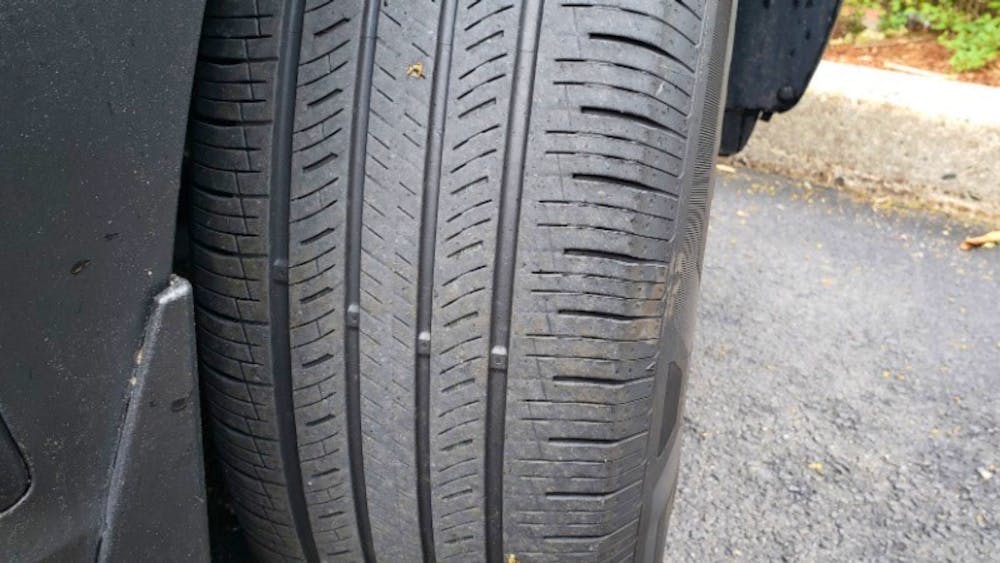
Credit: www.cartalk.com
How To Inspect Tire Wear
Checking tire wear helps keep your car safe and efficient. Worn tires can cause poor handling and increase accident risk.
Regular inspections show if tires need replacement or if your vehicle needs alignment. Learn simple ways to check tire wear.
Visual Checks
Look closely at your tires for uneven wear or damage. Check for cracks, cuts, or bulges on the tire surface.
- Inspect the outer edges and center of the tread for uneven wear.
- Look for bald spots where tread is missing.
- Check for any foreign objects stuck in the tire.
- Observe sidewalls for cracks or bubbles.
Using Tread Depth Gauges
Use a tread depth gauge to measure how much tread is left on your tires. Proper depth helps maintain grip and safety.
| Depth (32nds inch) | Condition |
| 8 or more | New or good condition |
| 4 to 7 | Moderate wear, consider replacement soon |
| 3 or less | Unsafe, replace tires immediately |
Signs To Watch For
Some wear patterns show specific car problems. Watch for these signs to fix issues early.
- Feathering: smooth on one side, rough on the other. May mean bad alignment.
- Center wear: tread wears faster in the middle. Could mean overinflation.
- Edge wear: tread wears on both edges. May mean underinflation.
- Cupping: uneven patches or dips. Often caused by suspension problems.
Benefits Of Regular Tire Checks
Checking your tire wear patterns often helps keep your vehicle safe. It also saves money and improves driving comfort.
Regular tire inspections show problems early. This stops bigger issues and keeps your car running well.
Enhanced Vehicle Safety
Uneven tire wear can cause poor handling and longer stopping distances. Regular checks reduce the risk of accidents. You can spot issues like tread loss or damage quickly.
Improved Fuel Efficiency
Worn or unbalanced tires make your engine work harder. This lowers fuel efficiency. Checking tires regularly keeps them in good shape. It helps you save on fuel costs over time.
Extended Tire Lifespan
- Spot uneven wear early
- Rotate tires on schedule
- Maintain correct tire pressure
- Align wheels properly
These steps help tires wear evenly. They last longer and perform better. Regular checks prevent early tire replacement.
Cost Savings On Repairs
| Issue | Effect | How Regular Checks Help |
| Uneven wear | Damage to suspension | Detect early and fix alignment |
| Low tire pressure | Increased fuel use | Keep tires properly inflated |
| Worn tread | Risk of blowouts | Replace tires before failure |
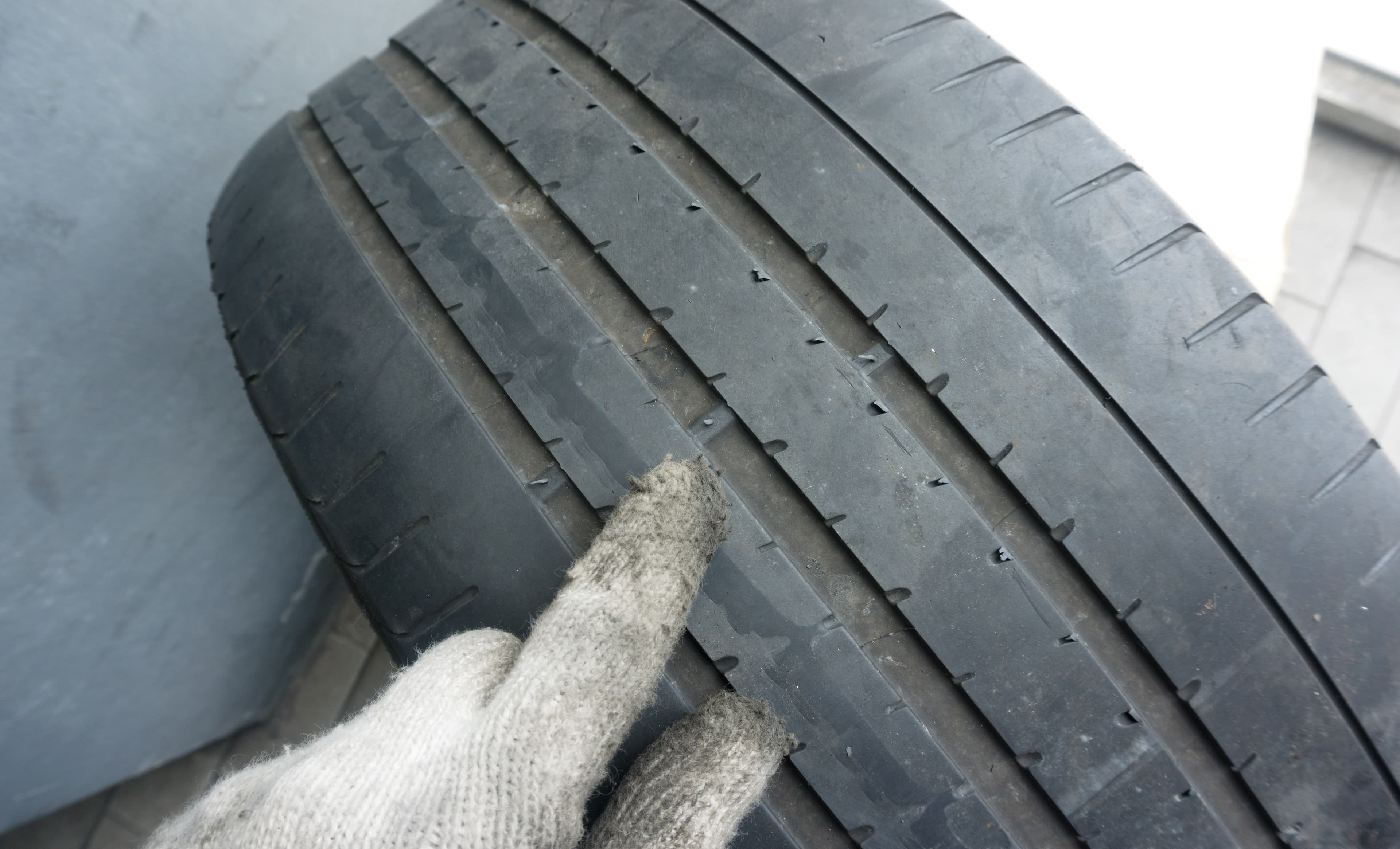
Credit: simpletire.com
Maintenance Tips To Prevent Wear
Checking tire wear patterns is important for your vehicle’s safety. Proper maintenance can help extend the life of your tires.
Regular checks and care can prevent uneven wear and improve driving performance. Here are some tips to help maintain your tires.
Regular Tire Rotation
Tires wear differently depending on their position. Rotating them regularly helps even out wear.
Rotate your tires every 5,000 to 8,000 miles. This helps ensure they wear evenly and last longer.
- Check your vehicle’s manual for rotation patterns.
- Schedule rotations with your oil changes.
Maintaining Proper Inflation
Proper tire inflation is key to avoiding uneven wear. Under-inflated tires wear faster on the edges.
Check tire pressure monthly. Use a reliable gauge and follow the recommended PSI for your tires.
| Check Pressure | Monthly |
| Use a Gauge | Yes |
| Follow PSI | Vehicle manual |
Wheel Alignment Services
Misaligned wheels cause uneven tire wear. Alignment services help keep your tires straight and balanced.
If your car pulls to one side, get your alignment checked. This can prevent premature tire wear.
- Check alignment yearly.
- Adjust after hitting large potholes.
Balancing Tires
Unbalanced tires cause vibrations and uneven wear. Balancing ensures weight is evenly distributed across the tire.
Balance your tires when you notice vibrations. This helps reduce uneven wear and improves ride comfort.
- Check balance every 6,000 miles.
- Rebalance after tire replacements.

Credit: mazdashop.ca
Frequently Asked Questions
Why Is Checking Tire Wear Patterns Important?
Checking tire wear patterns helps identify alignment, inflation, and suspension issues early. It ensures better safety, performance, and tire lifespan.
How Do Tire Wear Patterns Affect Vehicle Safety?
Uneven tire wear reduces traction and increases the risk of blowouts. Regular checks improve handling and prevent accidents.
What Causes Uneven Tire Wear Patterns?
Uneven wear results from improper inflation, misalignment, worn suspension, or driving habits. Identifying the cause helps fix the problem promptly.
How Often Should I Inspect Tire Wear Patterns?
Inspect tire wear every 5,000 to 7,000 miles or during oil changes. Frequent checks catch problems before they worsen.
Conclusion
Checking tire wear patterns helps you spot problems early. It keeps your car safe and improves fuel use. Uneven wear can mean poor alignment or bad suspension. Fixing these issues saves money on repairs. Regular checks also make your tires last longer.
This simple habit protects you and others on the road. Don’t wait for trouble—inspect your tires often. Safe driving starts with healthy tires.







