
Have you ever wondered if your tires are properly inflated? Knowing how to check tire pressure manually is a simple skill that can save you money, improve your car’s performance, and keep you safe on the road.
If your tires are under or overinflated, you might face poor fuel efficiency, uneven tire wear, or even dangerous blowouts. Don’t wait until it’s too late—this guide will show you exactly how to check your tire pressure by yourself, quickly and accurately.
Keep reading to take control of your car’s health and drive with confidence every time.
Why Tire Pressure Matters
Checking tire pressure is important for your safety and your car’s health. Proper pressure helps your tires last longer and improves fuel efficiency.
Low or high tire pressure can cause problems while driving. Knowing why it matters makes checking pressure a good habit.
Safety On The Road
Correct tire pressure keeps your car stable and easy to control. It reduces the chance of accidents caused by tire blowouts or poor handling.
Better Fuel Efficiency
Tires with the right pressure reduce rolling resistance. This means your engine uses less fuel to move your car forward.
Under-inflated tires can lower fuel economy by up to 10%. Keeping proper pressure saves money on gas.
Tire Longevity
When tires are inflated correctly, they wear evenly. Uneven wear happens with wrong pressure, causing early tire replacement.
- Proper pressure prevents tread damage
- It avoids sidewall cracks from over or under inflation
- It helps maintain tire balance and alignment
Environmental Impact
Proper tire pressure lowers fuel use, which reduces emissions. This helps protect the environment by decreasing pollution.
| Pressure Level | Impact |
| Too Low | More fuel used, more emissions |
| Correct | Optimal fuel use, less emissions |
| Too High | Uneven wear, possible tire damage |
Tools Needed For Manual Check
Checking tire pressure manually is simple and needs only a few tools. These tools help you measure the air pressure inside your tires.
Using the right tools ensures accurate readings and helps keep your tires safe and efficient.
Tire Pressure Gauge
A tire pressure gauge measures the air pressure inside your tire. It shows the pressure in PSI (pounds per square inch).
There are different types of gauges: digital, dial, and stick. Each type works well if used properly.
- Digital gauge: easy to read and accurate
- Dial gauge: has a round dial display
- Stick gauge: simple, shows pressure on a sliding stick
Air Compressor Or Pump
An air compressor or pump adds air to your tires if the pressure is low. It connects to the tire valve and inflates the tire.
You can find small portable pumps or larger shop compressors. Both work well for manual tire checks.
Valve Stem Tool
A valve stem tool helps remove or tighten the valve core inside the tire valve. This can release air or fix leaks.
This tool is optional but useful if you want to adjust pressure by releasing air manually.
Chalk Or Marker
Chalk or a marker helps you mark tires after checking their pressure. This keeps track of which tires you checked.
Marking tires prevents confusion and ensures you check all tires properly.
Locate The Valve Stem
Checking your tire pressure manually is important for safe driving. The first step is to find the valve stem on your tire.
The valve stem is where you attach the pressure gauge. It looks like a small metal or rubber tube sticking out from the wheel.
What The Valve Stem Looks Like
The valve stem is usually black or silver. It has a cap that you can unscrew to access the valve inside.
- Small tube on the tire rim
- Made of metal or rubber
- Has a removable cap
- Where air enters and leaves the tire
Where To Find The Valve Stem On Different Vehicles
| Vehicle Type | Valve Stem Location |
| Car | On the wheel rim, near the outer edge |
| Bike | Near the center of the wheel |
| Truck | On each tire rim, usually easy to spot |
| Motorcycle | On the wheel rim, close to the tire tread |
Tips To Locate The Valve Stem Quickly
Follow these tips to find the valve stem faster:
- Look for the small cap on the wheel rim.
- Check all around the tire if you cannot see it immediately.
- Clean dirt or mud around the tire rim if the valve stem is hidden.
- Use a flashlight if checking in low light conditions.
Remove The Valve Cap
Checking tire pressure starts with removing the valve cap. The valve cap protects the valve stem from dirt and moisture. Taking it off allows you to access the valve for pressure measurement.
It is important to keep the valve cap in a safe place. This helps to prevent losing it and keeps the valve clean for future use.
Find the valve stem on your tire. It is a small rubber or metal protrusion near the wheel rim. Usually, it is capped with a small plastic or metal cap.
Unscrew The Valve Cap
Turn the valve cap counterclockwise to unscrew it. Use your fingers to avoid damage. If it is tight, a cloth can help get a better grip.
Keep Track Of The Valve Cap
- Place the valve cap in your pocket or a container.
- Do not drop it on the ground to avoid dirt contamination.
- Keep it near the tire for easy reattachment after checking pressure.
Inspect The Valve Cap
Check the valve cap for cracks or damage. A damaged cap may not protect the valve properly. Replace it if needed to keep the valve clean and safe.
| Valve Cap Condition | Action Needed |
| Intact and clean | Reuse after pressure check |
| Cracked or broken | Replace with a new cap |
| Missing | Purchase and install a new cap |
Use A Tire Pressure Gauge
Checking your tire pressure is important for safe driving. You can do this easily with a tire pressure gauge. This tool measures the air pressure inside your tires. Keeping tires at the right pressure helps your car run better and saves fuel.
Using a tire pressure gauge is simple and quick. You just remove the valve cap from the tire and press the gauge onto the valve stem. The gauge will show you the current pressure in your tire.
Types Of Tire Pressure Gauges
There are three main types of tire pressure gauges. Each type shows the pressure in a different way. Choose the one that is easiest for you to use.
- Dial Gauge:This gauge has a round dial with a needle. The needle points to the pressure number.
- Digital Gauge:This gauge has a digital screen. It shows the pressure in numbers.
- Stick Gauge:This gauge has a small rod that slides out. The rod shows the pressure on a scale.
How To Read The Gauge
Reading a tire pressure gauge depends on its type. Each one shows pressure in pounds per square inch (PSI). PSI is the unit used for tire pressure.
For a dial gauge, look where the needle points. For a digital gauge, read the number on the screen. For a stick gauge, check how far the rod extends. Compare the number to your car’s recommended pressure.
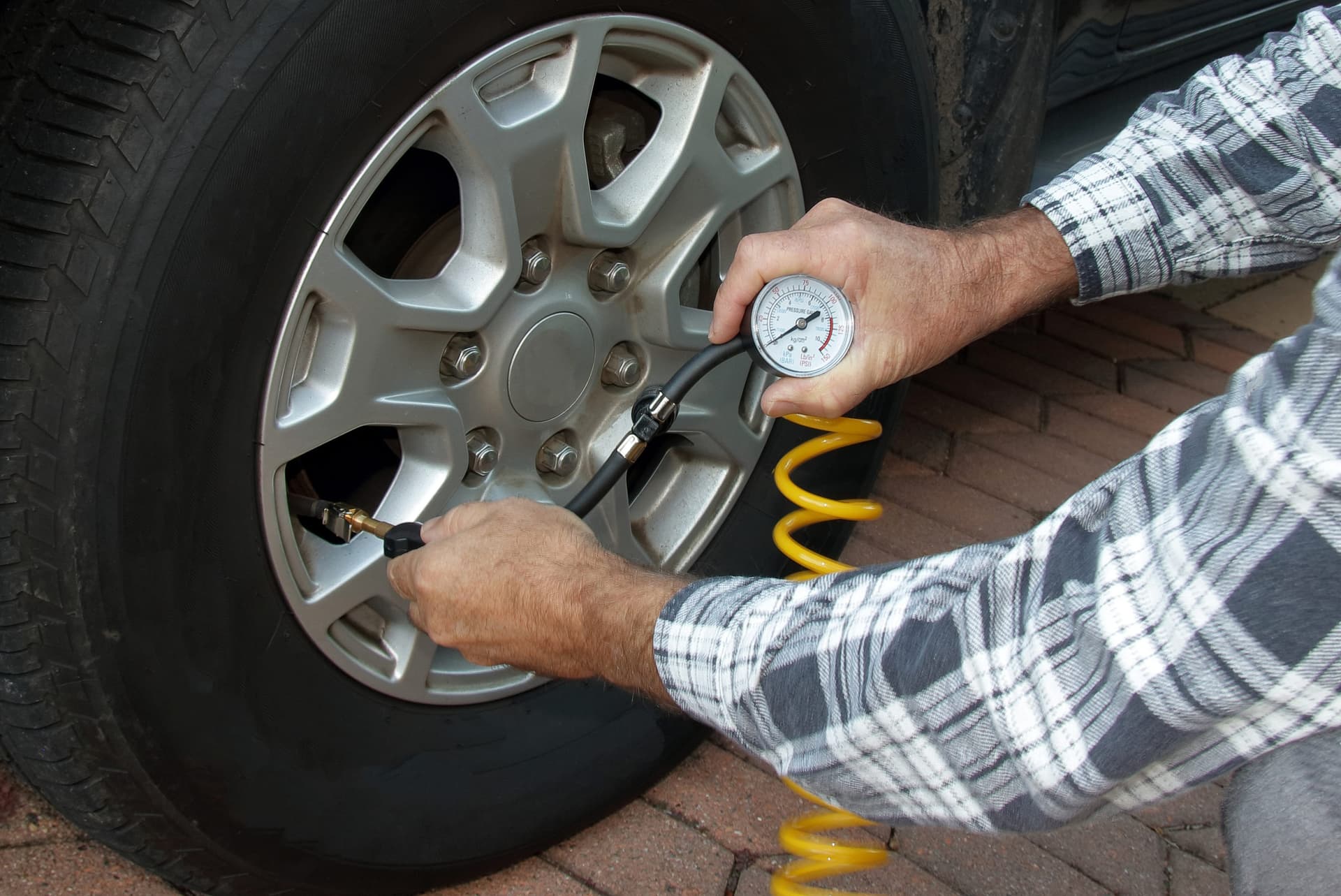
Credit: simpletire.com
Compare Pressure To Recommended Levels
Checking tire pressure manually is important for safety. It helps your car perform well and saves fuel.
Each vehicle has recommended tire pressure levels. These levels ensure optimal performance and safety.
Find The Recommended Tire Pressure
Look for the recommended tire pressure in your car manual. You can also find it on a sticker inside the driver’s door.
The pressure is usually measured in PSI (pounds per square inch). Make sure you remember this number.
A tire pressure gauge helps you measure the air pressure in your tires. You can buy one at an auto shop.
Press the gauge onto the tire valve. Read the number shown on the gauge.
Compare And Adjust
Compare the gauge reading to the recommended pressure. If it’s lower, add air to the tire.
If it’s higher, let some air out. Repeat the process until the pressures match.
- Check pressure when tires are cold for accuracy
- Check all tires, including the spare tire
- Use a quality gauge for best results
Adjusting Tire Pressure
Checking and adjusting tire pressure is important for safe driving. Proper tire pressure helps tires wear evenly and improves fuel efficiency.
You can adjust tire pressure by adding or releasing air. Always check your vehicle’s manual for the recommended pressure.
Adding Air
Adding air to your tires helps if the pressure is too low. Use an air pump to fill the tires to the recommended level.
Check the pressure with a gauge. Make sure not to overfill, as this can be dangerous.
- Find the air valve on the tire
- Attach the air pump to the valve
- Fill until the gauge shows the correct pressure
Releasing Air
If the tire pressure is too high, you need to release some air. This helps avoid tire damage and improves handling.
Use a pressure gauge with a release valve. Press the valve to let out air until the pressure is correct.
- Check the current pressure with a gauge
- Press the valve stem to release air
- Recheck the pressure and adjust if needed
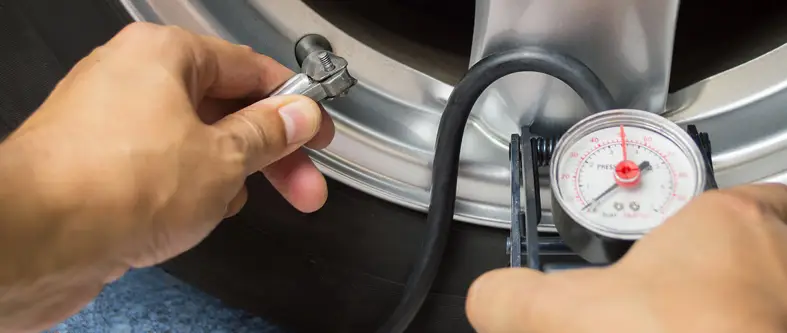
Credit: point-s.ca
Recheck Pressure After Adjustment
Checking your tire pressure is not complete after just one measurement. It is important to recheck the pressure after you adjust it. This ensures your tires have the correct amount of air.
Incorrect tire pressure can cause poor vehicle handling and reduce fuel efficiency. Rechecking helps keep your tires safe and your car performing well.
Wait A Few Minutes Before Rechecking
After adding or releasing air, wait a few minutes before measuring again. This allows the air inside the tire to settle. Checking too soon may give a false reading.
Use A Reliable Pressure Gauge
Choose a good quality tire pressure gauge for accurate results. Digital or dial gauges usually give better readings than cheap ones.
Check All Tires Evenly
- Measure the pressure on each tire after adjustment.
- Adjust pressure as needed to match the recommended level.
- Do not forget to check the spare tire as well.
Record The Final Pressure
| Tire Position | Final Pressure (PSI) |
| Front Left | 32 |
| Front Right | 32 |
| Rear Left | 30 |
| Rear Right | 30 |
| Spare | 40 |
Replace The Valve Cap
Checking tire pressure is important for safe driving. After using a tire gauge, always replace the valve cap.
The valve cap protects the valve from dirt and moisture. This helps keep the tire pressure steady.
Why Replace The Valve Cap?
The valve cap stops dust and water from entering the valve. Dirt can block the valve and cause leaks.
A missing valve cap can lead to slow air leaks. This makes your tires lose pressure over time.
How To Replace The Valve Cap
After checking the tire pressure, screw the valve cap back on tightly. Turn it clockwise until it feels snug.
Do not over-tighten the cap. It should be firm but easy to remove next time.
Tips For Valve Cap Care
- Always carry spare valve caps in your car.
- Check valve caps for cracks or damage regularly.
- Replace damaged caps to keep valves clean and sealed.
Tips For Regular Tire Pressure Checks
Checking your tire pressure helps keep your car safe and saves fuel. You should check the pressure often for the best results.
Use a good tire pressure gauge and know the right pressure for your tires. This guide gives useful tips for regular checks.
Know The Correct Tire Pressure
Look in your car’s manual or on the inside of the driver’s door for the right tire pressure. This number is important for safe driving.
Check Tires When They Are Cold
Check the tire pressure before you drive. Tires get warm and the pressure goes up after driving, which can give wrong readings.
Use A Reliable Tire Pressure Gauge
Use a good-quality tire pressure gauge for accurate results. Digital or dial gauges are easy to read and work well.
How To Check Tire Pressure Manually
- Remove the valve cap from the tire.
- Press the gauge firmly onto the valve stem.
- Read the pressure on the gauge display.
- Compare it to the recommended pressure.
- Add air if the pressure is too low.
- Release air if the pressure is too high.
- Put the valve cap back on.
Check Tires Regularly
| Frequency | Reason |
| At least once a month | Keep tires safe and efficient |
| Before long trips | Prevent tire problems on the road |
| After big temperature changes | Pressure changes with temperature |

Credit: www.carsales.com.au
Frequently Asked Questions
How Do I Check Tire Pressure Without A Gauge?
You can press the tire with your thumb to feel firmness. However, this method is inaccurate. Using a tire pressure gauge is recommended for precise readings.
When Is The Best Time To Check Tire Pressure?
Check tire pressure when tires are cold, ideally before driving. Heat from driving can increase pressure, causing incorrect readings. Early mornings are perfect.
What Is The Recommended Tire Pressure For My Car?
Refer to your vehicle’s manual or the sticker inside the driver’s door. It lists the ideal tire pressure for safe and efficient driving.
How Often Should I Check My Tire Pressure?
Check tire pressure at least once a month. Regular checks help maintain tire health, improve fuel efficiency, and ensure safety on the road.
Conclusion
Checking tire pressure manually saves money and keeps you safe. Use a reliable gauge and test each tire regularly. Proper pressure improves fuel efficiency and tire life. Don’t wait for warning lights or uneven tire wear. Make this simple habit part of your car care routine.
Stay safe on the road with well-maintained tires. Easy steps, big benefits. Keep your tires in check and drive with confidence.







