
Have you ever wondered what those numbers and words on your tire really mean? One key term you might have seen is “Tire Ply Rating.”
Understanding this can help you choose the right tires for your vehicle and keep you safe on the road. You’ll discover exactly what tire ply rating is, why it matters to you, and how it affects your driving experience. Keep reading—your next tire decision just got easier.
Tire Ply Rating Basics
Tire ply rating is a number that shows the strength of a tire. It helps to understand how much weight a tire can carry safely. Ply rating is important for choosing the right tire for your vehicle.
This rating does not always reflect the actual number of layers inside the tire. Instead, it relates to the tire’s strength and durability. Knowing about ply rating helps drivers pick tires for different roads and conditions.
What Ply Rating Means
The ply rating shows the tire’s load capacity. It was first based on how many layers or plies of cotton fabric were inside the tire. Today, tires use modern materials but keep the ply rating system for comparison.
- A higher ply rating means the tire can carry more weight.
- The rating helps to compare tires even if they use different materials.
- Ply rating affects tire pressure limits and durability.
- It is not the same as the actual number of plies in the tire.
Historical Context Of Ply Ratings
The ply rating system started when tires had layers of cotton fabric. Each ply added strength. The number of plies showed how strong the tire was.
| Year | Development | Impact |
| Early 1900s | Tires made with cotton plies | Strength measured by ply count |
| Mid 1900s | Use of nylon and polyester fabrics | Stronger tires with fewer plies |
| Today | Advanced materials like steel belts | Ply rating used for load comparison |

Credit: www.amazon.com
Materials Behind Ply Ratings
Tire ply rating shows how strong a tire is. It tells how much weight the tire can hold safely.
The materials used in tire plies make a big difference in strength. Different materials affect the tire’s durability and safety.
Types Of Tire Plies
Tire plies are layers inside the tire. They help keep the tire firm and carry weight.
Common types of tire plies use different materials. These include polyester, steel, nylon, and rayon.
- Polyester plies:Lightweight and flexible, used in many tires.
- Steel plies:Very strong and stiff, often in truck tires.
- Nylon plies:Add extra strength and heat resistance.
- Rayon plies:Older type, less common now but still used in some tires.
Impact Of Materials On Strength
Materials affect how much weight a tire can carry. Stronger materials mean higher ply ratings.
Steel plies give the highest strength. Polyester plies are lighter but less strong. Nylon adds toughness and helps the tire last longer.
- Steel plies increase load capacity and tire durability.
- Polyester plies improve ride comfort and flexibility.
- Nylon plies resist heat and reduce tire wear.
- Rayon plies offer moderate strength but less heat resistance.
Ply Rating Vs. Actual Ply Count
Tire ply rating and actual ply count are different but related terms. Many people confuse them when choosing tires.
This article explains the key differences and why ply ratings matter more than actual ply counts.
Differences Explained
Actual ply count means the number of layers of fabric in a tire. Ply rating is a number that shows the tire’s strength.
| Term | Meaning | What It Shows |
| Actual Ply Count | Number of fabric layers | Physical structure of tire |
| Ply Rating | Strength equivalent number | Load carrying capacity |
Modern tires use strong materials like steel or nylon. They are lighter but stronger than old tires with many cotton plies.
Why Ratings Matter More
Ply rating tells you how much weight the tire can hold safely. It is more useful than just counting the layers inside the tire.
- Ply rating helps compare tires with different materials.
- It shows the tire’s ability to resist punctures and damage.
- Manufacturers use ply rating to meet safety standards.
- Higher ply rating means stronger, more durable tire.
Always check the ply rating when buying tires. It gives a better idea of the tire’s performance and safety.
Credit: sanddancetyre.com
How Ply Rating Affects Tire Performance
Tire ply rating shows how strong a tire is. It tells how many layers of material the tire has inside.
A higher ply rating means the tire can hold more weight and handle tougher roads. It also affects how the tire feels and lasts.
Load Carrying Capacity
A tire’s ply rating helps decide how much weight it can carry. More plies mean the tire is stronger and can hold more load.
Vehicles that carry heavy loads need tires with higher ply ratings to avoid damage and stay safe on the road.
- Higher ply rating means higher load capacity
- Stronger tires support heavier vehicles
- Low ply rating tires carry less weight safely
Durability And Wear
Tires with higher ply ratings are more durable. They resist cuts, punctures, and damage better than lower ply tires.
These tires last longer on rough roads and in tough conditions. They wear more slowly and keep their shape well.
- More plies increase tire strength
- High ply tires resist road damage
- Last longer before needing replacement
Handling And Ride Comfort
Higher ply tires are stiffer and less flexible. This can make the ride feel rougher and less smooth on some roads.
Lower ply rating tires are softer. They absorb bumps better and give a more comfortable ride but may not handle heavy loads well.
- High ply rating means firmer ride
- Low ply rating offers softer, smoother ride
- Balance needed for comfort and strength
Ply Rating And Safety
Tire ply rating shows the strength of a tire’s layers. It helps drivers know how much weight a tire can carry safely.
Understanding ply rating is key to keeping your vehicle safe, especially in tough conditions or when carrying heavy loads.
Tire Strength In Harsh Conditions
Tires with a higher ply rating have more layers, making them stronger. This strength helps resist damage from rough roads and sharp objects.
- Higher ply rating means thicker tire layers
- More resistance to punctures and cuts
- Better performance on rough or uneven surfaces
- Increased durability in hot or cold weather
Avoiding Overloading Risks
Overloading a tire beyond its ply rating can cause serious safety problems. Tires may overheat, wear out fast, or even fail on the road.
| Ply Rating | Maximum Load Capacity (lbs) |
| 4 Ply | 1,200 |
| 6 Ply | 1,800 |
| 8 Ply | 2,400 |
| 10 Ply | 3,000 |
Choosing Tires By Ply Rating
Tire ply rating is important for safety and performance. It helps you choose the right tire for your vehicle.
Understanding ply rating ensures your tires handle the load and terrain you encounter. This guide will help you match ply ratings to your needs.
Matching Ply Rating To Vehicle Needs
Different vehicles need different tire strengths. The ply rating indicates how strong and durable a tire is.
- Light vehicles often use tires with lower ply ratings.
- Heavy trucks need higher ply ratings for safety.
- Check your vehicle manual for recommended ply ratings.
Considerations For Different Terrains
Terrain affects tire choice. Whether you drive on highways or rugged paths, choose the right tire ply rating.
| Terrain | Recommended Ply Rating |
| City Roads | 4 to 6 Ply |
| Off-Road | 8 to 10 Ply |
| Highway | 6 to 8 Ply |
Maintaining Tires For Safety
Tire ply rating is important for your vehicle’s safety. It tells how strong a tire is and how much weight it can carry. Knowing this helps keep your ride safe and smooth.
Proper tire care is crucial for safety on the road. Regular checks and maintenance can prevent accidents and extend tire life.
Regular Inspections
Check your tires often to spot any problems early. Look for cracks, cuts, and uneven wear. These can lead to bigger issues if ignored.
Use a flashlight to see the tire’s tread and sidewalls better. If you notice anything unusual, have a professional check it out.
- Look for nails or sharp objects in the tires
- Check tread depth with a penny
- Inspect sidewalls for bulges
Proper Inflation And Load Limits
Keeping tires inflated to the right pressure is vital. Proper inflation helps with fuel efficiency and tire longevity. Check the pressure monthly.
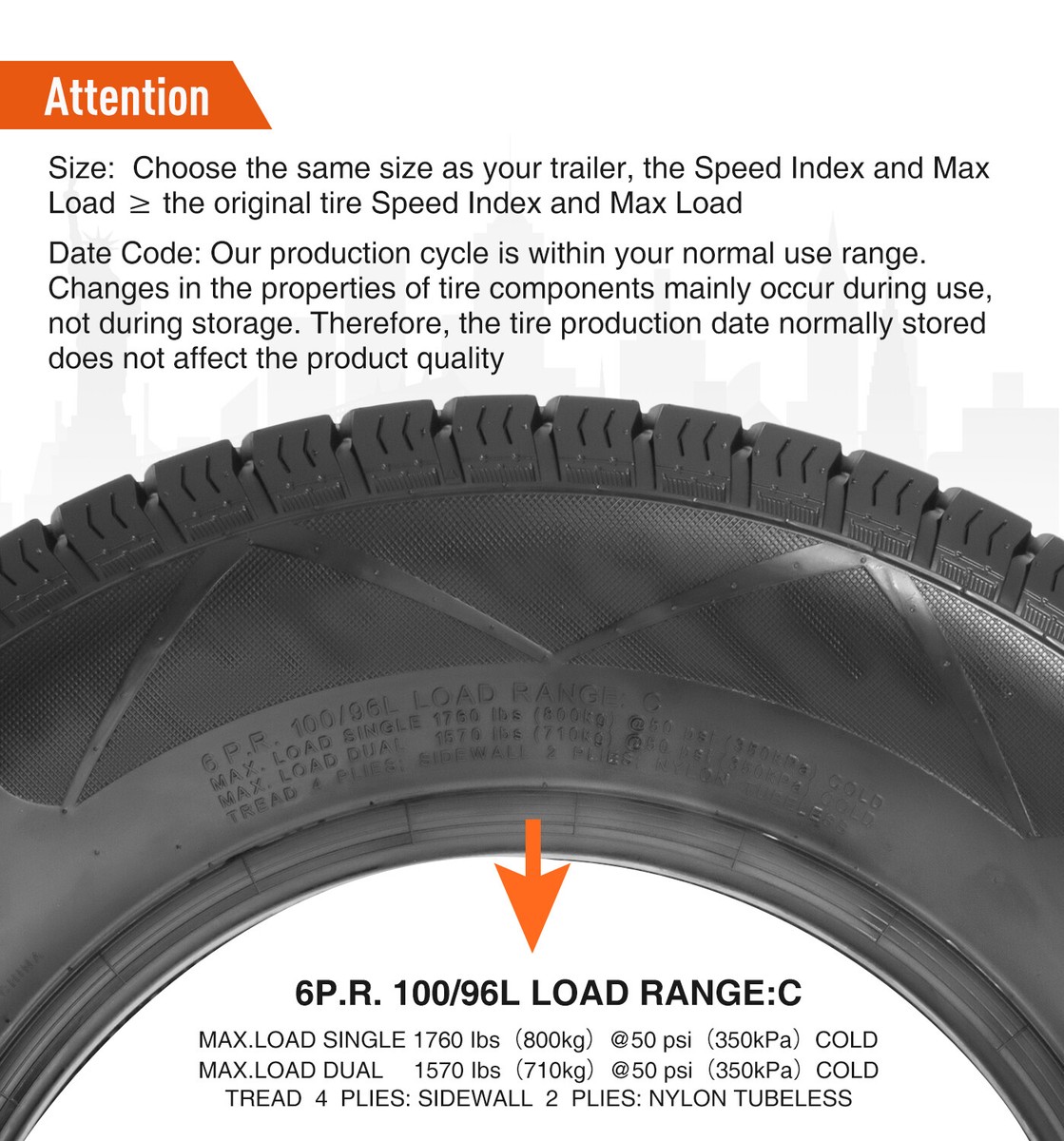
Never overload your vehicle. Exceeding load limits can cause tire failure. Always refer to the tire’s sidewall for load information.
| Load Limit | Weight |
| Light | Up to 2,000 lbs |
| Medium | 2,000 – 3,500 lbs |
| Heavy | Over 3,500 lbs |
Credit: www.ebay.com
Common Myths About Ply Ratings
Tire ply rating is often misunderstood. Many people think it shows the number of layers in a tire. This is not always true.
We will explore some common myths. Understanding these will help you choose the right tire.
Ply Rating And Tire Thickness
Many believe ply rating means how thick the tire is. Ply rating is a measure of strength, not thickness. Modern tires use stronger materials, so fewer plies can be stronger.
- Tires with lower ply ratings can be as strong as older tires with higher ply ratings.
- Thickness varies by design and material, not just ply count.
- Ply rating is a legacy term and does not always reflect actual tire layers.
Overestimating Strength
Some think a higher ply rating means a tire can carry more weight. This is not always correct. Tire strength depends on many factors like materials and construction.
| Myth | Fact |
| Higher ply rating means thicker tire | Thickness depends on design and material |
| Higher ply rating means stronger tire | Strength depends on materials and construction |
| Ply rating shows the exact number of tire layers | It is a measure of strength, not actual layers |
Frequently Asked Questions
What Does Tire Ply Rating Mean?
Tire ply rating indicates a tire’s strength and load capacity. It reflects the number of fabric layers inside the tire. Higher ply ratings mean stronger tires, suitable for heavier loads and rougher conditions. It’s a key factor in tire durability and performance.
How Does Ply Rating Affect Tire Performance?
Ply rating impacts a tire’s load capacity and durability. Higher ply ratings provide better resistance to punctures and damage. They improve stability and handling, especially under heavy loads or off-road conditions. However, higher ply tires may be stiffer and less comfortable.
Can I Use Tires With Different Ply Ratings?
Using tires with different ply ratings is not recommended. Mismatched ply ratings can cause uneven wear and handling issues. It may affect vehicle stability and safety. Always use tires with the manufacturer’s recommended ply rating for optimal performance and safety.
Is Ply Rating The Same As Tire Load Index?
No, ply rating and load index differ. Ply rating shows tire strength and construction layers. Load index specifies the maximum weight a tire can carry. Both are important for choosing the right tire but serve different purposes.
Conclusion
Tire ply rating shows how strong a tire is inside. It tells how much weight the tire can carry safely. Higher ply ratings mean tougher tires for heavy loads. Knowing this helps you pick the right tire for your vehicle.
It also improves safety and tire life. Always check the ply rating before buying new tires. This small detail makes a big difference on the road. Choose wisely and drive with confidence.







