
Have you ever noticed a strange vibration or noise coming from your car after it’s been parked for a while? This could be caused by tire flat spotting—a common but often misunderstood issue that affects many drivers.
Understanding what tire flat spotting is and how it happens can save you from unexpected discomfort and costly repairs. You’ll discover exactly what tire flat spotting means, why it occurs, and what you can do to prevent it. Keep reading to protect your tires and enjoy a smoother, safer ride every time you hit the road.
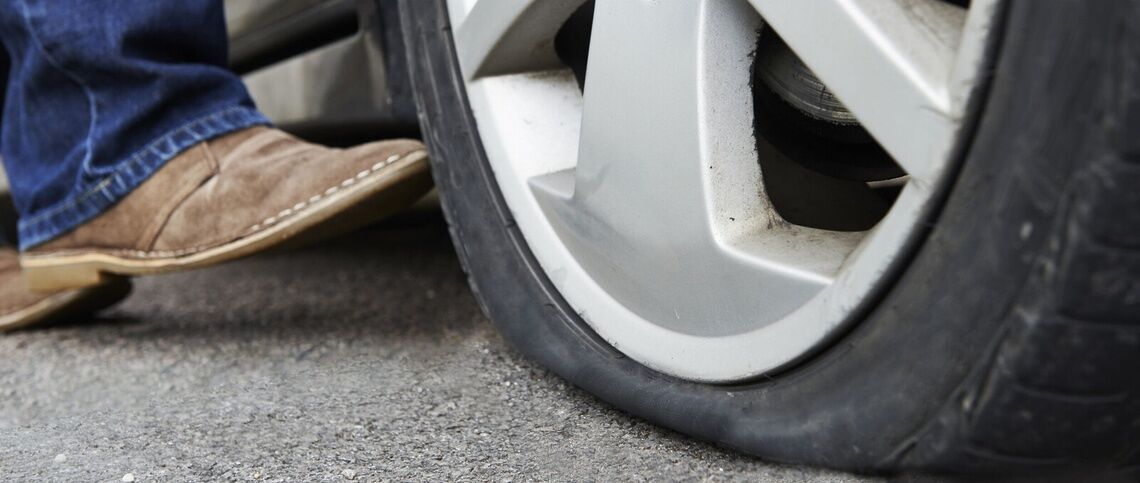
Credit: www.michelin.ca
Tire Flat Spotting Basics
Tire flat spotting happens when a tire develops a flat area on its surface. This can affect driving comfort and tire life.
Understanding the causes and formation of flat spots helps you prevent and manage this issue.
What Causes Flat Spots
Flat spots form mainly due to the tire pressing against a hard surface without moving. This pressure causes the tire to lose its round shape temporarily or permanently.
- Parking for long periods without moving the vehicle
- Sudden hard braking that locks the wheels
- Cold temperatures that make tires stiff
- Improper tire inflation
How Flat Spots Form
When a car stays still, the tire weight presses down on one spot. This pressure flattens the tire area touching the ground.
| Condition | Effect on Tire |
|---|---|
| Car parked for days | Flat spot develops due to constant pressure |
| Hard braking | Tire skids and creates flat marks |
| Cold weather | Tire rubber stiffens and flat spots last longer |
| Low tire pressure | More tire surface touches ground, increasing flat spot risk |
Effects Of Flat Spots On Tires
Tire flat spotting happens when a tire stays in one place for too long. The tire develops a flat area on its surface. This can affect how the tire works and feels.
Flat spots can cause several problems. They change how the tire rolls and can make driving uncomfortable. It is important to know the effects of flat spots on tires.
Impact On Ride Quality
Flat spots make the ride bumpy and rough. The tire does not roll smoothly over the road. This causes vibrations felt inside the vehicle.
These bumps can make driving less comfortable. You may hear thumping noises as the tire hits the road unevenly.
Safety Concerns
Flat spots can reduce tire grip on the road. This can make it harder to control the vehicle. It increases the chance of slipping, especially on wet roads.
Flat spots can also cause uneven tire wear. This may lead to tire failure or blowouts. It is important to check tires regularly for safety.
Tire Longevity
Flat spotting weakens the tire structure. The flat area puts extra stress on the tire. This can cause cracks or damage over time.
Damaged tires wear out faster. You may need to replace tires sooner than expected. Keeping tires moving helps prevent flat spots and extends tire life.
Common Causes Of Flat Spotting
Flat spotting happens when a tire develops a flat area on its surface. This can cause vibrations and reduce tire life.
Several factors can cause flat spots. Understanding them helps prevent damage to your tires.
Extended Parking
Leaving a car parked for a long time can cause tires to flatten where they touch the ground. The weight of the car presses down on the same part of the tire for hours or days.
- Tires lose air pressure over time.
- Rubber hardens and loses flexibility.
- Flat spots form at the contact patch with the ground.
Aggressive Braking
Hard braking can cause tires to skid. Skidding makes the tire slide without rolling, wearing down a flat spot quickly.
| Effect | Description |
| Heat Build-up | Friction heats the tire causing rubber damage. |
| Uneven Wear | Flat spots develop on the tire surface. |
| Vibrations | Flat spots cause shaking at certain speeds. |
Improper Tire Pressure
Low or high tire pressure affects how the tire wears. Incorrect pressure can cause flat spots and reduce tire life.
Signs of improper tire pressure include:
- Uneven tire surface
- Increased flat spotting risk
- Reduced fuel efficiency
- Poor handling and safety

Credit: www.continental-tires.com
Preventing Tire Flat Spots
Tire flat spotting happens when tires develop flat areas from staying in one place too long. This can cause a rough ride and uneven tire wear.
Preventing flat spots helps keep tires safe and extends their life. Below are ways to avoid flat spots through proper care and habits.
Proper Tire Maintenance
Check your tire pressure regularly. Low pressure can cause tires to flatten where they touch the ground.
- Inflate tires to the recommended pressure shown in your vehicle manual.
- Inspect tires for cracks or damage often.
- Keep tires clean from dirt and debris.
Parking Tips
Where and how you park your vehicle can reduce flat spotting risk. Avoid parking in the same spot for long periods.
| Parking Tip | Reason |
| Use a tire crutch or jack stands | Relieves tire pressure on the ground |
| Park on a soft surface like grass or carpet | Reduces pressure points |
| Move vehicle slightly every few days | Changes tire contact areas |
Regular Tire Rotation
Rotate tires every 5,000 to 7,000 miles. This spreads wear evenly and prevents flat spots from forming.
- Check your vehicle manual for the rotation pattern.
- Rotate tires at regular intervals.
- Inspect tires during rotation for early signs of flat spots.
Fixing Flat Spots On Tires
Flat spots on tires happen when a tire stays in one place too long. The tire’s surface flattens where it touches the ground. This can cause shaking or noise while driving.
Fixing flat spots depends on how bad they are. Some can be fixed by driving. Others may need help from a professional or require tire replacement.
Driving To Remove Minor Flat Spots
Minor flat spots often go away after driving. The heat and motion help the tire regain its shape. Here are tips to fix small flat spots:
- Drive at moderate speeds for 20 to 30 minutes.
- Avoid sudden stops or sharp turns.
- Keep tire pressure at the recommended level.
- Drive on smooth roads to reduce stress on tires.
Professional Repair Options
If flat spots cause vibration or noise after driving, see a tire expert. Professionals can check tire balance and condition. They may offer these options:
- Wheel balancing to reduce vibration
- Rotating tires to even out wear
- Buffing or grinding to smooth the flat spot
- Replacing the tire if damage is severe
When To Replace Tires
Some flat spots cause permanent damage. Driving on these tires can be unsafe. Use this table to decide if you must replace your tires:
| Flat Spot Condition | Action Needed |
|---|---|
| Minor flat spot with no vibration | Drive to fix |
| Flat spot causing vibration after driving | Get professional repair |
| Flat spot with visible tire damage or cracks | Replace tire |
| Flat spot on old or worn tires | Replace tire |
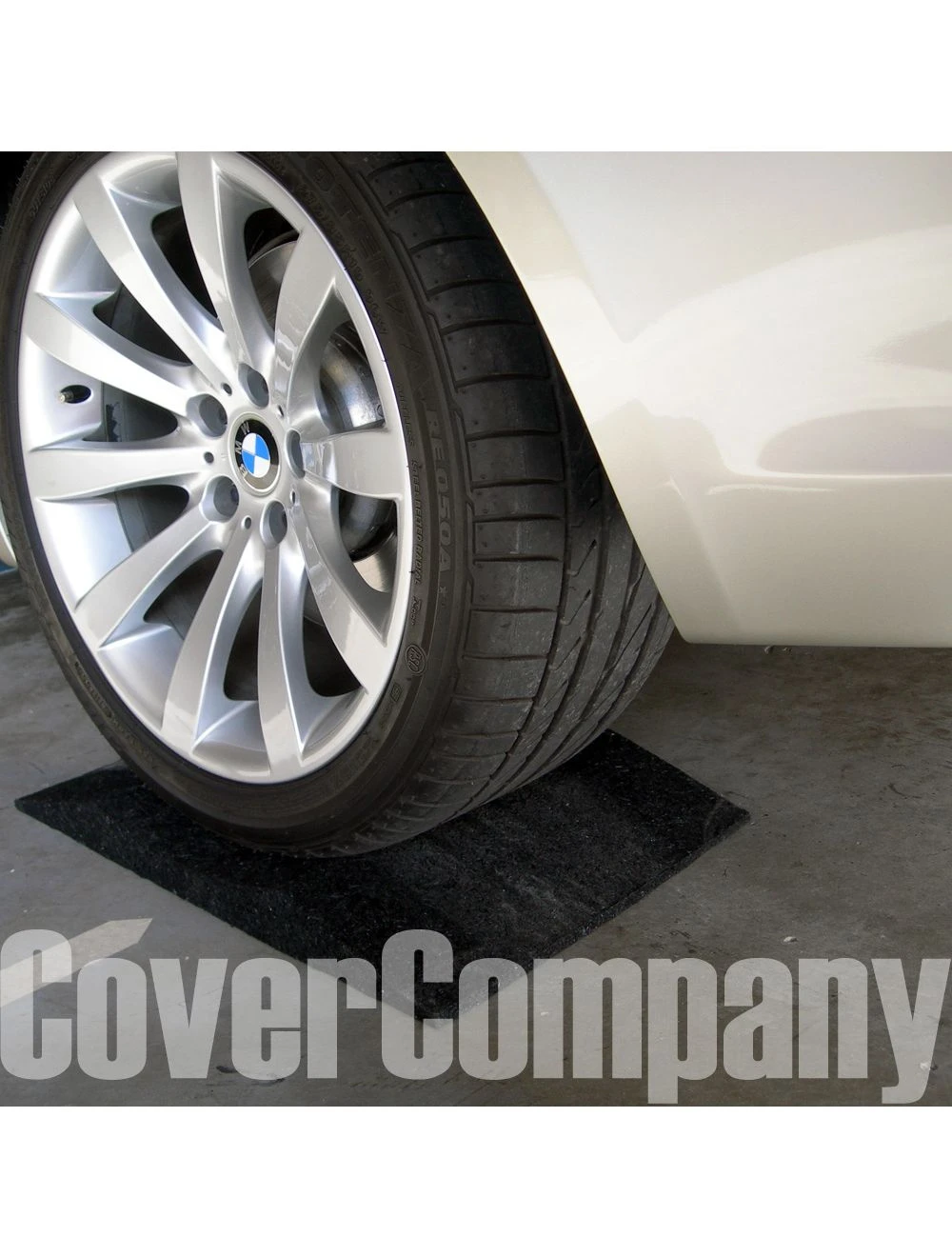
Credit: www.cover-company.com
Frequently Asked Questions
What Causes Tire Flat Spotting?
Tire flat spotting occurs when tires remain stationary under the vehicle’s weight for long periods. This pressure creates a flat area on the tire tread. Cold temperatures and hard rubber compounds worsen the effect. Flat spots can cause vibrations and uneven tire wear.
How Can I Prevent Tire Flat Spotting?
To prevent flat spotting, move your vehicle regularly or use tire cradles. Maintain proper tire pressure and park on softer surfaces when possible. Using tire warmers in cold climates also helps. Regular driving redistributes tire pressure and avoids prolonged stress on one spot.
Can Tire Flat Spotting Be Fixed?
Minor flat spots usually disappear after driving for a few miles as the tire warms up. Severe flat spots may cause permanent damage and require tire replacement. If vibrations persist, consult a tire professional to assess safety and repair options.
Does Tire Flat Spotting Affect Vehicle Safety?
Yes, flat spots can cause vibrations, reducing driving comfort and control. They may lead to uneven tire wear and compromised traction. Driving on flat spotted tires increases the risk of accidents. Address flat spotting promptly to ensure safe vehicle operation.
Conclusion
Tire flat spotting happens when tires stay still for too long. It can cause bumps and uneven wear. You can avoid it by moving the vehicle or inflating tires properly. Regular checks help keep tires smooth and safe. Understanding flat spots saves money and improves driving comfort.
Take care of your tires to enjoy a smoother ride. Simple steps prevent damage and extend tire life. Keep your vehicle ready for the road every day.







