
Are you tired of constantly checking your tire pressure or dealing with unexpected flat tires? One common but often overlooked culprit is a tire valve leak.
If your tires are losing air without a clear reason, it might be time to focus on your valve stems. Learning how to prevent tire valve leaks can save you time, money, and a lot of frustration on the road.
You’ll discover simple, effective steps you can take right now to keep your tires sealed tight and your driving experience smooth and safe. Keep reading—your tires will thank you.
Causes Of Tire Valve Leaks
Tire valve leaks can cause slow air loss and poor tire performance. Knowing the causes helps keep tires safe and efficient.
This guide covers common valve types, wear and tear factors, and installation issues that lead to leaks.
Common Valve Types
Tires use different valve types that can leak if damaged or worn out. The most common are Schrader, Presta, and Tubeless valves.
- Schrader valves:Widely used in cars and bikes. These have a valve core that can loosen or get clogged.
- Presta valves:Found mostly in bicycles. They are narrow and require careful handling to avoid damage.
- Tubeless valves:Used with tubeless tires. They need proper sealing to prevent air leaks.
Wear And Tear Factors
Valves wear out over time from exposure to dirt, moisture, and temperature changes. This wear causes cracks and weak spots.
| Wear Factor | Effect on Valve |
|---|---|
| Dirt and debris | Clogs valve core, stops proper sealing |
| Corrosion | Weakens metal parts, causes air leaks |
| Temperature changes | Expands and contracts valve materials, creating gaps |
| Rubber aging | Cracks rubber seals, reduces airtightness |
Improper Installation Issues
Incorrect valve installation can lead to leaks. Common problems include loose valves, damaged valve stems, and wrong valve types for the tire.
- Valve not tightened enough
- Valve stem bent or broken during installation
- Using valve type incompatible with tire design
- Failing to replace worn valve caps
Signs Of A Leaking Valve
Checking your tire valves helps keep your tires safe and working well. Leaks can cause problems while driving.
Learn the common signs that show a tire valve might be leaking. Catching leaks early prevents bigger issues.
Tire Pressure Drops
A leaking valve causes the tire pressure to go down. You may notice the tire feels soft or flat.
Check your tire pressure regularly with a gauge. A sudden drop can mean a valve leak.
- Tire pressure lower than usual
- Need to add air often
- Tire looks less firm
Audible Hissing Sounds
You might hear a hissing noise near the tire. This sound means air is escaping from the valve.
Listen carefully when the tire is under pressure. Hissing is a clear sign of a leak.
- Soft hissing near valve stem
- Noise louder when tire is pressed
- Sound stops when valve is tightened
Visible Damage Or Corrosion
Look closely at the valve for cracks, rust, or dirt. These can cause leaks over time.
Damaged valves need repair or replacement to stop leaks and keep tires safe.
- Rust on valve body
- Cracks or breaks in valve stem
- Dirt or debris blocking valve
Choosing The Right Valve
Choosing the right tire valve helps prevent leaks and keeps tires safe. Not all valves fit every tire or use.
Pick a valve that suits your tire type and driving needs. This stops air loss and improves tire life.
Material Options
Tire valves come in different materials. Each type has benefits for durability and leak prevention.
Metal valves resist wear better. Rubber valves are flexible and easier to install.
- Metal Valves:Strong and long-lasting
- Rubber Valves:Flexible and cost-effective
- Composite Valves:Mix of metal and rubber features
Valve Stem Length
Valve stem length matters for easy access. It should fit your wheel size and type.
Long stems are good for deep rims. Short stems work well with standard wheels.
- Short stems for regular wheels
- Long stems for deep or custom rims
- Right length reduces damage and leaks
Compatibility With Tire Types
Different tires need different valves. Check if the valve fits your tire’s pressure and design.
Heavy-duty tires need valves that handle high pressure. Standard tires use common valve types.
| Tire Type | Recommended Valve | Reason |
|---|---|---|
| Passenger Tires | Standard Rubber Valve | Fits common rims and normal pressure |
| Truck or Heavy Tires | Metal or Heavy-Duty Valve | Handles higher pressure and rough use |
| Performance Tires | High-Quality Metal Valve | Resists heat and pressure during fast driving |

Credit: www.amazon.ca
Valve Maintenance Tips
Tire valve leaks can cause air loss and affect driving safety. Regular maintenance helps prevent these leaks.
Understanding how to care for your tire valves ensures they remain in good condition. Follow these simple tips to keep your tires safe.
Regular Inspection Routines
Check your tire valves often for signs of wear. Look for cracks or damage that could cause leaks.
Use a pressure gauge to ensure your tires maintain proper air levels. This helps detect leaks early.
- Inspect valves every month
- Use a reliable pressure gauge
- Watch for unusual air loss
Cleaning Procedures
Keep valves clean to prevent dirt buildup. Dirt can cause valves to malfunction.
Use a damp cloth to wipe the valves gently. Avoid using harsh chemicals.
- Clean valves during car washes
- Use water and mild soap
- Avoid abrasive cleaners
Replacing Valve Caps
Valve caps protect valves from dirt and moisture. Ensure caps are always in place.
If a cap is missing, replace it immediately. Caps are inexpensive and easy to find.
- Check for missing caps regularly
- Buy spare caps to keep on hand
- Install new caps securely
Proper Valve Installation
Tire valve leaks can cause air loss, affecting your driving experience. Proper valve installation is key to preventing these leaks.
Ensure your tire valves are correctly installed to maintain tire pressure. This guide will help you understand the process.
Tools Needed
Gather the right tools before starting the installation. Having everything ready makes the process smoother.
- Valve core tool
- Lubricant
- Air compressor
- Pressure gauge
Step-by-step Installation
Follow these steps to properly install the tire valve. Careful installation reduces the chance of leaks.
- Remove the old valve using the valve core tool.
- Apply lubricant to the new valve.
- Insert the new valve into the valve hole.
- Tighten the valve with the valve core tool.
- Inflate the tire using the air compressor.
Ensuring A Tight Seal
A tight seal prevents air from escaping. Check the seal after installing the valve.
- Use a pressure gauge to check tire pressure.
- Listen for hissing sounds indicating leaks.
- Re-tighten the valve if necessary.
- Apply soapy water to check for bubbles.
Using Sealants And Repair Kits
Tire valve leaks can cause air loss and unsafe driving. Using sealants and repair kits helps stop leaks quickly.
These tools are easy to use and save time. They keep your tires sealed and ready for the road.
When To Use Sealants
Sealants work best for small leaks or slow air loss. They plug holes inside the tire and valve.
Use sealants if you cannot fix the valve right away. They are a quick fix until you get a full repair.
Types Of Repair Kits
Repair kits come in different forms for valve leaks. Some kits fix the valve stem while others seal the tire.
- Valve core removal tools
- Valve stem replacement kits
- Tire plug kits for punctures
- Valve sealant sprays or liquids
Application Techniques
Clean the valve area before applying sealants or using repair kits. Dirt can block the sealant from working well.
Follow these steps for best results:
- Remove the valve cap and valve core if needed.
- Apply sealant inside the valve or tire as instructed.
- Replace the valve core or stem if using a repair kit.
- Inflate the tire to the correct pressure.
- Check for leaks by listening or using soapy water.
Professional Help And Services
Leaks in tire valves can cause slow air loss and unsafe driving conditions. Sometimes, fixing these leaks needs expert knowledge and tools.
Professional technicians can check and repair valve issues accurately. They offer services that save time and keep your tires healthy.
When To Consult A Technician
Contact a technician if you notice air pressure drops often. Also, seek help if the valve cap is missing or damaged. Strange noises or visible cracks around the valve need expert attention.
- Frequent loss of tire pressure
- Damaged or missing valve cap
- Cracks or corrosion on the valve stem
- Hissing sounds near the valve area
Benefits Of Professional Inspection
Professionals use special tools to find small leaks that are hard to see. They can replace faulty valves safely and check the whole tire system. This ensures longer tire life and better safety.
| Service | Benefit |
| Leak Detection | Finds hidden valve problems |
| Valve Replacement | Prevents air loss and tire damage |
| System Check | Ensures overall tire health |
Cost Considerations
Professional valve repair costs vary by service type. Simple leak fixes cost less than full valve replacements. Investing in proper repairs prevents costly tire damage later.
- Leak repair: low to moderate cost
- Valve replacement: moderate cost
- Full tire inspection: depends on service provider
- Long-term savings by avoiding tire damage

Credit: www.youtube.com
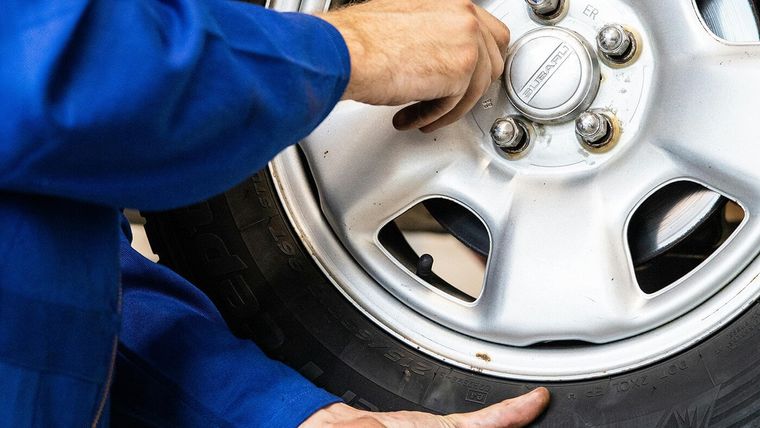
Credit: www.blackcircles.ca
Frequently Asked Questions
What Causes Tire Valve Leaks?
Tire valve leaks often result from damaged valve cores, cracked valve stems, or loose valve caps. Dirt and corrosion can also cause leaks. Regular inspection and maintenance help prevent these issues and ensure proper tire pressure.
How Can I Detect A Tire Valve Leak?
Listen for hissing sounds or use soapy water on the valve. Bubbles indicate escaping air. Check tire pressure regularly to spot slow leaks early and maintain safe driving conditions.
What Are The Best Ways To Fix Valve Leaks?
Tighten loose valve caps and replace damaged valve cores. Use a valve core tool for secure installation. If the valve stem is cracked, replace it to prevent further leaks and ensure tire safety.
How Often Should Valve Stems Be Replaced?
Replace valve stems every 5-7 years or during tire replacement. Aging stems can crack and cause leaks. Regular replacement maintains tire integrity and prevents unexpected air loss.
Conclusion
Preventing tire valve leaks keeps your tires safe and strong. Check valves often for cracks or dirt. Tighten valve caps to stop air from escaping. Use soapy water to spot leaks quickly. Replace worn or damaged valves without delay. Regular care saves money and avoids trouble on the road.
Simple steps make a big difference in tire health. Stay alert and keep your tires in top shape. Safe driving starts with good tire maintenance.







