
Imagine being stuck on the side of the road with a flat tire or no signal on your phone. How prepared would you feel?
Your car can turn from a simple ride into a lifeline during emergencies, but only if you’re ready. This guide will show you easy, practical steps to create your own DIY emergency kit for your car. By the end, you’ll have the confidence and tools to handle unexpected situations safely and calmly.
Ready to take control of your safety? Let’s get started.
Emergency Car Kit Essentials
Being prepared for emergencies on the road can save lives. A well-stocked car kit helps you handle unexpected situations safely.
This guide covers key items to keep in your car. Focus on tools, first aid, food, water, and safety supplies.
Tools And Equipment
Having the right tools helps you fix minor car problems or signal for help. Include items that assist in different emergencies.
- Jumper cables to start a dead battery
- Flashlight with extra batteries
- Multi-tool or basic wrench set
- Reflective warning triangles or flares
- Tire pressure gauge and patch kit
- Tow rope or strap
First Aid Supplies
A first aid kit can treat minor injuries until help arrives. Stock it with essential medical items for quick care.
| Item | Purpose |
| Adhesive bandages | Cover small cuts and scrapes |
| Antiseptic wipes | Clean wounds to prevent infection |
| Gauze pads | Control bleeding on larger wounds |
| Medical tape | Secure bandages in place |
| Scissors | Cut tape or clothing if needed |
| Pain relievers | Reduce discomfort and pain |
| Disposable gloves | Protect yourself while helping others |
Food And Water
Keep food and water to stay nourished during long waits. Choose items that last and are easy to store.
- Bottled water with sealed caps
- Non-perishable snacks like nuts and granola bars
- Energy bars for quick fuel
- Electrolyte tablets or powder packets
- Small can opener if canned food is included
Safety Items
Safety items protect you and others. They help prevent accidents and make you visible to rescuers.
| Item | Use |
| Seatbelt cutter | Free yourself if trapped |
| Emergency whistle | Signal for help loudly |
| Reflective vest | Increase visibility at night |
| Fire extinguisher | Put out small fires quickly |
| Blanket | Keep warm in cold weather |
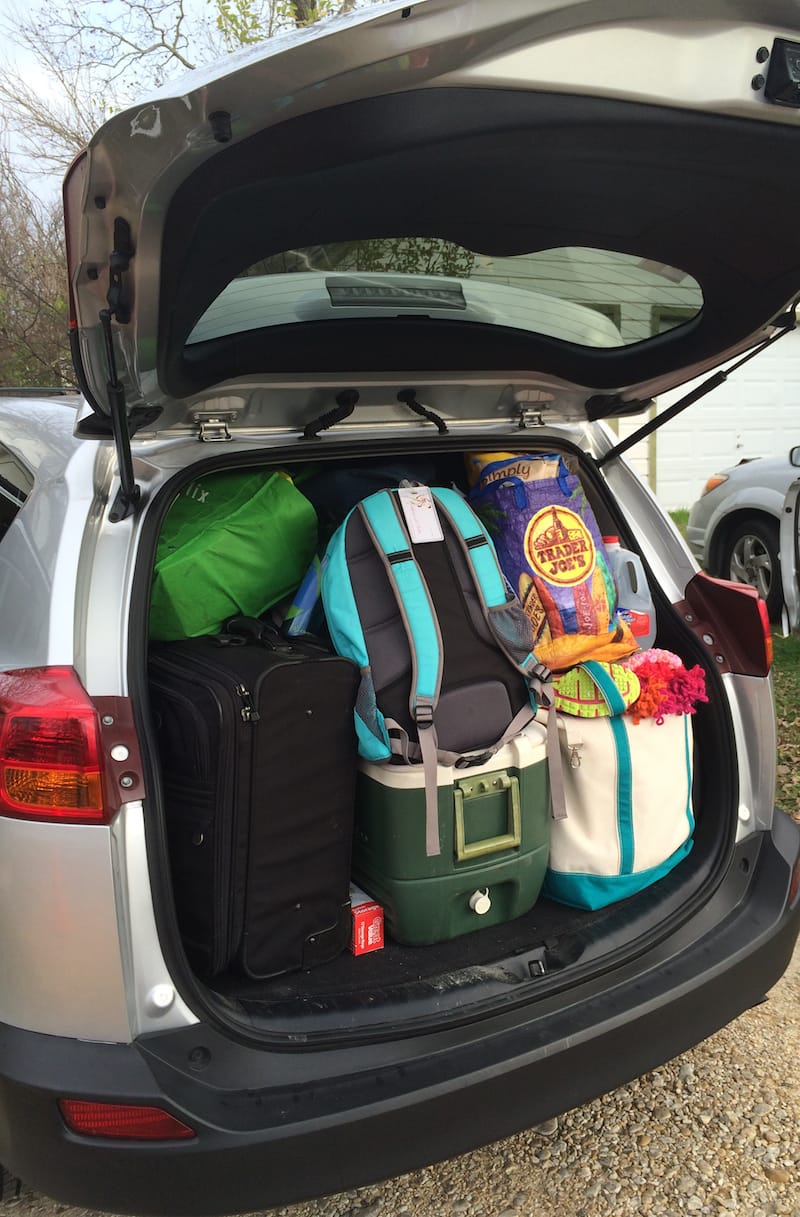
Credit: agirlsguidetocars.com
Vehicle Maintenance Tips
Keeping your car ready for emergencies is very important. Regular maintenance can prevent breakdowns on the road.
Check your vehicle often to ensure it runs smoothly. This helps you stay safe during any emergency.
Regular Fluid Checks
Fluids keep your car parts working well. Check oil, coolant, brake fluid, and windshield washer fluid often.
- Check oil level with the dipstick monthly
- Top off coolant before long trips
- Inspect brake fluid to avoid brake failure
- Fill windshield washer fluid for clear vision
Tire Care
Good tires improve safety and fuel efficiency. Check tire pressure and tread depth regularly.
| Check | How to Do It | Why It Matters |
| Pressure | Use a tire gauge monthly | Prevents blowouts and saves gas |
| Tread Depth | Use a penny or tread gauge | Ensures good traction on wet roads |
| Visual Damage | Look for cuts or bulges | Avoid sudden tire failure |
Battery Inspection
Check the battery to avoid unexpected stalls. Look for corrosion and secure connections.
- Inspect battery terminals for rust or build-up
- Make sure cables are tight and clean
- Test battery voltage with a multimeter
- Replace the battery if it is old or weak
Brake And Light Function
Brakes and lights keep you safe. Test them regularly to avoid accidents.
Follow this checklist for brakes and lights:
- Press brake pedal and listen for noises
- Check brake fluid level in the reservoir
- Test brake lights with a helper or reflective surface
- Inspect headlights, tail lights, and turn signals
Preparing For Different Weather
Being ready for all types of weather can keep you safe on the road. Your car needs special care in winter, summer, rain, and extreme heat. Simple steps can prepare you for unexpected weather changes.
Keep your car stocked and checked for different weather conditions. This helps you avoid trouble and stay calm in emergencies.
Winter Readiness
Cold weather can cause problems like frozen engines and slippery roads. Prepare your car by checking the battery and antifreeze levels. Keep winter supplies in your vehicle.
- Carry blankets, gloves, and a hat
- Keep an ice scraper and snow brush
- Store non-perishable snacks and water
- Have a flashlight with extra batteries
- Use winter tires or chains if needed
Summer Safety
High temperatures can cause your car to overheat. Check the coolant and air conditioning system. Bring items to keep you cool and safe during summer drives.
- Carry plenty of water for hydration
- Keep sunscreen and a hat handy
- Check tire pressure often
- Have a first aid kit available
- Avoid leaving pets or children inside
Rain And Flood Precautions
Rain makes roads slippery and floods can block paths. Drive slower and keep your headlights on. Prepare your car to handle wet conditions safely.
- Check windshield wipers and replace if worn
- Keep an emergency rain poncho or waterproof gear
- Carry a small shovel and tow rope
- Avoid driving through deep water
- Ensure brakes work well after rain
Extreme Heat Measures
Very hot weather can cause tire blowouts and engine trouble. Keep your car cool and watch for signs of overheating. Prepare to stay safe during heat waves.
- Park in shaded or covered areas
- Check tire tread and air pressure
- Monitor engine temperature gauge
- Carry extra water for the engine and passengers
- Turn off electronics when parked to save battery
Emergency Communication
Staying in touch during a car emergency is very important. Good communication can help you get help fast and stay safe.
This guide covers how to keep your phone charged, manage emergency contacts, and use roadside assistance apps.
Keeping Your Phone Charged
Your phone is your main tool for help. Keep it charged to make calls or send messages when needed.
Carry a car charger and a portable power bank. These help keep your phone powered during long trips or emergencies.
- Use a USB car charger plugged into the cigarette lighter.
- Keep a fully charged power bank in your glove box.
- Turn off unnecessary apps to save battery life.
Emergency Contacts
Have a list of emergency contacts saved on your phone and on paper. This helps if your phone battery dies or breaks.
Include family, friends, and local emergency numbers. Make sure these contacts know you might call them in an emergency.
- Save at least three emergency phone numbers.
- Write contacts on a card kept in your wallet or glove box.
- Use the ICE (In Case of Emergency) label on your phone contacts.
Using Roadside Assistance Apps
Roadside assistance apps help you get quick help if your car breaks down. They connect you to towing or repair services fast.
Download apps before your trip. Set up your profile with your car and location details for faster service.
- Choose apps with good reviews and wide service areas.
- Keep app login details saved for quick access.
- Use apps that offer GPS tracking for your exact location.
Safe Driving Practices
Driving safely helps protect you and others on the road. It lowers the chance of accidents and keeps everyone secure.
Preparing for emergencies while driving is important. Knowing what to do can save lives and reduce damage.
Defensive Driving Tips
Defensive driving means staying alert and ready to react. Watch other drivers and avoid risky moves.
- Keep a safe distance from cars ahead
- Use mirrors to check blind spots
- Follow speed limits and road signs
- Avoid distractions like phones or eating
- Signal clearly before turns or lane changes
Handling Breakdowns
If your car breaks down, stay calm and act safely. Move to the side of the road if you can.
| Action | Details |
| Turn on Hazard Lights | Alert other drivers to your stopped car |
| Use Emergency Kit | Check your supplies for safety and tools |
| Call for Help | Contact roadside assistance or emergency services |
| Stay Inside | Wait inside the vehicle if it is safe |
Dealing With Accidents
Accidents can happen even if you drive carefully. Know what to do after a crash to stay safe.
Follow these steps after an accident:
- Check for injuries and call 911 if needed
- Move to a safe area if possible
- Exchange information with other drivers
- Take photos of the scene and damage
- Do not admit fault or argue

Credit: www.youtube.com
Storing And Organizing Supplies
Being prepared for emergencies in your car is important. You need to store and organize your supplies well. This ensures you can find what you need quickly.
Let’s explore how to choose the right storage solutions and keep your supplies accessible and updated.
Choosing The Right Storage
Pick storage containers that fit your car’s space. They should be durable and easy to handle. Consider the size and shape of items you need to store.
- Use clear bins to see contents easily
- Select stackable containers for more space
- Choose waterproof materials to protect from leaks
Accessibility And Visibility
Keep your emergency supplies where you can reach them fast. Make sure they are visible and not hidden under other items.
Regular Kit Updates
Check your emergency kit regularly. Replace expired items and update it according to the season.
| Item | Check Frequency |
| First Aid Supplies | Every 6 months |
| Food and Water | Every 3 months |
| Seasonal Gear | Before each season |
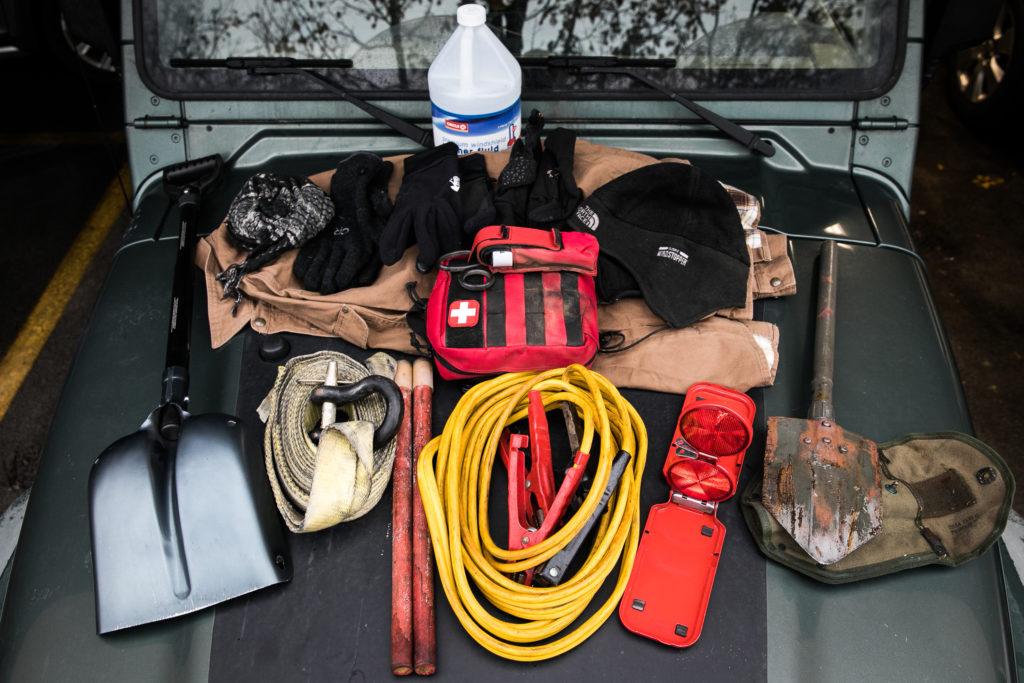
Credit: www.cpr.org
Frequently Asked Questions
What Essential Items Should Be In A Car Emergency Kit?
A car emergency kit must include water, non-perishable snacks, first aid supplies, flashlight, batteries, and basic tools. Adding a blanket, jumper cables, and a tire repair kit enhances preparedness for unexpected situations on the road.
How Often Should I Check My Car Emergency Supplies?
Check your car emergency supplies every six months to ensure everything is functional and not expired. Replace batteries, food, and water regularly to maintain readiness for any roadside emergency or unexpected delay.
Can I Prepare My Car For Winter Emergencies Myself?
Yes, you can prepare your car for winter by adding antifreeze, checking tire tread, and packing warm clothing. Also, carry a shovel, ice scraper, and sand or kitty litter for traction on icy roads.
Why Is A First Aid Kit Important In Car Emergencies?
A first aid kit is vital for treating minor injuries immediately during accidents or breakdowns. It helps prevent infections and stabilizes victims until professional medical help arrives, improving safety in roadside emergencies.
Conclusion
Preparing your car for emergencies saves time and stress. Keep basic tools and supplies within reach. Regularly check your emergency kit for expired items. Practice simple safety steps to stay calm during trouble. Being ready helps you protect yourself and others.
Small actions today make a big difference tomorrow. Start your DIY car emergency kit now. Stay safe on every trip you take.







