
Your family’s safety on the road is something you can’t afford to overlook. Imagine having a car safety kit ready that could protect you during unexpected moments—without spending a fortune.
What if you could build one yourself, tailored exactly to your family’s needs? You’ll discover simple DIY hacks to create a reliable family car safety kit. These easy tips will help you feel confident and prepared every time you hit the road.
Keep reading to learn how to make your car a safer place for everyone you love.

Credit: www.amazon.com
Choosing The Right Container
Picking the right container is key for a family car safety kit. It keeps everything organized and ready to use.
Consider the size and material of the container before you start packing your kit.
Compact Vs. Spacious Options
Compact containers fit well in small spaces like glove compartments. Spacious ones hold more items but need more room.
- Compact containers are easy to store and carry.
- Spacious containers allow more emergency supplies.
- Think about your car space before choosing size.
- Consider your family’s needs for the kit size.
Durability And Waterproof Features
Durable and waterproof containers protect supplies from damage and moisture. This keeps your kit ready for any emergency.
| Feature | Benefit |
|---|---|
| Hard Plastic | Protects against impacts and drops |
| Waterproof Seal | Prevents water from entering the container |
| Rust-Resistant Hinges | Ensures long-lasting use |
| Lightweight Material | Easy to carry and move |
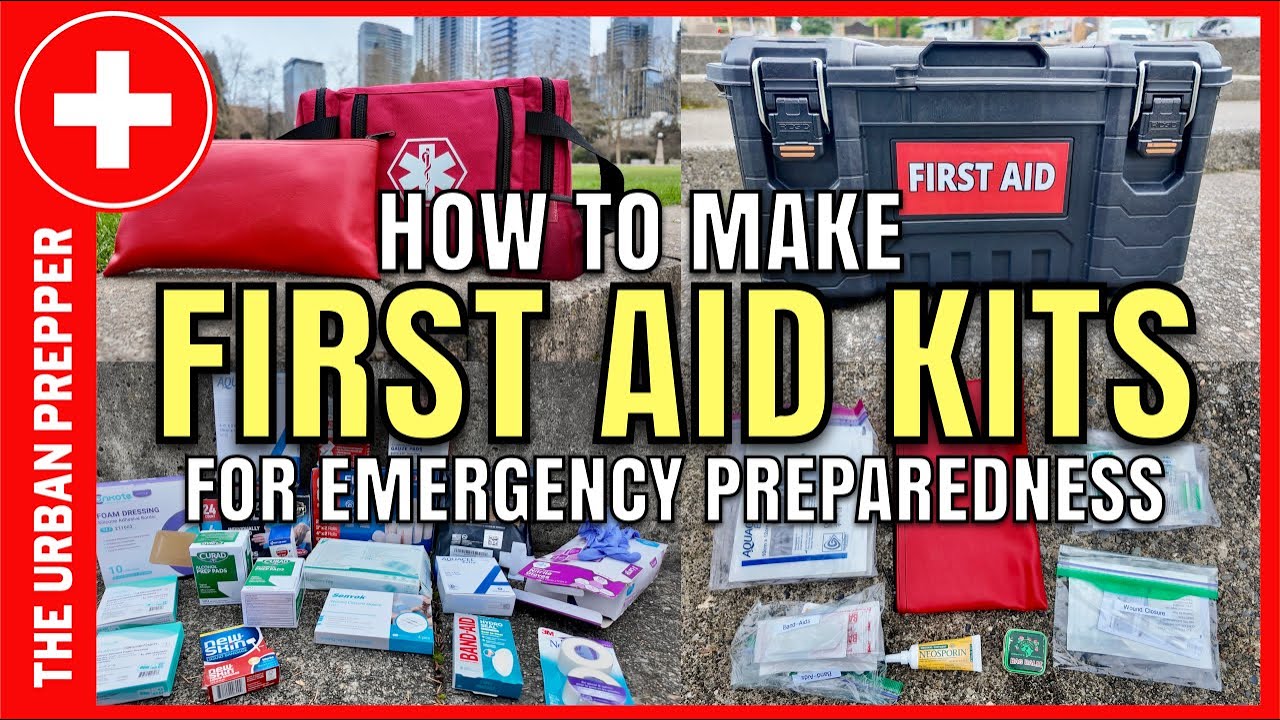
Credit: www.youtube.com
Essential First Aid Supplies
Keeping a first aid kit in your family car helps you act fast during emergencies. Basic medical supplies can treat minor injuries and prevent infections.
Organizing the right tools ensures you are ready for many situations. Choose items that are easy to use and useful for common injuries.
Basic Medical Items To Include
Start with simple supplies that cover cuts, scrapes, and burns. These items help stop bleeding and reduce pain quickly.
- Adhesive bandages of various sizes
- Sterile gauze pads and adhesive tape
- Antiseptic wipes and antibiotic ointment
- Disposable gloves to protect yourself
- Scissors and tweezers for removing debris
- Instant cold packs to reduce swelling
- Pain relievers like acetaminophen or ibuprofen
Specialized Tools For Emergencies
These tools help in more serious cases or when you need to act quickly. Keep them in an easy-to-reach spot in your car.
| Tool | Use |
|---|---|
| CPR face shield | Protects while giving rescue breaths |
| Emergency blanket | Keeps body warm to prevent shock |
| Tourniquet | Stops severe bleeding from limbs |
| Flashlight with extra batteries | Provides light in dark conditions |
| Thermometer | Checks body temperature quickly |
Tools For Vehicle Emergencies
Having the right tools in your family car safety kit is important. These tools help you handle common vehicle problems. You can fix small issues quickly and stay safe on the road.
This guide covers basic tools for tire repair, inflation, jump starting, and battery care. Keep these items ready for emergencies.
Tire Repair And Inflation
A flat tire can cause delays and danger. Carrying simple tire repair tools helps you fix leaks and inflate tires safely.
- Portable tire inflator or air pump
- Tire pressure gauge to check air levels
- Tire repair kit with plugs and patches
- Lug wrench to remove wheel nuts
- Jack to lift the vehicle
- Wheel wedges for safety
Jump Start And Battery Essentials
Car batteries can die unexpectedly. Keep jump start tools and battery care items to get moving again fast.
| Tool | Purpose |
| Jumper cables | Connect battery to jump-start vehicle |
| Portable jump starter | Power vehicle without another car |
| Battery terminal cleaner | Remove corrosion for good connection |
| Gloves and safety glasses | Protect hands and eyes during use |

Credit: www.amazon.com
Food And Hydration Solutions
Keeping food and water in your family car safety kit is smart. It helps during emergencies and long trips.
Choose items that last long and stay fresh without refrigeration. Plan for easy and safe eating.
Non-perishable Snacks
Non-perishable snacks are foods that stay good for months or years. They do not need cold storage.
Pick snacks that provide energy and are easy to eat without cooking.
- Granola bars or energy bars
- Dry nuts and seeds
- Dried fruits like raisins or apricots
- Crackers or rice cakes
- Peanut butter or nut butter packets
- Individual packets of trail mix
Water Storage Tips
Water is essential for safety kits. Store enough water for your whole family.
Use clean, sealable containers made for water. Keep them in a cool, dark place in the car.
- Use BPA-free plastic bottles or jugs
- Store at least one gallon of water per person per day
- Replace water every six months to keep it fresh
- Keep small bottles for easy access while driving
- Consider collapsible water containers to save space
Safety And Visibility Gear
Keeping your family safe in the car is essential. A safety kit ensures you are prepared. This kit should focus on visibility and emergency tools.
Let’s explore key items like reflective gear and flashlights. These help in case of roadside emergencies.
Reflective Items And Flares
Reflective items and flares can save lives. They make your car visible to other drivers at night.
- Reflective vests increase your visibility.
- Roadside flares alert others to your presence.
- Reflective triangles are easy to set up.
Flashlights And Batteries
Flashlights are crucial for nighttime emergencies. Always keep extra batteries handy.
| Item | Quantity |
| Flashlight | 1 |
| Extra Batteries | 2 packs |
| Headlamp | 1 |
Personal Comfort And Warmth
Keeping warm and comfortable in your family car safety kit is important. Cold weather can make any emergency harder to handle.
Simple items can help your family stay cozy and safe during unexpected stops or delays.
Blankets And Clothing Layers
Blankets are a must-have for warmth. Wool or fleece blankets keep heat longer than cotton. Extra clothing layers help trap body heat.
- Pack thermal blankets or space blankets that are lightweight and compact.
- Include hats, gloves, and scarves for full coverage.
- Wear multiple clothing layers to adjust for changing temperatures.
- Store extra socks and insulated jackets in your kit.
Emergency Heat Packs
Heat packs provide quick warmth. They are easy to use and safe for all family members.
| Type of Heat Pack | Use | Duration |
| Disposable Hand Warmers | Hold in hands or pockets | 6 to 10 hours |
| Reusable Gel Packs | Activate by squeezing or snapping | 30 minutes to 1 hour |
| Electric Heat Pads | Use with car power outlet | Until power runs out |
Organizing And Maintaining The Kit
Keeping a family car safety kit organized is important. It ensures you can find items quickly during emergencies.
Regular checks and updates keep your kit effective and ready for any situation.
Regular Checks And Replacements
Items in your safety kit need regular checks. This maintains their functionality and readiness.
- Check expiration dates on first aid supplies.
- Test batteries in flashlights monthly.
- Ensure tools are rust-free and functional.
- Replace bottled water every six months.
Customizing For Family Needs
Each family has unique requirements. Customize your kit to match these needs.
- Infants may need extra diapers and formula.
- Include special medications for family members.
- Consider dietary restrictions in food items.
- Include comfort items like a favorite toy or blanket for children.
Frequently Asked Questions
What Essential Items Belong In A Family Car Safety Kit?
A family car safety kit should include a first aid kit, flashlight, jumper cables, water, non-perishable snacks, and a blanket. These items help handle emergencies like breakdowns, injuries, or bad weather while traveling with family.
How Can Diy Hacks Improve Car Safety Kits?
DIY hacks can customize kits to your family’s needs and save money. For example, repurpose household items like zip ties, duct tape, or empty containers for organizing and securing supplies efficiently.
How Often Should I Update My Family Car Safety Kit?
Update your car safety kit every 6 to 12 months. Check expiration dates on food, batteries, and medications. Replace used or outdated items to ensure the kit remains effective in emergencies.
What Are Simple Diy Hacks For Organizing Safety Kits?
Use labeled ziplock bags or small containers to separate items by category. Attach a checklist inside the kit to track supplies. This keeps your kit neat, accessible, and ready for quick use.
Conclusion
Creating a family car safety kit is smart and simple. Small steps protect your loved ones on the road. Keep basic supplies ready for any emergency. Check and update your kit often. Stay prepared to feel calm during unexpected events.
Safety starts with being ready. Your family deserves this peace of mind. Start building your kit today and drive with confidence.







