
Summer road trips are meant to be fun and relaxing, but nothing ruins the mood faster than your car overheating. If your engine gets too hot, you could be stuck on the side of the road in the blazing sun—stressful and unsafe.
The good news? You can take simple steps to keep your car cool and avoid this common problem. You’ll discover easy, practical tips that help protect your vehicle and keep your trip on track. Keep reading to make sure your summer adventure doesn’t get sidelined by overheating.
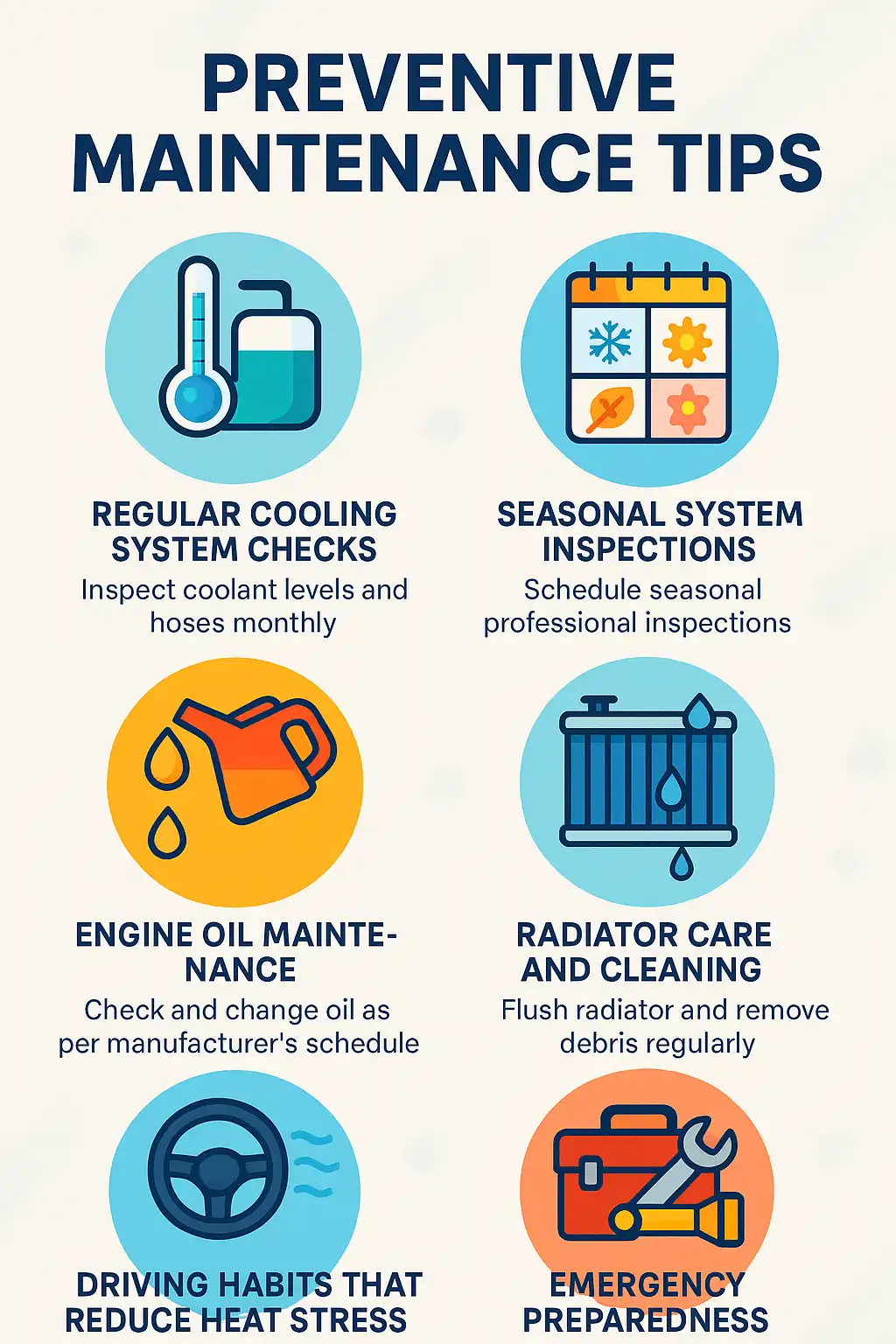
Check Coolant Levels
Checking your car’s coolant levels helps prevent overheating on summer trips. Coolant keeps the engine temperature steady and safe.
Low coolant can cause the engine to run hot and damage parts. Regular checks before trips are important.
Choose The Right Coolant
Using the correct coolant type protects your engine and cooling system. Different cars need different coolants.
- Check your owner’s manual for the recommended coolant type.
- Use a coolant that matches your climate and driving conditions.
- Mix coolant with water if needed, usually in a 50/50 ratio.
- Never use plain water alone; it can cause rust and damage.
Inspect For Leaks
Leaks in the coolant system lower levels and risk overheating. Find leaks early to fix them quickly.
| Leak Area | Signs to Check |
| Radiator | Wet spots or stains under the car |
| Hoses | Cracks, bulges, or dripping fluid |
| Water Pump | Coolant smell or steam near the engine |
| Coolant Reservoir | Low fluid level or cracks in the container |
Credit: brianstireandservice.com
Maintain Radiator Condition
A car radiator keeps the engine cool during hot summer trips. Proper care helps prevent overheating and costly repairs.
Check the radiator regularly and follow simple maintenance steps to keep it working well.
Clean The Radiator
Dirt and debris can block the radiator fins. This stops air from cooling the engine properly.
- Turn off the engine and let it cool completely.
- Use a soft brush or compressed air to remove dirt and bugs.
- Flush the radiator with clean water to clear out old coolant and build-up.
- Check for leaks or damage during cleaning.
Replace Damaged Hoses
Radiator hoses carry coolant between the engine and radiator. Cracks or leaks cause overheating.
| Signs of Damaged Hoses | Actions to Take |
| Cracks or bulges | Replace the hose immediately |
| Coolant leaks | Check hose clamps and tighten or replace |
| Soft or spongy texture | Inspect and change the hose if weak |
| Overheating engine | Check hoses and coolant levels |
Monitor Engine Temperature
Keeping an eye on your car’s engine temperature is crucial during summer trips. Overheating can cause serious damage to your vehicle. Monitoring the engine temperature helps you avoid expensive repairs.
Make sure to regularly check the temperature gauge on your dashboard. It is a simple yet effective way to prevent overheating.
Use A Reliable Gauge
A reliable temperature gauge is essential for accurate readings. It helps you notice any unusual temperature changes quickly. If your gauge is faulty, replace it before hitting the road.
Consider installing an aftermarket gauge. These are often more precise than factory-installed ones. They provide better insight into your engine’s health.
- Check gauge accuracy regularly
- Install an aftermarket gauge if needed
- Ensure the gauge is visible from the driver’s seat
Recognize Warning Signs
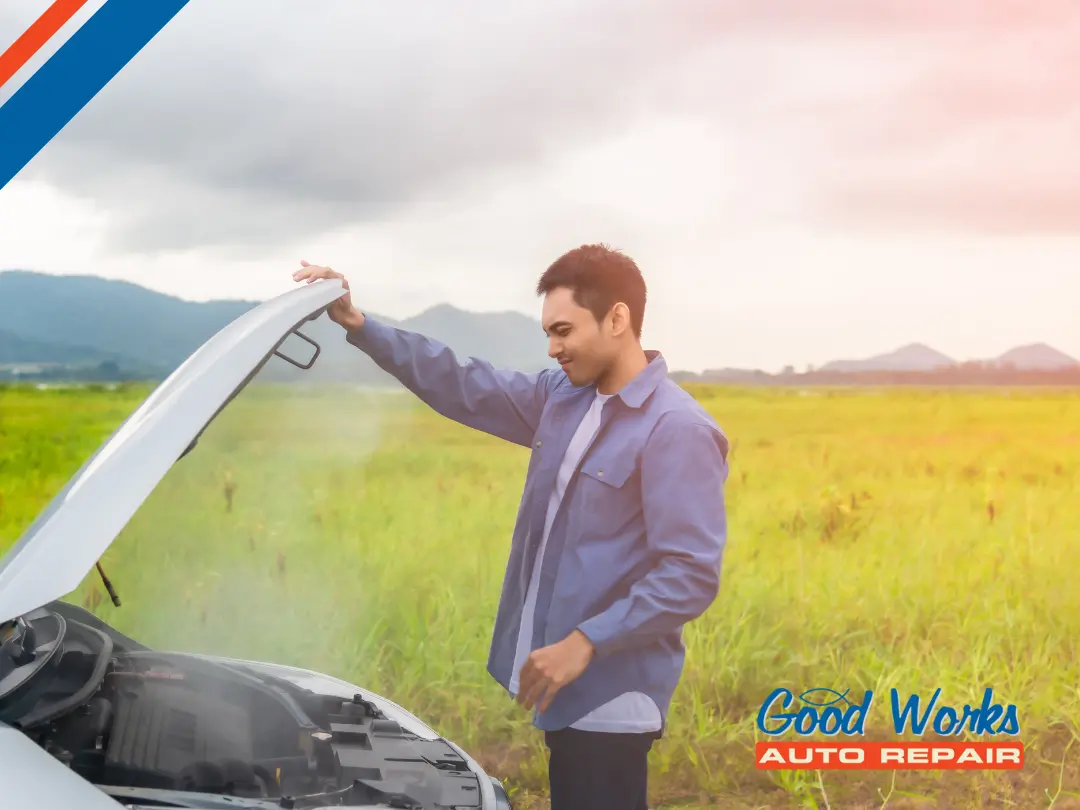
Recognizing warning signs can save your engine from overheating. Pay attention to dashboard indicators. Listen for unusual noises like knocking or hissing.
Watch out for steam coming from under the hood. This is a clear sign of overheating. Pull over immediately if you notice any of these signs.
- Watch for dashboard warning lights
- Listen for strange engine noises
- Look for steam from the hood
Credit: goodworksautorepair.com
Optimize Driving Habits
Keeping your car cool on summer trips is important. Your driving habits can help prevent overheating.
Simple changes in how you drive reduce engine stress and heat. This helps your car run smoothly.
Avoid Idling In Traffic
Idling for a long time makes your engine hot. It wastes fuel and can cause overheating.
Turn off your engine if you stop for more than a minute. This keeps your car cooler and saves gas.
- Switch off the engine at red lights during long waits
- Use air conditioning wisely to avoid extra engine load
- Plan routes to avoid heavy traffic areas
Drive During Cooler Hours
Driving early in the morning or late in the evening helps keep your car cool. The air is cooler then.
Less heat means less risk of your engine overheating. It also lowers stress on your car’s cooling system.
- Avoid driving at midday when the sun is strongest
- Check weather forecasts to pick cooler times
- Plan breaks in shaded or cool areas
Use Sunshades And Ventilation
Summer trips can make your car very hot inside. Using sunshades and good ventilation helps keep it cool. This makes your ride more comfortable and safe.
These tips show how to use sunshades and keep air flowing in your car. They reduce heat build-up and protect the car’s interior.
Install Window Sunshades
Window sunshades block sunlight from entering your car. They stop the inside from heating up too much. You can use different types for front and side windows.
- Use reflective sunshades for the windshield
- Fit mesh sunshades on side windows
- Choose shades that fit your car’s window size
- Remove shades when driving for clear vision
Keep Windows Slightly Open
Leaving your windows a little open helps air move inside the car. This stops hot air from staying trapped and cools the interior faster.
| Window Position | Benefit |
| Closed | Traps heat inside |
| Fully open | Good airflow but less security |
| Slightly open (1-2 inches) | Good airflow and keeps car safe |

Credit: www.schmittchevrolet.com
Check Belt And Fan Operation
Overheating is a common problem on summer car trips. Checking your car’s belt and fan helps prevent this issue. These parts keep your engine cool.
Regular inspections can stop breakdowns. Make sure belts are tight and fans work well before you travel.
Inspect Drive Belts
Drive belts move parts like the water pump and fan. If belts are loose or cracked, the engine can overheat. Check belts for any damage or wear.
Look for cracks, frays, or missing pieces. Press the belt to see if it feels too loose. Tight belts work better to keep the engine cool.
- Check belt tension by pressing it down
- Look for cracks or signs of wear
- Replace belts that are damaged or too loose
Test Cooling Fan
The cooling fan helps lower the engine temperature. It turns on when the engine gets hot. Make sure the fan runs smoothly and starts at the right time.
Turn on your car and let it warm up. Watch if the fan starts when the engine is hot. If it does not, the fan or its motor may need fixing.
- Run engine until it reaches operating temperature
- Check if the cooling fan turns on automatically
- Listen for unusual noises from the fan
- Repair or replace fan if it does not work properly
Plan Rest Stops Strategically
Summer trips can be fun but can lead to car overheating. Planning rest stops helps manage engine temperature.
Make sure to choose places where your car can cool down properly. This helps in preventing overheating and ensures a safe trip.
Park In Shaded Areas
Parking in shaded areas reduces the heat your car absorbs. This keeps the interior cooler and eases the strain on your engine.
- Look for trees or buildings that provide natural shade.
- Use sunshades for windshields if no shade is available.
- Avoid parking on hot asphalt if possible.
Allow Engine To Cool
Giving your engine time to cool down is essential. It prevents the engine from overheating and keeps it running smoothly.
Carry Emergency Supplies
Car overheating can ruin your summer trip. Carrying emergency supplies helps you stay safe. You can fix small problems fast and avoid long waits.
Being prepared means you have what you need to cool your car and do basic repairs. This keeps your trip smooth and stress-free.
Extra Coolant And Water
Always bring extra coolant and water in your car. Coolant helps keep the engine temperature steady. Water can help if coolant runs low.
Check your car’s manual to know which coolant to use. Carry sealed bottles to avoid spills. Replace coolant if you see leaks or overheating signs.
- Use the right coolant type for your car
- Keep at least one gallon of water
- Store supplies in a cool, dry place
- Check levels before starting your trip
Basic Repair Tools
Basic tools let you fix small problems on the road. Having them saves time and money. You can tighten hoses or check belts easily.
Keep a toolkit with pliers, screwdrivers, and wrenches. Also carry a flashlight and gloves for safety. These tools help you handle simple car repairs.
- Pliers and adjustable wrench
- Flathead and Phillips screwdrivers
- Flashlight with extra batteries
- Work gloves for protection
- Rags or cloth for cleaning
Frequently Asked Questions
How Can I Prevent My Car From Overheating On Summer Trips?
Regularly check coolant levels and ensure the radiator is clean. Avoid heavy traffic during peak heat and use your AC wisely to reduce engine strain.
What Are The Signs Of An Overheating Car?
Common signs include a rising temperature gauge, steam from the hood, strange smells, and reduced engine performance. Stop immediately if these occur.
Should I Turn Off The Ac To Prevent Overheating?
Turning off the AC can reduce engine load and help cool your car. Use the AC sparingly, especially in slow traffic or steep climbs.
How Often Should I Check My Car’s Coolant During Summer?
Check coolant levels before and during long trips. Inspect at least once a week during hot months to prevent overheating and engine damage.
Conclusion
Preventing your car from overheating keeps summer trips safe and smooth. Check coolant levels and tire pressure before driving. Keep an eye on the temperature gauge while on the road. Take breaks to let your engine cool down. Avoid driving in heavy traffic during hot hours.
Small steps make a big difference in car care. Stay alert and prepared to avoid heat-related car problems. Enjoy your summer travels without worry or stress.







