
When you’re towing a trailer, your tires are doing more work than ever. But did you know that using the correct tire load is crucial for your safety and your vehicle’s performance?
If your tires aren’t up to the task, you could face serious problems like blowouts, poor handling, or even accidents. Understanding the importance of the right tire load helps you protect yourself, your passengers, and your cargo. Keep reading to discover why your tires matter so much when towing and how to make sure they’re ready for the job.
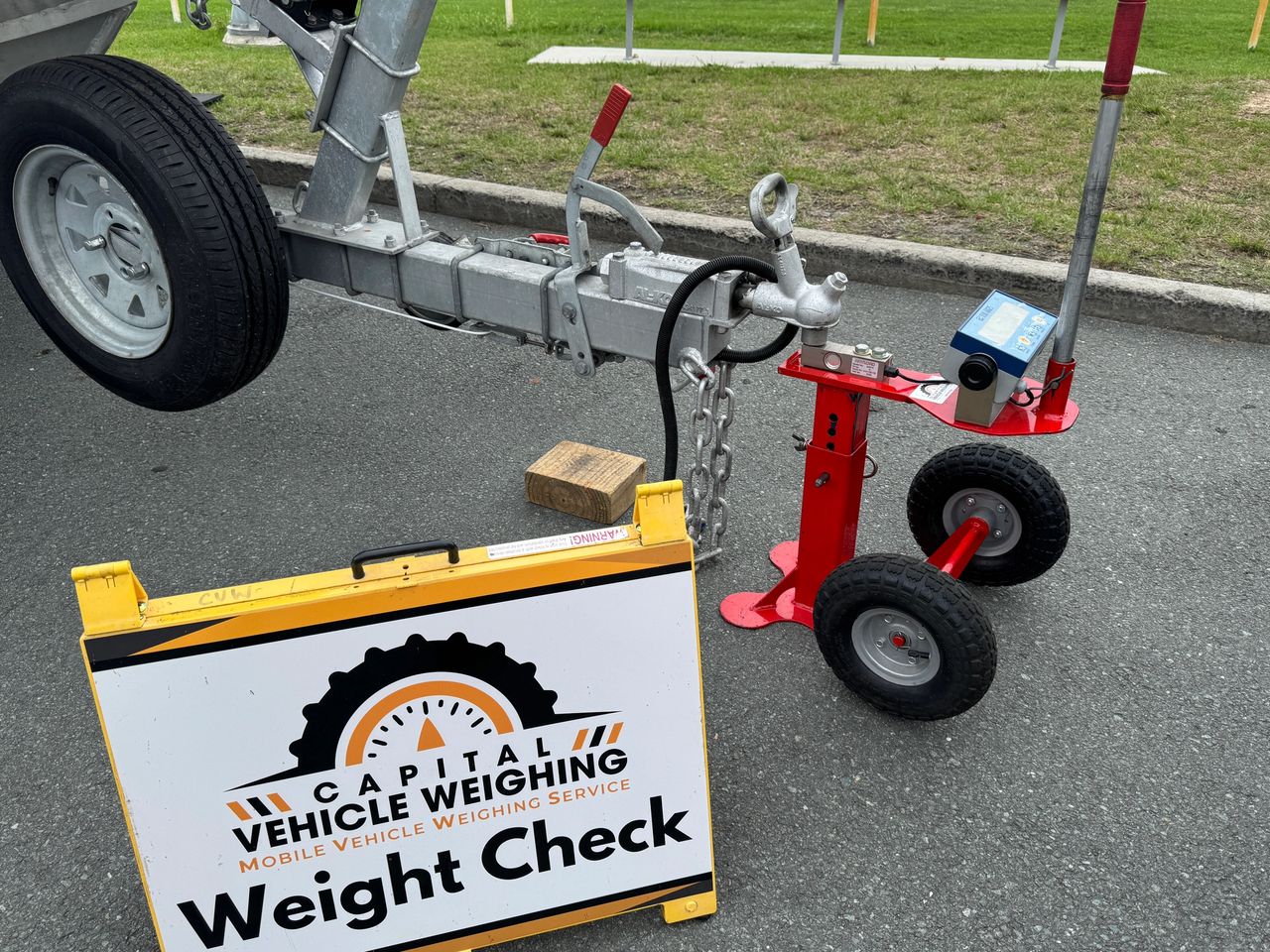
Credit: capitalvehicleweighing.com.au
Tire Load Basics
Tires carry the weight of your vehicle and any load it pulls. Using the right tire load is very important for safe towing.
Incorrect tire load can cause tire damage or accidents. Understanding tire load helps keep your trip safe.
Tire Load Ratings
Tire load ratings tell you how much weight a tire can hold. This rating is on the tire sidewall as a number and letters.
Check the tire load rating before towing. Tires with low ratings may fail under heavy loads.
- Tire load rating is measured in pounds or kilograms
- Higher ratings mean the tire can carry more weight
- Use tires with ratings that match or exceed your towing needs
Load Index Explained
The load index is a number on the tire sidewall. It shows the maximum weight each tire can carry.
Each load index number matches a specific weight in pounds or kilos. Knowing this helps you pick the right tires.
| Load Index | Maximum Load (lbs) | Maximum Load (kg) |
|---|---|---|
| 85 | 1,135 | 515 |
| 90 | 1,323 | 600 |
| 95 | 1,521 | 690 |
| 100 | 1,764 | 800 |
| 105 | 1,919 | 875 |
Impact On Towing Safety
Correct tire load is critical for safe towing. Tires must carry the right weight to avoid accidents.
Overloading tires can cause failures. This affects how your vehicle handles and brakes.
Preventing Tire Blowouts
Tires that carry too much weight heat up faster. This can cause a blowout, which is dangerous at high speeds.
- Check your tire load rating before towing.
- Do not exceed the maximum tire load.
- Maintain proper tire pressure for the load.
- Inspect tires regularly for damage or wear.
- Replace old or damaged tires promptly.
Maintaining Vehicle Stability
Correct tire load helps keep your vehicle stable. It prevents swaying and loss of control while towing.
| Effect | Proper Tire Load | Excess Tire Load |
| Vehicle Stability | Stable and balanced | Unstable, swaying |
| Steering Control | Responsive and smooth | Heavy and sluggish |
| Braking Performance | Effective and safe | Reduced and risky |
| Tire Wear | Even and slow | Uneven and fast |
Effects On Performance
Using the correct tire load when towing is very important. It affects how well your vehicle performs on the road.
Choosing the right tire load helps keep your trip safe and smooth. It also protects your tires and vehicle parts.
Fuel Efficiency
Tires with the wrong load can lower fuel efficiency. Overloaded tires increase rolling resistance. This makes the engine work harder and use more fuel.
- Correct load tires reduce fuel consumption.
- Proper tire pressure helps maintain good fuel economy.
- Overloaded tires cause the vehicle to burn more fuel.
Handling And Braking
Correct tire load helps maintain good handling and braking. Overloaded tires can cause poor control and longer stopping distances.
| Effect | Correct Load | Overloaded Tire |
|---|---|---|
| Handling | Stable and responsive | Unstable and unsafe |
| Braking Distance | Short and controlled | Longer and risky |
| Tire Wear | Even and slow | Uneven and fast |
Choosing The Right Tires
Choosing the right tires is important for safe towing. Tires must handle the weight of the trailer and the load.
Using tires not made for towing can cause tire failure and accidents.
Matching Tire Load To Trailer Weight
Check the tire load rating before towing. It shows how much weight the tire can carry safely.
Make sure the combined load of the trailer and cargo does not exceed the tire’s load rating.
- Find the load rating on the tire sidewall
- Add the weight of your trailer and cargo
- Compare total weight to tire load rating
- Choose tires with a load rating above total weight
Upgrading Tires For Heavy Loads
For heavy towing, upgrade to tires with higher load ratings. This helps prevent tire damage.
Heavy-duty tires often have stronger sidewalls and better heat resistance for long trips.
- Look for tires labeled “LT” (Light Truck) for towing
- Check the tire’s maximum load and speed rating
- Consider tires designed specifically for trailers
- Replace old or worn tires before towing heavy loads
Maintenance Tips For Towing Tires
Proper tire care is important for safe towing. Tires carry heavy loads and need extra attention.
Regular checks help prevent accidents and extend tire life. Follow these simple tips to keep your tires in good shape.
Regular Pressure Checks
Check tire pressure before every trip. Correct pressure supports load capacity and improves handling.
- Use a reliable pressure gauge
- Check tires when they are cold
- Inflate tires to the manufacturer’s recommended PSI
- Adjust pressure if carrying extra weight
- Inspect the spare tire as well
Inspecting For Wear And Damage
Look closely at tires for signs of damage. Worn tires can cause blowouts and loss of control.
| Type of Damage | What to Check | Action Needed |
| Tread Wear | Depth below 2/32 inch | Replace tire |
| Cracks | Sidewall cracks or cuts | Inspect and possibly replace |
| Bulges | Any bulging areas | Replace immediately |
| Foreign Objects | Nails or sharp items | Remove and repair |
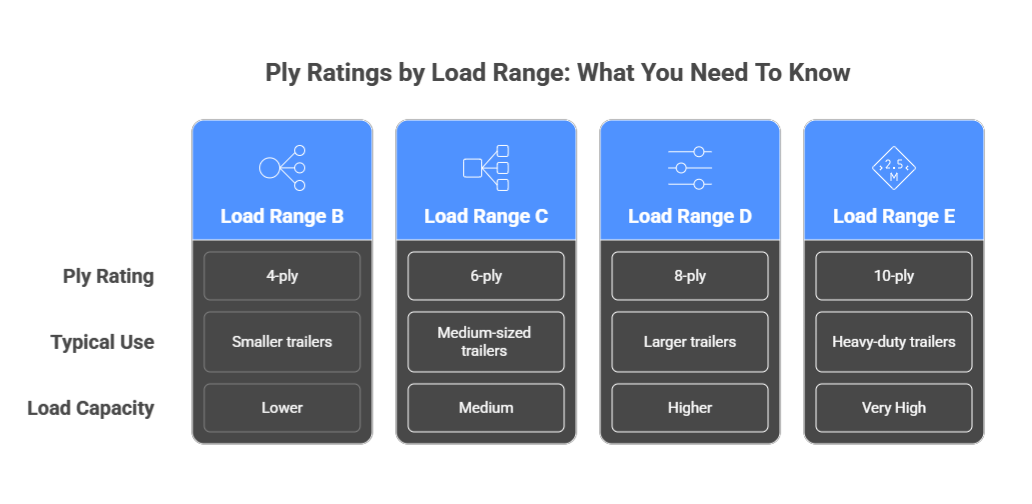
Credit: www.tires-easy.com
Legal And Manufacturer Guidelines
Understanding the correct tire load for towing is essential. It ensures safety and compliance with laws.
Both legal regulations and manufacturer guidelines provide important information. Following these helps prevent accidents.
Following Load Recommendations
Manufacturers specify load limits for a reason. They ensure the vehicle handles safely while towing.
- Check your vehicle’s manual for tire load ratings.
- Use tires that match the manufacturer’s specifications.
- Ensure the load does not exceed the tire’s capacity.
Avoiding Liability Issues
Ignoring tire load limits can lead to serious legal consequences. It is important to stay within the specified limits.
| Factor | Consideration |
| Load Limit | Specified in tire and vehicle manual |
| Insurance | May not cover overloaded vehicles |
| Safety | Ensures stable handling and braking |

Credit: princetires.ca
Frequently Asked Questions
What Is Tire Load And Why Is It Important For Towing?
Tire load is the maximum weight a tire can safely carry. Correct tire load ensures stability and prevents tire damage while towing. It protects your vehicle and trailer from accidents caused by tire failure. Always match tire load rating to your towing needs for safety.
How Does Incorrect Tire Load Affect Towing Safety?
Using tires with incorrect load capacity risks blowouts and poor handling. Overloaded tires can overheat and fail suddenly. This endangers you and others on the road. Proper tire load prevents accidents and improves control during towing.
Can Tire Load Impact Fuel Efficiency When Towing?
Yes, tires with the correct load rating reduce rolling resistance. This improves fuel economy while towing heavy loads. Overloaded tires increase drag and fuel consumption. Proper tire load helps maintain better mileage and saves costs.
How To Check If Your Tires Have The Right Load Rating?
Check the tire sidewall for the load index number. Compare it with your vehicle’s towing requirements in the owner’s manual. Never exceed the tire’s load capacity. Regularly inspect tires for wear and damage before towing.
Conclusion
Correct tire load keeps your towing safe and steady. Tires carry the trailer’s weight and your vehicle’s load. Too much weight can cause tire failure or accidents. Proper tire load improves fuel efficiency and tire life. Check tire ratings before towing any heavy load.
Regularly inspect tires for wear and pressure. Safe towing starts with the right tire load. Protect yourself, your vehicle, and others on the road. Don’t ignore tire limits—they matter more than you think. Towing safely means checking tires every time.
Simple steps make a big difference on your trip.







