
Choosing the right tires for your vehicle can feel overwhelming. But what if you could pick tires that save you money, help the environment, and improve your driving experience all at once?
That’s exactly what eco friendly low rolling resistance tires offer. You’ll discover simple, clear steps to find the perfect tires that reduce fuel consumption and lower your carbon footprint. Keep reading, and you’ll learn how to make a smart choice that benefits both you and the planet.
Benefits Of Eco Friendly Tires
Eco friendly tires help protect the environment by reducing pollution. They use materials and designs that lower harmful emissions.
Choosing these tires also saves money and improves vehicle performance. Here are some key benefits to consider.
Reduced Carbon Footprint
Eco friendly tires produce less carbon dioxide during use. They are made with materials that lower greenhouse gas emissions.
- Use of sustainable materials
- Lower emissions in manufacturing
- Improved tire recycling options
Improved Fuel Efficiency
These tires reduce rolling resistance. This means your vehicle needs less fuel to move.
| Benefit | Effect on Fuel |
| Low Rolling Resistance | Uses less fuel |
| Optimized Tread Design | Improves grip and saves fuel |
| Lightweight Materials | Reduces vehicle weight |
Longer Tire Lifespan
Eco friendly tires last longer than regular tires. They resist wear and tear better.
Key features that extend tire life include:
- Durable rubber compounds
- Advanced tread patterns
- Improved heat resistance
What Are Low Rolling Resistance Tires
Low rolling resistance tires help reduce the energy a vehicle needs to move. They are designed to roll more easily on the road.
These tires save fuel and lower carbon emissions. Many people choose them to protect the environment.
Key Features
Low rolling resistance tires have special tread patterns and rubber compounds. These features reduce friction between the tire and the road.
- Use harder rubber to reduce heat build-up
- Have shallower tread depth for less grip loss
- Include optimized sidewalls for less flexing
- Designed to maintain safety and durability
Impact On Vehicle Performance
Low rolling resistance tires improve fuel efficiency. They make the engine work less to move the car forward.
| Performance Aspect | Effect of Low Rolling Resistance Tires |
| Fuel Economy | Increases by reducing energy loss |
| Handling | May slightly reduce grip in sharp turns |
| Braking | Generally safe but can increase stopping distance |
| Ride Comfort | Often improved due to better sidewall design |
Materials Used In Eco Friendly Tires
Eco friendly tires use special materials that reduce harm to the environment. These materials also help tires roll easier on the road.
Choosing the right materials helps save energy and lowers emissions while driving. Let’s look at the main materials used in these tires.
Sustainable Rubber Sources
Sustainable rubber comes from trees grown without harming forests. These trees are cared for to keep the soil and wildlife safe.
This rubber is natural and breaks down faster after the tire is no longer used. It helps reduce waste and pollution.
Recycled Components
Recycled parts in tires come from old tires or other rubber products. Using recycled materials saves resources and cuts down on landfill waste.
These components keep the tire strong while lowering the need for new raw materials.
- Recycled rubber from old tires
- Recycled steel for tire belts
- Recycled fabric for tire layers
Innovative Eco Materials
New materials like bio-based oils and silica improve tire performance and reduce environmental impact. These materials replace harmful chemicals.
They help tires roll smoothly and last longer, which saves fuel and cuts emissions.
- Bio-based oils from plants
- Silica made from sand
- Natural fibers as reinforcements
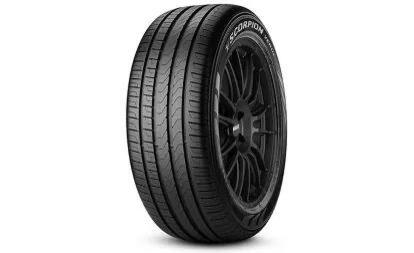
Credit: www.newsbreak.com
How To Identify Low Rolling Resistance Tires
Low rolling resistance tires help save fuel and reduce emissions. They make driving more eco-friendly.
Knowing how to find these tires is important for your car and the planet.
Reading Tire Labels
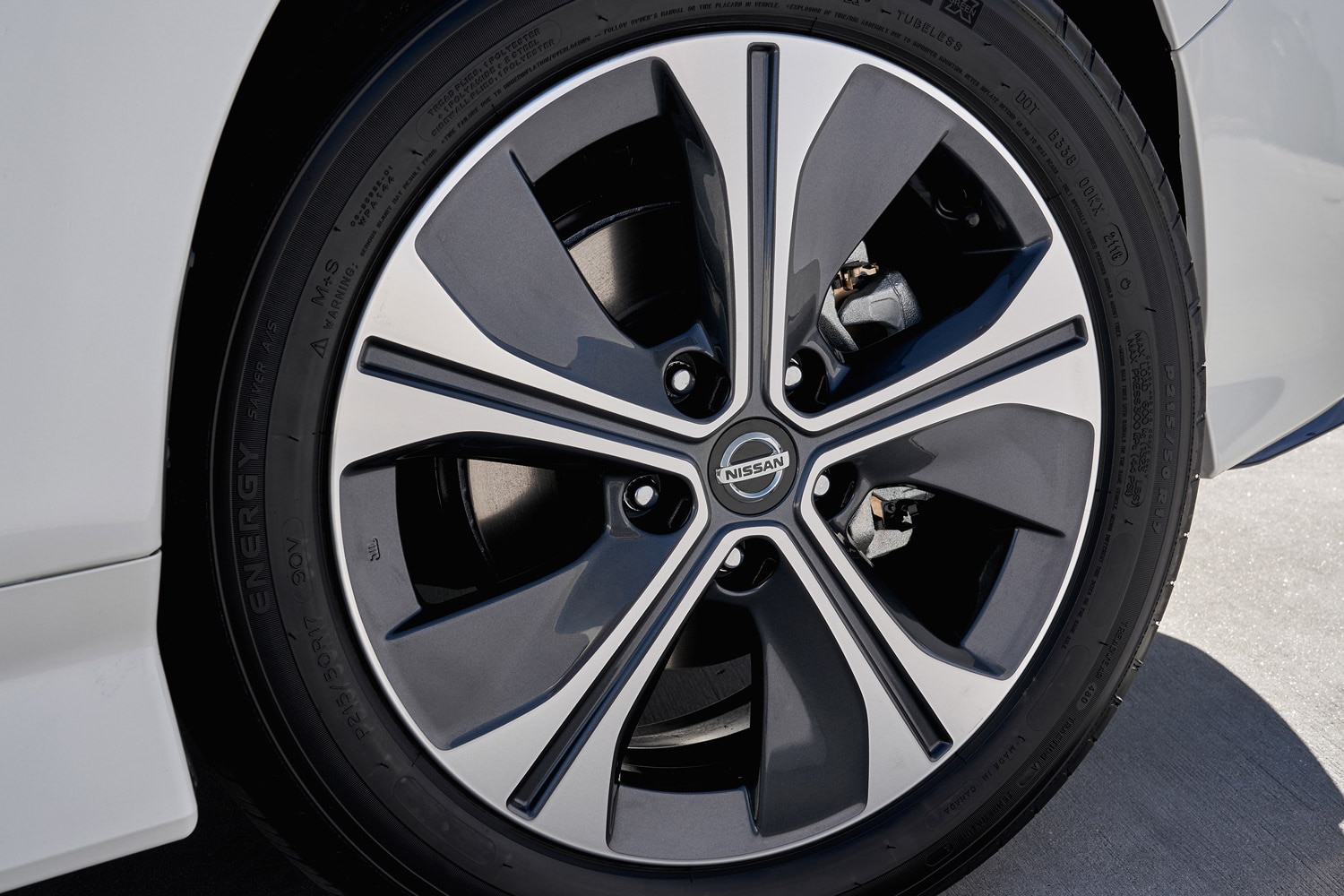
Tire labels give key details about performance and efficiency. Look for the fuel economy rating on the sidewall.
- Check the tire’s rolling resistance grade. It is often marked as “Low Rolling Resistance” or “LRR.”
- Look for symbols or marks that show the tire saves fuel.
- Read the tire size and type to match your vehicle’s needs.
Understanding Tire Ratings
Tire ratings show how well a tire performs in different areas. Rolling resistance is one important rating.
| Rating | What It Means |
| Rolling Resistance | Lower values mean less energy loss and better fuel economy |
| Traction | Shows how well the tire grips the road, especially when wet |
| Treadwear | Indicates how long the tire will last before wearing out |
Common Certifications
Certifications prove a tire meets eco-friendly and safety standards. Look for these marks on the tire or packaging.
- Energy Label: Shows fuel efficiency and environmental impact
- Eco Mark: Certified for low rolling resistance by trusted organizations
- DOT Symbol: Meets safety and quality standards by the Department of Transportation
Factors To Consider When Choosing Tires
Choosing eco friendly low rolling resistance tires helps reduce fuel use. It also lowers your carbon footprint. Picking the right tire is important for safety and savings.
Consider key factors like size, driving needs, and budget. These will guide your choice for the best tire match.
Tire Size And Compatibility
Check your vehicle’s manual for the right tire size. Using the wrong size affects handling and fuel efficiency. Make sure new tires fit your rims and wheel wells.
Choose tires that match your vehicle’s load and speed rating. This keeps your ride safe and smooth.
Driving Conditions
Think about the roads and weather you face daily. Different tires work better on dry, wet, or snowy roads. Low rolling resistance tires come in types for city, highway, or off-road use.
- City driving needs tires with good grip and comfort.
- Highway driving favors tires built for fuel saving and long wear.
- Off-road or rough roads require tough tires with extra traction.
Budget And Cost Efficiency
| Budget Range | What to Expect | Long-Term Benefits |
| Low | Basic eco tires, shorter lifespan | Lower upfront cost, higher replacement rate |
| Medium | Balanced cost and durability | Good fuel savings and moderate wear |
| High | Premium eco tires, longer life | Best fuel efficiency and durability |
Choose tires that fit your budget but also save fuel. Consider how long tires last and the money you save on gas. Sometimes spending more now saves money later.
Credit: www.capitalone.com
Top Brands Offering Eco Friendly Tires
Eco friendly tires help reduce fuel consumption and emissions. They are designed with low rolling resistance for better efficiency.
Choosing the right brand can ensure quality and performance. Here are top manufacturers and their popular eco tire models.
Leading Manufacturers
Several tire manufacturers focus on eco friendly technology. They offer a range of tires with low rolling resistance.
- Michelin
- Bridgestone
- Continental
- Goodyear
- Pirelli
Popular Eco Tire Models
These models are known for their eco friendly features. They provide excellent fuel efficiency and road performance.
| Brand | Model |
| Michelin | Energy Saver |
| Bridgestone | Ecopia |
| Continental | EcoContact |
| Goodyear | EfficientGrip |
| Pirelli | Cinturato |
Maintaining Tires For Optimal Eco Performance
Eco friendly low rolling resistance tires help save fuel. Proper tire maintenance ensures they work efficiently. Keep your tires in top shape for better eco performance.
Follow these simple tips to maintain your tires. This will make them last longer and save the environment.
Proper Inflation
Keep your tires properly inflated. Check the tire pressure regularly. Under-inflated tires increase fuel consumption.
Use a reliable tire gauge. Inflate tires to the recommended pressure level. Find this information in your car manual.
Regular Rotation And Alignment
Rotate your tires regularly. This helps them wear evenly. Uneven wear reduces tire life and efficiency.
Alignment checks are also important. Misaligned tires cause uneven wear. This affects your car’s fuel efficiency.
- Rotate tires every 5,000 to 8,000 miles
- Check alignment twice a year
- Consult your car manual for specific guidance
Monitoring Tire Wear
Check your tires for signs of wear. Look for tread depth and any visible damage. Worn-out tires decrease performance.
Use a tread depth gauge to measure. Replace tires when needed. This ensures safety and efficiency.
- Inspect tires monthly for cuts or punctures
- Replace tires with less than 2/32 inch tread depth
- Consider eco-friendly options when buying new tires
Credit: www.autoguide.com
Frequently Asked Questions
What Are Eco Friendly Low Rolling Resistance Tires?
Eco friendly low rolling resistance tires reduce energy loss while driving. They improve fuel efficiency and lower carbon emissions. Made from sustainable materials, they minimize environmental impact. These tires help save money and protect the planet simultaneously.
How Do Low Rolling Resistance Tires Save Fuel?
Low rolling resistance tires reduce friction between the tire and road. This means the engine uses less power to move the vehicle. Less energy consumption directly translates to improved fuel economy and lower greenhouse gas emissions.
Are Eco Friendly Tires Durable And Safe?
Yes, eco friendly tires meet strict safety and durability standards. Advanced materials ensure strong performance and long tread life. They provide reliable grip, handling, and braking, comparable to traditional tires.
Can I Use Eco Friendly Tires On All Vehicles?
Eco friendly low rolling resistance tires are available for most vehicle types. From passenger cars to SUVs, options exist to fit various sizes and driving needs. Always check manufacturer recommendations before purchasing.
Conclusion
Choosing eco-friendly low rolling resistance tires helps save fuel and reduce pollution. These tires last longer and improve your car’s performance. Check tire labels and materials before buying. Pick tires that fit your driving style and road conditions. Small changes make a big difference for the planet.
Drive smart, save money, and protect the environment. Your choice matters every time you hit the road.







