
When things fall apart, it’s easy to feel overwhelmed and lose control. But what if you could stay calm, clear-headed, and focused even during your toughest moments?
Imagine handling breakdowns without panic, making better decisions, and bouncing back faster. You’ll discover simple, practical tips that help you keep your cool when everything seems to be going wrong. Keep reading—you’ll learn how to turn chaos into calm and regain control of your emotions right when you need it most.
Recognize Your Triggers
Breakdowns can happen when stress builds up inside. Knowing what causes your stress helps you stay calm.
Recognizing your triggers lets you prepare and handle tough moments better.
Common Causes Of Breakdowns
Many things can cause a breakdown. These are often related to daily life pressures and challenges.
Some common causes include work stress, family problems, and health worries.
- Feeling overwhelmed at work or school
- Conflicts with friends or family
- Financial problems or money worries
- Lack of sleep or poor health
- Major life changes or losses
Personal Stress Signals
Your body and mind show signs when stress is rising. Learning these signals helps you act early.
Signs can be physical, emotional, or behavioral changes you notice in yourself.
- Feeling tense or shaky
- Rapid heartbeat or breathing
- Feeling sad, angry, or irritable
- Having trouble focusing or making decisions
- Wanting to avoid people or activities
Breathing Techniques
Staying calm during a breakdown can be hard. Breathing techniques help slow your mind and body.
These techniques are simple to learn and use anytime you feel stressed or upset.
Deep Breathing Exercises
Deep breathing helps lower stress by filling your lungs fully. It sends a message to your brain to relax.
Try to breathe in slowly through your nose, hold, then breathe out through your mouth.
- Breathe in deeply for 4 seconds
- Hold your breath for 4 seconds
- Exhale slowly for 6 seconds
- Repeat this 5 times
Box Breathing Method
Box breathing is a simple way to calm your mind. It uses equal counts for breathing in, holding, breathing out, and holding again.
- Breathe in for 4 seconds
- Hold your breath for 4 seconds
- Breathe out for 4 seconds
- Hold your breath for 4 seconds
- Repeat this cycle 4-5 times
This method helps you focus on your breath and distracts from stress or panic.
Mindfulness Practices
Staying calm during breakdowns can be hard. Mindfulness helps you focus on the present moment. It can reduce stress and bring peace.
Practicing mindfulness regularly builds your ability to stay calm. Here are some helpful practices to try.
Grounding Techniques
Grounding helps you connect with the here and now. It stops your mind from racing during tough moments.
Simple grounding techniques can calm your nerves quickly. They bring your attention to your body and surroundings.
- Notice five things you can see around you.
- Touch four objects and focus on their texture.
- Listen for three sounds nearby.
- Identify two smells or tastes.
- Take one deep breath and feel your body relax.
Body Scan Meditation
Body scan meditation helps you notice tension in your body. It teaches you to relax muscles one part at a time.
Doing a body scan can ease anxiety and bring calm. It takes just a few minutes and can be done anywhere.
- Find a quiet place and sit or lie down comfortably.
- Close your eyes and take a few deep breaths.
- Focus on your toes and notice any feelings.
- Slowly move your attention up through your body.
- Notice your legs, stomach, chest, arms, and head.
- Relax each part as you focus on it.
- Finish by taking a deep breath and opening your eyes slowly.
Physical Activities
Physical activities help calm your mind during stressful moments. Moving your body can lower tension and clear your thoughts.
Simple exercises like stretching and walking are easy ways to reduce stress. You can do them anytime, anywhere.
Simple Stretching
Stretching loosens tight muscles and improves blood flow. This can help you feel more relaxed quickly.
- Reach your arms overhead and hold for 10 seconds.
- Stretch your neck by tilting your head side to side.
- Bend forward slowly to touch your toes.
- Roll your shoulders in circles to ease tension.
- Stretch your legs by pulling your foot toward your buttock.
Walking For Stress Relief
Walking helps clear your mind and lowers stress hormones. A short walk can change your mood for the better.
| Benefit | Description |
| Improves Mood | Walking releases natural chemicals that make you feel good. |
| Boosts Energy | It increases blood flow and oxygen to your brain. |
| Reduces Anxiety | Moving your body helps reduce feelings of worry. |
| Enhances Focus | Walks help clear distracting thoughts and improve concentration. |
Positive Self-talk
Staying calm during breakdowns can be hard. Positive self-talk helps you feel better. It changes your mind to focus on good things.
Using kind words with yourself lowers stress. It builds strength to face problems calmly and clearly.
Affirmations To Stay Calm
Say short, positive statements to yourself. These affirmations remind you that you can handle tough moments. Repeat them often to feel calm.
- I am safe and in control.
- This feeling will pass soon.
- I breathe deeply and relax my body.
- I can handle whatever comes my way.
- Peace is growing inside me.
Reframing Negative Thoughts
Change negative thoughts into positive ones. Look at problems from a new view. This helps reduce stress and calm your mind.
| Negative Thought | Reframed Positive Thought |
| I can’t handle this. | I will try my best and learn. |
| This is too hard. | Challenges help me grow stronger. |
| I am overwhelmed. | I take one step at a time. |
| Nothing will get better. | Good changes will come with time. |
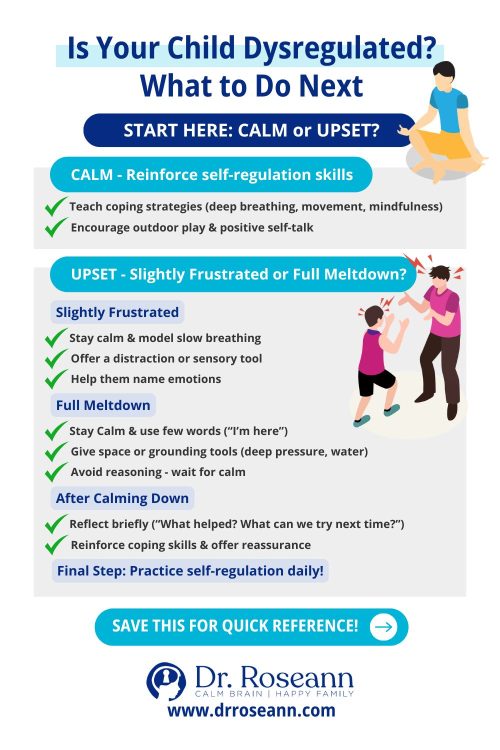
Credit: drroseann.com
Create A Calm Space
Staying calm during breakdowns is important for your well-being. One way to achieve this is by creating a calm space in your environment.
A calm space can help you relax and reduce stress. It is your personal retreat where you can find peace.
Organizing Your Environment
An organized space can make you feel more at ease. Clutter can lead to stress, so it is best to keep your area tidy.
- Keep surfaces clear of unnecessary items
- Arrange furniture for open movement
- Use storage boxes to hide clutter
Using Soothing Scents And Sounds
Scents and sounds can greatly influence your mood. Choose those that help you feel calm and relaxed.
| Scents | Effects |
| Lavender | Calming |
| Vanilla | Soothing |
| Citrus | Refreshing |
Soft music or nature sounds can also help create a peaceful atmosphere. Try different combinations to see what works best for you.
Seek Support
Feeling overwhelmed during breakdowns is normal. Seeking support can help you stay calm.
There are many ways to find support. Talking to trusted people and seeking professional help are two good options.
Talking To Trusted People
Friends and family can be great listeners. Sharing your feelings with them can make you feel better.
They can offer advice or simply be there for you. Choose people who make you feel safe and understood.
- Talk to a close friend who understands you
- Share with a family member you trust
- Seek advice from someone who has been through similar situations
Professional Help Options
Sometimes, talking to a professional can be helpful. Therapists and counselors are trained to support you.
They can provide strategies to manage stress and emotions. You can find professionals online or in your local area.
- Find a therapist who suits your needs
- Consider online counseling services
- Join support groups for shared experiences
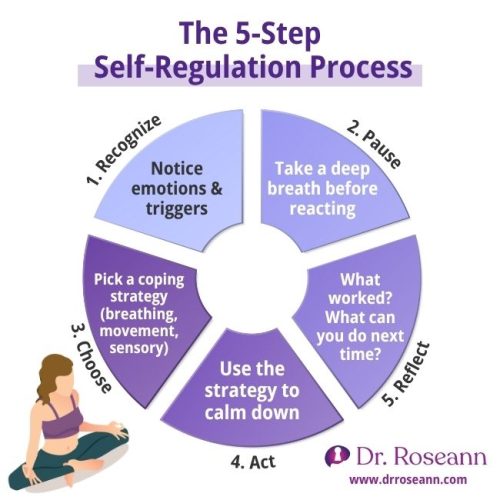
Credit: drroseann.com
Develop A Routine
Having a daily routine helps you stay calm during tough times. It creates a sense of control and predictability.
When life feels hard, a routine keeps your mind steady. It guides you through each day without stress.
Daily Stress Management
Managing stress every day lowers the chance of breakdowns. Small habits reduce pressure and keep you balanced.
Simple actions like planning your day and taking breaks can calm your mind. Routine helps you handle stress better.
- Write a to-do list each morning
- Take short breaks during work or study
- Eat healthy meals at regular times
- Get enough sleep every night
- Talk to someone you trust if stressed
Regular Relaxation Practices
Relaxation helps your body and mind recharge daily. Adding calm activities to your routine eases tension.
Try to spend time each day doing things that relax you. This keeps anxiety low and your mood steady.
- Practice deep breathing exercises
- Try meditation or mindfulness
- Take a quiet walk outside
- Listen to calming music
- Spend time on a hobby you enjoy
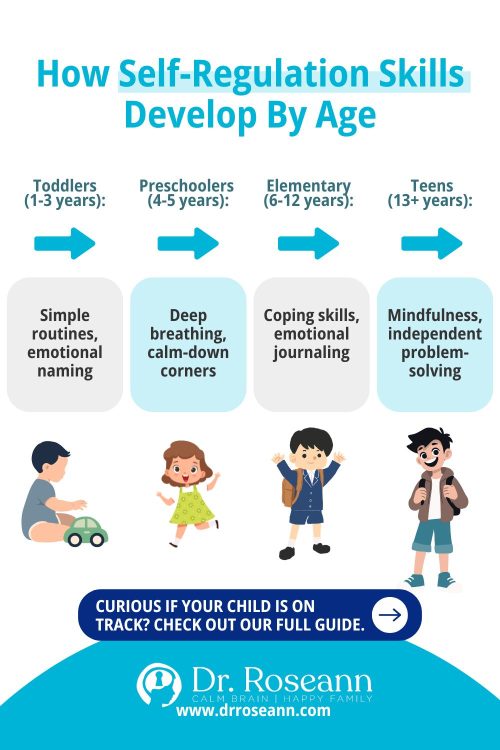
Credit: drroseann.com
Frequently Asked Questions
How Can Deep Breathing Help During Breakdowns?
Deep breathing calms the nervous system and reduces stress hormones. It slows your heart rate and clears your mind. Practicing deep breaths during breakdowns helps regain control and stay focused. This simple technique improves emotional stability and promotes relaxation quickly.
What Are Quick Techniques To Stay Calm Fast?
Quick techniques include deep breathing, grounding exercises, and positive self-talk. These methods distract your mind and ease anxiety. Physical actions like squeezing a stress ball or stepping outside can also help. Using these tools regularly builds resilience against emotional overwhelm.
Why Is Mindfulness Important In Emotional Breakdowns?
Mindfulness keeps you aware of your feelings without judgment. It helps you accept emotions rather than fight them. This awareness reduces panic and prevents reactions based on fear. Practicing mindfulness daily improves emotional regulation and promotes calmness during crises.
How Does Physical Activity Reduce Stress During Breakdowns?
Physical activity releases endorphins, natural mood boosters. It helps clear your mind and lowers cortisol, the stress hormone. Even a short walk or stretch can reduce tension. Regular exercise strengthens your ability to manage emotional stress effectively.
Conclusion
Staying calm during breakdowns takes practice and patience. Small steps make a big difference. Focus on your breathing and stay present. Remember to take breaks and clear your mind. Talking to someone can help lighten your feelings. Keep these tips close for tough moments.
Calmness is a skill anyone can learn. You control how you respond to stress. Each effort brings you closer to peace. Stay gentle with yourself and keep trying.







