
Have you ever faced the stress of a stuck vehicle and wondered how to get it moving safely? Using tow straps might seem simple, but if you don’t do it right, you could cause serious damage or even risk your safety.
You’ll learn exactly how to use tow straps properly—step by step. By the time you finish reading, you’ll feel confident and ready to handle tough situations without panic. Keep reading, because knowing this could save your vehicle, your wallet, and maybe even your life.
Choosing The Right Tow Strap
Using a tow strap safely starts with picking the right one. A good strap fits the vehicle and task.
Choosing the correct tow strap helps prevent damage and keeps everyone safe during towing.
Types Of Tow Straps
Tow straps come in different types. Each type suits different vehicles and towing needs.
- Flat Straps:Made of woven nylon or polyester. They are flexible and easy to store.
- Round Straps:Strong and durable, wrapped in a protective cover to prevent damage.
- Chain Straps:Heavy and very strong, used for heavy-duty towing but can damage vehicles.
- Recovery Straps:Stretchy straps designed to pull stuck vehicles gently.
Material And Strength Ratings
Tow straps are made from materials like nylon, polyester, or chain. Material affects strength and stretch.
Check the strength rating or working load limit (WLL). It shows how much weight the strap can handle safely.
- Nylon:Strong and elastic, good for shock absorption.
- Polyester:Less stretch, good for steady pulls.
- Chain:Very strong but heavy and can scratch surfaces.
- Always use a strap with a WLL higher than your vehicle’s weight.
Length And Width Considerations
Tow straps come in different lengths and widths. Both affect how safe and effective the strap is.
Longer straps give more distance between vehicles. Wider straps spread the load better and are stronger.
- Common lengths: 15, 20, or 30 feet. Choose based on vehicle size and space needed.
- Widths usually range from 1 to 3 inches. Wider straps hold more weight.
- Use a longer and wider strap for heavy vehicles or rough terrain.
Preparing For Towing
Using a tow strap safely starts with good preparation. Check everything carefully to avoid accidents.
Preparing well helps protect both vehicles and people. Follow these steps before towing.
Inspecting The Tow Strap
Look over the tow strap for any damage. Check for cuts, frays, or weak spots that might fail.
- Make sure the strap is clean and dry
- Look for broken stitching or worn areas
- Replace the strap if you see any damage
Checking Vehicle Compatibility
Not all vehicles can be towed the same way. Check your vehicle’s manual for towing rules.
| Vehicle Type | Recommended Tow Strap Type | Maximum Load (lbs) |
| Small Car | Nylon Strap | 5,000 |
| SUV | Polyester Strap | 10,000 |
| Truck | Chain Strap | 15,000 |
Selecting Secure Attachment Points
Attach the tow strap only to strong, proper points on both vehicles. Avoid weak parts.
- Use factory tow hooks or frame-mounted points
- Do not attach to bumpers or suspension parts
- Check the attachment points for rust or damage
- Secure the strap tightly to avoid slipping
Safe Tow Strap Attachment
Using a tow strap safely protects you and your vehicle during towing. Proper attachment stops damage and accidents.
Follow key rules for attaching your tow strap. Focus on strong connections and correct tools for the job.
Proper Hooking Techniques
Attach the tow strap to a secure part of the vehicle designed for towing. Avoid weak areas like bumpers or axles.
- Use the vehicle’s tow hooks or recovery points.
- Ensure the hook or loop on the strap fits tightly around the attachment point.
- Do not twist or knot the strap when hooking it.
- Check the strap is flat and not folded before towing.
Avoiding Weak Points
Weak points can break under stress. Know which parts to avoid to keep the strap and vehicle safe.
| Weak Points to Avoid | Reason |
| Bumpers | Not made for towing, can break or bend |
| Axles or Suspension Parts | Can damage vehicle’s mechanical parts |
| Plastic Components | Can snap or melt under stress |
| Loose or Rusted Hooks | May fail during towing |
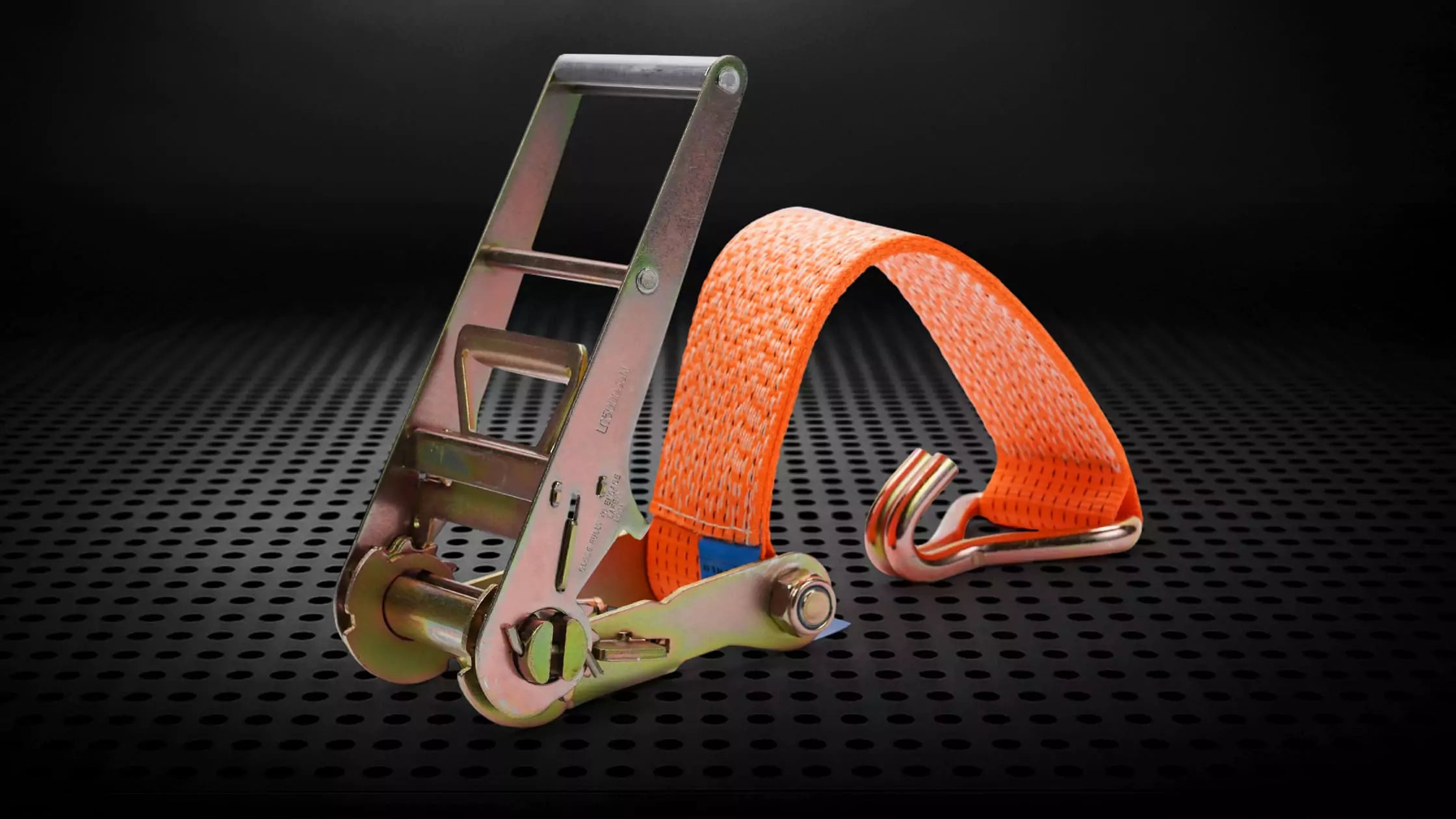
Using Shackles And Connectors
Shackles and connectors add strength to the connection. Use only rated hardware made for towing.
- Choose shackles with the right weight rating.
- Inspect connectors for cracks or rust before use.
- Tighten shackles securely but do not over-tighten.
- Use connectors that fit the strap and vehicle hooks properly.
- Replace damaged or worn shackles immediately.
Credit: ca.dawnerz.com
Executing The Tow
Using tow straps safely is very important. Both drivers must work well together.
This guide explains how to tow a vehicle properly and avoid accidents.
Communication Between Drivers
Good communication helps both drivers stay safe. Use simple signals or phones before starting.
Agree on when to start, stop, or slow down. Clear messages prevent confusion.
- Use walkie-talkies or mobile phones if possible
- Agree on hand signals if phones are not available
- Check each other’s understanding before moving
Starting And Stopping Smoothly
Start moving slowly to avoid jerking the tow strap. Sudden moves can damage vehicles.
Stop gently and give enough space for the towed vehicle to slow down.
- Pull the strap tight before moving
- Accelerate slowly and steadily
- Brake gently to avoid sudden stops
- Keep a safe distance from other cars
Maintaining Appropriate Speed
Drive at a low speed to keep control. Fast speeds make towing unsafe.
Adjust your speed for road and weather conditions. Always drive slower than usual.
- Stay below 25 mph (40 km/h)
- Watch for sharp turns and slow down
- Increase following distance to stop safely
- Check the strap often for any damage
Common Mistakes To Avoid
Using tow straps correctly is important for safety and efficiency. Many people make simple mistakes that cause accidents or damage.
Knowing what to avoid helps you use tow straps the right way. Below are common errors to watch out for.
Overloading The Strap
One big mistake is putting too much weight on the tow strap. Each strap has a limit, and going over it can cause the strap to break.
- Check the strap’s weight limit before use.
- Do not use the strap to pull heavier vehicles than it can handle.
- Avoid sudden jerks or sharp pulls on the strap.
- Replace old or worn straps, as they lose strength.
Improper Attachment
Attaching the strap to the wrong place is dangerous. It can cause damage or let the strap slip off during towing.
| Wrong Attachment Points | Safe Attachment Points |
|---|---|
| Bumpers | Towing Hooks or Frames |
| Axles | Designated Tow Points |
| Suspension Parts | Recovery Points Marked by the Manufacturer |
Always follow your vehicle’s manual to find safe tow points. Use proper hooks or shackles to secure the strap.
Ignoring Environmental Hazards
Not paying attention to the environment can cause accidents during towing. Wet, icy, or uneven ground makes pulling harder and riskier.
Tips to avoid environmental hazards:
- Inspect the ground for mud, ice, or rocks.
- Clear obstacles from the path.
- Use additional help or equipment if the area is slippery.
- Warn others to stay clear during towing.

Credit: www.uulifting.com
Tow Strap Maintenance
Tow straps are essential for safe towing. Proper maintenance ensures they work when needed. Follow these tips to keep your tow strap in top condition.
Learn how to clean, inspect, and know when to replace your tow strap. This guide will help you maintain safety and performance.
Cleaning And Storage Tips
Keep your tow strap clean and dry. Dirt and moisture can weaken the strap over time. After each use, clean it properly.
- Rinse the strap with water to remove dirt.
- Use mild soap if necessary.
- Air dry completely before storing.
- Store in a cool, dry place away from sunlight.
Regular Inspections For Damage
Inspect your tow strap regularly for signs of wear and tear. This helps prevent failures during use. Pay attention to specific areas.
- Fraying or cuts in the fabric
- Discoloration or fading
- Weak spots or thinning sections
When To Replace Your Tow Strap
Replace your tow strap if you find any damage. A damaged strap can fail when you need it most. Follow these guidelines to decide when to replace it.
| Condition | Action |
| Visible fraying | Replace immediately |
| Faded color | Consider replacing soon |
| Thinning areas | Do not use |
Credit: dawnerz.com
Frequently Asked Questions
What Is The Correct Way To Attach A Tow Strap?
Attach the tow strap to the vehicle’s designated tow points, not the bumper. Secure hooks properly and avoid twisting the strap. This ensures safety and prevents damage during towing.
How Tight Should A Tow Strap Be?
Keep the tow strap slightly slack before towing. Avoid excessive tension to reduce snap-back risk. A gentle pull allows smooth vehicle recovery without sudden jerks.
Can I Use Any Strap For Towing A Vehicle?
No, use only straps rated for towing. Choose straps made from durable materials like nylon. Using the wrong strap can cause failures and accidents.
How Fast Should I Tow With A Tow Strap?
Tow at a slow and steady speed, ideally under 15 mph. Fast towing increases risk of accidents and strap breakage. Safety and control are priorities.
Conclusion
Using tow straps safely protects you and your vehicle from damage. Always check the strap for tears or weak spots first. Attach the strap to proper points on both vehicles. Pull slowly and steadily to avoid sudden jerks. Clear communication between drivers makes the process smoother.
Practice these steps each time you tow. Stay safe and confident on the road. Tow straps can help in emergencies if used right. Keep these tips in mind for your next tow.







