
Have you ever stopped to think about the spare tire sitting quietly in your trunk? It might seem like a backup you’ll never need, but when the time comes, an old or worn-out spare tire can put you in real danger.
Your safety on the road depends on every tire, including your spare. Ignoring it could lead to unexpected breakdowns or even accidents. You’ll discover why replacing your old spare tire isn’t just a good idea—it’s essential for your peace of mind and your safety.
Keep reading to learn how a simple tire check can protect you and your loved ones.
Credit: www.continental-tires.com
Risks Of Using Old Spare Tires
Old spare tires can cause serious safety problems. They lose their strength and performance over time. Using them can put you and others at risk on the road.
It is important to understand the dangers of keeping worn-out spare tires in your vehicle. This helps you make safer choices and avoid accidents.
Decreased Traction And Grip
Old spare tires have less tread and rubber quality. This reduces traction and grip on wet or slippery roads. The chance of slipping or skidding increases, especially in bad weather.
- Worn tread lowers water displacement.
- Harder rubber grips the road poorly.
- Longer stopping distances on wet surfaces.
- Higher risk of losing control during turns.
Increased Blowout Chances
Old tires become brittle and weak. This makes them more likely to blow out while driving. A blowout can cause sudden loss of control and lead to accidents.
| Factor | Effect on Old Spare Tires |
|---|---|
| Rubber aging | Cracks and hardening reduce flexibility |
| Exposure to heat | Weakens tire structure |
| Long storage time | Increases risk of sudden failure |
| Low maintenance | Hidden damage goes unnoticed |
Impact On Vehicle Handling
Using an old spare can affect how your vehicle handles. The tire may not match the size or grip of the other tires. This causes uneven driving and reduced stability.
Common handling problems with old spares include:
- Pulling to one side while driving
- Vibrations or wobbling at high speeds
- Poor cornering and braking response
- Uneven tire wear on other tires
Credit: www.designnews.com
Signs That Spare Tires Need Replacement
Spare tires do not get used often. This can hide problems until you need them most. It is important to check your spare tire regularly. Knowing the signs helps keep you safe on the road.
This guide explains three key signs that show your spare tire may need to be replaced. Look for cracks, tread wear, and the tire’s age.
Visible Cracks And Dry Rot
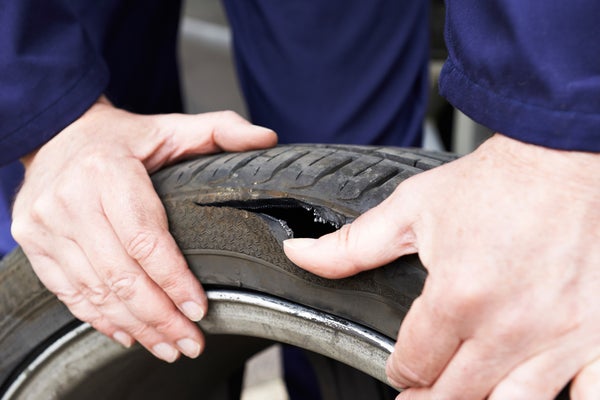
Cracks in the tire sidewall or tread show dry rot. This happens when the rubber dries out and breaks down. Dry rot weakens the tire and can cause failure.
- Check the sidewalls for small cracks or deep splits.
- Look for discoloration or areas that feel hard and brittle.
- Inspect the tread for cracks between the grooves.
Tread Wear And Depth
Tread grips the road and helps you drive safely. Worn tread reduces traction and increases the risk of slipping. Measuring tread depth tells you if the tire is still safe.
| Condition | Tread Depth (inches) | Action |
| Good | > 0.04 | Keep using |
| Worn | 0.02 – 0.04 | Replace soon |
| Unsafe | < 0.02 | Replace now |
Age Of The Tire
Tires get old even if they are not used. Rubber breaks down over time. Most experts say to replace tires after six years.
Check the tire’s manufacturing date on the sidewall. It is a four-digit code: the first two digits are the week, the last two are the year.
Safety Benefits Of New Spare Tires
Spare tires help drivers during emergencies. Old spare tires may cause safety problems.
Replacing old spare tires improves safety on the road. New tires work better when needed.
Improved Road Performance
New spare tires have better grip and traction on the road. They handle well in wet and dry conditions.
Good road performance helps keep the vehicle stable. This reduces slipping and skidding risks.
Enhanced Emergency Readiness
Fresh spare tires are ready to use anytime. Old tires may be cracked or weak and fail when needed.
Having a reliable spare tire means you can fix a flat tire quickly. This lowers stress during emergencies.
Reduced Accident Risk
New spare tires reduce the chance of accidents. They provide safer driving if you must use them.
Old tires can blow out or lose control, causing crashes. Replacing them helps protect you and others.
Cost Savings From Timely Replacement
Replacing old spare tires on time saves money in many ways. It helps avoid bigger car problems and keeps your vehicle running well.
Old tires can cause damage to your car and waste fuel. Changing them early is a smart choice for your budget.
Avoiding Expensive Repairs
Worn spare tires can lead to accidents or damage other car parts. This causes costly repairs that you can avoid.
Timely replacement reduces the risk of tire blowouts and wheel damage. This keeps repair bills low.
- Prevents damage to suspension and brakes
- Reduces chance of tire blowouts
- Avoids costly emergency repairs
Better Fuel Efficiency
Old tires increase rolling resistance. This makes your engine work harder and use more fuel.
New tires improve grip and reduce drag. This helps you save money on gas over time.
- Improves tire traction on the road
- Reduces fuel consumption
- Lowers overall driving costs
Long-term Tire Longevity
Replacing old spare tires early helps your main tires last longer. Balanced wear means you replace all tires less often.
Proper tire care saves money by extending the life of all your tires. It reduces how often you buy new sets.
- Maintains even tire wear
- Prevents premature tire damage
- Delays need for full tire replacement
Tips For Maintaining Spare Tires
Spare tires are important for emergencies. They help you stay safe on the road.
Keeping your spare tire in good shape means it will work when you need it most.
Regular Inspections
Check your spare tire often for damage or wear. Look for cracks, cuts, or dry rot.
Inspect the tread depth to make sure it is safe to use in an emergency.
- Look for cracks or dry rot on the tire surface
- Check for uneven wear or damage
- Make sure the tread depth is above the safe limit
Proper Storage Conditions
Store your spare tire in a cool, dry place away from sunlight. Heat and sun can damage the rubber.
Keep the tire covered to protect it from dust and dirt. Avoid placing heavy objects on it.
- Keep the tire in a shaded area
- Use a tire cover or bag for protection
- Do not stack heavy items on top of the tire
Correct Inflation Levels
Check the air pressure in your spare tire regularly. Use a tire gauge to get an accurate reading.
Inflate the tire to the pressure recommended by your vehicle’s manufacturer. Proper pressure helps the tire last longer.
- Use a reliable tire pressure gauge
- Inflate to the recommended PSI
- Check pressure at least once a month
Choosing The Right Spare Tire
Replacing old spare tires is important for safety. Choosing the right spare tire ensures your car runs smoothly.
Consider several factors when selecting a spare tire. It must fit your vehicle’s needs and your budget.
Matching Tire Specifications
The spare tire must match your car’s original tires. Check the size, load capacity, and speed rating.
If the spare tire does not match, it may affect your car’s performance. Always refer to your vehicle’s manual for guidance.
- Check tire size on the sidewall
- Ensure load capacity matches
- Verify speed rating with the original tire
Considering Tire Types
Different tire types serve different purposes. Choose a type that meets your driving needs.
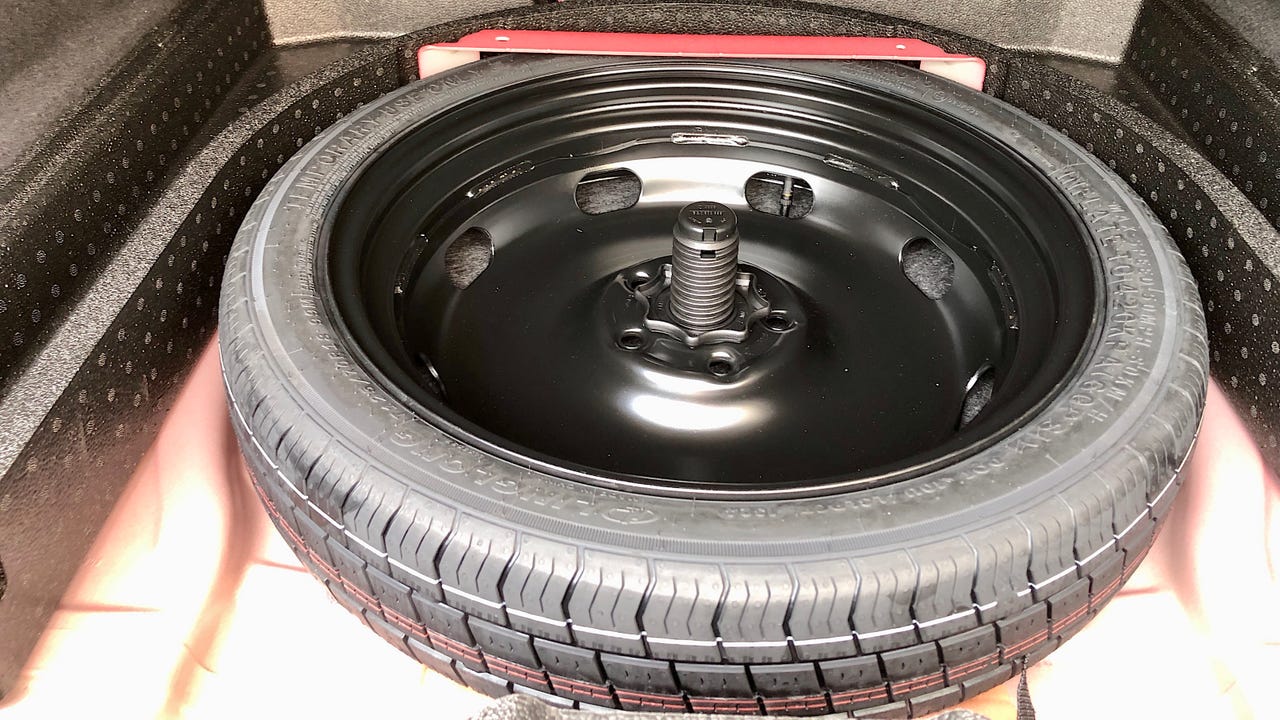
Options include full-size spares, temporary spares, and run-flat tires. Each has benefits and limitations.
- Full-size spares match regular tires
- Temporary spares save space
- Run-flat tires allow limited driving after a puncture
Quality Vs. Cost Factors
High-quality tires last longer and perform better. Cheaper options may not provide the same reliability.
Balance quality and cost when choosing a spare tire. Investing in a good spare can save money in the long run.
| Quality | Cost |
| Longer lifespan | Higher initial price |
| Better performance | May require more budget |
Credit: www.designnews.com
Frequently Asked Questions
Why Should I Replace Old Spare Tires?
Old spare tires can degrade and lose traction over time. Replacing them ensures safety, better performance, and prevents unexpected failures during emergencies.
How Often Should Spare Tires Be Replaced?
Spare tires should be replaced every 6 to 10 years, regardless of usage. Age weakens the rubber, reducing reliability and safety on the road.
Can Old Spare Tires Cause Accidents?
Yes, old spare tires can cause accidents due to tread wear, cracks, or blowouts. Replacing them reduces the risk of tire failure.
What Are The Signs Of An Old Spare Tire?
Signs include visible cracks, dry rot, tread wear, and rubber hardness. These indicate the tire is unsafe and needs replacement immediately.
Conclusion
Old spare tires can cause serious safety risks on the road. Worn-out tires reduce grip and increase the chance of accidents. Replacing them ensures better control and smoother rides. It also helps avoid costly repairs later. Regular tire checks keep your vehicle ready for any emergency.
Don’t wait for a problem to happen. Stay safe and protect your passengers by changing old spare tires on time. Safe driving starts with reliable tires.







