
Imagine facing a sudden blackout when you need power the most. Your phone dies, the lights go out, and everything feels uncertain.
This is exactly when a power inverter becomes your best friend. It can keep your essential devices running, provide light, and even power medical equipment during emergencies. If you want to protect yourself and your loved ones from unexpected power failures, understanding the importance of a power inverter is crucial.
Keep reading to discover how this simple device can make a big difference when every second counts.
Role Of Power Inverters
Power inverters are essential during emergencies. They help convert stored battery power into usable electricity.
This allows you to run important devices when the main power is out. Power inverters keep lights, phones, and medical equipment working.
Basic Functionality
Power inverters change direct current (DC) from a battery into alternating current (AC) used by most devices. This process makes battery power useful for everyday electronics.
They protect devices by providing stable and safe electricity. Some inverters also have features to prevent overloads and short circuits.
Types Of Power Inverters
There are three main types of power inverters. Each type works best for different needs and devices.
- Modified Sine Wave Inverters: Good for basic electronics and simple appliances.
- Pure Sine Wave Inverters: Provide clean power for sensitive devices like medical tools and computers.
- Square Wave Inverters: Rare and mostly used for simple tools or old electronics.
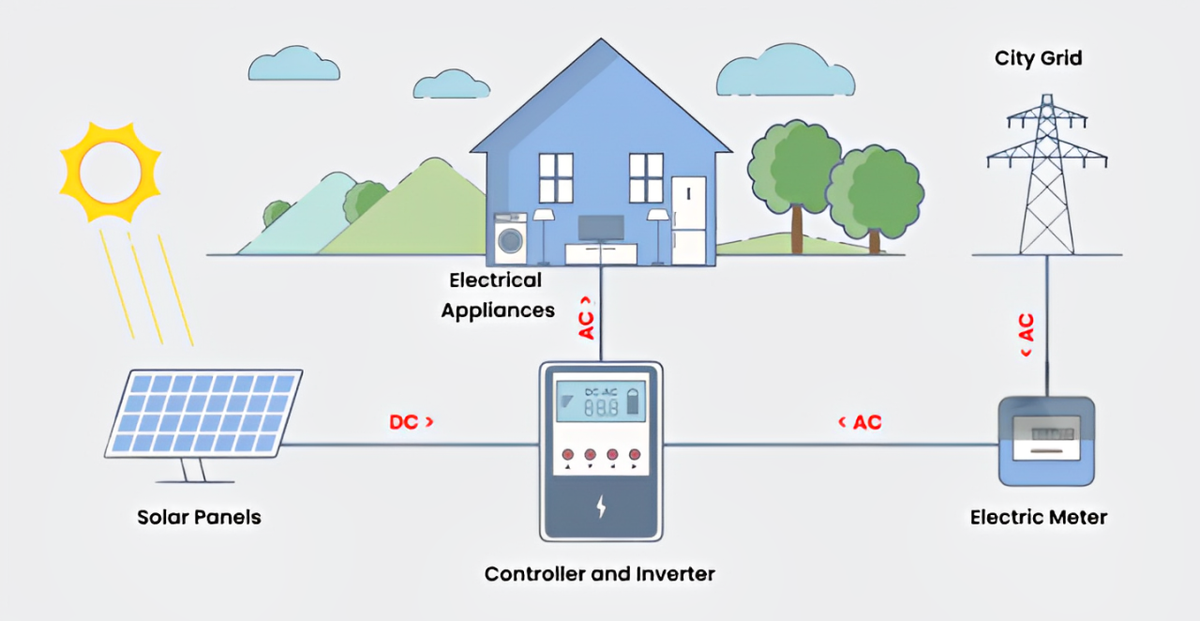
Credit: www.renogy.com
Power Inverters In Emergency Situations
Power inverters are essential tools during emergencies. They convert DC power from batteries into usable AC power.
This ability helps keep important devices running when the main power is out. Many people rely on inverters for safety and convenience.
Backup Power Supply
In emergencies, having a backup power source is critical. Power inverters allow you to use stored energy from batteries.
- Keep lights on during outages
- Run small household appliances
- Charge mobile devices and laptops
- Maintain refrigeration of food and medicines
Supporting Medical Devices
Medical devices often need constant power. Power inverters help by providing electricity when the grid fails.
| Device | Power Requirement | Importance in Emergencies |
| CPAP Machine | 50-70 Watts | Maintains breathing support |
| Oxygen Concentrator | 200-300 Watts | Provides oxygen supply |
| Electric Wheelchair | 100-150 Watts | Ensures mobility |
Communication And Connectivity
Staying connected is vital during emergencies. Power inverters keep communication devices powered.
- Charge cell phones and radios
- Power Wi-Fi routers for internet access
- Keep emergency alert systems active
Advantages Over Other Power Sources
Power inverters are very useful during emergencies. They offer a reliable way to power devices when the main electricity is out.
Compared to other power sources like generators or batteries, inverters have clear benefits that make them a good choice.
Portability And Convenience
Power inverters are usually small and easy to carry. This makes them perfect for use in many places during emergencies.
You can take an inverter in your car or keep it at home. It plugs into your car battery or other power sources quickly.
Fuel Efficiency
Power inverters use less fuel than traditional generators. This means they run longer on the same amount of fuel.
This efficiency is important during emergencies when fuel may be hard to find. It helps you save fuel and power your devices longer.
Quiet Operation
Power inverters work very quietly. They do not make loud noises like many gas generators do.
This quiet operation is useful in emergencies. It helps avoid noise pollution and keeps the environment calm.
Choosing The Right Power Inverter
Power inverters are vital during emergencies. They convert DC power into usable AC power for your devices. Choosing the correct inverter ensures you have reliable power when needed most.
Consider your specific needs before buying. Focus on power capacity, safety features, and device compatibility. These factors help you pick the best inverter for your situation.
Power Capacity Needs
Estimate the total wattage of devices you want to run. Choose an inverter with a capacity higher than this total. This prevents overload and ensures smooth operation.
- List all essential devices and their wattage.
- Add the wattages to get total power needs.
- Select an inverter with 20% to 30% more wattage than the total.
- Check surge power for devices that need extra start-up energy.
Safety Features
Safety is crucial in emergencies. Look for inverters with built-in protections. These prevent damage to your devices and reduce fire risks.
| Safety Feature | Purpose |
| Overload Protection | Stops inverter if load is too high |
| Short Circuit Protection | Prevents damage from electrical faults |
| Over Temperature Protection | Shuts down inverter if it gets too hot |
| Low Voltage Alarm | Warns when battery power is low |
Compatibility With Devices
Check if the inverter works with your devices. Some devices need a pure sine wave inverter. Others can run on modified sine wave models.
Pure sine wave inverters suit sensitive electronics like:
- Laptops
- Medical devices
- Audio and video equipment
Modified sine wave inverters work well with:
- Power tools
- Simple lights
- Household appliances
Maintenance And Safety Tips
Power inverters are vital during emergencies. They provide electricity when the main power fails.
Keeping your power inverter safe and well-maintained ensures it works properly when needed most.
Regular Inspection
Check your inverter often for damage or wear. Look for loose connections and dirt buildup.
Regular checks help find small problems before they become big issues.
- Inspect cables and plugs for cracks or frays
- Clean dust and debris from vents and surfaces
- Test the inverter under load to ensure proper function
- Look for unusual noises or smells during operation
Proper Installation
Install your power inverter in a dry, cool place. Avoid direct sunlight and moisture.
Follow the manufacturer’s instructions carefully. Correct setup prevents damage and hazards.
- Use the right cable size and connectors
- Secure the inverter firmly to avoid movement
- Keep the inverter away from flammable materials
- Ensure good ventilation to prevent overheating
Avoiding Common Hazards
Power inverters can be dangerous if misused. Avoid risks to protect yourself and your home.
Follow safety rules to prevent shocks, fires, and equipment damage.
- Never touch the inverter with wet hands
- Do not overload the inverter beyond its capacity
- Keep children and pets away from the inverter
- Use fuses or circuit breakers as recommended

Credit: www.reddit.com
Real-life Emergency Scenarios
Power inverters are crucial tools during emergencies. They convert direct current (DC) to alternating current (AC), providing essential electricity.
In times of crisis, having a reliable power source is vital. Let’s explore how power inverters can help in various emergency situations.
Natural Disasters
Natural disasters like hurricanes and earthquakes can disrupt power. Power inverters keep essential devices running.
- Lights for safety and visibility
- Radios for communication
- Medical equipment for health needs
Power Outages
Sudden power outages can happen anywhere. A power inverter ensures that basic needs are met during these times.
| Device | Usage |
| Refrigerator | Preserve food |
| Phone Charger | Stay connected |
| Computer | Work continuity |
Remote Area Usage
In remote areas, power inverters are vital. They provide electricity where traditional power sources are unavailable.

Credit: nerdbot.com
Frequently Asked Questions
What Is A Power Inverter Used For In Emergencies?
A power inverter converts DC power to AC power. It allows you to run essential appliances during outages. It ensures continuous power supply when the main source fails.
How Does A Power Inverter Help During Power Cuts?
It provides backup electricity by converting battery power to usable AC current. This keeps devices like lights and refrigerators running. It prevents disruption and maintains safety in emergencies.
Can A Power Inverter Support Medical Devices In Emergencies?
Yes, it can supply power to critical medical equipment. This is vital during outages to ensure patient care. Always use a reliable inverter with sufficient capacity.
Why Choose A Power Inverter Over A Generator?
Inverters are quieter, more portable, and require less maintenance. They are ideal for indoor use and short-term power needs. They offer a cleaner, efficient energy solution during emergencies.
Conclusion
Power inverters play a key role during emergencies. They keep your devices powered when electricity fails. This helps you stay connected and safe. You can charge phones, run lights, and use small appliances. A power inverter offers peace of mind in tough times.
It is a smart addition to any emergency kit. Simple, reliable power can make a big difference. Don’t wait for an emergency to realize its value. Prepare today to protect yourself and your family.







