
When it comes to choosing tires for your vehicle, understanding the difference between narrow profile and wide profile tires can make a big impact on your driving experience. You might wonder which type suits your car best or what benefits each one offers.
Whether you want better handling, improved fuel efficiency, or a smoother ride, knowing these key differences will help you make the right choice. Keep reading to discover how narrow and wide profile tires affect your safety, performance, and comfort on the road.
This knowledge could change the way you drive forever.

Credit: www.autodoc.co.uk
Narrow Profile Tires
Narrow profile tires have a smaller width compared to wide profile tires. They offer specific benefits in design and performance that suit certain vehicles and driving needs.
This article explains the design, performance benefits, and common applications of narrow profile tires.
Design And Dimensions
Narrow profile tires have a thinner tread width and a taller sidewall. This design helps reduce the tire’s contact area with the road. The dimensions affect the tire’s overall diameter and shape.
| Feature | Description |
| Tread Width | Smaller than wide profile tires |
| Sidewall Height | Taller for better shock absorption |
| Overall Diameter | Usually larger due to taller sidewalls |
| Weight | Lighter than wide profile tires |
Performance Benefits
Narrow profile tires offer several performance advantages. They provide better fuel efficiency and easier handling on narrow roads. Their taller sidewalls absorb shocks well, giving a smoother ride on rough surfaces.
- Lower rolling resistance improves fuel economy
- Improved traction in snow and rain due to smaller contact patch
- Better comfort on uneven roads thanks to taller sidewalls
- Easier steering response in tight spaces
Common Applications
Narrow profile tires are common on small cars, motorcycles, and city vehicles. They suit urban driving and areas with narrow streets. These tires work well for drivers who prioritize comfort and efficiency over sporty handling.
- Compact and subcompact cars
- Motorcycles and scooters
- City and commuter vehicles
- Vehicles needing better fuel economy
Wide Profile Tires
Wide profile tires have a larger contact area with the road. They are wider than narrow profile tires.
This wider design affects how the tire performs and where it is used. It also changes the tire’s shape and size.
Design And Dimensions
Wide profile tires have a larger width compared to narrow tires. This means the tire’s sidewall is shorter and the tread is wider.
The wider tread helps increase the tire’s grip on the road. The shorter sidewall provides better stability and handling.
- Wider tread area
- Shorter sidewall height
- Larger contact patch with the road
- Usually lower aspect ratio
Performance Benefits
Wide profile tires improve road grip and cornering performance. They help drivers maintain control at higher speeds.
The larger contact area also helps with braking, making stops shorter. These tires handle better on dry roads.
- Better grip on dry surfaces
- Improved cornering stability
- Shorter braking distances
- More responsive steering
Common Applications
Wide profile tires are common on sports cars and performance vehicles. They fit vehicles that need strong road handling.
These tires are also used on trucks and SUVs for better traction and stability. Some luxury cars use them for smooth rides.
- Sports cars
- Performance vehicles
- Trucks and SUVs
- Luxury vehicles
Handling And Grip Comparison
Tire profile affects how a vehicle handles on the road. Narrow and wide profiles change grip and control.
Understanding these differences helps choose the right tire for safe driving and performance.
Handling With Narrow Profile Tires
Narrow profile tires have a smaller contact patch with the road. This makes steering lighter and easier.
These tires work well on slippery or wet roads because they cut through water better.
- Better steering response on turns
- Easier to control at low speeds
- Good for snowy or rainy conditions
Handling With Wide Profile Tires
Wide profile tires have a larger contact area. This improves stability and cornering on dry roads.
These tires feel heavier to steer but offer stronger grip on sharp turns.
- Increased road contact improves control
- Better grip during high-speed driving
- Less effective on wet or icy roads
Grip Comparison Between Narrow And Wide Tires
Wide tires provide more rubber on the road, increasing grip on dry surfaces.
Narrow tires focus pressure on a smaller area, helping grip on soft or slippery surfaces.
| Tire Profile | Grip on Dry Road | Grip on Wet/Icy Road |
|---|---|---|
| Narrow Profile | Moderate grip | Better grip |
| Wide Profile | Strong grip | Lower grip |
Impact On Fuel Efficiency
Tire profile affects how a vehicle uses fuel. The size and shape change rolling resistance. Rolling resistance is the force that tires need to keep moving.
Understanding the difference between narrow and wide profile tires helps choose the best option for fuel savings. Each type has its own effect on fuel use.
Narrow Profile Tires And Fuel Efficiency
Narrow profile tires usually have less contact with the road. This lowers the rolling resistance. Lower rolling resistance means the engine works less hard. Less effort means better fuel efficiency.
These tires also weigh less, which helps reduce fuel consumption. They are good for city driving and long trips where saving fuel is important.
Wide Profile Tires And Fuel Efficiency
Wide profile tires have a larger surface area touching the road. This can increase rolling resistance. Increased resistance means the engine uses more fuel. Wide tires also tend to be heavier.
Despite this, wide tires offer better grip and handling. They may reduce fuel efficiency slightly but improve safety and control.
Comparison Of Fuel Efficiency Factors
| Factor | Narrow Profile Tires | Wide Profile Tires |
| Rolling Resistance | Lower | Higher |
| Tire Weight | Lighter | Heavier |
| Fuel Efficiency | Better | Reduced |
| Road Grip | Less | Better |
Ride Comfort And Noise Levels
When choosing tires, comfort and noise are important. Narrow and wide profile tires differ in these aspects.
Understanding these differences helps you pick the right tires for your needs.
Narrow profile tires are slimmer and have less contact with the road. This can lead to a smoother ride.
They usually produce less road noise. This makes them a quieter choice for city driving.
- Smoother ride on uneven surfaces
- Less road noise
- Better for urban environments
Wide profile tires have a larger surface area in contact with the road. This can improve grip and stability.
They often generate more noise. This might be noticeable at higher speeds.
- Better grip on dry roads
- Increased road noise
- Ideal for performance driving
Cost And Maintenance Differences
Narrow and wide profile tires impact your car’s cost and upkeep. Each type has unique benefits and challenges.
Understanding these differences helps you make smart decisions for your vehicle and budget.
Cost Of Narrow Profile Tires
Narrow profile tires are often less expensive than their wider counterparts. They use less rubber, which lowers manufacturing costs. This can make them a budget-friendly choice for many drivers.
- Less rubber used reduces cost
- Often cheaper to replace
- Suitable for smaller vehicles
Cost Of Wide Profile Tires
Wide profile tires typically cost more. They use more materials and are designed for performance. This can increase the initial purchase price and replacement costs.
| Tire Type | Average Cost |
| Narrow Profile | $50 – $100 per tire |
| Wide Profile | $100 – $200 per tire |
Maintenance Of Narrow Profile Tires
Maintaining narrow profile tires is usually straightforward. They often last longer due to less road contact and wear. Regular checks and proper inflation can extend their life.
Maintenance Of Wide Profile Tires
Wide profile tires may require more frequent checks. They experience more wear due to increased road contact. Proper alignment and balancing are crucial for their longevity.
Choosing The Right Tire Profile
The tire profile affects how your car drives and handles. Narrow and wide profiles have different benefits and uses.
Picking the right tire profile depends on your driving needs and vehicle type. Personal preferences also matter.
Driving Conditions
Narrow profile tires are good for wet and snowy roads. They cut through water and snow better.
Wide profile tires offer better grip on dry roads. They increase the contact area with the road surface.
- Narrow tires work well in rain and snow
- Wide tires perform best on dry pavement
- Wide tires may struggle in deep snow
- Narrow tires reduce hydroplaning risk
Vehicle Type
Small cars often use narrow tires for better fuel efficiency. They also help with easy steering.
Sports cars usually prefer wide tires for better cornering and speed. Trucks may also use wide tires for stability.
- Compact cars favor narrow profiles
- Sports cars need wide profiles for grip
- Trucks may use wide tires for load support
Personal Preferences
Some drivers like narrow tires for smoother rides and less road noise. Others prefer wide tires for a sporty look.
Wide tires can feel firmer but give better control. Narrow tires can feel softer and may improve fuel economy.
- Narrow tires offer a quiet, comfortable ride
- Wide tires provide sharper handling
- Wide tires give a bold, aggressive appearance
- Fuel efficiency may improve with narrow tires
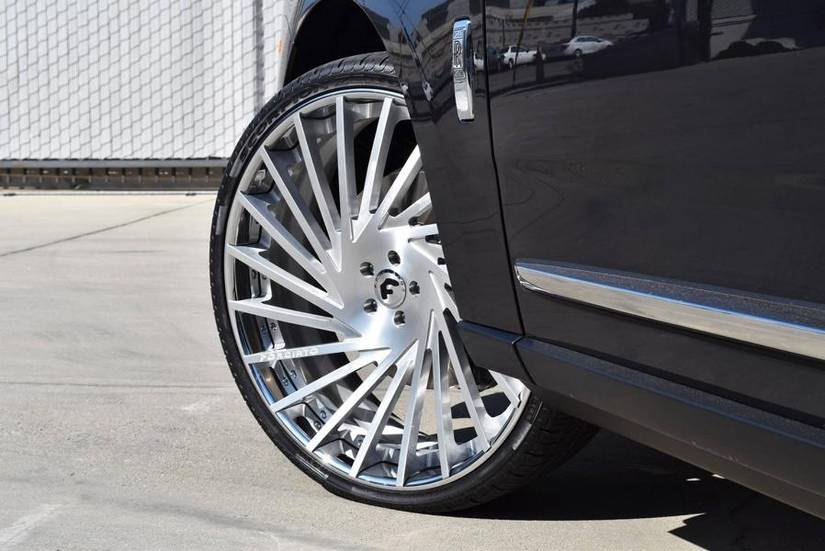
Credit: carbuzz.com
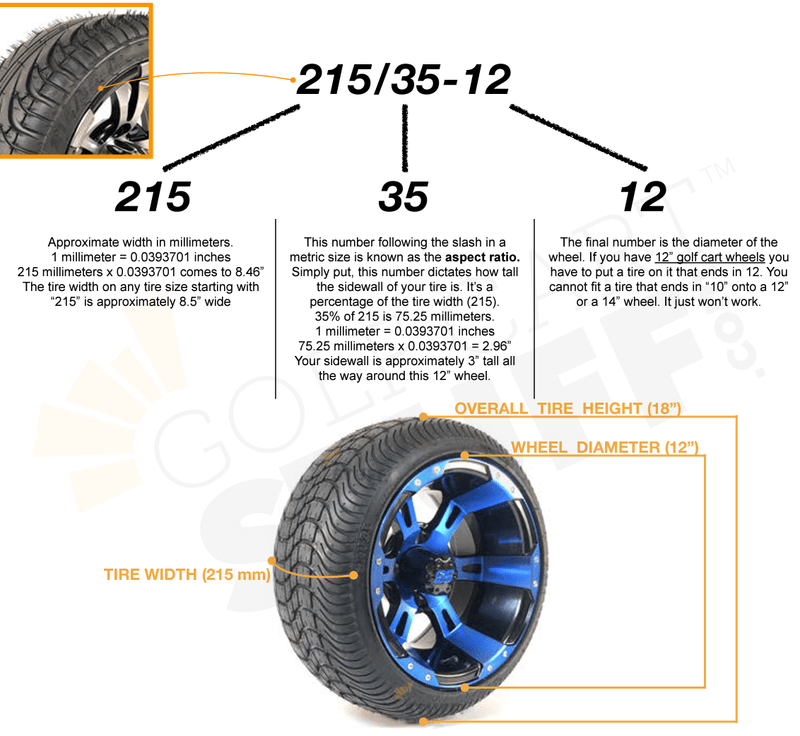
Credit: golfcartstuff.com
Frequently Asked Questions
What Are Narrow Profile Tires?
Narrow profile tires have a smaller width compared to wide tires. They offer better fuel efficiency and perform well in wet conditions. These tires are ideal for compact cars and provide a comfortable, smooth ride with less road noise.
How Do Wide Profile Tires Improve Handling?
Wide profile tires have a larger contact patch with the road. This increases grip and stability during cornering and braking. They are preferred for sports cars as they enhance traction and offer better control at high speeds.
Are Narrow Tires Better For Fuel Economy?
Yes, narrow tires reduce rolling resistance, which improves fuel efficiency. Their lighter weight and smaller surface area require less energy to move the vehicle. This makes them a good choice for daily commuting and long-distance driving.
Do Wide Profile Tires Wear Out Faster?
Wide tires tend to wear out quicker due to increased friction and heat build-up. Their larger contact area generates more stress on the tread. Proper maintenance and regular rotation can help extend their lifespan.
Conclusion
Narrow and wide profile tires serve different needs. Narrow tires offer better fuel efficiency and easier handling. Wide tires provide more grip and stability on the road. Choosing the right tire depends on your driving style and conditions. Think about where you drive most often.
Remember, the right tire improves safety and comfort. Keep these differences in mind before your next tire purchase. This helps you make a smart, informed choice. Drive safely and enjoy the ride.







