
Imagine being stranded in freezing cold weather with no help in sight. Your body starts to feel numb, and the biting chill isn’t just uncomfortable—it can be dangerous.
Frostbite is a real risk during winter breakdowns, and knowing how to protect yourself can make all the difference. You’ll discover simple yet powerful tips to keep frostbite at bay when you need it most. Keep reading to learn how to stay safe, warm, and in control no matter what winter throws your way.
Recognizing Frostbite Signs
Frostbite happens when skin and tissues freeze due to cold weather. It is important to recognize the signs early. This can help prevent serious damage during winter breakdowns.
Knowing what to watch for can keep you and others safe. Learn the early symptoms and how to spot severe frostbite.
Early Symptoms To Watch For
At first, frostbite affects the skin and feels like numbness or tingling. Skin color changes are common early signs.
- Cold skin that feels numb or hard
- Redness or pale skin color
- Burning or itching sensation
- Clumsiness or loss of feeling in fingers or toes
These symptoms mean you should warm the area quickly and avoid further cold exposure.
Severe Frostbite Indicators
Severe frostbite causes deeper tissue damage. Skin and muscles can freeze, leading to serious problems.
| Symptom | Description |
| Skin color changes | White, gray, or blue skin |
| Blisters | Clear or bloody blisters appear after warming |
| Hard or waxy skin | Skin feels stiff and cold to touch |
| Severe numbness | No feeling in the affected area |
| Joint or muscle stiffness | Difficulty moving fingers or toes |
If you see these signs, seek medical help immediately. Avoid rubbing or applying direct heat to the area.
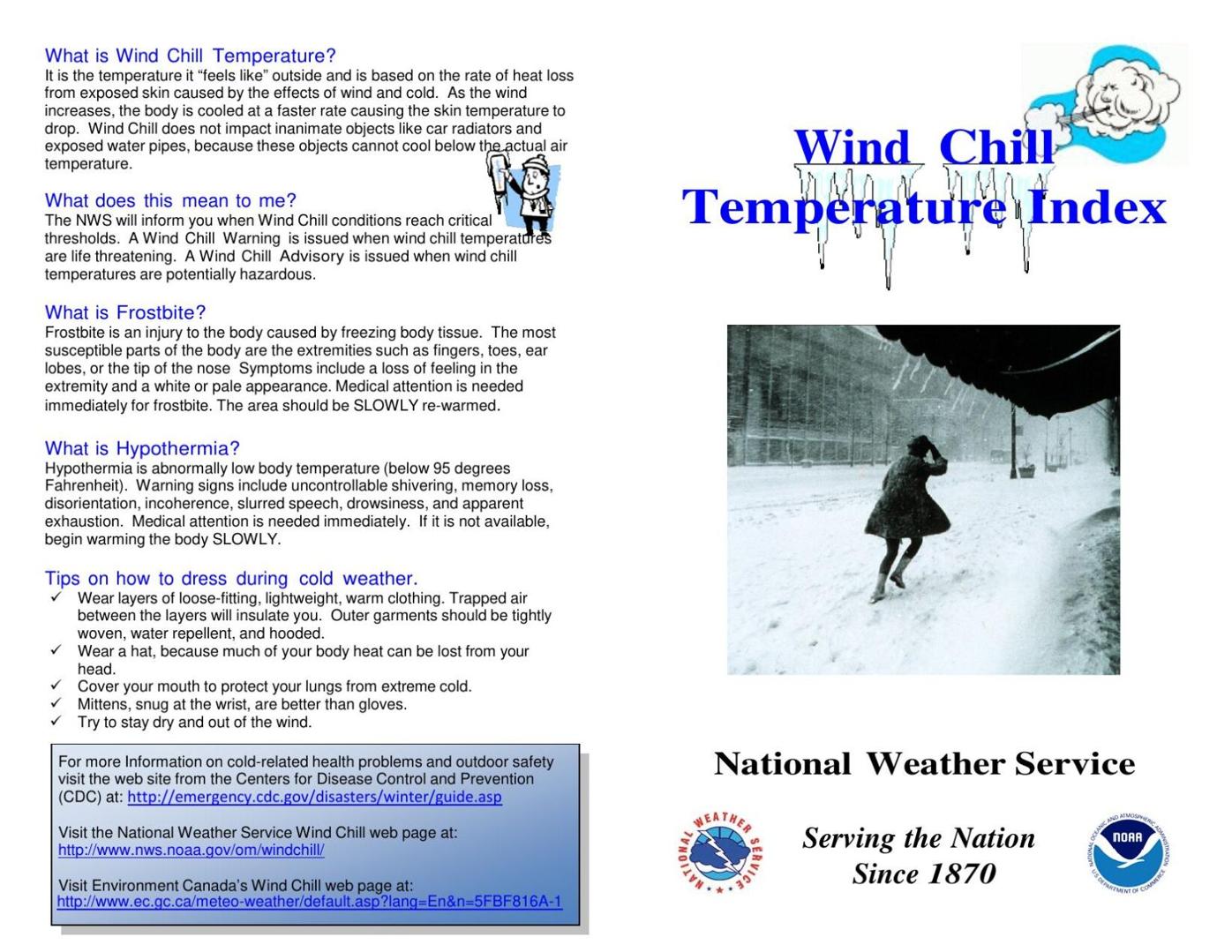
Credit: www.koamnewsnow.com
Dressing For Cold Weather
Cold weather can be dangerous if you do not dress right. Frostbite can happen fast in winter. It is important to protect your skin and keep warm.
Wearing the right clothes helps your body stay warm. Choosing the right layers and accessories can make a big difference.
Layering Clothes Effectively
Layering clothes traps heat and keeps you dry. You need three main layers: base, middle, and outer.
- Base layer:Wear a thin, tight layer that wicks sweat away.
- Middle layer:Use a warm layer like fleece or wool for insulation.
- Outer layer:Add a waterproof and windproof jacket to block cold air.
Choosing The Right Accessories
| Accessory | Purpose | Material Tips |
| Hat | Keep head warm | Wool or fleece works best |
| Gloves | Protect hands | Insulated and waterproof gloves |
| Scarf | Cover neck and face | Use thick wool or knit scarves |
| Socks | Keep feet warm | Wear wool socks, avoid cotton |
Preparing Your Vehicle
Winter can be harsh and cause car troubles. Preparing your vehicle helps keep you safe and warm. Take time to get your car ready before cold weather arrives.
This guide covers important steps to prepare your vehicle. Focus on supplies and ways to keep warmth inside your car.
Essential Winter Supplies
Keep these items in your car to stay safe in winter breakdowns. They help protect you from frostbite and cold stress.
- Blankets or sleeping bags to stay warm
- Extra gloves, hats, and warm clothing
- Non-perishable snacks and bottled water
- Flashlight with fresh batteries
- Ice scraper and snow brush
- First aid kit for emergencies
- Jumper cables and tow rope
- Portable phone charger
- Sand or kitty litter for tire traction
- Emergency warning triangles or flares
Maintaining Vehicle Warmth
Keeping your vehicle warm prevents frostbite and helps you wait safely for help. Use these tips to keep heat inside your car.
| Action | Reason |
|---|---|
| Close all windows and doors tightly | Stops cold air from entering |
| Run the engine for 10 minutes every hour | Produces heat without wasting fuel |
| Cover windows with a blanket or reflective shield | Reduces heat loss through glass |
| Use seat warmers if available | Provides direct heat to your body |
| Wear layers of clothing inside the car | Keeps body heat trapped |

Credit: www.youtube.com
Safe Shelter Options
Frostbite can happen quickly in cold weather. Finding safe shelter helps protect your body.
Knowing where to find temporary protection is important during winter breakdowns.
Finding Temporary Protection
Look for places that block wind and keep you dry. A car, bus stop, or building entrance works well.
If no buildings are nearby, use natural shelters like trees or large rocks to shield yourself.
- Avoid open areas with strong wind
- Stay off the ground to keep warm
- Use anything that blocks cold air
Using Emergency Blankets
Emergency blankets trap your body heat. They are small and easy to carry in winter kits.
Wrap the blanket tightly around your body. Cover your head and hands for extra warmth.
- Use the shiny side facing inward to reflect heat
- Seal edges to keep warmth inside
- Combine with other clothes for better insulation
Emergency Response Steps
Winter breakdowns can be dangerous. Frostbite is a real risk. Knowing the steps to respond can help keep you safe.
These steps will guide you on how to act fast. They focus on staying warm and knowing when to get medical help.
Warming Techniques
Keeping warm is crucial in a winter breakdown. Staying warm helps prevent frostbite and other cold-related issues.
- Wear layers of clothing to trap body heat.
- Use blankets to cover your body and stay insulated.
- Keep moving by doing simple exercises to boost circulation.
- Stay inside the vehicle if it is safe and you have enough fuel.
- Avoid alcohol as it can make you lose body heat faster.
When To Seek Medical Help
Knowing when to seek medical help is important. Frostbite needs urgent care to prevent damage.
Watch for signs of frostbite like numbness or pale skin. If you notice these signs, get help right away.
- Blisters or skin that feels hard and waxy require medical attention.
- If numbness or tingling continues even after warming, seek help.
- Severe shivering or confusion can mean hypothermia, which needs immediate care.
Preventing Breakdowns
Winter weather can cause many car problems. Cold temperatures and ice can lead to breakdowns. You can avoid these by preparing your vehicle and driving carefully.
Taking some simple steps helps keep your car safe and working during winter. Check your vehicle often and follow safe driving rules on icy roads.
Regular Vehicle Checks
Checking your car before winter trips can stop many issues. Look at the tires, battery, and fluids. These parts are most affected by cold weather.
- Check tire pressure and tread for good grip on ice.
- Test the battery to avoid power failure in cold.
- Use winter-grade oil and antifreeze in the engine.
- Make sure windshield wipers and fluid work well.
- Keep fuel tank at least half full to prevent freezing.
Driving Tips For Winter Roads
Driving in winter needs extra care. Roads can be slippery and visibility may drop. Slow down and keep distance from other cars.
| Tip | Reason |
| Drive slowly | Reduces chance of slipping on ice |
| Keep a safe distance | Gives time to stop on slippery roads |
| Use low beams in fog | Improves visibility without glare |
| Avoid sudden moves | Prevents loss of control |
| Plan routes ahead | Helps avoid dangerous areas |
Communication Strategies
Winter breakdowns can be stressful and dangerous. Effective communication is key to staying safe. Let’s explore some strategies to ensure you remain connected and informed.
Being prepared with the right communication tools can prevent frostbite and keep you secure. Here are some tips to maintain effective communication during winter emergencies.
Keeping Devices Charged
Charged devices are essential for staying in contact during breakdowns. Make sure your phone and other devices have enough power.
Carry portable chargers and keep them in your car. They can be lifesavers in emergencies.
- Charge devices before leaving home
- Use car chargers while driving
- Invest in solar-powered chargers
Informing Others Of Your Plans
Letting others know your plans can help them assist you if needed. Share your travel route and expected arrival time with family or friends.
Regular updates on your location can help others track your journey. This ensures you get help quickly if something goes wrong.
| Information to Share | Reason |
| Travel route | Helps others know where to find you |
| Expected arrival | Alerts others if you are late |
| Emergency contacts | Quick assistance if needed |
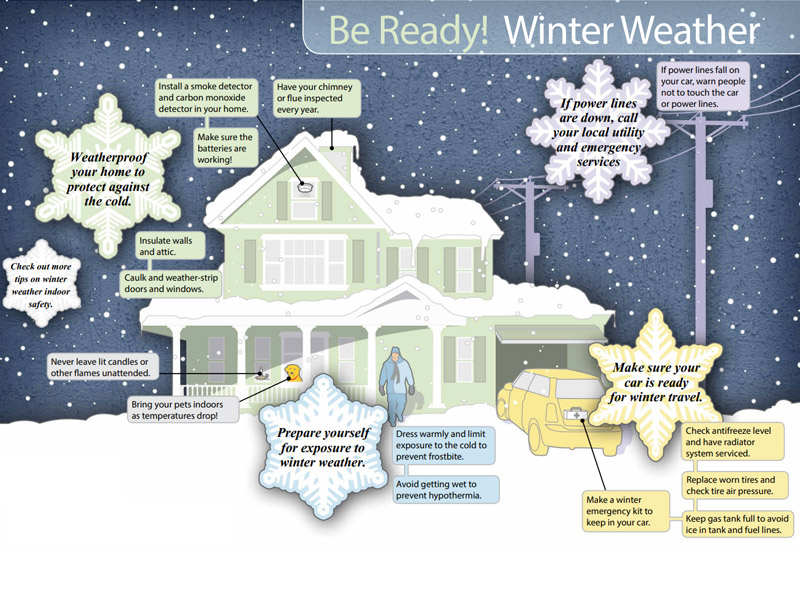
Credit: www.cdc.gov
Frequently Asked Questions
What Are The First Signs Of Frostbite To Watch For?
Early signs include numbness, tingling, and skin discoloration. Skin may appear pale or waxy. Immediate action helps prevent damage.
How Can I Protect Extremities From Frostbite In Winter?
Wear insulated gloves, warm socks, and waterproof boots. Cover your head with a hat and use scarves to protect your face.
What Should I Do If Stranded In A Winter Breakdown?
Stay inside your vehicle for warmth. Use blankets and keep moving fingers and toes to maintain circulation. Call for emergency help immediately.
Can Frostbite Occur Even If I’m Dressed Warmly?
Yes, frostbite can occur if skin is exposed or wet. Proper layering and avoiding prolonged cold exposure are crucial for prevention.
Conclusion
Staying safe during winter breakdowns is very important. Dress warmly and cover all skin to prevent frostbite. Keep moving to keep blood flowing in cold weather. Carry emergency supplies like blankets and hand warmers in your vehicle. Know the signs of frostbite and act quickly if noticed.
Taking these steps helps protect you and your loved ones. Stay prepared, stay warm, and stay safe this winter season. Small actions make a big difference in cold weather safety.







