
Imagine you’re driving, and suddenly your car stops working. Your heart races, and panic sets in.
What do you do next? Knowing how to handle sudden car failures can save you time, money, and even keep you safe. You’ll discover simple, practical tips that anyone can use when their car breaks down unexpectedly. Stay with me, and you’ll feel confident and ready to face any car trouble without stress.
Recognizing Warning Signs
Sudden car failures can be dangerous. Knowing warning signs helps you act fast.
Pay close attention to sounds, smells, lights, and how your car drives.
Unusual Noises And Smells
Strange sounds can mean serious problems. Listen for knocking, grinding, or squealing.
Unfamiliar smells like burning or fuel leaks warn you to stop quickly.
- Knocking or pinging sounds from the engine
- Squealing brakes or belts
- Grinding noises when shifting gears
- Burning smell from the engine or brakes
- Gasoline or fuel odor inside the car
Dashboard Indicator Lights
Dashboard lights show your car’s health. Don’t ignore warning lights.
Lights like check engine, oil, or battery signal urgent fixes.
- Check Engine Light: engine or emission issues
- Oil Pressure Light: low oil or leaks
- Battery Light: charging system problems
- Brake Warning Light: brake system trouble
- Temperature Light: engine overheating
Changes In Vehicle Performance
Notice if your car drives differently. Sudden changes can be warning signs.
Slow acceleration, stalling, or poor braking need quick attention.
- Engine stalls or cuts off
- Car pulls to one side while driving
- Delayed acceleration or lack of power
- Hard or spongy brake pedal
- Unusual vibrations or shaking
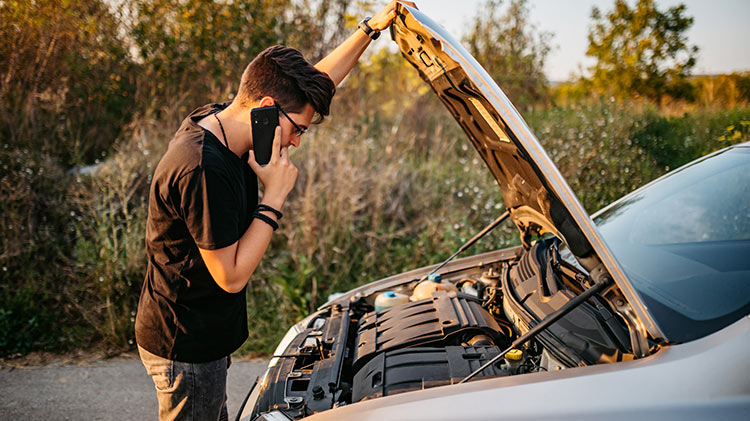
Credit: www.statefarm.com
Immediate Actions To Take
Sudden car failures can happen without warning. Knowing what to do right away keeps you safe.
Act quickly and calmly to handle the situation well. Follow the right steps to avoid accidents.
Staying Calm And Alert
Keep your cool when your car fails suddenly. Panic can make the situation worse.
Focus on your surroundings and stay aware of traffic. Look for safe spots to stop.
Safely Pulling Over
Slow down gently without braking hard. Use your signals to show other drivers your plan.
Move your vehicle to the shoulder or a safe area away from traffic. Stop as far from lanes as possible.
- Check mirrors before changing lanes
- Use turn signals early
- Pull over to a flat, stable spot
Using Hazard Lights Effectively
Turn on your hazard lights immediately. This warns other drivers that you have a problem.
Keep hazard lights on until you are safely off the road or help arrives. Use them even in daylight.
- Hazard lights alert drivers behind you
- Help prevent rear-end collisions
- Signal emergency or stopped vehicle status
Handling Specific Failures
Car problems can happen suddenly. Knowing how to react keeps you safe. Focus on key failures to handle them well.
Brake failure, engine stall, and tire blowouts are common emergencies. Learn clear steps to manage each one calmly.
Brake Failure Response
If your brakes stop working, stay calm and do not panic. Pump the brake pedal fast to build pressure.
Use the parking brake gently to slow the car. Shift to a lower gear to reduce speed. Look for a safe place to stop.
- Press the brake pedal repeatedly
- Apply the parking brake slowly
- Downshift to lower gears
- Turn on hazard lights
- Steer to a safe area
Engine Stall Procedures
If the engine stalls, try to restart it while keeping control of the steering wheel. Keep calm and focus on the road.
If you cannot restart, turn on hazard lights and steer the car to the roadside. Avoid sudden moves and use your signals.
- Try restarting the engine
- Hold the steering wheel firmly
- Turn on hazard lights
- Signal and move to the shoulder
- Use emergency brake if needed
Tire Blowout Tips
A tire blowout causes sudden loss of control. Do not brake hard or turn sharply. Hold the steering wheel tight.
Slow down gradually by easing off the gas. Steer straight until the car stops safely. Turn on hazard lights and change the tire if possible.
- Keep a firm grip on the wheel
- Do not slam the brakes
- Ease off the gas pedal slowly
- Steer straight to stop safely
- Turn on hazard lights
- Change the tire when safe
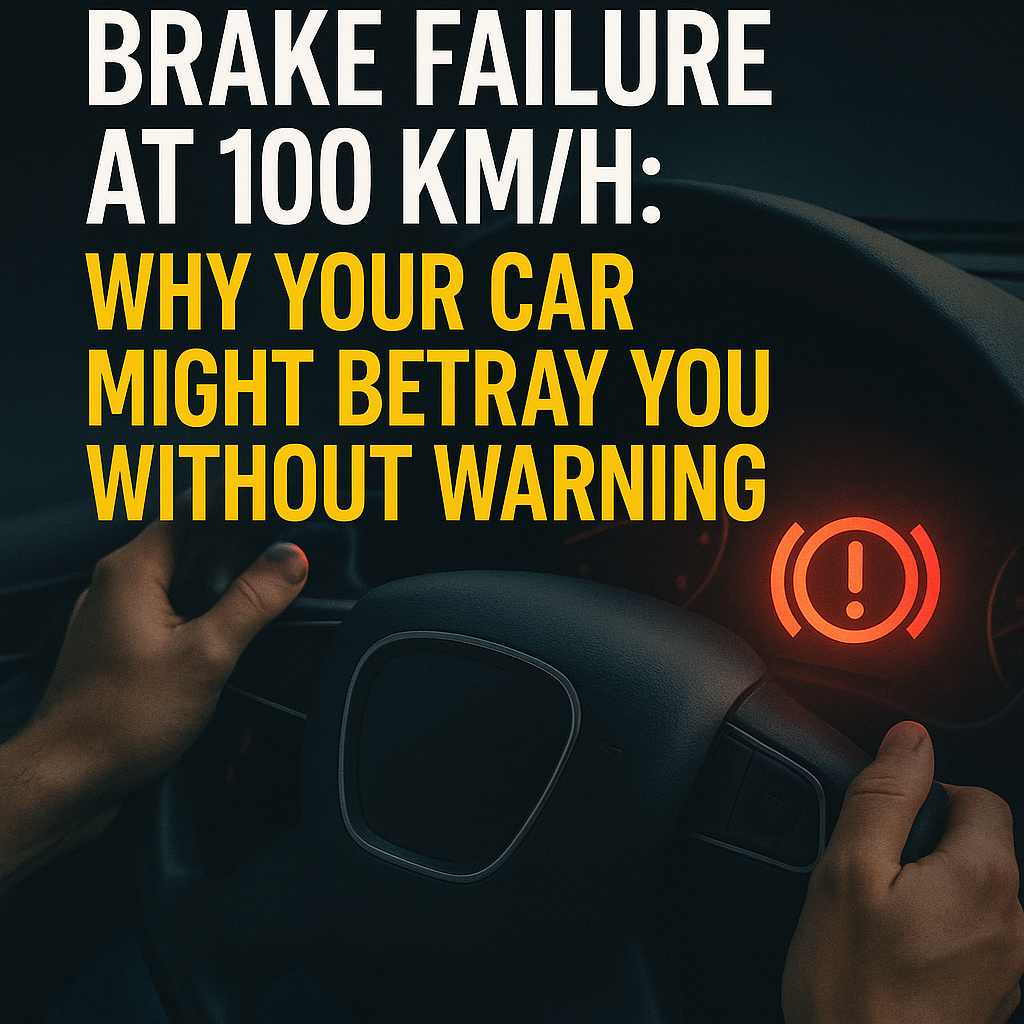
Credit: roadking.ng
Preparing Your Vehicle
Sudden car failures can happen without warning. Being ready helps you stay safe and calm.
Taking simple steps to prepare your vehicle lowers risks and protects you on the road.
Regular Maintenance Checks
Check your car often to find problems early. Look at fluids, tires, and brakes.
- Inspect tire pressure and tread depth monthly
- Check engine oil and coolant levels regularly
- Test brake function before long drives
- Replace worn-out wiper blades and lights
- Listen for unusual sounds or smells
Emergency Kit Essentials
Keep a kit in your car for unexpected breakdowns or accidents. It should have key items you might need.
| Item | Purpose |
| Flashlight with extra batteries | See in the dark or signal for help |
| First aid kit | Treat minor injuries |
| Jumper cables | Start a dead battery |
| Reflective warning triangles | Warn other drivers |
| Basic tools | Fix small issues |
| Blanket and water | Stay warm and hydrated |
Keeping Important Contacts Handy
Have a list of phone numbers for quick help. Keep it in your phone and glove box.
- Roadside assistance service
- Local tow truck companies
- Trusted mechanic or garage
- Emergency contacts like family or friends
- Police and ambulance numbers
Safety Precautions For Passengers
Sudden car failures can cause panic among passengers. Staying calm and following safety rules keeps everyone safe. Knowing what to do helps prevent injuries.
Drivers should act quickly and clearly to protect passengers. Passengers must listen carefully and follow instructions without delay.
Communicating With Passengers
Clear communication is vital during a car failure. The driver should speak calmly and explain what is happening. This helps reduce fear and confusion.
- Use simple words and short sentences.
- Tell passengers to stay seated and calm.
- Give clear directions about what to do next.
- Keep everyone informed about the situation.
Ensuring Seatbelt Use
Seatbelts protect passengers during sudden stops or crashes. Always check that everyone is buckled up before the trip starts.
| Action | Reason |
| Fasten seatbelt properly | Prevents injuries during sudden stops |
| Check seatbelt for damage | Ensures it works correctly |
| Remind passengers to stay buckled | Keeps them safe if failure occurs |
Safe Evacuation Methods
Evacuating the car safely is crucial after a failure. Passengers should leave the vehicle only when it is safe to do so.
Follow these steps for safe evacuation:
- Turn off the engine.
- Open doors carefully and check outside for dangers.
- Help children and elderly passengers exit first.
- Move to a safe distance away from the car.
- Stay visible and wait for help to arrive.
Credit: www.carparts.com
Using Technology And Assistance
Sudden car failures can be stressful. Technology can help in these situations. Knowing how to use tech can keep you safe.
There are tools and apps designed to assist drivers. They provide quick support and directions. Learning about these can make a big difference.
Emergency Call Systems
Emergency call systems are built into many cars. They connect you to help fast. These systems alert services if you need help.
Some cars call for help after a crash. They use sensors to detect impacts. This can save lives by getting help quickly.
Roadside Assistance Apps
Roadside assistance apps are handy. They help find nearby towing services. You can request help with a few taps.
These apps show your location to service providers. This speeds up rescue times. They often include features like tracking the help’s arrival.
- Request a tow truck
- Find fuel delivery
- Get lockout assistance
Gps And Navigation Tools
GPS and navigation tools are useful in car failures. They help you find the nearest service station. Knowing your location is key to getting help.
They provide alternate routes to avoid traffic. This is crucial if your car can still move a bit. Access to maps offline can also be a lifesaver.
Frequently Asked Questions
What Immediate Steps Should I Take After Sudden Car Failure?
Stay calm and safely pull over to the roadside. Turn on hazard lights to alert others. Call roadside assistance or emergency services promptly. Avoid trying to fix the issue yourself unless qualified. Stay inside the vehicle if the location is unsafe.
How Can I Prevent Sudden Car Failures?
Regularly service your car according to the manufacturer’s schedule. Check fluids, brakes, tires, and battery health frequently. Address warning lights immediately to avoid breakdowns. Keep emergency tools and a first-aid kit in your car for safety.
What Are Common Causes Of Sudden Car Failures?
Common causes include battery failure, flat tires, engine overheating, and fuel issues. Electrical system faults and brake problems can also cause sudden breakdowns. Regular maintenance helps identify these issues early, reducing the risk of unexpected failures.
How To Stay Safe During A Sudden Car Breakdown?
Move your car off the road if possible to avoid accidents. Use hazard lights and warning triangles to alert other drivers. Stay inside your vehicle with doors locked if the area is unsafe. Call for professional help rather than attempting repairs yourself.
Conclusion
Sudden car failures can happen anytime and anywhere. Staying calm helps you think clearly and act fast. Keep basic tools and emergency numbers in your car. Regular car checks reduce the chance of breakdowns. Know simple fixes like changing a tire or jump-starting.
Always call for professional help if unsure. Being prepared saves time and stress on the road. Drive safely and keep your vehicle in good shape. Small steps make big differences in tough moments. Stay alert and ready for anything while driving.







