
Imagine you’re on the road, and suddenly, an unexpected accident happens. What would you do if someone nearby got hurt?
Having a first aid kit in your car isn’t just a good idea—it could be the difference between quick help and a dangerous delay. You might think emergencies won’t happen to you, but being prepared is key to keeping yourself and others safe.
You’ll discover why a first aid kit in your car is essential and how it can give you peace of mind every time you drive. Keep reading to learn what every car first aid kit should have and how it can truly save lives.
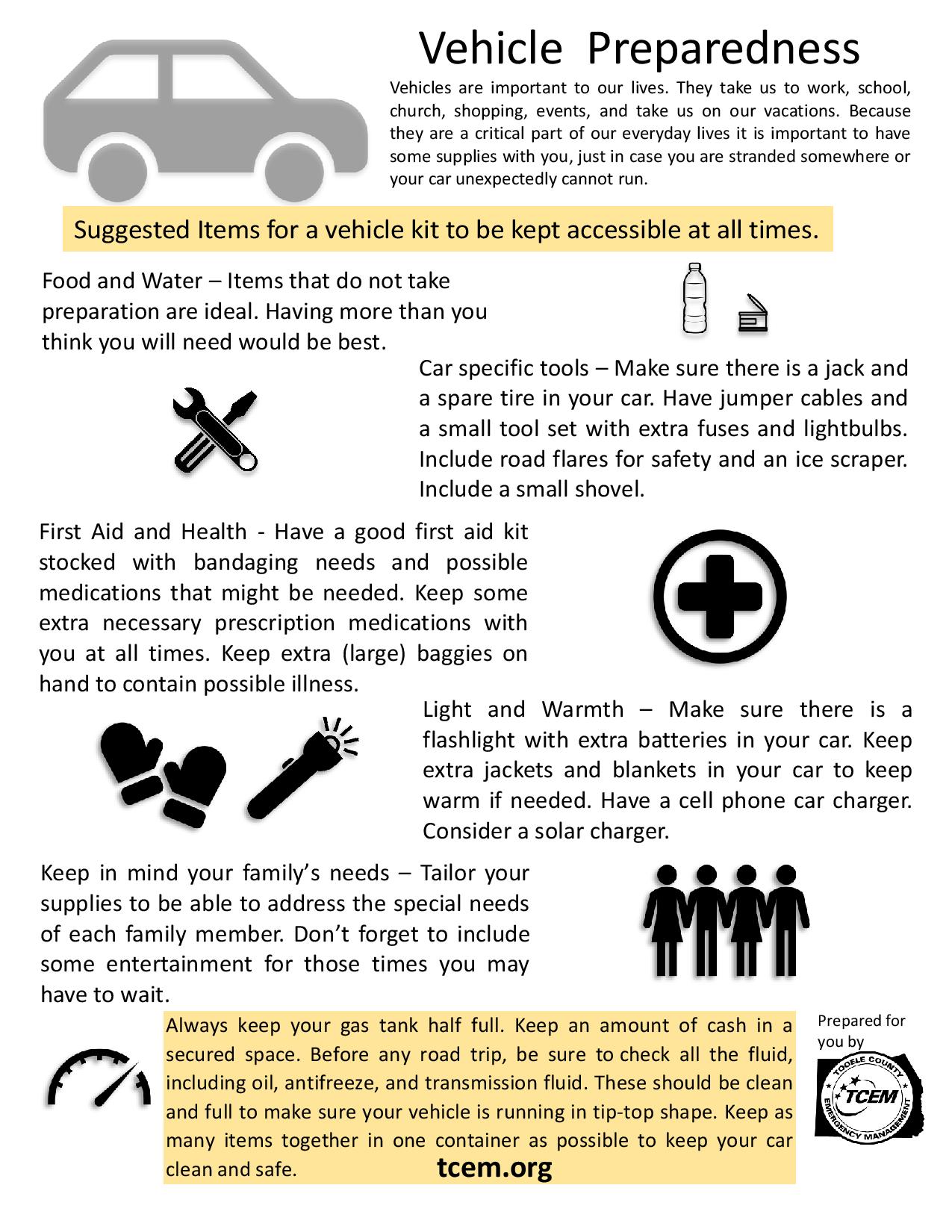
Credit: tcem.org
Why Carry A First Aid Kit In Your Car
Having a first aid kit in your car is important for safety. It helps you handle minor injuries quickly. You can also help others until professional help arrives.
Car accidents and unexpected health problems can happen anytime. A first aid kit gives you the tools to act fast and stay calm in emergencies.
Immediate Response In Emergencies
When an accident happens, every second counts. A first aid kit lets you provide quick care. You can stop bleeding, clean wounds, and reduce pain right away.
- Bandages to cover cuts and scrapes
- Antiseptic wipes to clean wounds
- Gauze pads to control bleeding
- Adhesive tape to hold dressings
- Disposable gloves to protect yourself
Reducing Severity Of Injuries
| Injury Type | First Aid Action | Effect |
| Minor Cuts | Clean and bandage wound | Prevents infection |
| Sprains | Apply cold pack | Reduces swelling |
| Burns | Cool with water | Limits skin damage |
| Bleeding | Apply pressure with gauze | Controls blood loss |
Using the right first aid steps lowers the risk of serious problems. It can keep injuries from getting worse before help arrives.
Peace Of Mind On The Road
Carrying a first aid kit gives you confidence. You know you can handle small injuries or help others. This makes driving less stressful.
Keep these tips in mind for your car first aid kit:
- Check your kit regularly for expired items
- Store the kit where it is easy to reach
- Learn basic first aid skills
- Include personal medications if needed
Key Items To Include In A Car First Aid Kit
Having a first aid kit in your car is very important. It helps you act quickly during accidents or sudden injuries.
A well-stocked kit can make a big difference before professional help arrives. Knowing what to include keeps you prepared.
Basic Supplies For Minor Injuries
Basic supplies help treat small cuts, scrapes, and burns. These items stop bleeding and protect wounds from infection.
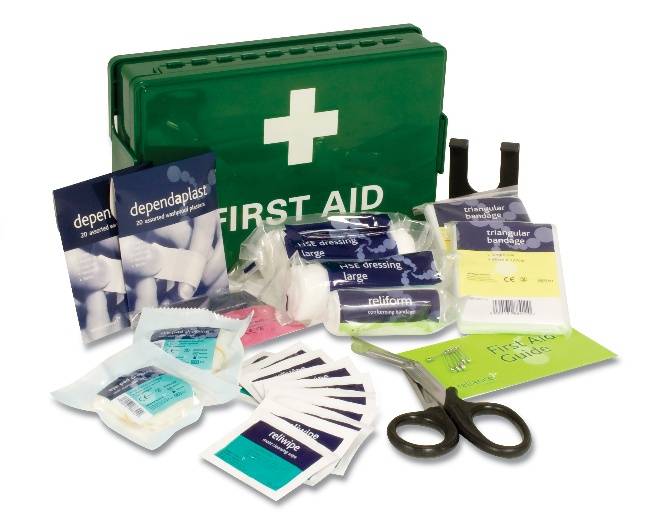
- Adhesive bandages in various sizes
- Sterile gauze pads and adhesive tape
- Antiseptic wipes or solution
- Antibiotic ointment
- Disposable gloves to keep hands clean
- Small scissors and tweezers
- Burn cream or gel
- Instant cold packs
Tools For Serious Emergencies
Serious emergencies need special tools. These items help control heavy bleeding and support injured parts.
- Elastic bandages for sprains and strains
- CPR face shield or mask
- Emergency blanket to prevent shock
- Tourniquet for severe bleeding
- Flashlight with extra batteries
- Whistle to signal for help
- Multi-tool knife for various needs
Personalized Items For Specific Needs
Add items based on your family’s health needs. This ensures everyone gets the right help fast.
- Prescription medications
- Allergy medicine or EpiPen
- Extra glasses or contact lens supplies
- Any special medical devices
- Emergency contact information
Choosing The Right First Aid Kit For Your Vehicle
Keeping a first aid kit in your car is important. It helps you handle small injuries during travel. Choosing the right kit makes sure you are ready for emergencies.
There are many options for first aid kits. You can pick one that fits your needs and space. Learn what to look for before buying.
Pre-packaged Vs Custom Kits
Pre-packaged kits come with all basic supplies. They are easy to buy and use right away. Custom kits let you add items you think are important.
- Pre-packaged kits save time and effort
- Custom kits allow personal choices
- Check if pre-packaged kits have items you need
- Custom kits need careful planning to avoid missing items
Size And Portability Considerations
First aid kits come in many sizes. A small kit is easy to carry and store in your car. Bigger kits have more supplies but take up more space.
| Kit Size | Best For | Portability |
| Small | Basic injuries and cuts | Fits glove compartment |
| Medium | More supplies for common accidents | Fits under seat or trunk |
| Large | Complete emergency care | Takes more space in trunk |
Durability And Storage Options
Your first aid kit should be strong and water-resistant. It protects supplies from damage. Choose a case that fits your car and stays secure during travel.
- Look for hard plastic or sturdy fabric cases
- Check if the kit has a handle or strap for easy carrying
- Store the kit where it is easy to reach in an emergency
- Avoid places exposed to heat or moisture
Credit: www.zigwheels.ph
Maintaining And Updating Your First Aid Kit
A first aid kit in your car can help during emergencies. It is important to keep it ready and complete. Regular maintenance keeps the kit useful when you need it most.
Check the kit often to make sure all items are in good condition. Replace anything that is missing or expired. Adjust the kit to fit different seasons and situations.
Checking Expiry Dates
Many first aid items expire over time. These include medicines, ointments, and sterile supplies. Using expired items can be unsafe or ineffective.
- Look at each item’s expiration date.
- Remove expired items from the kit.
- Replace them with new ones before the date passes.
- Check the kit every six months for expiry.
Replacing Used Or Damaged Items
Items get used or damaged during an emergency or accident. Replace these items quickly to keep the kit complete. A missing item can cause delays in treatment.
| Item | Action |
| Bandages | Replace after use or if torn |
| Antiseptic wipes | Add new pack if opened |
| Adhesive tape | Check for stickiness, replace if weak |
| Scissors | Ensure sharpness, replace if dull |
| Gloves | Replace if torn or used |
Seasonal And Situational Adjustments
Change your first aid kit contents based on the season or travel plans. Different weather and locations may need special items.
- In winter, add extra blankets and cold packs.
- In summer, include sunscreen and insect repellent.
- For long trips, add more water and personal medicines.
- Adjust the kit if you carry children or pets.
Legal And Safety Regulations For Car First Aid Kits
First aid kits in cars help drivers respond to injuries fast. Many countries have rules about carrying these kits. These laws make sure people are ready for emergencies on the road.
Following safety regulations protects drivers and passengers. It also helps reduce risks during accidents.
Requirements By Country Or Region
Each country or region sets different rules for first aid kits in cars. Some places require specific items in the kit. Others demand that every vehicle carry one.
- In Germany, all cars must have a first aid kit that meets DIN standards.
- In the United Kingdom, carrying a first aid kit in a car is not legally required but highly recommended.
- Australia requires commercial vehicles to carry first aid kits that meet Australian standards.
- In the United States, rules vary by state, with many recommending kits but not always requiring them.
Recommendations From Safety Organizations
Safety groups suggest what items a car first aid kit should include. They focus on common injuries that happen in car accidents.
- Bandages and gauze for cuts and scrapes
- Antiseptic wipes to clean wounds
- Adhesive tape and scissors
- Disposable gloves to avoid infection
- Instructions for basic first aid
Organizations like the Red Cross and WHO provide clear guidelines. These help drivers build effective first aid kits for emergencies.
Insurance Benefits And Compliance
Some insurance companies offer benefits if cars have first aid kits. Having a kit can show responsible driving.
Compliance with safety rules may lower insurance costs. It also helps in claims if an accident happens.
- Discounts for vehicles equipped with safety gear
- Faster claim processing with proof of first aid readiness
- Reduced risk of severe injury in accidents
First Aid Tips For Drivers And Passengers
Having a first aid kit in your car can be lifesaving. It helps you handle minor injuries immediately. This guide shares essential skills and tips for every driver and passenger.
Knowing what to do in an emergency can make a big difference. From treating cuts to knowing when to call for help, these skills are vital.
Basic Skills Everyone Should Know
Every driver and passenger should know some basic first aid skills. These skills are easy to learn and can be practiced regularly.
- How to clean a wound and apply a bandage
- Recognizing signs of shock and what to do
- Performing CPR if someone stops breathing
Handling Common Roadside Injuries
Roadside injuries can range from minor to severe. Knowing how to handle them can prevent complications.
| Injury | Immediate Action |
| Small Cuts | Clean and bandage |
| Burns | Cool with water |
| Sprains | Rest and apply ice |
When To Seek Professional Help
Not all situations can be handled with a first aid kit. Knowing when to seek professional help is crucial for serious conditions.
- Severe bleeding that won’t stop
- Difficulty breathing or chest pain
- Loss of consciousness
Credit: x.com
Frequently Asked Questions
Why Is A First Aid Kit Essential In Cars?
A first aid kit in cars helps handle minor injuries immediately. It provides necessary supplies during emergencies, improving safety. Quick access to first aid can prevent complications and stabilize injuries until professional help arrives. It ensures preparedness for unexpected accidents on the road.
What Should A Car First Aid Kit Include?
A car first aid kit should include bandages, antiseptic wipes, adhesive tape, scissors, and gloves. It should also have pain relievers, tweezers, and a first aid manual. These items cover common injuries, ensuring basic medical aid during car emergencies.
How Often Should Car First Aid Kits Be Checked?
Car first aid kits should be checked every six months. Regular checks ensure supplies are complete and not expired. Replace used or outdated items promptly to maintain readiness for emergencies while traveling.
Can A First Aid Kit Save Lives During Accidents?
Yes, a first aid kit can save lives by providing immediate care. It helps control bleeding, treat shock, and manage injuries until help arrives. Timely first aid reduces complications and increases survival chances in car accidents.
Conclusion
Keeping a first aid kit in your car saves lives and reduces injury risks. Emergencies happen without warning. Quick help makes a big difference. A well-stocked kit prepares you for many situations. Everyone should have one, no matter the trip length.
Check and refill your kit regularly. Stay safe, stay ready, and drive with peace of mind.







