
Have you ever faced a flat tire only to find your spare isn’t ready to save the day? Your spare tire is your safety net when trouble strikes on the road.
But how often do you check if it’s in good shape? Ignoring your spare tire’s condition could leave you stranded when you need it most. You’ll learn simple and effective steps to check your spare tire, ensuring it’s always ready to roll.
Keep reading to discover how a few quick checks can give you peace of mind and keep your journeys smooth and safe.
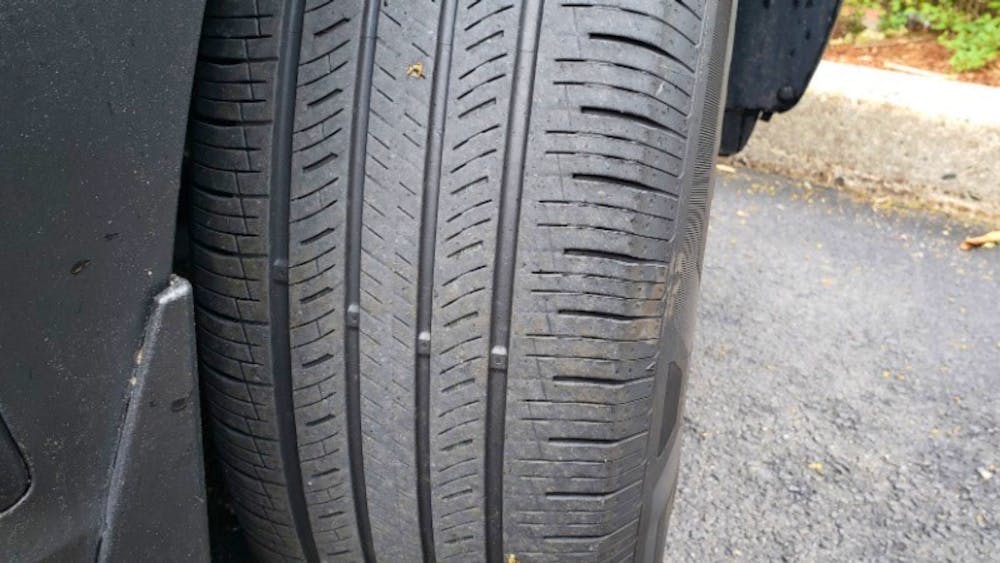
Credit: www.cartalk.com
Spare Tire Types
Spare tires help you drive safely after a flat tire. They come in different types for various uses.
Knowing the types of spare tires helps you check and use them properly.
Full-size Vs Compact
Full-size spare tires are the same size as your regular tires. They offer good performance and can be used for a long time.
Compact spare tires, also called “donuts,” are smaller and lighter. They save space but are for short-term use only.
- Full-size tires fit like normal tires
- Compact tires are smaller and narrower
- Full-size tires last longer on the road
- Compact tires limit speed and distance
Temporary Spare Tires
Temporary spare tires are designed for short use. They help you reach a repair shop safely.
These tires often have limits on speed and distance. Check the tire label for rules before driving.
- Use temporary tires only for emergencies
- Drive slower than usual with these tires
- Replace them with regular tires quickly
Credit: www.silveradosierra.com
Visual Inspection Tips
Checking your spare tire regularly keeps it ready for use. A careful visual inspection reveals problems early.
Look closely at your tire for damage or wear. Use these tips to know what to check.
Check For Cracks And Dry Rot
Cracks and dry rot weaken the tire rubber. Check the sidewalls and tread for small lines or splits. These signs mean the tire may fail.
Look at the tire surface under good light. If you see many cracks or dry areas, it is time to replace the tire.
Inspect Tread Depth
Tread depth affects tire grip and safety. Use a tread depth gauge or a simple coin test to measure it.
- Place a coin in the tread grooves.
- Check how much of the coin is covered by the tread.
- Less coverage means shallow tread depth.
- Replace the tire if the tread is too low.
Look For Foreign Objects
| Object Type | Possible Damage | Action |
|---|---|---|
| Nails or Screws | Punctures that cause air leaks | Remove and patch or replace tire |
| Glass or Sharp Stones | Surface cuts or embedded fragments | Clean and inspect for deeper damage |
| Metal Fragments | Possible sidewall damage | Check carefully; replace if needed |
Check the tire carefully for objects stuck in the tread or sidewall. Remove items and inspect for damage.
Measuring Tire Pressure
Checking your spare tire’s pressure is very important. A tire with low pressure can be unsafe to use.
Measuring tire pressure helps you know if your spare tire is ready for use in an emergency.
Recommended Pressure Levels
Each tire has a recommended pressure level. This is usually shown on a sticker inside your car door.
Spare tires often need higher pressure than regular tires. Check your car manual for exact numbers.
- Most spare tires require 60 PSI (pounds per square inch)
- Regular tires usually need 30 to 35 PSI
- Keep the tire pressure at the recommended level for safety
Using A Tire Pressure Gauge
A tire pressure gauge helps you measure the air pressure inside your tire. It is easy to use.
Remove the valve cap from the tire and press the gauge on the valve stem. Read the pressure number.
- Use a digital or analog gauge for accurate readings
- Check pressure when the tire is cold for best results
- Add air if the pressure is below the recommended level
- Replace the valve cap after measuring
Tire Age And Replacement
Checking your spare tire’s condition is important for safety. Tires get old even if you do not use them often.
Knowing the tire’s age helps you decide when to replace it. Old tires can fail and cause accidents.
Manufacture Date Codes
Each tire has a code showing its manufacture date. It is on the tire sidewall inside a small oval or rectangle.
The code has four numbers. The first two show the week, the last two show the year.
- Example: 2519 means the tire was made in the 25th week of 2019.
- Check this code to know your spare tire’s exact age.
When To Replace Your Spare
Spare tires usually last about six years from the manufacture date. Replace them after this time even if they look fine.
Also replace your spare if it has cracks, dry rot, or damage. Old tires lose strength and grip on the road.
- Replace spare tires every six years or sooner if damaged.
- Store your spare in a cool, dry place to slow aging.
- Check tire pressure regularly to keep it ready for use.
Proper Storage Practices
Keeping your spare tire in good shape needs careful storage. Proper storage helps avoid damage and keeps the tire ready for use.
Two key areas to focus on are avoiding sunlight and moisture, and securing the spare tire safely in your vehicle or storage spot.
Avoiding Sunlight And Moisture
Sunlight and moisture can cause serious damage to your spare tire. UV rays make rubber brittle and cracks may form. Moisture leads to rust on metal parts and can weaken the tire.
- Store the tire in a cool, dry place away from direct sunlight.
- Use a tire cover or wrap the tire in a plastic bag to protect it.
- Check the storage area often for signs of dampness or mold.
- Keep the tire off the ground using a shelf or stand.
Securing The Spare Tire
Securing the spare tire prevents damage during travel and keeps it from rolling or shifting. A loose tire can be dangerous inside a vehicle.
| Method | Benefits |
|---|---|
| Use mounting brackets | Keeps tire fixed and easy to access |
| Store in a dedicated tire well | Prevents movement and protects tire surface |
| Fasten with straps or bungee cords | Secures tire tightly in place |
| Check tire pressure regularly | Ensures tire stays ready for emergency use |
Routine Maintenance Schedule
Maintaining the condition of your spare tire is essential. It ensures safety on the road. Regular checks can prevent unexpected issues.
Follow a routine maintenance schedule. This helps keep your spare tire in optimal condition.
Monthly Checks
Monthly checks help detect early signs of wear or damage. This prevents potential problems.
- Inspect the tire for any visible damage or punctures.
- Check the tire pressure using a reliable gauge.
- Ensure the tread depth is within safe limits.
- Examine the sidewalls for cracks or bulges.
- Verify that the tire is properly mounted and secured.
Pre-trip Inspections
Before long trips, inspect your spare tire. This ensures readiness in case of emergencies.
| Inspection Point | What to Check |
| Tire Pressure | Adjust to recommended levels |
| Tread Depth | Use a tread depth gauge |
| Visual Damage | Look for cuts or punctures |
| Mounting | Ensure it is securely fastened |
Regular inspections can save time and money. They also provide peace of mind during your travels.
Credit: www.diychatroom.com
Frequently Asked Questions
How Often Should I Check My Spare Tire Condition?
Check your spare tire every six months or before long trips. Regular inspection ensures it is safe and ready for use when needed.
What Signs Indicate A Spare Tire Needs Replacement?
Look for cracks, dry rot, low pressure, or tread wear. Any damage or aging means the spare tire should be replaced promptly.
How Do I Measure The Air Pressure In A Spare Tire?
Use a tire pressure gauge on the valve stem. Compare the reading with the vehicle’s recommended pressure for optimal safety.
Can I Use An Old Spare Tire In An Emergency?
Using an old spare is risky if it shows damage or low pressure. Always inspect and maintain your spare tire for emergencies.
Conclusion
Checking your spare tire regularly keeps you safe on the road. A good spare tire works when you need it most. Look for cracks, low air pressure, or worn tread. Keep it clean and properly stored to avoid damage. Simple checks take only a few minutes but save time later.
Stay prepared by making tire care part of your routine. Don’t wait for an emergency to find problems. Your safety depends on a reliable spare tire. Take small steps today to avoid big troubles tomorrow.







