
Have you ever wondered why your tires wear out faster than expected? The secret often lies in your wheel alignment.
When your wheels aren’t properly aligned, your tires face uneven pressure and friction. This not only shortens their lifespan but also affects your car’s performance and safety. If you want to save money, drive smoothly, and keep your tires in great shape, understanding the importance of wheel alignment is key.
Keep reading to discover how a simple adjustment can make a big difference for your tires and your driving experience.

Credit: trailtire.com
Role Of Wheel Alignment
Wheel alignment means adjusting the angles of your car’s wheels. It helps the tires stay in the right position. Proper alignment keeps the car driving straight and smooth.
Good wheel alignment protects tires from wearing out quickly. It also improves fuel efficiency and safety on the road.
How Alignment Affects Tires
When wheels are aligned correctly, tires wear evenly. Uneven wear can cause tires to lose grip and need early replacement. Misaligned wheels make the car pull to one side, which is unsafe.
- Improves tire life by reducing uneven wear
- Enhances fuel economy by lowering rolling resistance
- Boosts vehicle handling and stability
- Prevents steering wheel vibration and pulling
Common Alignment Issues
There are three main types of alignment problems. Each one affects tires differently and needs fixing to avoid damage.
| Alignment Issue | Description | Effect on Tires |
| Camber | Wheels tilt inward or outward | Causes uneven wear on one side of the tire |
| Toe | Wheels point inward or outward | Leads to feathered or scrubbed tire edges |
| Caster | Steering axis angle forward or backward | Affects steering but less on tire wear |
Signs Of Poor Alignment
Wheel alignment is important for your vehicle’s safety and tire life. Poor alignment causes problems while driving.
Knowing the signs helps you fix alignment issues early. This saves money and keeps your tires lasting longer.
Uneven Tire Wear
Bad alignment makes tires wear out unevenly. Some parts of the tire wear faster than others.
Uneven wear lowers tire life and can cause unsafe driving conditions.
- One side of the tire is more worn than the other
- Tires look bald or smooth in spots
- Tires wear out too quickly
Steering Problems
Poor alignment affects how your steering wheel feels. It can make driving harder and less safe.
You might notice the steering wheel is off-center or feels loose.
- Steering wheel does not return to center easily
- Steering wheel vibrates or shakes
- Steering feels loose or less responsive
Vehicle Pulling
Your car may pull to one side if alignment is bad. This means you must hold the wheel to keep it straight.
Pulling makes driving tiring and can cause accidents if you lose control.
- Vehicle drifts left or right on a straight road
- You need to correct the steering often
- Pulling happens even on smooth roads
Benefits Of Proper Alignment
Proper wheel alignment keeps your car’s tires pointing in the right direction. This helps your tires wear evenly and last longer.
Good alignment also improves fuel use and makes driving safer. It helps your vehicle run smoothly and saves money.
Extended Tire Life
When wheels are aligned correctly, tires wear evenly. This means you do not need to replace tires often.
Uneven tire wear can cause bald spots and weak areas. Proper alignment avoids these problems and protects your tires.
Improved Fuel Efficiency
Misaligned wheels make your car work harder to move. This uses more fuel and wastes money.
Correct alignment reduces rolling resistance. Your engine uses less fuel, saving you money on gas.
Enhanced Driving Safety
Proper wheel alignment helps your car handle better. It keeps your vehicle stable and easy to control.
Good alignment prevents pulling to one side. It reduces tire wear that can cause blowouts, making driving safer.
When To Check Alignment
Wheel alignment is important to keep your tires healthy and your car running smoothly. Checking alignment at the right times helps avoid uneven tire wear.
Proper alignment saves money by extending tire life and improving fuel efficiency. Know when to get your wheels checked.
Routine Maintenance Schedule
Check wheel alignment regularly as part of your car’s maintenance. Many experts suggest checking it every 6,000 to 10,000 miles.
This helps catch small issues before they damage your tires or suspension. Regular checks keep your car safe and comfortable.
- Check alignment every 6,000 to 10,000 miles
- Inspect tires for uneven wear monthly
- Have alignment checked during tire rotations
After Suspension Repairs
Suspension repairs can change your wheel angles. Always check alignment after fixing shocks, struts, or control arms.
Misaligned wheels after repairs cause uneven tire wear and poor handling. A quick alignment check ensures your car drives right.
- Check alignment after replacing shocks or struts
- Inspect after control arm or tie rod repairs
- Ensure proper angles after any suspension work
Following Impact Or Accidents
Hitting potholes, curbs, or having accidents can knock your wheels out of alignment. Check alignment soon after any impact.
Even small impacts can harm tire life and car control. Early alignment checks prevent bigger problems and keep driving safe.
- Check alignment after hitting potholes or curbs
- Inspect wheels after minor or major accidents
- Watch for pulling or vibrations after impacts
Diy Vs Professional Alignment
Wheel alignment is key to making tires last longer. Proper alignment keeps tires from wearing unevenly. Some car owners try to check alignment at home. Others prefer to pay for expert help.
This article looks at the limits of home checks. It also shows why expert service is useful.
Limitations Of Home Checks
Checking wheel alignment at home is not easy. Most people lack the right tools. Also, it is hard to see small alignment problems.
Simple home checks may miss issues that cause tire damage. DIY methods can only catch big problems. They cannot measure angles accurately.
- Need special equipment for accurate checks
- Difficult to measure camber, caster, and toe angles
- Can miss small but harmful misalignments
- May lead to incorrect adjustments
- Time-consuming without professional skills
Advantages Of Expert Service
Professional alignment uses advanced tools. Experts measure all wheel angles precisely. They fix small issues before tire wear starts.
Experts save you money by extending tire life. They also improve car safety and fuel efficiency.
- Use precise machines for accurate results
- Fix alignment to factory settings
- Prevent uneven tire wear
- Improve vehicle handling and safety
- Save money on tires and fuel
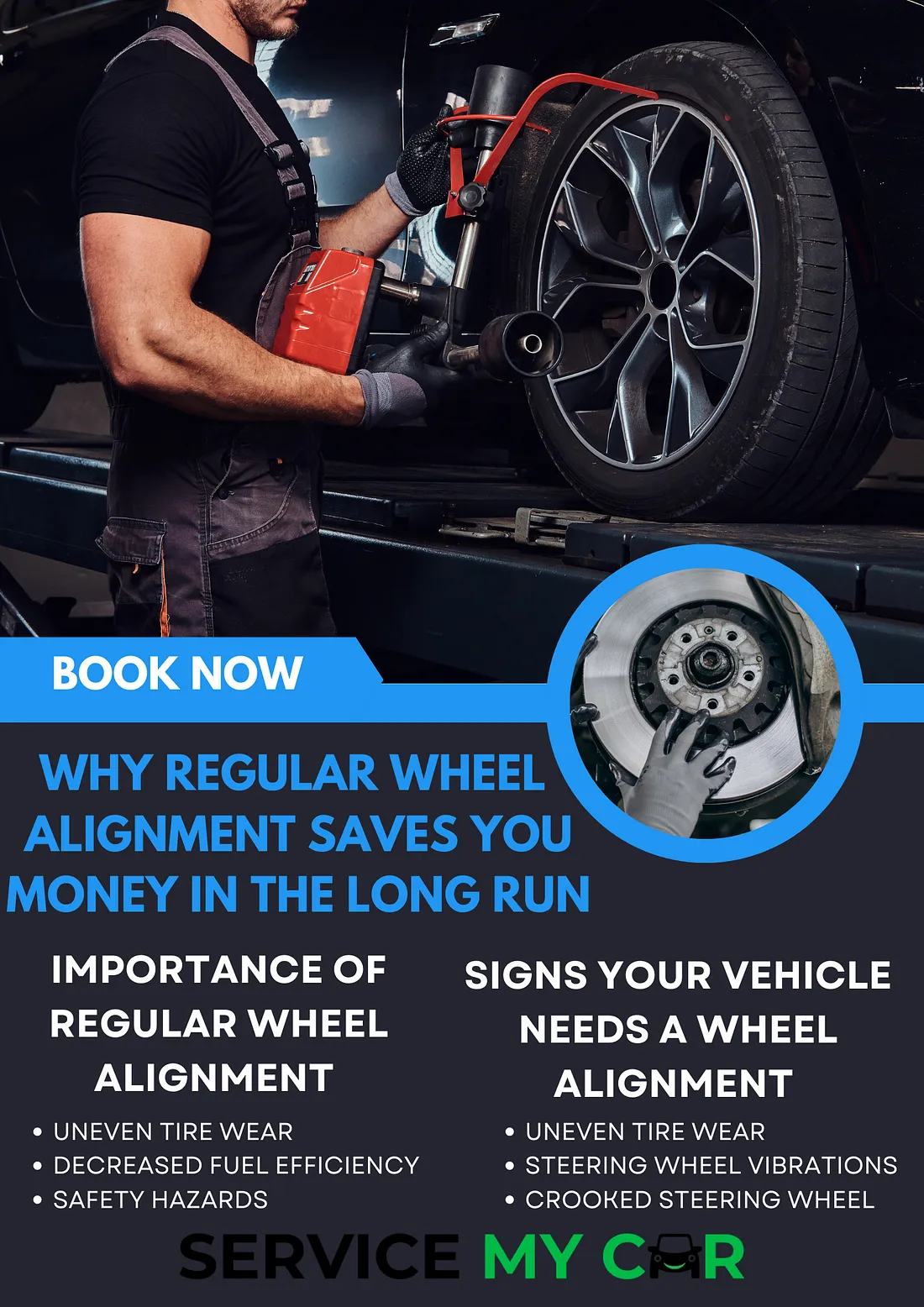
Credit: hackmd.io
Tips To Maintain Alignment
Proper wheel alignment is crucial for the health of your tires. It ensures even wear and extends tire life. Following simple tips can help maintain alignment.
Staying attentive to alignment can save you money. It also improves your car’s performance and safety. Learn how to keep your wheels aligned with these tips.
Regular Tire Inspections
Check your tires regularly. Look for uneven wear, which can signal misalignment. Inspect tires at least once a month.
Rotating your tires helps them wear evenly. Rotate them every 6,000 to 8,000 miles to maintain balance.
- Inspect tires monthly
- Rotate every 6,000 to 8,000 miles
- Check for uneven wear
Avoiding Road Hazards
Road hazards can damage alignment. Avoid hitting potholes and debris. Drive carefully over rough roads.
Slow down when approaching bumps and curbs. This reduces the impact on your tires and alignment.
- Avoid potholes and debris
- Drive slowly over bumps
- Steer clear of curbs
Maintaining Proper Tire Pressure
Check tire pressure regularly. Proper pressure keeps your tires aligned. Under-inflated tires can lead to misalignment.
Use a reliable gauge to check pressure. Keep a record of your tire pressure checks for easy reference.
- Check pressure monthly
- Use a reliable gauge
- Keep a pressure log

Credit: thewheelshopinc.com
Frequently Asked Questions
What Is Wheel Alignment And Why Is It Important?
Wheel alignment adjusts the angles of tires to manufacturer specifications. Proper alignment ensures even tire wear, better handling, and improved fuel efficiency. Misalignment can cause uneven tire wear and reduce tire life significantly.
How Does Wheel Alignment Affect Tire Life?
Correct wheel alignment prevents uneven tire wear by keeping tires properly angled. This extends tire lifespan and avoids premature replacements. Misaligned wheels increase friction and cause tires to wear out faster.
How Often Should I Get Wheel Alignment Checked?
It’s recommended to check wheel alignment every 6,000 miles or annually. Also, get it checked after hitting potholes or curb impacts. Regular checks maintain tire health and vehicle safety.
Can Bad Alignment Cause Tire Damage?
Yes, bad alignment leads to uneven tire wear, causing bald spots or tread damage. This reduces traction and increases the risk of blowouts. Timely alignment avoids costly tire damage.
Conclusion
Proper wheel alignment keeps tires wearing evenly and lasting longer. It helps your car drive smoothly and saves money on repairs. Misaligned wheels cause uneven tire wear and reduce fuel efficiency. Regular checks catch problems early and avoid costly damage.
Maintaining alignment protects your investment in tires and improves safety on the road. Simple steps make a big difference. Take care of your wheels for better performance and longer tire life.







