
Imagine facing a sudden emergency when cards don’t work, ATMs are down, and digital payments fail. What would you do?
Having cash on hand can be the difference between stress and security in those critical moments. You might not think about it often, but keeping some cash ready is one of the smartest moves you can make to protect yourself and your loved ones.
Read on to discover why having cash for emergencies is essential and how it can give you peace of mind when you need it most.
Why Cash Matters In Emergencies
Cash is a simple way to pay for things when emergencies happen. It works even if technology stops working.
Having cash ready can help you buy food, water, and other essentials fast. It is important to keep some cash for emergencies.
Cash Vs. Digital Payments
Digital payments need internet and power to work. Cash only needs to be in your hand.
In an emergency, digital systems may fail. Cash lets you pay without any machines or signals.
- Cash works offline
- Digital payments need electricity and internet
- Cash is accepted everywhere, even in power outages
When Atms And Cards Fail
ATMs and card machines can stop working during emergencies. Banks may close or systems may crash.
Without cash, you might not buy food or medicine when you need it most.
- Power outages can disable ATMs
- Card networks may go down
- Banks may limit cash withdrawals
Immediate Access To Funds
Cash gives you instant money. You do not wait for approvals or system checks.
This speed can be important to buy supplies or pay for urgent help during a crisis.
- No waiting for bank processes
- Use cash anytime and anywhere
- Good for quick emergencies
Credit: kayceeports.medium.com
How Much Cash To Keep
Keeping cash for emergencies is important. It helps when banks or cards do not work.
Deciding how much cash to keep depends on your needs and situation.
Assessing Your Emergency Needs
Think about what you would need if an emergency happens. This includes food, water, and transportation.
- Food and water for at least three days
- Gas or money for public transport
- Basic medical supplies
- Cash for emergency services or repairs
- Extra money for unexpected costs
Balancing Cash And Other Resources
Cash is useful, but it is good to have other resources too. You can use cards, digital payments, or trade goods.
| Resource Type | Pros | Cons |
| Cash | Works without power or internet | Can be lost or stolen |
| Credit/Debit Cards | Easy to carry and use | Needs power and internet |
| Digital Payments | Fast and contactless | Depends on devices and service |
| Trade Goods | Useful if money fails | Not always easy to exchange |
Safe Storage For Emergency Cash
Keeping cash for emergencies is smart. It helps when banks or cards fail.
Safe storage of this cash is very important. It prevents loss or damage.
Choosing Secure Locations
Select places that are hard for others to find or reach. Avoid obvious spots like drawers or wallets.
Consider locked boxes or safes inside your home. These provide extra protection.
- Use a fireproof safe
- Lock cash in a secure box
- Keep it away from windows and doors
Using Diversified Storage Spots
Do not keep all emergency cash in one place. Spread it across different spots.
This reduces risk if one spot is lost or stolen. It also helps during disasters.
- Store some cash in a safe at home
- Keep a small amount in a secure bag
- Consider trusted friends or family for backup storage
Protecting Cash From Damage
Cash can be ruined by water, fire, or pests. Protect it to keep it usable.
Use materials that shield cash from harm. This keeps money dry and intact.
- Store cash in waterproof containers
- Use plastic sleeves or zip-lock bags
- Keep cash away from heat sources
Essential Safety Tips For Emergency Cash
Keeping cash for emergencies is very important. It helps you pay for urgent needs when cards or banks are not available.
It is important to keep this cash safe and ready for use. Here are some tips to protect your emergency money.
Avoiding Theft And Loss
Keep your emergency cash in a safe place that only you know. Avoid carrying large amounts with you daily.
Use a lockbox or a hidden spot at home. Do not tell strangers about your cash storage.
- Use a secure container or safe
- Hide cash in multiple places
- Do not carry all cash at once
- Keep cash away from public view
Regularly Updating Cash Reserves
Check your emergency cash often to make sure it is enough. Add money regularly to keep the amount ready.
Remove old or damaged bills and replace them with new ones. This keeps your cash usable when needed.
- Count cash at least every six months
- Replace worn or torn bills
- Increase cash amount if your needs grow
- Store cash in small denominations for easy use
Informing Trusted Individuals
Tell a trusted family member or friend about your emergency cash. They can help if you lose access to it.
Make sure they know where to find the cash and how to use it only in emergencies.
- Choose a reliable person you trust
- Explain the purpose of the emergency cash
- Share the location of the stored cash
- Set clear rules for when to use the money
When To Use Emergency Cash
Emergency cash is crucial for unexpected situations. It helps when digital payments fail or are unavailable.
Knowing when to use emergency cash can save time and reduce stress in critical moments.
Natural Disasters And Power Outages
During natural disasters, banks and ATMs may be closed. Power outages stop card payments and online transactions.
- Buy essentials like food and water
- Pay for fuel or transport
- Purchase emergency supplies from local stores
Unexpected Travel Or Evacuation
Sometimes you must leave quickly. Emergency cash helps cover last-minute costs without relying on cards.
| Expense | Why Cash Helps |
| Taxi or rideshare | Drivers may not accept cards |
| Hotel or shelter fees | Some places prefer cash payments |
| Food and water | Buy from small vendors or stores |
Medical Emergencies
Medical costs can arise suddenly. Cash pays for urgent care, medicine, or transportation if cards don’t work.
Use emergency cash to:
- Pay for ambulance rides
- Buy medicine from nearby pharmacies
- Cover small hospital fees immediately
Credit: point.com
Combining Cash With Other Emergency Supplies
In emergencies, having cash is crucial. It helps when electronic payments fail. Cash supports you when buying necessary items. Combine it with other supplies for safety.
Keep cash ready with food, water, and medical kits. Also, prepare for communication and power backup needs. Remember to store important documents and IDs safely.
Food, Water, And Medical Kits
Food and water are vital in emergencies. Keep non-perishable food items. Store enough water for drinking and hygiene. Cash helps buy these supplies if they run out.
- Pack canned foods and dry snacks
- Store at least one gallon of water per person per day
- Include a basic medical kit with bandages and antiseptic
Communication And Power Backup
Stay connected during emergencies. Have a battery-operated radio. Keep a charged power bank for your phone. Cash can buy extra batteries and chargers.
- Battery-operated radio for news updates
- Power bank for charging devices
- Extra batteries and portable chargers
Important Documents And Ids
Keep important documents safe. Store them in a waterproof bag. Include IDs, insurance papers, and bank details. Cash can help replace lost documents if needed.
- Passports and identification cards
- Insurance papers and medical records
- Bank account details and emergency contacts

Credit: investor.vanguard.com
Frequently Asked Questions
Why Is Cash Important During Emergencies?
Cash is essential in emergencies because digital payments may fail. It provides immediate access to funds when ATMs or cards are unavailable. Having cash ensures you can buy necessities quickly and without relying on technology or power.
How Much Cash Should I Keep For Emergencies?
Experts recommend keeping at least $200 to $500 in cash for emergencies. This amount covers basic needs like food, water, and transport for a few days. Adjust your cash reserve based on your location and personal risk factors.
Where Is The Safest Place To Store Emergency Cash?
Store emergency cash in a secure, easily accessible place at home. Avoid obvious spots like wallets or drawers. Consider using a fireproof safe or hidden container to protect cash from theft or damage.
Can Cash Help During Natural Disasters?
Yes, cash is crucial during natural disasters when electronic systems fail. It allows you to purchase essentials from local stores or aid centers. Cash ensures you remain prepared even if card readers or online payments are down.
Conclusion
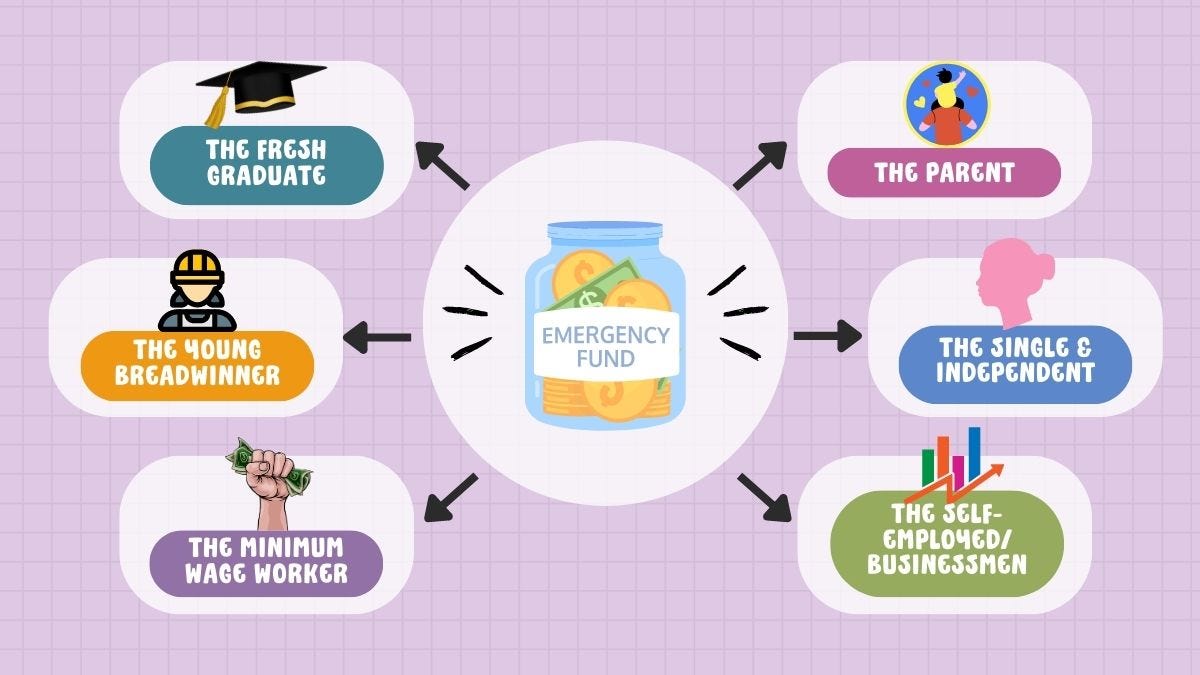
Keeping cash ready helps in sudden emergencies. It offers quick access to money when banks or cards fail. Cash supports basic needs like food, transport, and medicine. It brings peace of mind during uncertain times. Start saving small amounts regularly to build your emergency fund.
A little cash today can prevent big problems tomorrow. Stay prepared. Stay safe.







