
Have you ever wondered why some tires seem to help your car go farther on the same amount of fuel? The secret lies in something called tire rolling resistance.
Understanding this simple concept can save you money, improve your car’s performance, and even help the environment. You’ll discover what tire rolling resistance really means, how it affects your driving experience, and what you can do to choose the best tires for your needs.
Keep reading, because what you learn here could change the way you think about your tires forever.
Tire Rolling Resistance Basics
Tire rolling resistance is the force that slows down a tire as it rolls on a surface. It affects how much energy a vehicle uses to keep moving.
Understanding rolling resistance helps drivers know how tires impact fuel efficiency and driving comfort.
What Causes Rolling Resistance
Rolling resistance happens because tires change shape as they roll. This bending uses energy and creates friction.
- Deformation of the tire as it touches the road
- Friction between the tire and the road surface
- Internal friction inside the tire materials
- Heat buildup from the tire flexing
How Rolling Resistance Affects Driving
Higher rolling resistance means the engine works harder. This can lower fuel efficiency and reduce tire life.
| Effect | Impact on Driving |
| Fuel Efficiency | More rolling resistance lowers miles per gallon |
| Acceleration | Slower acceleration due to extra resistance |
| Heat Build-up | Can cause faster tire wear or damage |
| Comfort | Some rolling resistance helps absorb road bumps |
Impact On Fuel Efficiency
Tire rolling resistance is the energy lost when a tire rolls on the road. Lower rolling resistance means the tire uses less energy.
This can help a vehicle use less fuel and reduce emissions. Understanding this impact can help drivers save money.
Fuel Savings From Low Rolling Resistance Tires
Low rolling resistance tires need less energy to roll. This reduces the engine’s workload and fuel use.
Drivers can save fuel, especially on long trips or city driving where tires roll a lot.
- Improves miles per gallon (MPG)
- Reduces fuel costs over time
- Helps lower carbon emissions
Real-world Fuel Efficiency Examples
Many tests show cars with low rolling resistance tires use less fuel. Savings range from 3% to 7% on average.
Electric and hybrid cars also benefit, extending their driving range with less battery use.
| Vehicle Type | Fuel Efficiency Improvement | Test Condition |
|---|---|---|
| Sedan | 5% | City driving |
| SUV | 4% | Highway driving |
| Hybrid Car | 6% | Mixed driving |
Effects On Vehicle Performance
Tire rolling resistance is the force that tires use to roll on the road. It affects how much energy a vehicle needs to move.
Lower rolling resistance helps improve fuel efficiency and reduces strain on the engine. It also changes how the vehicle handles and how long tires last.
Acceleration And Handling
Higher rolling resistance means the vehicle needs more power to accelerate. This can make the car feel slower and less responsive.
Rolling resistance also affects handling. Tires with low resistance often have better grip and control, helping the vehicle stay stable during turns.
Tire Wear And Durability
Tires with high rolling resistance usually wear out faster. This happens because they generate more heat and friction with the road.
Low rolling resistance tires can last longer but may sometimes sacrifice toughness. Choosing the right tire depends on your driving needs.
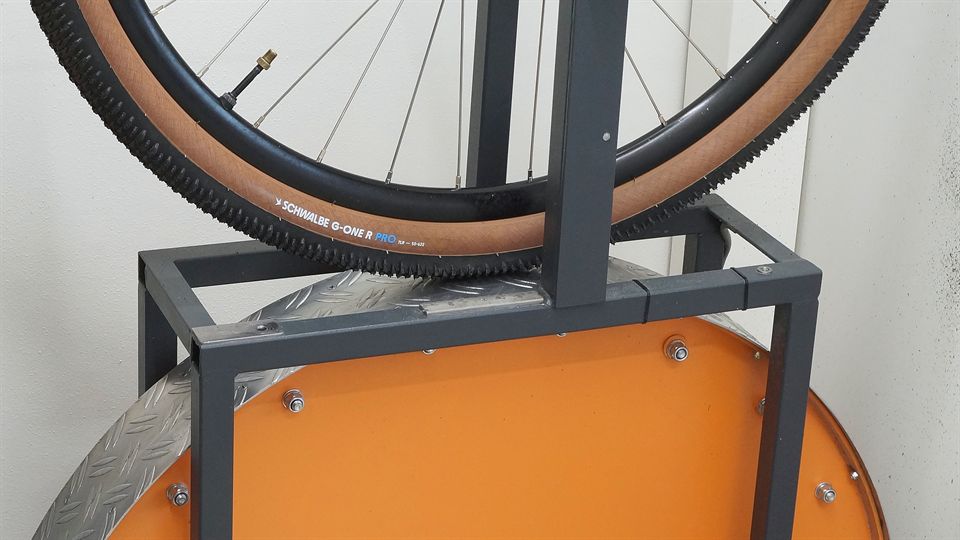
Credit: www.bicyclerollingresistance.com
Factors Influencing Rolling Resistance
Tire rolling resistance is the force that slows down a tire as it rolls on the ground. It affects how much energy a vehicle uses to move.
Several factors change rolling resistance. These include the tire’s materials, design, air pressure, and the road surface.
Tire Materials And Design
Tire materials like rubber type and additives affect how much the tire bends and heats up. Softer materials usually increase rolling resistance.
The design, such as tread pattern and tire shape, also matters. Smooth tires often have lower rolling resistance than knobby ones.
- Harder rubber reduces energy loss
- Slick tread designs lower friction
- Wide tires may increase resistance
Tire Pressure And Maintenance
Proper tire pressure keeps the tire shape firm. Low pressure makes the tire flatten more, raising rolling resistance.
Regular maintenance like checking air levels and fixing punctures helps keep resistance low and improves fuel efficiency.
- Check tire pressure monthly
- Fix leaks and damage quickly
- Rotate tires to wear evenly
Road Surface And Conditions
Rough or uneven roads increase rolling resistance. Smooth surfaces allow tires to roll easily.
Wet or slippery roads can also change tire grip, affecting how tires roll and their resistance.
- Asphalt has lower resistance than gravel
- Potholes cause extra energy loss
- Wet roads can increase tire slip
Choosing Low Rolling Resistance Tires
Tire rolling resistance means how hard a tire rolls on the road. Low rolling resistance tires need less energy to move.
Choosing these tires can save fuel and reduce emissions. They help your vehicle run more efficiently.
Key Features To Look For
Look for tires made with special rubber compounds. These reduce friction with the road.
Check the tire’s tread design. Tires with shallow and smooth treads have lower rolling resistance.
- Rubber compounds that reduce energy loss
- Shallow tread patterns for less friction
- Proper tire inflation to maintain low resistance
- Lightweight tire construction
Popular Tire Models And Brands
Many brands offer low rolling resistance tires. They focus on fuel efficiency and durability.
Some popular models balance good grip with low energy loss. These tires are widely available.
- Michelin Energy Saver A/S
- Bridgestone Ecopia EP422 Plus
- Continental PureContact LS
- Goodyear Assurance Fuel Max
- Pirelli Cinturato P7 All Season Plus

Credit: www.tandfonline.com
Tips To Reduce Rolling Resistance
Reducing tire rolling resistance can boost fuel efficiency. It also helps your tires last longer. Follow these simple tips to make your ride smoother.
Understanding and managing tire rolling resistance is key. It saves money and helps the environment. Let’s dive into some practical tips.
Proper Tire Inflation
Keeping your tires properly inflated is crucial. It minimizes the contact area with the road. This reduces the rolling resistance.
- Check tire pressure monthly
- Use a reliable pressure gauge
- Inflate tires to the manufacturer’s recommendations
Regular Tire Rotation And Alignment
Regular tire rotation and alignment ensure even wear. This helps in reducing rolling resistance over time.
| Service | Recommended Frequency |
| Tire Rotation | Every 5,000-8,000 miles |
| Wheel Alignment | Annually or as needed |
Driving Habits That Help
Your driving habits also play a role in reducing rolling resistance. Smooth driving can make a big difference.
- Avoid sudden stops and starts
- Maintain a steady speed
- Use cruise control on highways
Future Trends In Tire Technology
Tire technology is rapidly changing. New designs are making tires more efficient. Engineers focus on reducing rolling resistance. This helps save energy and fuel.
Innovations are also making tires more eco-friendly. These advancements are crucial for a sustainable future. Let’s explore these exciting trends.
Innovations For Lower Rolling Resistance
Lower rolling resistance helps vehicles use less energy. Engineers are creating new tire materials. These materials reduce friction with the road. This makes driving smoother and saves fuel.
Design changes also help. New tire shapes and patterns lower resistance. These tires improve fuel economy significantly. This is important for both cars and trucks.
- New rubber compounds reduce friction
- Advanced tread designs optimize contact with road
- Lightweight materials improve performance
Eco-friendly Tire Developments
Eco-friendly tires are better for the environment. They use sustainable materials in production. Recycled and renewable resources are becoming more common.
These tires produce less waste. They also last longer, which reduces the need for frequent replacements. This helps decrease the environmental impact.
- Use of recycled rubber in manufacturing
- Biodegradable materials in tire construction
- Longer lifespan reduces tire waste
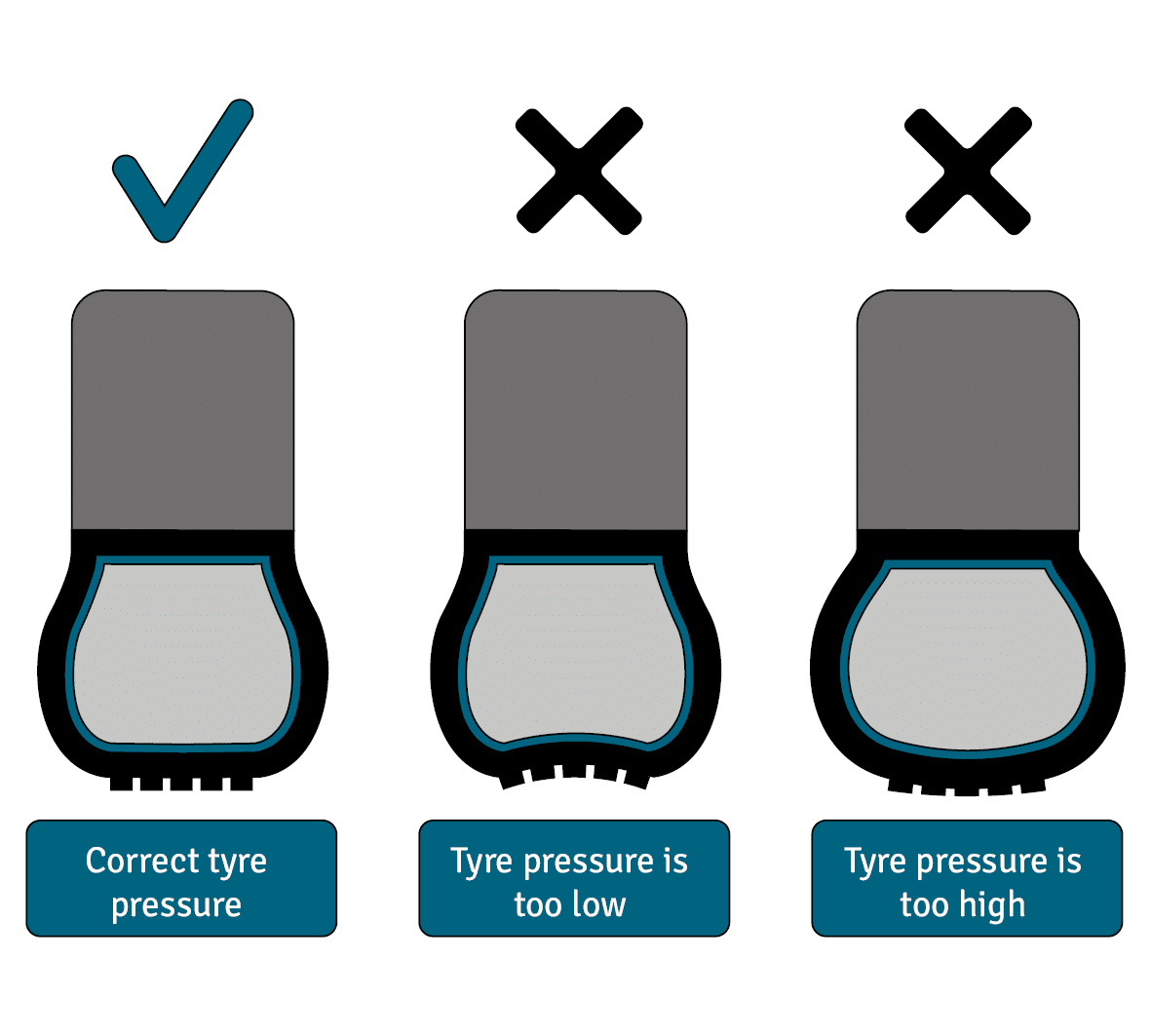
Credit: www.jungheinrich-profishop.co.uk
Frequently Asked Questions
What Is Tire Rolling Resistance In Simple Terms?
Tire rolling resistance is the energy lost when a tire rolls on a surface. It affects fuel efficiency and vehicle performance. Lower rolling resistance means less energy loss and better mileage.
How Does Rolling Resistance Impact Fuel Economy?
Higher rolling resistance requires more engine power, increasing fuel consumption. Tires with low rolling resistance improve fuel efficiency and reduce emissions.
What Factors Influence Tire Rolling Resistance?
Tire material, tread design, air pressure, and weight affect rolling resistance. Softer compounds and underinflated tires increase resistance, reducing efficiency.
Can Low Rolling Resistance Tires Affect Vehicle Safety?
Low rolling resistance tires are designed to balance efficiency and safety. They maintain good traction and handling but may have different wear characteristics.
Conclusion
Tire rolling resistance affects fuel efficiency and driving comfort. Lower resistance means your car uses less fuel. It also helps reduce carbon emissions. Choosing tires with good rolling resistance benefits both your wallet and the environment. Remember, small changes can make a big difference.
Keep this in mind when buying tires next time. Understanding rolling resistance helps you make smarter choices. Drive smarter, save fuel, and protect the planet.







