
Winter driving can be tough, but getting your car ready doesn’t have to be. If you want to stay safe and avoid unexpected problems on icy roads, you need to prepare your vehicle the right way.
You’ll discover simple, effective tips that make your car winter-ready. By following these steps, you’ll drive with more confidence and peace of mind, no matter how cold it gets. Keep reading to learn how to protect yourself and your car this winter.
Check Your Tires
Preparing your car for winter starts with checking the tires. Good tires help you drive safely on icy and snowy roads.
Make sure your tires are ready for cold weather. Inspect them carefully and replace if needed.
Inspect Tread Depth
Tread depth affects how well your tires grip the road. Worn tread can cause slipping on ice and snow.
Use a tread depth gauge or a penny to check. Insert the penny with Lincoln’s head down. If you see the top of his head, your tread is too low.
- Tread below 4/32 inches is unsafe for winter
- Replace tires if tread is worn out
- Good tread helps water and snow pass under the tire
Switch To Winter Tires
Winter tires are made for cold and slippery conditions. They have special rubber that stays soft in low temperatures.
They also have deeper treads and unique patterns to improve traction on snow and ice. Using winter tires can reduce accidents.
- Install winter tires before the first snow
- Use all four winter tires for best control
- Store summer tires in a cool, dry place
Maintain Proper Tire Pressure
Tire pressure drops when temperatures fall. Low pressure makes tires wear faster and reduces fuel efficiency.
Check tire pressure every month and before long trips. Inflate tires to the pressure recommended in your car’s manual.
- Use a reliable tire pressure gauge
- Check pressure when tires are cold
- Adjust pressure for extra weight if needed

Credit: www.youtube.com
Test Your Battery
Your car’s battery works harder in cold weather. Testing it before winter helps avoid breakdowns. A weak battery can fail when you need it most.
Check your battery’s condition early. You can spot problems and fix them before winter arrives.
Look For Corrosion
Corrosion appears as a white or blue powder on battery terminals. It stops electricity flow and weakens the battery.
- Turn off the engine before inspecting.
- Check terminals and cables for buildup.
- Clean corrosion with a mix of baking soda and water.
- Use a brush to scrub terminals gently.
- Wear gloves and eye protection during cleaning.
Check Battery Charge
Measuring the battery charge tells if it holds enough power. You can use a voltmeter or visit a mechanic.
| Voltage Level | Battery Condition |
| 12.6 volts or higher | Fully charged |
| 12.4 to 12.6 volts | Partially charged |
| Below 12.4 volts | Needs charging or replacement |
Replace If Necessary
If your battery is old or weak, replacing it is safer. Cold weather stresses old batteries and causes failures.
Signs you need a new battery:
- Engine takes longer to start
- Dashboard warning lights
- Battery age over 3-5 years
- Visible damage or leaks
Inspect Fluids
Checking your car’s fluids is important for safe winter driving. Cold weather affects how fluids work in your vehicle.
Make sure all fluids are at the right level and suitable for low temperatures. This helps your car run smoothly.
Use Winter-grade Oil
Winter-grade oil flows better in cold weather. It helps protect your engine during cold starts and keeps it lubricated.
Check your owner’s manual to find the recommended oil type for winter. Changing to winter-grade oil can improve engine performance.
Fill Antifreeze
Antifreeze stops the engine coolant from freezing. It also prevents overheating by helping the engine stay at the right temperature.
- Check the antifreeze level in the radiator or reservoir.
- Make sure the mixture is correct, usually 50% antifreeze and 50% water.
- Use the type of antifreeze recommended by your car manufacturer.
- Replace old or dirty antifreeze to keep the system working well.
Top Up Windshield Washer Fluid
Windshield washer fluid helps keep your windshield clear in winter. Use a fluid that will not freeze in cold temperatures.
| Type of Fluid | Freezing Point |
| Regular Washer Fluid | About 32°F (0°C) |
| Winter-Grade Washer Fluid | Below -20°F (-29°C) |
Prepare Emergency Kit
Driving in winter can be challenging. Prepare your car with an emergency kit. This ensures safety if you face unexpected situations.
An emergency kit helps you stay warm and nourished. It is crucial for safe winter driving.
Include Warm Clothing
Keep extra warm clothes in your car. It helps if you get stuck in cold weather.
- Pack a heavy coat
- Include gloves and hats
- Add thermal socks
Pack Food And Water
Food and water are vital. They keep you energized and hydrated during long waits.
| Item | Quantity |
| Water Bottles | 3-4 |
| Protein Bars | 5-6 |
| Canned Soup | 2-3 |
Add Essential Tools
Tools can assist in minor repairs. They help you tackle small issues on the road.
- Include a multi-tool
- Carry jumper cables
- Have a flashlight with extra batteries
Check Lights And Signals
Driving in winter needs extra care for your car’s lights and signals. Clear and working lights keep you safe on dark, snowy roads.
Check your car lights before winter starts. This helps you avoid accidents and stay visible to others.
Clean Headlights
Snow and dirt can cover your headlights, making it hard to see. Clean them often to keep bright light on the road.
- Use a soft cloth and mild soap to wipe headlights.
- Remove ice and snow before driving.
- Check for cracks or damage that reduce light.
Test Brake Lights
Brake lights warn drivers behind you. Make sure they work well, especially on slippery winter roads.
Ask a friend to help you test brake lights:
- Turn on the car and press the brake pedal.
- Check if all brake lights light up.
- Replace any bulbs that do not work.
Replace Faulty Bulbs
Old or broken bulbs can fail in cold weather. Change any faulty bulbs before winter to avoid trouble.
| Light Type | Replacement Frequency | Winter Tips |
| Headlights | Every 1-2 years | Check brightness and clean lenses |
| Brake Lights | As needed | Test regularly and replace faulty bulbs |
| Turn Signals | As needed | Ensure bulbs flash clearly and replace if dim |

Credit: www.southoak.com
Maintain Brakes
Keeping your brakes in good shape is key for safe winter driving. Cold weather can affect brake performance.
Check your brakes before winter to avoid problems on icy roads. Proper brake care helps you stop safely.
Listen For Unusual Noises
Pay attention to any strange sounds when you press the brake pedal. Squeaking or grinding noises may mean worn brake pads.
Unusual noises can also signal problems with the brake rotors or calipers. Don’t ignore these sounds to keep brakes working well.
Check Brake Fluid
Brake fluid helps your brakes work smoothly. Check the fluid level in the reservoir under the hood regularly.
Low brake fluid can reduce brake power. Make sure the fluid looks clean and is at the right level to avoid brake failure.
- Check brake fluid monthly
- Top up with recommended fluid if low
- Replace fluid if it looks dark or dirty
Schedule Professional Inspection
Have a mechanic check your brakes before winter starts. They can spot issues you might miss.
A professional inspection includes checking pads, discs, fluid, and brake lines. Fixing problems early prevents breakdowns.
Protect Your Windshield
Winter driving requires special attention to your windshield. Protecting it ensures clear visibility on icy roads. Follow these tips to maintain your windshield this winter.
Replace Wiper Blades
Wiper blades lose effectiveness over time. Replace them before winter starts. Use blades designed for snow and ice for better performance.
Use De-icer Spray
De-icer spray helps to quickly remove ice from your windshield. Spray it before starting your car to make scraping easier.
Here are some benefits of using a de-icer spray:
- Reduces scraping time
- Prevents refreezing
- Safe on car surfaces
Cover With Windshield Protector
A windshield protector is a simple tool to prevent ice buildup. Cover your windshield at night to keep it ice-free in the morning.
| Type | Benefits |
| Magnetic protector | Easy to install, stays secure |
| Foldable protector | Portable, easy to store |
| Heavy-duty protector | Best for heavy snow |
Plan Your Routes
Driving in winter needs extra care and good planning. Choosing safe routes helps you avoid trouble on icy roads.
Planning your routes before you start can make your trip safer and less stressful. Think about road conditions and weather.
Avoid Slippery Roads
Try to pick roads that are less likely to be icy or slippery. Main roads are usually salted and cleared faster.
- Use main highways instead of back roads
- Avoid steep hills and sharp turns
- Look for routes with good lighting
- Check if roads have been recently treated for ice
Check Weather Updates
Watch the weather forecast before you leave. Winter weather can change fast and affect your driving.
| Weather Condition | Advice |
| Snow | Drive slowly and use winter tires |
| Freezing Rain | Avoid driving if possible |
| Fog | Use low beam headlights |
| Clear but cold | Watch for black ice on roads |
Allow Extra Travel Time
Winter roads can slow you down. Give yourself more time to reach your destination safely.
Tips for allowing extra travel time:
- Leave home earlier than usual
- Drive at slower speeds
- Stop more often to rest and check your vehicle
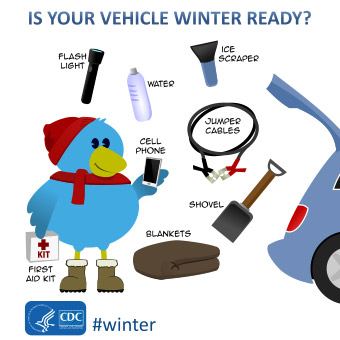
Credit: www.cdc.gov
Frequently Asked Questions
How Do I Prepare My Car For Winter Driving?
Check tires, battery, and antifreeze levels. Replace worn wipers and use winter-grade oil. Keep emergency supplies in your car.
What Type Of Tires Is Best For Winter?
Winter tires with deeper treads and softer rubber provide better traction on snow and ice than all-season tires.
How Often Should I Check My Car Battery In Winter?
Check your battery monthly in winter. Cold weather reduces battery capacity and can cause unexpected failures.
Why Is Antifreeze Important For Winter Driving?
Antifreeze prevents your engine coolant from freezing. It also protects the engine from corrosion and overheating.
Conclusion
Preparing your car for winter keeps you safe on icy roads. Check tires, brakes, and fluids regularly. Keep an emergency kit inside your vehicle. Clear snow and ice from windows before driving. Drive slowly and stay alert in bad weather.
Small steps help avoid big problems later. Stay warm, drive smart, and enjoy the season safely. Winter driving can be tough, but proper care makes it easier. Stay prepared and confident every time you hit the road.







