
Are you confused about why some tires feel softer while others seem tougher and last longer? Understanding the difference between soft compound and hard compound tires can change the way you choose your tires—and how your vehicle performs.
Whether you want better grip, longer mileage, or a smoother ride, knowing which tire suits your needs can save you money and improve safety. Keep reading to discover how these two types of tires affect your driving experience and which one is right for you.
Tire Compound Basics
Tire compounds affect how tires grip the road and last over time. Different compounds suit different driving needs and conditions.
Soft and hard compounds vary mainly in materials and performance. Understanding these helps in choosing the right tire.
What Are Tire Compounds
Tire compounds are mixtures of materials that form the tire’s rubber surface. They control how soft or hard the tire feels.
- Soft compoundsoffer better grip but wear out faster.
- Hard compoundslast longer but have less grip on the road.
- The choice depends on weather, road type, and driving style.
Materials Used In Compounds
Tire compounds use a mix of natural and synthetic materials. These affect the tire’s strength, flexibility, and grip.
| Material | Purpose |
| Natural rubber | Provides elasticity and softness |
| Synthetic rubber | Improves durability and wear resistance |
| Carbon black | Increases strength and UV protection |
| Silica | Enhances wet traction and fuel efficiency |
| Plasticizers | Makes rubber softer and more flexible |
Characteristics Of Soft Compound Tires
Soft compound tires use a rubber mix that stays flexible and sticky. This helps them grip the road better.
These tires are often chosen for racing or situations needing high traction. They wear out faster than hard tires.
Grip And Traction Levels
Soft compound tires provide excellent grip on dry and smooth surfaces. Their sticky rubber helps the tire stick well to the road.
- High traction in corners and acceleration
- Better control on sharp turns
- Improved braking performance
Wear Rate And Durability
Soft tires wear down faster than hard compound tires. The soft rubber wears quickly on rough or hot roads.
| Wear Factor | Soft Compound Tires |
|---|---|
| Wear Speed | Fast |
| Durability | Low |
| Suitable Use Time | Short |
Performance In Different Conditions
Soft compound tires work best in dry, warm weather. They may lose grip on wet or very cold roads.
- Excellent on dry asphalt
- Less effective in rain or snow
- Heat helps maintain softness and grip
- Cold temperatures make them stiff and less sticky
Characteristics Of Hard Compound Tires
Hard compound tires use tougher rubber. They last longer than soft tires.
These tires are less sticky but more durable. They suit rough and long rides.
Longevity And Resistance
Hard compound tires resist wear and tear well. They do not wear out quickly.
They handle rough roads and sharp edges better. This makes them last a long time.
- Strong rubber lasts many miles
- Less damage from rocks and debris
- Good for long trips and daily use
Grip Compared To Soft Tires
Hard tires have less grip than soft tires. They do not stick to the road as much.
This means they can slide more on wet or smooth surfaces. Soft tires grip better but wear out faster.
- Hard tires give stable grip on dry roads
- Soft tires offer better traction in corners
- Hard tires are safer on rough surfaces
Suitability For Various Surfaces
Hard compound tires work well on many surfaces. They are good for pavement and gravel.
They handle rough and rocky paths better than soft tires. Soft tires suit smooth or track surfaces.
- Ideal for roads with sharp stones
- Perform well on uneven terrain
- Not best for slippery or wet tracks
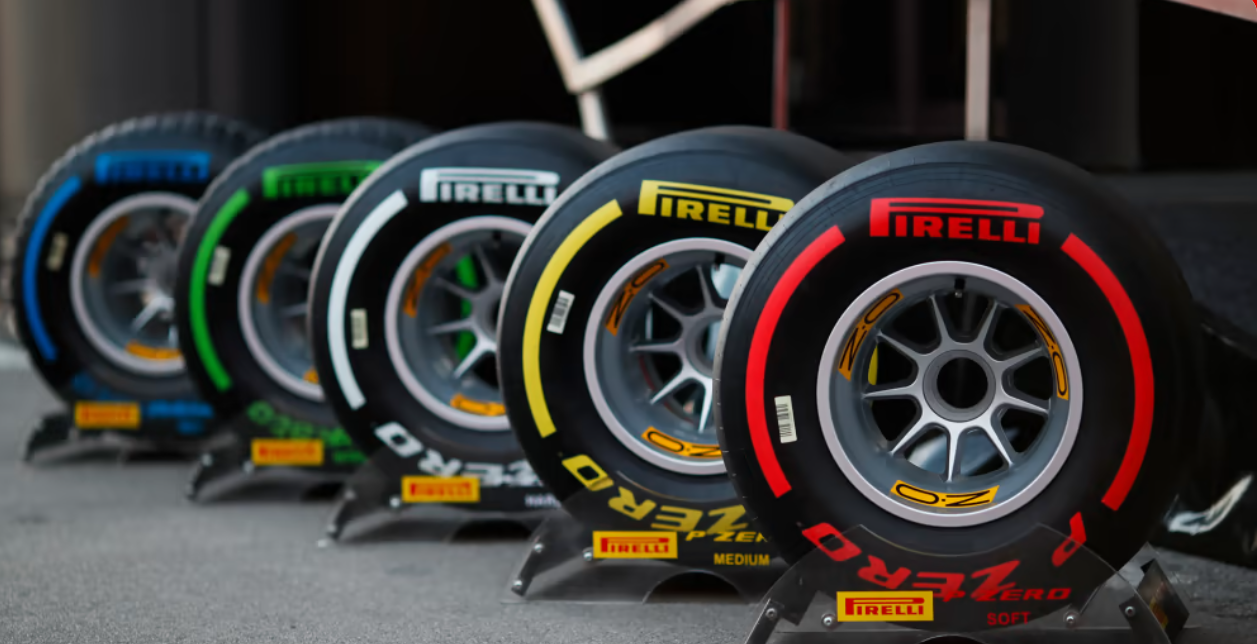
Credit: medium.com
Performance Trade-offs
Soft compound and hard compound tires offer different benefits for vehicles. Choosing between them means understanding their performance trade-offs.
This guide explains key differences in speed, durability, heat management, and handling for both tire types.
Speed Versus Durability
Soft compound tires provide better grip and faster acceleration. They wear out faster because their rubber is less durable.
Hard compound tires last longer but do not offer the same quick acceleration or grip on the road.
- Soft tires: faster but wear quickly
- Hard tires: slower but last longer
Heat Management
Soft tires heat up faster during use, which can increase grip but also speed up tire wear.
Hard tires handle heat better and cool down slower, making them suitable for long drives and high temperatures.
| Tire Type | Heat Buildup | Cooling Rate |
| Soft Compound | High | Fast |
| Hard Compound | Low | Slow |
Handling And Stability
Soft compound tires give better handling on smooth roads and sharp turns because of their grip.
Hard compound tires provide more stability on rough surfaces but less sharp cornering ability.
- Soft tires: superior grip, less stable on rough roads
- Hard tires: stable on rough roads, less grip on curves
Choosing The Right Tire Compound
Tires are crucial for your vehicle’s performance. Choosing the right tire compound affects grip, durability, and handling.
Understanding the difference between soft and hard compounds helps in selecting the best tire for your needs.
Factors To Consider
Several factors influence your choice of tire compound. Consider your driving habits and conditions.
- Weather conditions affect tire performance
- Driving style impacts tire wear
- Road surface influences traction
Use Cases For Soft Tires
Soft tires offer excellent grip, especially on wet and slippery surfaces. They are ideal for performance driving.
These tires wear out faster but provide better handling and control, making them perfect for racing.
Use Cases For Hard Tires
Hard tires are more durable and last longer. They are great for daily commutes and long road trips.
These tires offer less grip compared to soft tires but are more economical for regular use.
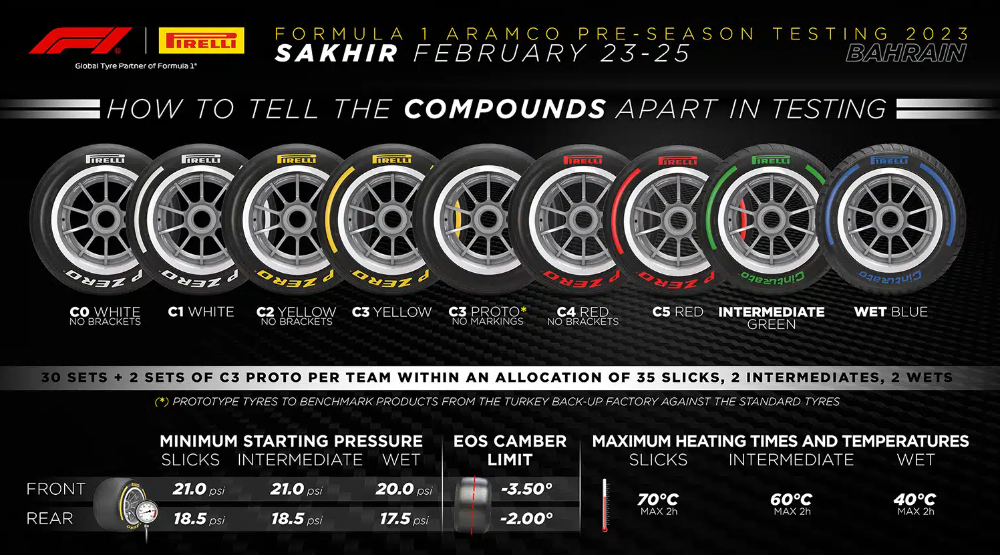
Credit: medium.com
Impact On Racing And Daily Use
Soft compound and hard compound tires have different effects on vehicles. These differences matter in racing and daily driving.
Choosing the right tire depends on the use. Racing needs speed and grip. Daily driving needs durability and comfort.
Professional Racing Preferences
Racers prefer soft compound tires for better grip and faster lap times. These tires warm up quickly and stick well to the track.
- Soft tires provide superior traction on dry tracks.
- They wear out faster, needing quick pit stops.
- Hard tires last longer but offer less grip.
- Hard tires work better on rough or hot tracks.
Everyday Driving Implications
For daily use, hard compound tires are more common. They last longer and handle different road conditions well.
| Tire Type | Grip | Durability | Comfort |
| Soft Compound | High | Low | Medium |
| Hard Compound | Medium | High | High |
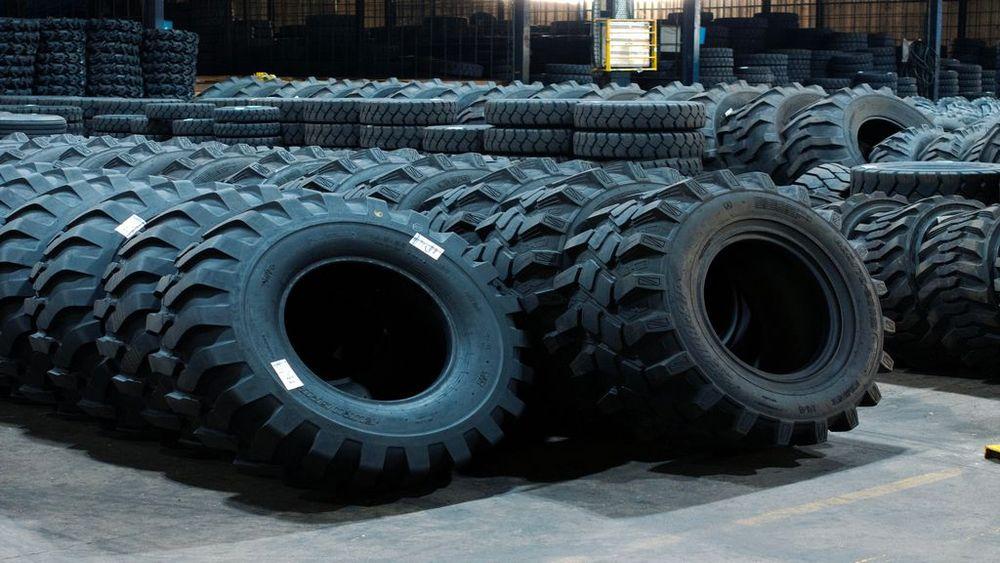
Credit: eurogriptyres.com
Frequently Asked Questions
What Are Soft Compound Tires?
Soft compound tires use a softer rubber mix. They offer better grip and faster warm-up but wear out quickly. Ideal for short races or wet conditions where traction is crucial.
How Do Hard Compound Tires Differ?
Hard compound tires use a tougher rubber blend. They last longer and resist wear but provide less grip. Suitable for long races or dry tracks needing durability.
Which Tire Compound Is Best For Wet Conditions?
Soft compound tires are better for wet conditions. Their softer rubber grips slippery surfaces well, improving safety and control. Hard compounds often struggle with traction on wet tracks.
Do Soft Tires Improve Lap Times?
Yes, soft tires improve lap times due to enhanced grip. They allow faster cornering and acceleration but degrade faster, requiring more frequent changes.
Conclusion
Soft compound tires offer better grip but wear out fast. Hard compound tires last longer but give less traction. Choosing depends on your driving style and road conditions. For quick turns and smooth roads, soft tires work well. For rough roads and long trips, hard tires suit best.
Understanding these differences helps you pick the right tire. Good tires improve safety and driving comfort. Always match tires to your needs for the best ride.







