
Imagine needing your emergency gear right now—and finding out it’s not ready to use. That’s a stressful situation you want to avoid.
By checking your emergency gear regularly, you make sure everything works perfectly when it matters most. You’ll discover simple, effective tips to keep your gear in top shape. Keep reading to protect yourself and your loved ones with confidence.
Gear Inspection Basics
Checking your emergency gear often keeps it ready for use. Regular inspections help find problems early.
Knowing what to check and how to check it is key. This guide covers the basics you need.
Frequency Of Checks
Inspect your gear at least every three months. Some items may need more frequent checks.
Check batteries and food supplies monthly. Other tools can be checked quarterly or before trips.
Essential Tools To Include
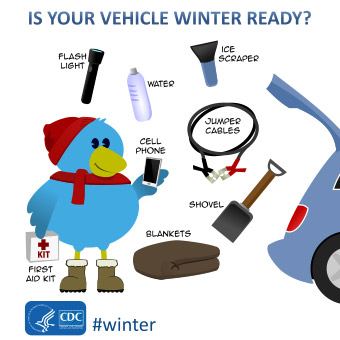
- Flashlight with fresh batteries
- First aid kit fully stocked
- Multi-tool or knife
- Water and non-perishable food
- Emergency blanket
- Whistle for signaling
- Fire starter or matches
- Charged power bank
Keep these items in good shape. Replace anything that is damaged or expired.
Creating A Checklist
| Item | Check Condition | Replace If |
|---|---|---|
| Flashlight | Works, batteries full | Does not turn on |
| First Aid Kit | All supplies present | Missing or expired items |
| Water Supply | Clean, sealed bottles | Leaking or expired |
| Fire Starter | Dry and functional | Wet or damaged |
A checklist helps you inspect your gear quickly and thoroughly. Keep it where your gear is stored.

Credit: www.youtube.com
Battery And Power Maintenance
Emergency gear needs reliable power to work well. Checking batteries often keeps your gear ready.
Good battery care helps avoid surprises during an emergency. Follow simple tips to keep your power sources fresh.
Testing Batteries
Test batteries with a battery tester or multimeter. This shows if batteries still have enough charge.
- Remove batteries from devices first.
- Set tester to the correct battery size.
- Check the reading for full, low, or dead status.
- Replace any batteries that show low or no charge.
Replacing Expired Power Sources
Expired batteries can leak or fail suddenly. Replace them even if they look fine but are past the date.
| Battery Type | Typical Shelf Life | Replacement Tips |
| Alkaline | 5 years | Check date on package |
| Lithium | 10 years | Store in cool, dry place |
| Nickel-Metal Hydride (NiMH) | 3-5 years | Recharge before storing |
Using Rechargeable Options
Rechargeable batteries save money and reduce waste. Keep them charged and ready for use.
- Use chargers made for your battery type.
- Charge batteries fully before storing.
- Cycle them by using and recharging regularly.
- Store in a cool place to keep battery life longer.
Food And Water Supplies
Emergency food and water supplies keep you safe during a crisis. You need to check them often to ensure they stay good to use.
Storing and rotating your supplies correctly helps avoid waste and keeps your stock fresh. Follow these tips to maintain your emergency gear.
Checking Expiration Dates
Look at the expiration dates on all food and water containers. Use or replace items before they expire. Expired supplies can be unsafe or lose nutrition.
- Check cans, jars, and bottles for printed dates.
- Note the date on water bottles and replace every six months.
- Mark the date on items if the expiration is unclear.
- Dispose of any damaged or swollen cans immediately.
Proper Storage Techniques
Keep your food and water in a cool, dry place away from sunlight. Use airtight containers to protect food from moisture and pests.
| Item | Storage Tip |
| Canned Food | Store on shelves, not on the floor |
| Bottled Water | Keep sealed and out of direct sunlight |
| Dry Goods | Use airtight containers to prevent bugs |
Rotating Stock Regularly
Use older food and water first, then add new supplies to the back. This keeps your emergency gear fresh and ready.
- Check your stock every three months.
- Use older items in daily meals if possible.
- Replace used items with fresh supplies.
- Label new items with the date you bought them.
First Aid Kit Care
Keeping your first aid kit in top condition is essential. Regular checks ensure everything is ready for emergencies.
Knowing how to maintain and customize your kit can make a big difference. Let’s explore some important tips.
Replacing Used Or Expired Items
It’s crucial to replace used or expired items in your first aid kit. This keeps it effective and safe to use.
- Check expiration dates regularly.
- Replace bandages and tapes when they run low.
- Ensure medications are not past their expiry date.
Sterilization Tips
Maintaining a sterile environment for your first aid supplies is vital. This prevents infections and keeps items ready for use.
Use antiseptic wipes to clean surfaces before placing items back in the kit. Keep a small bottle of hand sanitizer for quick clean-ups.
Customizing For Personal Needs
Every family has unique needs. Customize your first aid kit to ensure it suits your specific requirements.
| Item | Reason |
| Allergy Medication | For family members with allergies |
| Extra Band-Aids | For kids who play outside often |
| Cold Pack | For sports injuries |
Clothing And Shelter Readiness
Being prepared for emergencies means having the right clothing and shelter. Regular checks ensure everything is in good condition.
By inspecting your gear regularly, you can avoid surprises when you need it most. Let’s explore key areas to check.
Inspecting For Damage
It’s important to look for signs of wear and tear in your gear. Damaged clothing or shelter can fail during an emergency.
- Check for holes or tears in fabric
- Inspect zippers and fasteners for functionality
- Ensure seams are intact and strong
Weather-appropriate Gear
Having the right gear for the weather is crucial. This ensures you stay protected and comfortable in various conditions.
- Rainy:Waterproof jackets and boots
- Cold:Insulated jackets and thermal layers
- Hot:Lightweight and breathable clothing
Packing Compactly
Packing your gear efficiently saves space and keeps everything organized. Compact packing ensures quick access in emergencies.
| Item | Packing Tip |
| Clothing | Roll instead of folding |
| Shelter | Use compression bags |
| Accessories | Store in side pockets |
Communication Devices
Emergency communication devices must work well at all times. Checking them often keeps you ready.
Regular checks help find problems before an emergency. Focus on radios, phones, and power sources.
Testing Radios And Phones
Turn on radios and phones to make sure they work. Test calls and messages to check signal and sound.
Replace batteries if devices do not power on. Check antenna and buttons for damage or dirt.
- Make a test call or send a text
- Check volume and clarity
- Inspect physical parts for damage
- Replace weak or dead batteries
Backup Power Solutions
Backup power keeps devices running during outages. Check power banks and extra batteries regularly.
Charge power banks fully and store them in a cool, dry place. Replace old batteries that lose charge fast.
- Charge all backup batteries monthly
- Keep power banks ready and accessible
- Rotate batteries to keep them fresh
Signal Enhancement Tricks
Strong signals improve communication in emergencies. Use tricks to boost your device signals.
Place radios near windows or high spots. Remove obstacles that block signals and keep antennas extended.
- Use external antennas if possible
- Move to open areas for better signal
- Keep devices away from metal objects
- Try different positions to find best reception
Organizing Your Emergency Kit
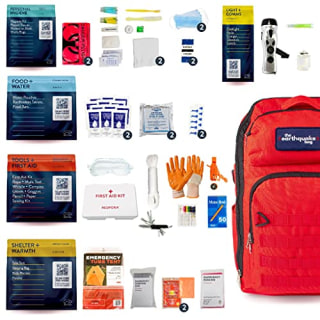
Keeping your emergency kit well organized helps you find items fast. Check it often to make sure everything is ready to use.
Good organization makes your kit more useful during an emergency. It saves time and reduces stress.
Labeling For Easy Access
Use clear labels on every container and bag in your kit. Labels tell you what is inside without opening it.
- Write item names in large letters
- Use waterproof labels or permanent markers
- Group similar items with matching labels
- Place labels where they are easy to see
Using Waterproof Containers
Waterproof containers protect your gear from moisture and damage. Choose sturdy boxes or bags that seal tightly.
| Container Type | Best Use | Notes |
| Plastic Totes | Large supplies | Stackable and durable |
| Ziplock Bags | Small items | Easy to label and seal |
| Dry Bags | Outdoor gear | Waterproof and flexible |
Regularly Updating Contents
Check your emergency kit often to replace expired or used items. Keep a checklist to track what you have.
Try this checklist for your updates:
- Inspect food and water for expiration dates
- Test batteries and replace if needed
- Check first aid supplies for used items
- Update clothing for seasonal changes
- Refresh important documents and cash
Credit: www.cdc.gov
Safety Habits To Adopt
Checking emergency gear often helps keep you safe in a crisis. It is important to develop good habits to make sure your gear works well.
Simple routines can make sure your emergency tools are ready when you need them. These habits can save time and lives.
Setting Reminders
Set regular reminders to check your emergency gear. This helps you keep track without forgetting.
Use a calendar or phone app to schedule these checks. Pick a day each month or season for the task.
- Check batteries in flashlights and radios
- Look for expired food or water
- Inspect first aid supplies for damage
Involving Family Members
Include your family in checking emergency gear. This builds teamwork and shared responsibility.
Teach everyone where the gear is stored. Show how to use each item safely and correctly.
- Assign tasks like checking water or batteries
- Discuss the importance of each tool
- Encourage questions to ensure understanding
Practicing Emergency Drills
Practice using your emergency gear with drills. This helps you act quickly and calmly in real emergencies.
Run drills for different types of emergencies. Practice using flashlights, radios, and first aid kits.
- Plan escape routes and meeting points
- Use gear to simulate real situations
- Review what worked and what needs improvement
Credit: www.nbcnews.com
Frequently Asked Questions
How Often Should I Check My Emergency Gear?
Check your emergency gear at least every six months. Regular checks ensure all items are functional and not expired. Frequent inspections help you stay prepared for unexpected situations. This habit keeps your emergency kit reliable and ready for use.
What Are Key Items To Inspect In Emergency Gear?
Inspect essentials like water, food, batteries, and first aid supplies. Check for expiration dates, damage, and proper storage. Ensure tools like flashlights, radios, and fire extinguishers work correctly. Regular inspection prevents gear failure during emergencies.
How Can I Organize Emergency Gear Effectively?
Use labeled containers or bags for easy access and inventory. Group items by type or purpose to speed up retrieval. Keep a checklist to track supplies and expiration dates. Organized gear saves time and reduces stress during emergencies.
Why Is Regular Maintenance Of Emergency Gear Important?
Maintenance ensures your gear functions properly when needed most. It prevents surprises like dead batteries or spoiled food. Regular upkeep extends the life of your supplies. Staying prepared increases your safety and confidence in emergencies.
Conclusion
Regularly checking your emergency gear keeps you ready for any situation. Small efforts prevent big problems later. Stay safe by inspecting items often and replacing what’s worn out. Remember, working gear can save lives. Make it a habit. Your peace of mind depends on being prepared.
Don’t wait until it’s too late. A little attention now goes a long way. Keep your gear ready and your mind calm. Simple steps make a big difference in emergencies.







