
Your alloy wheels are one of the first things people notice about your car. But when they start to look corroded, it can make your whole vehicle seem worn out.
You might feel frustrated or unsure about what to do next. The good news is, fixing corroded alloy wheels is easier than you think. You’ll discover simple and effective ways to restore your wheels to their original shine. Keep reading, and you’ll learn how to bring back that fresh, clean look—saving you money and boosting your car’s appeal.
Causes Of Alloy Wheel Corrosion
Alloy wheels can suffer from corrosion over time. Corrosion happens when metal reacts with its environment. This damage affects the look and strength of your wheels.
Knowing the causes of corrosion helps you prevent and fix it. Below are the main reasons alloy wheels corrode.
Exposure To Road Salt And Chemicals
Road salt and chemicals used in winter can harm alloy wheels. Salt speeds up the rusting process by breaking down the wheel’s protective layer. Chemicals from cleaning agents or brake dust also cause damage.
- Road salt sticks to wheels and stays wet longer.
- Salt reacts with metal and causes rust spots.
- Harsh chemicals can eat away the wheel’s finish.
- Brake dust contains metal particles that accelerate corrosion.
Impact Of Moisture And Dirt
Moisture and dirt trapped in small areas speed up corrosion. Water causes metal to oxidize and dirt holds moisture against the surface. This makes corrosion worse in hidden spots.
| Factor | How It Affects Corrosion |
| Moisture | Causes oxidation and rust on metal parts |
| Dirt | Traps moisture and chemicals on the wheel surface |
| Poor Drainage | Water stays longer, increasing corrosion risk |
Effects Of Physical Damage
Scratches, dents, and chips break the wheel’s protective coating. This exposes bare metal to air and moisture. Corrosion starts quickly at these damaged spots.
Common causes of physical damage include:
- Hitting curbs or potholes
- Debris on the road
- Improper cleaning with rough tools

Credit: www.thetimes.com
Tools And Materials Needed
Fixing corroded alloy wheels requires the right tools and materials. Using proper supplies helps you clean and repair the wheels safely.
This guide covers cleaning supplies, repair kits, fillers, and protective gear you need for the job.
Cleaning Supplies
You need cleaning supplies to remove dirt and corrosion before repairing the wheels. Proper cleaning prepares the surface well.
- Wheel cleaner spray made for alloy wheels
- Soft-bristle brush to scrub dirt and grime
- Microfiber cloths for wiping and drying
- Water hose or bucket for rinsing
- Fine sandpaper (400 to 600 grit) to smooth rough areas
Repair Kits And Fillers
Repair kits and fillers fix the damaged and corroded parts of the alloy wheels. Choose products designed for metal repairs.
| Item | Purpose | Notes |
|---|---|---|
| Alloy wheel filler putty | Fills scratches and small holes | Use metal-compatible fillers only |
| Epoxy resin or adhesive | Bonds filler to wheel surface | Must be waterproof and durable |
| Primer spray | Prepares surface for paint | Prevents future corrosion |
| Touch-up paint | Matches wheel color | Use paint made for alloy wheels |
Protective Gear
Safety is important when fixing alloy wheels. Wear protective gear to avoid injuries and harmful exposure.
- Gloves to protect your hands from chemicals
- Safety goggles to shield your eyes
- Dust mask to avoid inhaling dust and fumes
- Old clothes or coveralls to protect skin and clothes
Preparing Alloy Wheels For Repair
Before fixing corroded alloy wheels, proper preparation is needed. This helps ensure the repair lasts longer and looks better.
Preparing involves removing the wheels, cleaning them well, and checking for any damage. Each step must be done carefully.
Removing Wheels From The Vehicle
Take off the wheels safely before starting any repair work. Use the right tools and follow safety steps.
- Park the vehicle on a flat surface and apply the handbrake.
- Loosen the wheel nuts slightly while the car is still on the ground.
- Use a jack to lift the vehicle off the ground.
- Remove the loosened wheel nuts completely.
- Carefully take the wheel off the vehicle.
Cleaning And Drying The Surface
Clean the alloy wheel to remove dirt, grease, and brake dust. Drying prevents moisture from causing more corrosion.
- Use a mild detergent and water to wash the wheel.
- Scrub gently with a soft brush to avoid scratching.
- Rinse thoroughly with clean water.
- Dry the wheel completely with a clean cloth or air dryer.
Inspecting For Damage
Check the wheel carefully for cracks, deep scratches, or bent areas. Damage affects the repair process and safety.
| Damage Type | Signs to Look For |
| Cracks | Thin lines or splits on the wheel surface |
| Scratches | Deep marks that expose the metal underneath |
| Bends | Wheel shape is distorted or uneven |
| Corrosion | Rust or pitting on the wheel surface |

Credit: www.reddit.com
Step-by-step Repair Process
Corroded alloy wheels can ruin your car’s look and cause damage. Fixing them yourself saves money and extends their life. This guide shows the repair process clearly.
Follow each step carefully to restore your wheels. Use the right tools and materials for the best results.
Sanding Corroded Areas
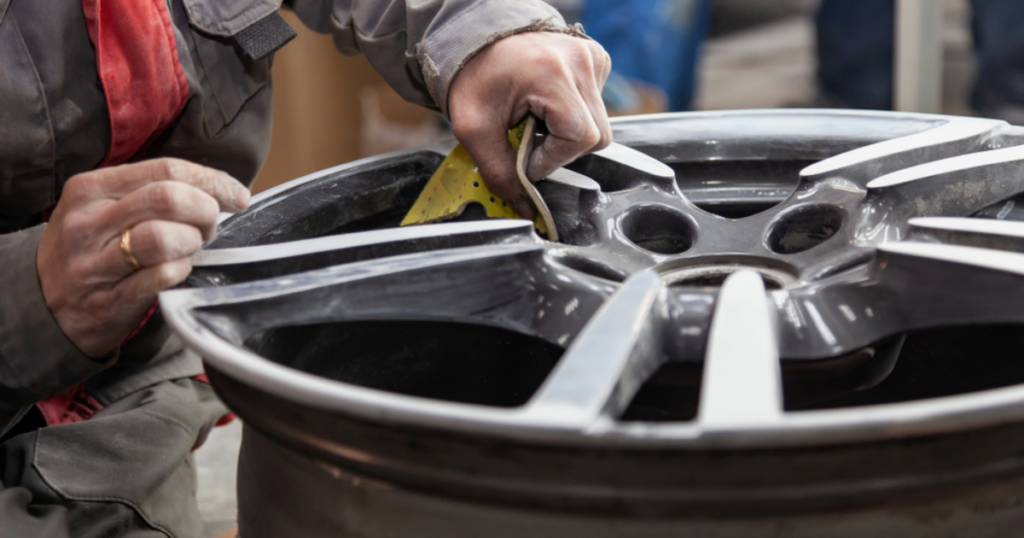
Start by cleaning the wheel with water and soap. Let it dry fully. Use sandpaper to remove rust and rough spots. Sand until the surface feels smooth and clean.
- Wash the wheel to remove dirt.
- Dry the wheel completely.
- Use coarse sandpaper (around 80 grit) on corroded spots.
- Switch to finer sandpaper (220 grit) for smoothing.
- Wipe off dust with a clean cloth.
Applying Filler And Smoothing
Use filler to fix deep pits or scratches. Apply it evenly and let it dry. Sand the filler smooth so it blends with the wheel surface.
Materials needed for this step:
| Material | Purpose |
|---|---|
| Alloy wheel filler | Fill deep damage |
| Putty knife | Spread filler smoothly |
| Sandpaper (320 grit) | Smooth filler after drying |
| Clean cloth | Remove sanding dust |
Priming And Painting
Apply primer to the repaired areas. This helps paint stick better. After primer dries, spray paint the wheel with thin, even coats. Let each coat dry before the next.
- Shake primer and paint cans well.
- Hold spray can 6-8 inches from the wheel.
- Apply 2-3 thin coats of primer and paint.
- Allow 10-15 minutes drying time between coats.
- Use paint that matches your wheel color.
Sealing For Protection
Use a clear sealer to protect the paint and metal. Spray a few thin coats. This keeps the wheel safe from future corrosion and damage.
- Choose a clear coat sealer for alloy wheels.
- Spray 2-3 thin layers evenly.
- Wait 15 minutes between each coat.
- Let the sealer cure fully before driving.
Maintenance Tips For Lasting Shine
Corroded alloy wheels can make your car look old and worn. Regular care helps keep them bright and clean. This guide shares easy tips to maintain your alloy wheels.
Following simple steps can stop corrosion and keep your wheels shining for years. Let’s explore how to care for your wheels properly.
Regular Cleaning Routine
Cleaning your alloy wheels often removes dirt and brake dust that cause damage. Use gentle cleaners made for wheels. Avoid harsh chemicals that can harm the finish.
Wash wheels with a soft brush or sponge. Rinse well with water to remove all soap. Dry the wheels to stop water spots.
- Clean wheels every two weeks
- Use wheel-specific cleaner
- Use soft brushes or cloths
- Dry wheels after washing
Protective Coatings
Applying a protective coating on alloy wheels helps stop corrosion. Coatings create a barrier against dirt, water, and salt. This keeps wheels shiny longer.
Choose a quality wax or sealant made for wheels. Reapply the coating every few months for best results.
- Use wax or sealant for protection
- Apply coating on clean, dry wheels
- Reapply coating every 3-4 months
Avoiding Common Damaging Practices
Some habits can damage alloy wheels and cause corrosion. Avoid using metal brushes or rough tools when cleaning. Do not hit curbs or potholes hard.
Also, avoid parking near salty roads without cleaning wheels soon after. Salt speeds up corrosion and damages the finish.
- Do not use metal brushes
- Avoid curb scrapes and potholes
- Wash wheels after driving on salted roads
- Use gentle cleaning methods only
Credit: nycwheelpros.com
When To Seek Professional Help
Fixing corroded alloy wheels can sometimes be a challenge. Knowing when to ask for expert help is crucial.
Professional help ensures your wheels are fixed safely and effectively. Here are some scenarios where expert advice is necessary.
Severe Corrosion Cases
Corrosion can be mild or severe. Mild corrosion might be fixed at home. But if the corrosion is deep, professionals should handle it.
- Deep pits in the metal
- Corrosion covering a large area
- Visible cracks on the wheel
Structural Damage Concerns
Corrosion can weaken wheel structure. If the wheel looks bent or cracked, it’s unsafe to drive. Experts can assess and fix these issues.
Driving on damaged wheels can lead to accidents. Always prioritize safety first.
Cost-benefit Considerations
Fixing wheels yourself might seem cheaper. But if the damage is severe, costs can add up. Professionals can save you time and money.
| Do It Yourself | Professional Help |
| Cheaper initial cost | Ensures safety |
| Risk of incomplete fix | Long-lasting repairs |
Frequently Asked Questions
How Do I Clean Corroded Alloy Wheels Effectively?
To clean corroded alloy wheels, use a gentle wheel cleaner and a soft brush. Avoid harsh chemicals that damage the finish. Rinse thoroughly with water and dry with a microfiber cloth to prevent water spots and further corrosion.
What Causes Alloy Wheels To Corrode?
Alloy wheels corrode due to exposure to road salt, moisture, and brake dust. These elements react with the metal surface, causing oxidation and pitting. Regular cleaning and protective coatings help prevent corrosion and maintain wheel appearance.
Can I Repair Alloy Wheels Corrosion Myself?
Yes, minor corrosion can be repaired at home using sandpaper, filler, and wheel paint. For deep corrosion, professional repair is recommended to restore structural integrity and finish. Always follow safety guidelines when working on wheels.
How Often Should Alloy Wheels Be Maintained?
Alloy wheels should be cleaned and inspected every two weeks. Regular maintenance prevents buildup of corrosive materials and identifies damage early. Applying a protective sealant every few months extends the wheel’s lifespan and appearance.
Conclusion
Fixing corroded alloy wheels keeps your car looking fresh. Clean the wheels gently and remove all rust spots. Use proper products made for alloy wheels only. Regular care prevents corrosion from coming back fast. Take small steps to protect your wheels every time.
A little effort goes a long way in wheel care. Your car’s appearance and value benefit from clean wheels. Keep them shiny and strong for many miles ahead.







