
Are you wondering how to keep your directional tires in top shape and get the most out of them? Rotating directional tires correctly can save you money, improve your car’s performance, and extend the life of your tires.
But if you’ve never done it before, the process might seem confusing or even risky. Don’t worry—this step-by-step guide is here to walk you through every move, making it simple and safe. By the end, you’ll know exactly how to rotate your directional tires like a pro, keeping your ride smooth and your tires wearing evenly.
Ready to get started? Let’s dive in.
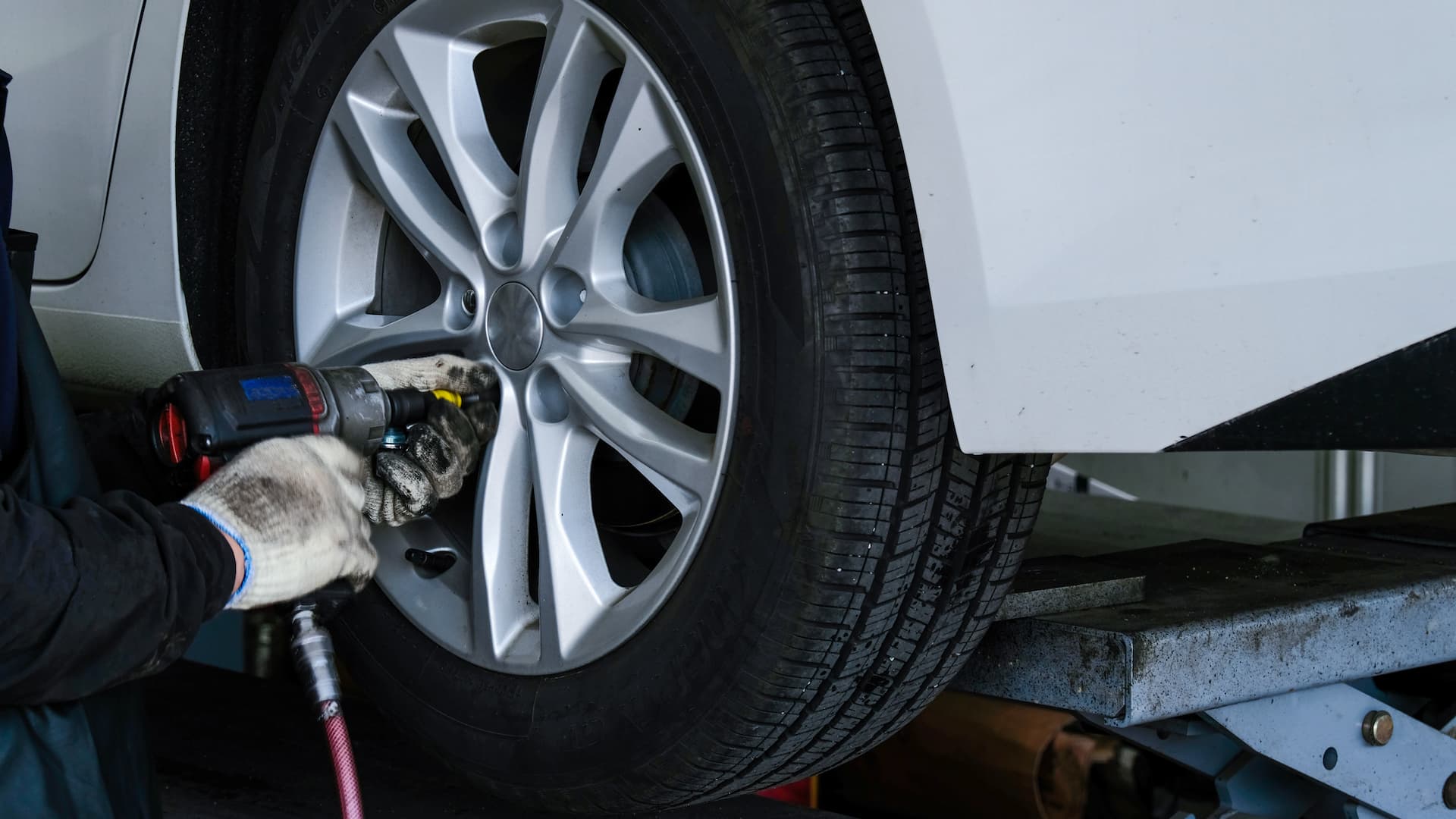
Credit: www.autonationmobileservice.com
Why Rotate Directional Tires
Directional tires have a special tread pattern. They roll in one direction for best grip and performance.
Rotating these tires regularly helps keep them balanced and safe on the road.
Benefits Of Regular Rotation
Rotating directional tires keeps wear even on all tires. This extends their life and saves money.
- Improves tire traction and handling
- Reduces uneven tread wear
- Maintains better fuel efficiency
- Helps prevent vibrations and noise
- Increases overall vehicle safety
Signs Tires Need Rotation
Watch your tires closely. Some signs show when rotation is needed for directional tires.
| Sign | Description |
| Uneven Tread Wear | Tread wears more on one side or edge of a tire. |
| Vibrations | Feeling shaking or wobbling while driving. |
| Noise | Loud or unusual sounds from tires on the road. |
| Poor Handling | Car pulls to one side or feels unstable. |
| Longer Braking Distance | Car takes more space to stop safely. |

Credit: solderstick.au
Tools And Equipment Needed
Rotating directional tires keeps them wearing evenly and extends their life. You need the right tools to do this job safely and correctly.
This guide lists the tools and safety gear you should have before starting tire rotation.
Essential Tools List
Gather these tools to rotate your directional tires smoothly and avoid damage.
- Car jack or hydraulic floor jack to lift the vehicle
- Jack stands to support the car safely
- Lug wrench or tire iron to remove and tighten lug nuts
- Torque wrench to tighten lug nuts to the right specification
- Wheel chocks to prevent the car from rolling
- Gloves to protect your hands
- Flashlight if working in low light
Safety Gear
Wearing proper safety gear protects you during the tire rotation process.
| Safety Gear | Purpose |
| Protective gloves | Keep your hands safe from cuts and dirt |
| Safety glasses | Protect your eyes from dust and debris |
| Closed-toe shoes | Protect your feet from heavy tools or tires |
| Work clothes | Durable clothing prevents scrapes and stains |
Preparation Before Rotation
Rotating directional tires helps them wear evenly and last longer. Preparing your car correctly makes the process safe and easy.
Before you start, do a few simple tasks. These steps keep you safe and avoid damage to your tires or car.
Park On A Level Surface
Find a flat and solid area to park your car. This keeps the vehicle stable during the rotation.
Parking on a slope can cause the car to move or fall. Use the parking brake to hold the car in place.
Loosen Lug Nuts
Before lifting the car, slightly loosen the lug nuts on each tire. This makes it easier to remove them later.
Use a lug wrench to turn the nuts counterclockwise. Do not remove them fully yet; just break their tight grip.
- Loosen lug nuts on all tires
- Do this while the car is still on the ground
- Make sure the wrench fits the nuts properly
Step By Step Rotation Process
Rotating directional tires helps them wear evenly. This process is essential for maintaining tire performance and safety.
Follow these steps to ensure your directional tires are rotated correctly. Proper rotation extends tire life and ensures a smooth ride.
Removing Tires
Begin by safely lifting your vehicle. Use a jack to raise one side of the car. Secure it with jack stands for safety.
- Loosen the lug nuts slightly before lifting the vehicle.
- Once lifted, remove the lug nuts completely.
- Carefully take off each tire and set them aside.
Correct Rotation Pattern
Directional tires require a specific rotation pattern. Always keep them on the same side of the vehicle to maintain their directional tread.
| Tire Position | Rotate To |
| Front Left | Back Left |
| Front Right | Back Right |
| Back Left | Front Left |
| Back Right | Front Right |
Reinstalling Tires
After selecting the right rotation pattern, reinstall the tires. Ensure that each tire’s directional arrow points forward.
- Place each tire back onto the hub.
- Hand-tighten the lug nuts first.
- Lower the vehicle gently and then fully tighten the lug nuts in a crisscross pattern.
Checking Tire Pressure And Condition
Rotating directional tires helps extend their life. Before rotating, check tire pressure and condition carefully. Proper pressure keeps tires safe and efficient.
Examining tires for damage ensures they work well after rotation. Look for any signs that could cause problems on the road.
Recommended Pressure Levels
Check your vehicle manual for the correct tire pressure. Use a reliable gauge to measure pressure when tires are cold. Keep pressure at the recommended level to avoid uneven wear.
| Vehicle Type | Recommended Pressure (PSI) |
| Passenger Cars | 30 – 35 |
| SUVs and Light Trucks | 35 – 40 |
| Performance Cars | 32 – 36 |
Inspecting For Damage
Look closely at tires for cuts, cracks, or bulges. Check the tread depth to ensure good traction. Remove any stones or debris stuck in the grooves.
- Check sidewalls for cracks or bubbles
- Look for uneven wear patterns
- Inspect tread depth with a gauge or coin
- Remove nails, glass, or other objects
- Note any punctures or tears
Credit: www.124spider.org
Post-rotation Tips
After rotating your tires, it is important to check a few things. These tips will help ensure your safety and tire longevity.
Make sure everything is done correctly to avoid problems on the road. Follow these tips to finish your tire rotation properly.
Tightening Lug Nuts Properly
Lug nuts keep your tires secure. Tighten them in a criss-cross pattern for balance. Use a torque wrench for the right amount of force.
- Start with one lug nut and move diagonally to the next
- Check the manufacturer’s torque specifications
- Recheck all lug nuts after driving a short distance
Test Drive And Final Checks
Take your car for a short drive. Listen for any unusual noises. Ensure the steering feels smooth and responsive.
After the drive, inspect your tires. Check if they are securely in place. Look for signs of uneven wear.
| Signs to Check | What to Do |
| Unusual noises | Inspect tire alignment |
| Vibration in steering | Check balance and alignment |
| Uneven wear | Rotate tires more often |
Common Mistakes To Avoid
Rotating directional tires helps them wear evenly and last longer. Some drivers make simple errors that reduce tire life.
Learn about common mistakes so you can avoid them. This guide will explain what to watch for when rotating directional tires.
Ignoring Tire Directionality
Directional tires have a specific tread pattern that points one way. This design improves grip and water removal.
Rotating these tires incorrectly can cause poor performance and faster wear. Always keep the tires moving in the correct direction.
- Do not swap tires from one side to the other without flipping them.
- Check the arrows on the tire sidewall before rotating.
- Keep the tread pattern pointing forward to maintain traction.
Skipping Regular Rotation Intervals
Tires wear unevenly if you wait too long between rotations. This reduces their lifespan and safety.
Follow your vehicle’s recommended rotation schedule. Regular rotations help all tires wear evenly.
- Check your owner’s manual for rotation intervals.
- Usually, rotate tires every 5,000 to 8,000 miles.
- Set reminders to avoid forgetting rotations.
When To Seek Professional Help
Rotating directional tires can improve your vehicle’s performance and tire life. Sometimes, it is best to get help from a tire expert. Knowing when to ask for help saves you time and avoids damage.
Professional technicians have the right tools and skills. They ensure the tires are rotated safely and correctly. Read on to learn when to contact a service center.
Signs You Need Expert Assistance
Some tire issues need a trained eye. If you see these signs, visit a professional soon. They can check for problems you might miss.
- Uneven tire wear that looks unusual
- Vibrations while driving at high speeds
- Difficulty turning the steering wheel
- Noise coming from the tires or wheels
- Tires that do not match the vehicle’s specifications
- Damage to tire sidewalls or tread
Ignoring these signs can cause unsafe driving or costly repairs. Experts spot these problems early and fix them.
Finding A Reliable Service Center
Choose a service center with experience in directional tires. Good centers use proper tools and follow manufacturer guidelines.
- Check if the center has certified technicians
- Look for positive customer reviews
- Ask if they specialize in tire rotation and balancing
- Confirm they use quality equipment
- Compare prices but focus on quality service
Call ahead to ask questions about their tire services. A reliable center will explain the process clearly and give a fair estimate.
Frequently Asked Questions
How Often Should I Rotate Directional Tires?
Rotate directional tires every 5,000 to 7,000 miles to ensure even wear. Regular rotation extends tire life and maintains performance.
Can I Swap Directional Tires Side To Side?
No, directional tires must stay on the same side. Swapping side to side reverses rotation and affects handling and safety.
What Is The Correct Rotation Pattern For Directional Tires?
The correct pattern is front to rear on the same side. This maintains tread direction and optimizes tire performance.
Why Is Rotating Directional Tires Important?
Rotating directional tires prevents uneven wear and enhances traction. It also improves fuel efficiency and prolongs tire lifespan.
Conclusion
Rotating directional tires keeps your car safe and lasting longer. Follow each step carefully to avoid mistakes. Check tire pressure and alignment often for best results. Regular rotation helps even out tire wear. This saves money and improves driving comfort.
Take your time and do the job right. Your tires will thank you with better performance. Simple care leads to safer roads and smoother rides. Keep this guide handy for future tire rotations. Small effort, big benefits.







