
Your tires are the only part of your vehicle touching the road, so keeping them in top shape is crucial. But have you ever noticed tiny cracks forming on your tires?
These cracks can lead to serious problems, including blowouts and costly repairs. The good news is, you don’t have to let this happen. By understanding simple steps, you can protect your tires and extend their life. You’ll discover easy and effective ways to prevent your tires from cracking, saving you money and keeping you safe on the road.
Keep reading to learn how to take care of your tires like a pro!
Causes Of Tire Cracking
Tires can crack over time due to several reasons. Cracking reduces tire safety and life.
Knowing what causes cracks helps you take steps to prevent them. This keeps tires strong.
Effects Of Uv Exposure
Sunlight contains ultraviolet (UV) rays that damage tire rubber. UV rays break down the tire’s surface.
Over time, this causes tiny cracks that grow larger. Tires left in direct sunlight crack faster.
Impact Of Temperature Fluctuations
Changing temperatures make tire materials expand and contract. This constant movement stresses the rubber.
Cold weather makes tires hard and brittle. Hot weather softens the rubber, causing damage too.
- Cold causes cracking inside the tire
- Heat speeds up rubber aging
- Frequent changes worsen the damage
Role Of Ozone And Chemicals
Ozone in the air reacts with tire rubber. This reaction creates cracks on the tire surface.
Chemicals like oils or cleaning agents can weaken tires. They cause the rubber to break down faster.
- Ozone attacks rubber fibers
- Certain chemicals remove protective oils
- Both lead to faster cracking
Consequences Of Underinflation
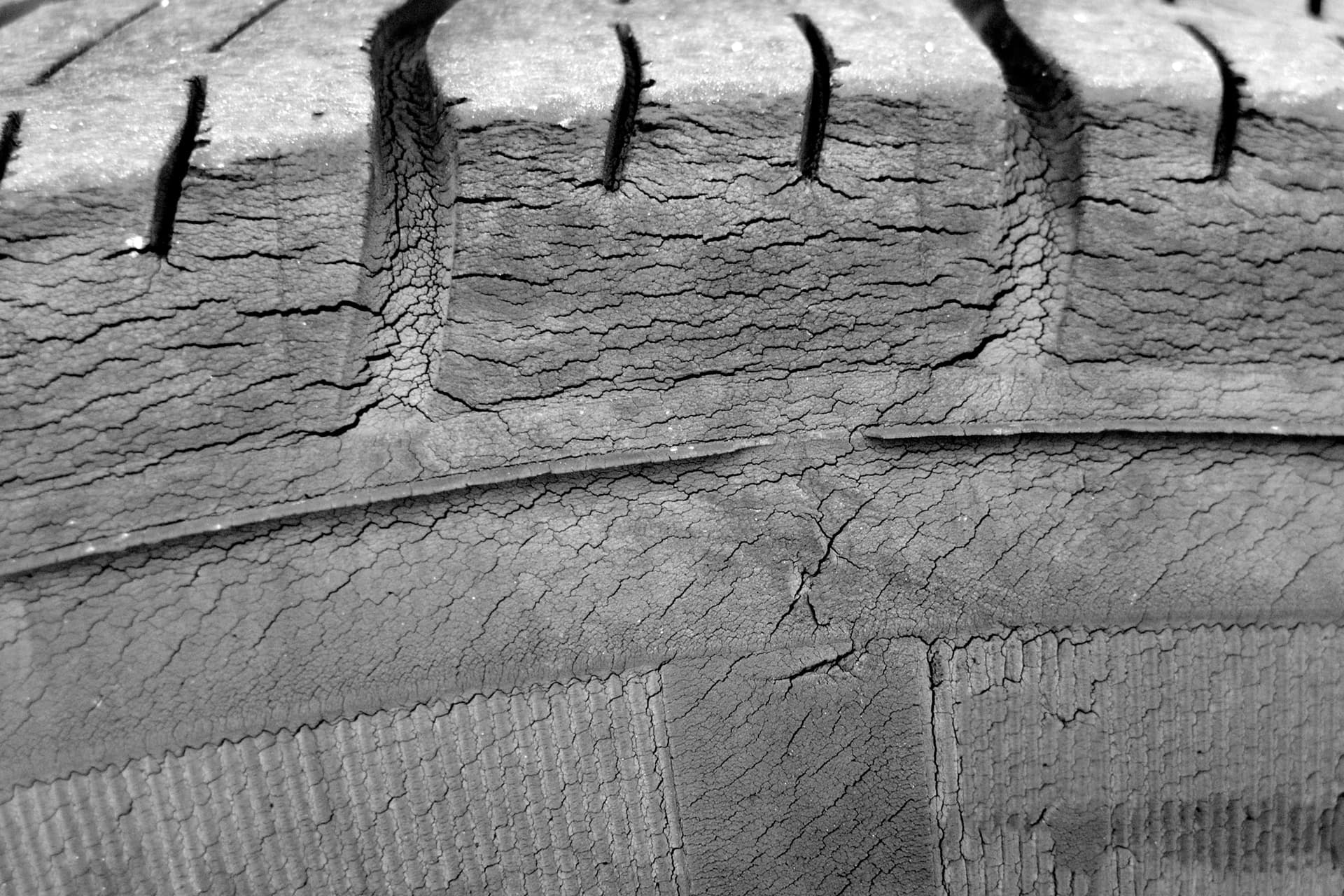
Underinflated tires flex more as they roll. This extra bending stresses the tire sidewalls and tread.
The stress causes cracks to form faster. Keeping correct tire pressure helps prevent cracking.
- More heat builds up inside underinflated tires
- Sidewalls get damaged from extra flexing
- Proper inflation reduces crack risk
Credit: simpletire.com
Routine Tire Maintenance
Keeping your tires in good shape helps avoid cracks and extends their life. Routine maintenance is easy and saves money.
Simple checks and cleaning can prevent many tire problems. Let’s look at key maintenance steps.
Checking Tire Pressure Regularly
Proper tire pressure prevents uneven wear and cracking. Check pressure at least once a month.
- Use a reliable tire pressure gauge.
- Check pressure when tires are cold.
- Compare pressure to the vehicle manufacturer’s recommended level.
- Add or release air as needed.
- Inspect the spare tire as well.
Inspecting For Damage And Wear
Look for cracks, cuts, or uneven tread wear. These signs show tire problems early.
| Type of Damage | What to Check | Action to Take |
|---|---|---|
| Cracks | Sidewalls and tread | Replace tire if deep cracks appear |
| Cuts | Surface and edges | Patch small cuts, replace large ones |
| Tread Wear | Depth and pattern | Rotate tires or replace if uneven |
| Bubbles or Bulges | Sidewalls | Replace tire immediately |
Cleaning Tires Properly
Clean tires to remove dirt and chemicals that cause cracking. Use gentle cleaning methods.
- Rinse tires with water first.
- Use mild soap and a soft brush.
- Avoid harsh chemicals or petroleum-based cleaners.
- Dry tires with a clean cloth.
- Apply tire protectant occasionally to keep rubber flexible.
Storage Tips To Avoid Cracking
Tires can crack if not stored properly. Cracking happens when tires dry out or get damaged.
Good storage helps keep tires safe and extends their life. Follow these tips to avoid cracks.
Ideal Storage Conditions
Store tires in a cool, dry place. Avoid places with heat or moisture.
- Keep tires away from direct heat sources like heaters or engines.
- Store tires in a room with low humidity to prevent moisture buildup.
- Place tires on a clean surface to avoid dirt and chemicals.
- Keep tires off the ground by using racks or pallets.
Using Tire Covers
Tire covers protect tires from dust, dirt, and sunlight. Use covers designed for tires.
| Cover Type | Protection Level | Best Use |
| Cloth Covers | Basic | Indoor Storage |
| Plastic Covers | Good | Short-Term Outdoor Storage |
| UV-Resistant Covers | High | Long-Term Outdoor Storage |
Avoiding Prolonged Sun Exposure
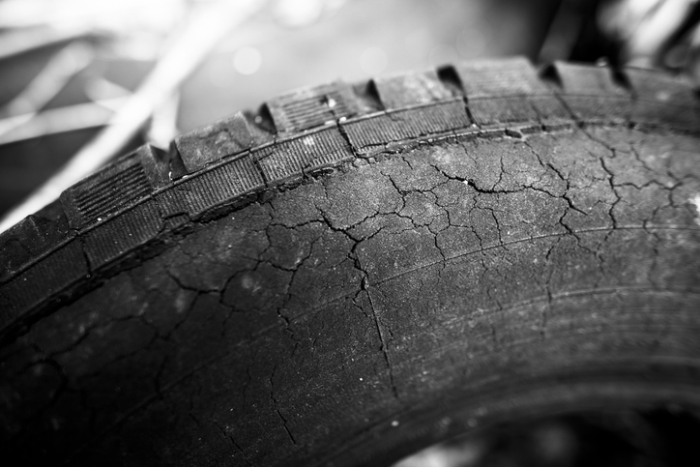
Sunlight can dry out tires and cause cracks. Keep tires away from direct sun.
- Store tires in shaded areas or indoors.
- If tires are outside, use UV-protective covers.
- Rotate tire position to avoid one side getting too much sun.
Credit: www.chipsaway.co.uk
Choosing Quality Tires
Choosing quality tires helps prevent cracking and other damage. Good tires last longer and keep you safe on the road.
Quality tires resist harsh weather and rough roads better. This means fewer cracks and better performance.
Selecting Durable Tire Materials
Durable tire materials make tires stronger and less likely to crack. Look for tires made with high-quality rubber compounds.
These materials handle heat and cold well. They also resist dry rot, which causes cracking over time.
- Natural and synthetic rubber blends improve strength
- Advanced polymers reduce wear and tear
- Protective additives help fight UV damage
Considering Tire Age And Brand
Old tires are more likely to crack, even if they look fine. Check the tire’s manufacturing date before buying.
Trusted brands usually use better materials and quality control. This means their tires last longer and crack less.
- Check the DOT code for tire age
- Buy tires from well-known brands
- Avoid very old stock tires
Benefits Of Seasonal Tires
Seasonal tires suit specific weather conditions. They use rubber that stays flexible and resists cracking in certain temperatures.
Using the right seasonal tires helps protect them from hard cracking caused by heat or cold. This improves tire life.
- Winter tires stay soft in cold weather
- Summer tires resist heat and dry cracking
- All-season tires balance between cold and heat resistance
Additional Protective Measures
Protecting tires from cracking helps them last longer. Simple steps can keep tires safe and strong.
Following some extra care tips can stop damage and keep tires in good shape.
Applying Tire Protectants
Tire protectants help keep rubber soft and flexible. They create a barrier against sun and dirt.
Use protectants made for tires only. Apply them evenly with a clean cloth or sponge.
- Clean tires before applying protectant
- Do not use oil or grease-based products
- Apply protectant every few weeks
- Store protectants in a cool, dry place
Regularly Rotating Tires
Rotating tires moves them to different positions on the vehicle. This helps wear evenly across all tires.
Even tire wear prevents some tires from cracking faster than others. Rotate tires every 5,000 to 8,000 miles.
- Front tires move to the back
- Back tires move to the front
- Follow your vehicle’s rotation pattern
- Check tire pressure after rotation
Avoiding Overloading Vehicles
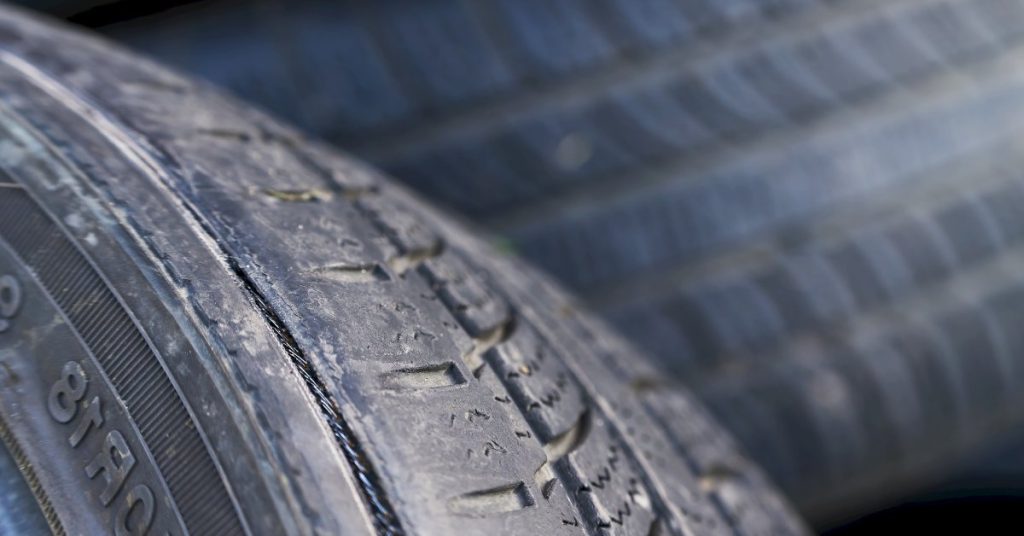
Overloading puts extra pressure on tires. Too much weight can cause cracks and damage faster.
Check your vehicle’s load limit. Keep the weight within safe levels to protect tires from stress.
- Find load limit in the owner’s manual
- Do not exceed the maximum weight
- Distribute weight evenly in the vehicle
- Remove unnecessary heavy items
Credit: rnrtires.com
Frequently Asked Questions
How Often Should I Check Tire Pressure To Avoid Cracking?
Check tire pressure at least once a month and before long trips. Proper inflation prevents excessive wear and cracking caused by under or over-inflation. Use a reliable gauge for accuracy.
What Causes Tire Cracking Besides Aging?
Tire cracking can result from UV exposure, ozone, harsh chemicals, and extreme temperatures. Poor maintenance and improper storage also accelerate tire deterioration.
Can Tire Protectants Prevent Cracking Effectively?
Yes, tire protectants with UV blockers help shield rubber from sun damage. Apply them regularly to maintain tire flexibility and prevent dry cracking.
How Should I Store Tires To Prevent Cracking?
Store tires in a cool, dry place away from direct sunlight and heat. Keep them upright and avoid contact with oils or solvents.
Conclusion
Taking care of your tires helps them last longer. Check tire pressure often and keep it right. Store tires away from heat and sunlight. Clean tires regularly to remove dirt and chemicals. Drive carefully to avoid damage from rough roads.
Small steps protect your tires from cracking. Save money and stay safe on the road. Healthy tires make your ride smooth and reliable. Keep these tips in mind to protect your tires well.







