
Is your tire losing air faster than it should? A leaking tire valve might be the hidden cause, quietly draining your tire pressure and risking your safety on the road.
Fixing this small but crucial part can save you from unexpected flats and improve your vehicle’s performance. You’ll learn simple, step-by-step methods to identify and repair a leaking tire valve quickly and easily. Keep reading to protect your tires and drive with confidence.

Credit: www.youtube.com
Signs Of A Leaking Tire Valve
A leaking tire valve can cause your tire to lose air slowly. This problem affects how your car drives and can lead to unsafe conditions.
Knowing the signs of a leaking valve helps you fix the issue early. This saves money and keeps your vehicle safe.
Common Symptoms
There are clear symptoms when a tire valve leaks. These signs tell you it is time to check your tires carefully.
- Your tire feels soft or low on air more often than usual.
- Air pressure drops quickly after you fill the tire.
- You hear a hissing sound near the valve area.
- Visible damage or cracks appear on the valve stem.
- The tire pressure warning light turns on in your car.
How To Detect Leaks
Detecting a tire valve leak is simple. You can test the valve using household items or a pressure gauge.
Try this water test:
- Mix water with a little dish soap in a spray bottle.
- Spray the solution on the valve stem and around the base.
- Look for bubbles forming. Bubbles mean air is escaping.
This method quickly shows if the valve leaks air.
Tools And Materials Needed
Fixing a leaking tire valve requires some basic tools and replacement parts. Having the right items makes the job easier and faster.
Below is a list of the tools and parts you need to stop the leak and keep your tire safe.
Basic Tools
You need a few simple tools to remove and replace the valve core. These tools help you check for leaks and tighten parts properly.
- Tire pressure gauge – checks tire pressure before and after repair
- Valve core remover tool – removes the old valve core
- Air compressor or pump – refills the tire with air
- Soap and water spray – detects air leaks by bubbling
- Adjustable wrench – tightens valve parts if needed
Replacement Parts
For a leaking valve, you must replace the worn or damaged parts. These parts fit inside the valve stem and stop air from escaping.
- Valve core – the small inner valve that controls air flow
- Valve stem cap – protects the valve from dirt and moisture
- Valve stem (optional) – the outer tube that holds the valve core, replaced if cracked or damaged
Preparing The Tire For Repair
Fixing a leaking tire valve needs careful preparation. Getting the tire ready helps the repair last longer.
This guide covers safety steps and cleaning tips before you start the repair.
Safety Precautions
Always take safety seriously before working on your tire. The right steps protect you and others nearby.
- Park the vehicle on a flat surface and turn off the engine.
- Engage the parking brake to stop the vehicle from moving.
- Wear gloves and safety glasses to protect your hands and eyes.
- Keep children and pets away from the work area.
- Have a jack stand ready if you need to lift the tire.
Cleaning The Valve Area
Clean the valve area to remove dirt and debris. A clean valve makes the repair easier and more effective.
| Cleaning Material | Purpose |
| Soap and Water | Remove loose dirt and grease |
| Soft Brush | Scrub away stubborn grime |
| Cloth or Rag | Dry the valve area thoroughly |
| Rubbing Alcohol | Disinfect and remove oils |
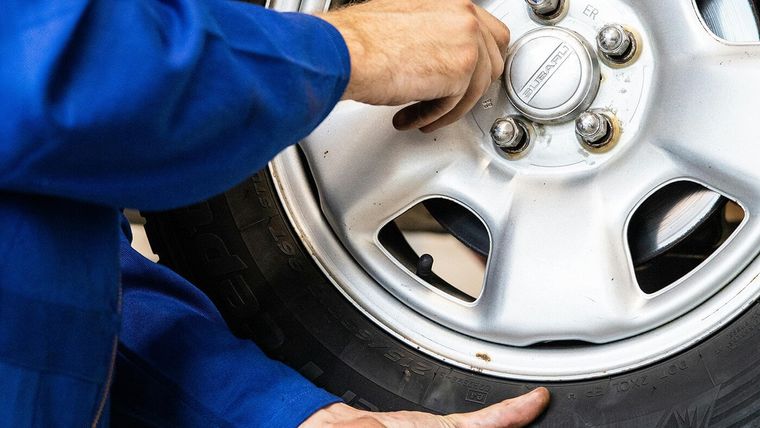
Credit: www.blackcircles.ca
Fixing A Loose Valve Core
A leaking tire valve can cause slow air loss. A common cause is a loose valve core. Fixing it is easy and saves you from tire problems.
This guide shows how to fix a loose valve core in two simple steps. You only need a valve core tool or pliers.
Removing The Valve Cap
First, remove the valve cap by turning it counterclockwise. Keep it safe to avoid losing it. The valve cap protects the valve core from dirt and moisture.
- Grip the valve cap firmly with your fingers.
- Turn it left (counterclockwise) until it comes off.
- Place the cap in a safe spot.
Tightening The Core
Use a valve core tool or needle-nose pliers to tighten the valve core inside the valve stem. Turn the core clockwise to secure it. Don’t overtighten it to avoid damage.
| Tool | Action |
| Valve core tool | Fit over core and turn clockwise |
| Needle-nose pliers | Grip core gently and turn clockwise |
Replacing A Faulty Valve Core
A leaking tire valve can cause low air pressure and unsafe driving. Fixing it often means replacing the valve core. The valve core is a small part inside the valve stem.
This guide shows how to remove the old valve core and install a new one safely and easily.
Removing The Old Core
First, remove the valve cap from the tire’s valve stem. Use a valve core remover tool to unscrew the old core. Turn the tool counterclockwise to loosen it.
Be careful not to lose the core. It may release air quickly, so keep your face away from the valve.
- Remove the valve cap
- Insert the valve core remover tool
- Turn counterclockwise to unscrew the core
- Pull out the old core carefully
Installing The New Core
Take the new valve core and place it in the valve stem. Use the valve core remover tool to screw it in. Turn it clockwise until it is tight but do not over-tighten.
After installation, put the valve cap back on. Inflate the tire to the correct pressure. Check for leaks by listening or using soapy water.
- Place new core into valve stem
- Use remover tool to screw it clockwise
- Tighten gently without over-tightening
- Replace valve cap
- Inflate tire and check for leaks
Sealing The Valve Stem
Fixing a leaking tire valve can extend the life of your tire. It’s a simple process that you can do at home.
Two effective methods are using a valve stem sealant and applying a soapy water test. These steps are easy and don’t require special skills.
Using Valve Stem Sealant
Valve stem sealant can stop leaks quickly. It fills small gaps and seals the valve efficiently.
- Remove the tire from the vehicle.
- Locate the valve stem on the tire.
- Apply the sealant according to the product instructions.
- Reinstall the tire and inflate it to the correct pressure.
Applying Soapy Water Test
The soapy water test helps find leaks easily. It shows bubbles where air escapes.
Mix a small amount of dish soap with water in a spray bottle. Spray the solution onto the valve stem and observe for bubbles. Bubbles indicate a leak.
When To Replace The Entire Valve Stem
A leaking tire valve can cause problems on the road. Knowing when to replace it is crucial for safety.
Sometimes, it’s better to replace the whole valve stem. Let’s explore the signs and steps involved.
Signs Of Severe Damage
Severe damage to the valve stem may require complete replacement. Here are some signs to watch for.
- Visible cracks or splits in the valve stem
- Continuous air leakage despite tightening
- Corrosion or rust on the metal parts
- Valve stem feels loose or wobbly
Steps For Valve Stem Replacement
Replacing the valve stem involves several steps. Follow these to ensure a proper fix.
- Remove the tire from the vehicle.
- Deflate the tire completely.
- Use a valve stem tool to remove the old stem.
- Lubricate the new valve stem with soapy water.
- Insert the new stem into the hole and pull it through.
- Reinflate the tire and check for leaks.
- Reattach the tire to the vehicle.
Tips For Preventing Future Leaks
Fixing a leaking tire valve is important to keep your tires safe and lasting longer. Preventing leaks helps avoid flat tires and saves you money. Follow these simple tips to stop leaks before they start.
Regular care and the right tire pressure keep your valve working well. Learn the best ways to maintain your tires and keep them from leaking.
Regular Maintenance
Check your tire valves often for dirt, cracks, or damage. Clean the valve area carefully to stop dirt from causing leaks. Replace valve caps to keep dust and moisture out.
- Inspect valves every month for cracks or wear
- Clean valves with a soft cloth and mild soap
- Always use valve caps and replace missing ones
- Replace old or damaged valves immediately
Proper Tire Inflation
Keep your tires inflated to the right pressure. Too little or too much air can cause valve leaks or tire damage. Use a good pressure gauge to check your tires regularly.
| Pressure Check Frequency | Recommended Pressure Range |
|---|---|
| Weekly | Check tire pressure before driving |
| Monthly | Maintain pressure as per vehicle manual |
| Seasonal | Adjust pressure for temperature changes |

Credit: mt-rsr.com
Frequently Asked Questions
How Do I Know If My Tire Valve Is Leaking?
You may notice a slow loss of tire pressure or hear a hissing sound near the valve. Check with soapy water for bubbles around the valve stem.
Can I Fix A Leaking Tire Valve Myself?
Yes, small leaks can be fixed by tightening or replacing the valve core. Use a valve core tool for easy repair.
What Causes Tire Valve Leaks?
Leaks often result from damaged valve cores, cracked valve stems, or improper installation. Dirt and corrosion also contribute to leaks.
How Much Does It Cost To Fix A Leaking Tire Valve?
Fixing a valve leak typically costs between $10 to $30. DIY fixes are cheaper but professional repairs ensure safety.
Conclusion
Fixing a leaking tire valve helps keep your tires safe and full. Check the valve carefully for cracks or dirt. Tighten or replace the valve core if needed. Use soapy water to find tiny leaks quickly. Regular tire checks prevent unexpected flat tires on the road.
Small problems can turn into big ones if ignored. Take action early to save time and money. Keep your ride smooth and worry-free by maintaining valves well. Simple steps make a big difference in tire health.







