
When storms hit, driving can become dangerous in an instant. You might think you’re prepared, but one wrong move could put you and your loved ones at risk.
What if you knew simple tips that could keep you safe no matter how fierce the weather gets? This article will guide you through easy, practical steps to protect yourself during stormy drives. Keep reading—your safety depends on what you do next.
Preparing Your Vehicle
Driving during storms can be dangerous. Preparing your vehicle helps keep you safe on the road.
Check your vehicle before the storm. This ensures it works well in bad weather.
Check Tire Tread And Pressure
Tires with good tread give better grip on wet roads. Check the tread depth often.
Proper tire pressure improves control and stops quickly. Use a gauge to check pressure.
- Look for worn or bald spots on tires
- Keep tire pressure at the level in your owner’s manual
- Replace tires if tread is below 2/32 inch
Test Windshield Wipers And Lights
Windshield wipers clear rain and improve visibility. Test them to make sure they work well.
Lights help you see and be seen by others. Check all headlights, brake lights, and turn signals.
- Turn on wipers and check for streaks or missed spots
- Replace wiper blades if they leave marks or chatter
- Test all lights before driving in stormy weather
Maintain Fluid Levels
Fluids keep your vehicle running smoothly in storms. Check and top off all important fluids.
Focus on windshield washer fluid, brake fluid, and engine oil. Low fluids can cause problems.
- Fill windshield washer fluid with a winter formula if needed
- Check brake fluid level and top up if low
- Keep engine oil at the correct level and change it regularly
Before You Hit The Road
Driving during storms can be very dangerous. Preparing before you start your trip helps keep you safe on the road.
Check important details and take simple steps to avoid trouble during bad weather. Being ready is the best way to protect yourself.
Monitor Weather Updates
Always check the weather forecast before you leave. Storms can change quickly and cause unsafe driving conditions.
Use reliable sources like weather apps, radio, or news websites. Keep an eye on alerts about heavy rain, wind, or flooding.
- Check updates right before you start driving
- Look for warnings about storms or road closures
- Be ready to delay your trip if the weather is too bad
Plan Your Route Carefully
Choose a safe and easy route that you know well. Avoid roads that flood or have many sharp turns.
Look for highways and main roads that get cleared faster. Have a backup plan in case part of your route is closed.
- Check for road closures or hazards on your route
- Use GPS or maps to find safer alternatives
- Plan to stop in safe places if the storm gets worse
Inform Someone About Your Trip
Tell a family member or friend where you are going and your expected arrival time. This helps if you get stuck or need help.
Keep your phone charged and check in with someone during your trip. Share your location if possible for extra safety.
- Give details about your route and destination
- Set times to update someone on your progress
- Have emergency contacts saved on your phone
Driving Techniques In Storms
Driving in storms can be dangerous. Wet roads and low visibility make it harder to control your vehicle. You need to adjust your driving to stay safe.
Use these driving techniques to protect yourself and others when the weather turns bad.
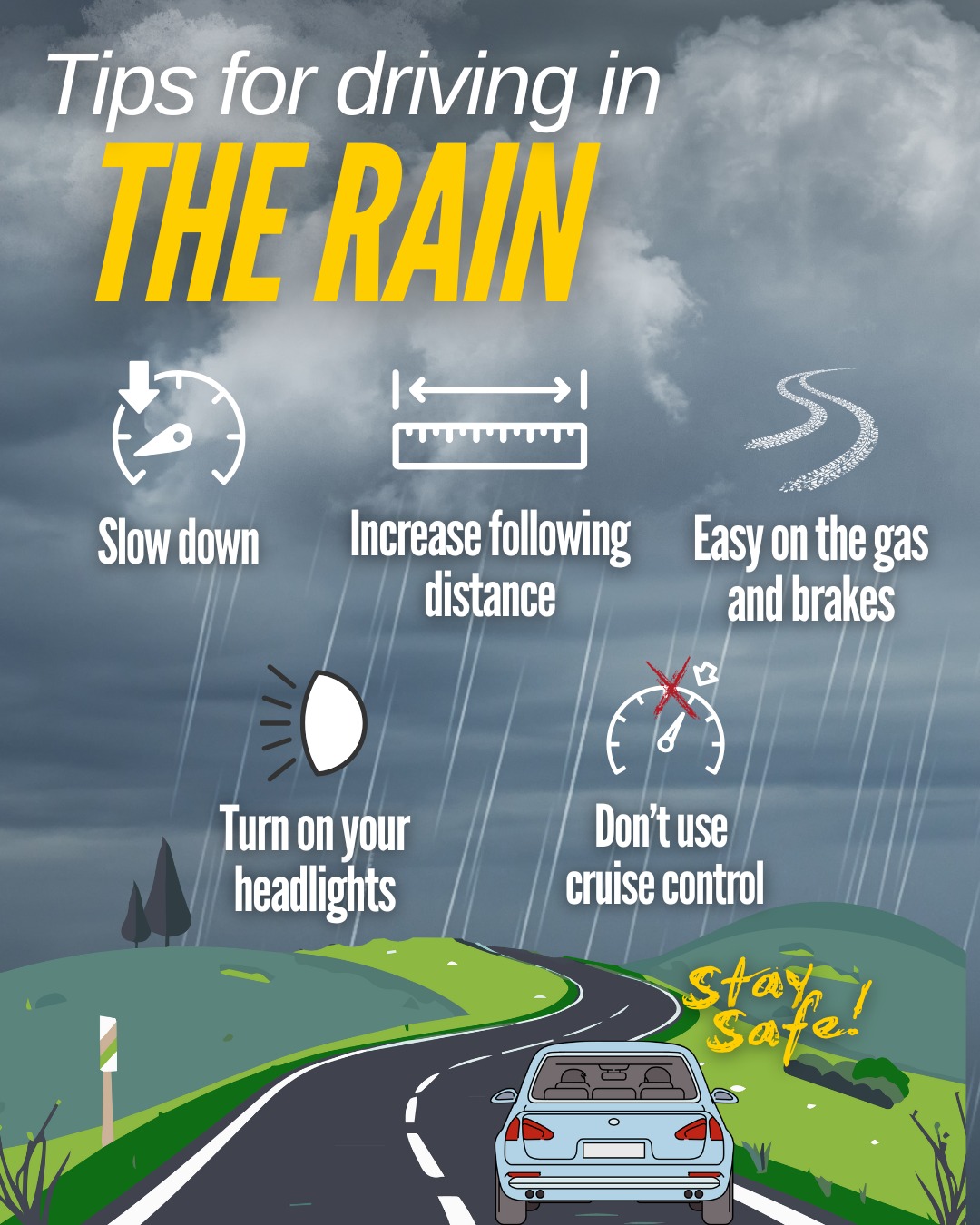
Reduce Speed And Increase Following Distance
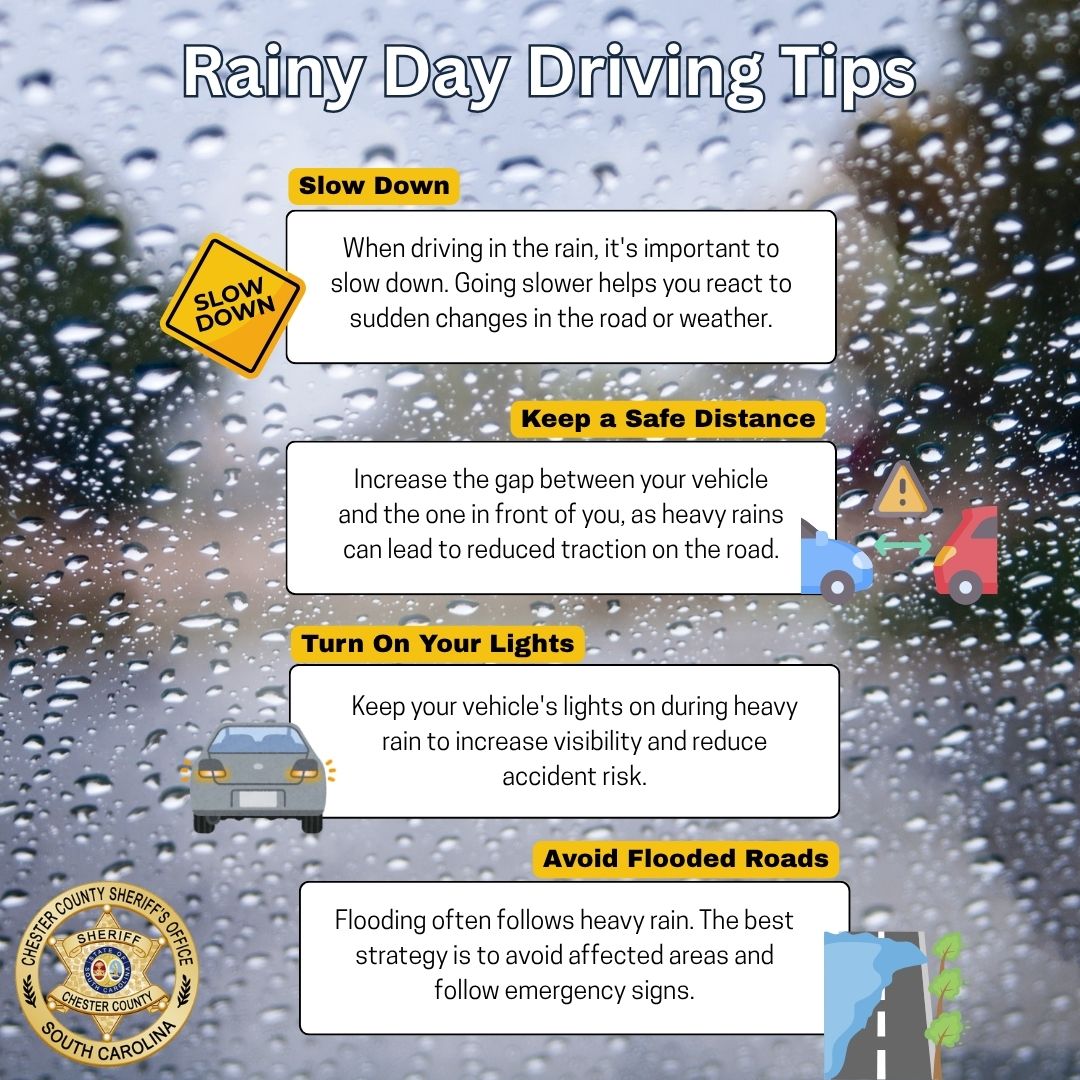
Slow down to keep better control of your car. Wet roads make it easier to skid. Keep more space between your car and the one in front.
- Drive below the speed limit in rain or storms
- Leave at least twice the normal distance between cars
- Brake gently to avoid skidding
Avoid Sudden Movements
Sudden turns or stops can cause you to lose control. Smooth and slow actions help keep your car steady on wet roads.
| Action | Safe Practice |
| Turning | Turn the wheel slowly and smoothly |
| Braking | Apply brakes gently and early |
| Accelerating | Press the gas pedal slowly |
Use Headlights Appropriately
Headlights help you see and be seen. Use low beams in rain or fog. High beams can reflect light and reduce visibility.
- Turn on headlights before visibility drops
- Use low beams in heavy rain or fog
- Do not use high beams in storms or fog
- Check that headlights are clean and working

Credit: www.wsav.com
Handling Specific Storm Conditions
Driving during storms requires special care and attention. Different storm conditions affect your vehicle and road safety in unique ways.
Knowing how to handle each condition helps you stay safe and avoid accidents. Below are tips for common storm situations.
Driving In Heavy Rain
Heavy rain reduces visibility and road traction. Drive slowly and keep your headlights on to see and be seen. Avoid sudden stops and turns.
Navigating Flooded Roads
Flooded roads are very dangerous. Water may hide deep potholes or wash away road surfaces. Never drive through fast-moving water.
- Check the depth of the water before entering.
- Drive slowly and steadily to avoid stalling.
- If water reaches the car’s floor, turn back.
- Avoid driving through water if unsure about depth.
Dealing With Strong Winds
Strong winds can push your vehicle off course. Keep both hands on the wheel and reduce speed. Watch for debris or fallen branches on the road.
| Wind Effect | Safety Tip |
| Sudden gusts | Hold the steering wheel firmly |
| Crosswinds | Steer into the wind to maintain control |
| Large vehicles nearby | Keep extra distance as they may sway |
Managing Foggy Conditions
Fog reduces visibility and makes driving hard. Use low beam headlights or fog lights only. Avoid high beams as they reflect light back.
- Slow down and keep a safe distance from the car ahead.
- Use road edge lines to guide your path.
- Do not stop on the road; pull over safely if needed.
- Listen for traffic you cannot see.
Emergency Preparedness
Driving during storms can be dangerous. Preparing for emergencies helps keep you safe.
Knowing what to do before and during a storm can protect you and your passengers.
Keep An Emergency Kit
Always keep an emergency kit in your car. It should have items to help you stay safe and comfortable.
Your kit can make a big difference if you get stuck or stranded during a storm.
- Flashlight with extra batteries
- First aid supplies
- Non-perishable snacks and water
- Blanket or warm clothing
- Basic tools and jumper cables
- Phone charger and power bank
- Reflective warning triangles or flares
Know When To Pull Over
Storms can reduce visibility and make roads slippery. Know when to stop driving.
If conditions get too dangerous, pull over safely and wait for the storm to pass.
- Find a safe spot away from trees and power lines
- Use your hazard lights to alert other drivers
- Stay inside your car to protect yourself
- Avoid stopping on bridges or overpasses
Communicate During Emergencies
Keep your phone charged and ready. Let someone know your location and situation.
Communication can help emergency services find you faster if you need help.
- Share your travel route with a trusted person
- Call emergency numbers if you are in danger
- Use text messages if voice calls do not work
- Keep your phone in a waterproof case
Credit: x.com
Credit: x.com
Frequently Asked Questions
How Can I Prepare My Car For Storm Driving?
Check tire tread and pressure for better grip. Ensure windshield wipers work well. Fill the gas tank and keep emergency supplies handy.
What Speed Should I Drive During Heavy Rain?
Reduce your speed significantly to prevent hydroplaning. Drive slowly and maintain a safe distance from other vehicles.
How Do I Handle Hydroplaning Safely?
Don’t brake suddenly. Ease off the accelerator and steer straight until you regain control.
When Is It Best To Avoid Driving In Storms?
Avoid driving during severe weather warnings or heavy flooding. Stay indoors if possible until conditions improve.
Conclusion
Safe driving during storms saves lives. Slow down and keep a strong grip on the wheel. Stay alert and watch for hazards on the road. Use headlights to see better and be seen. Avoid sudden moves to prevent skidding. Always keep a safe distance from other cars.
If the weather worsens, find a safe place to stop. Your safety matters most. Drive carefully and stay calm through the storm. Better safe than sorry.







