
When it comes to choosing the right tires for your vehicle, understanding the difference between radial and bias ply tires can make a big impact on your driving experience. You might think all tires are the same, but the way they’re built changes how they perform on the road.
Knowing these differences can help you pick tires that offer better safety, comfort, and durability. Keep reading, and you’ll discover what sets radial and bias ply tires apart—and why it matters for your ride.
Radial Tire Design
Radial tires have a unique structure that sets them apart from bias ply tires. They are popular for their durability and better performance on the road.
This design helps improve fuel efficiency and provides a smoother ride for vehicles.
Construction Features
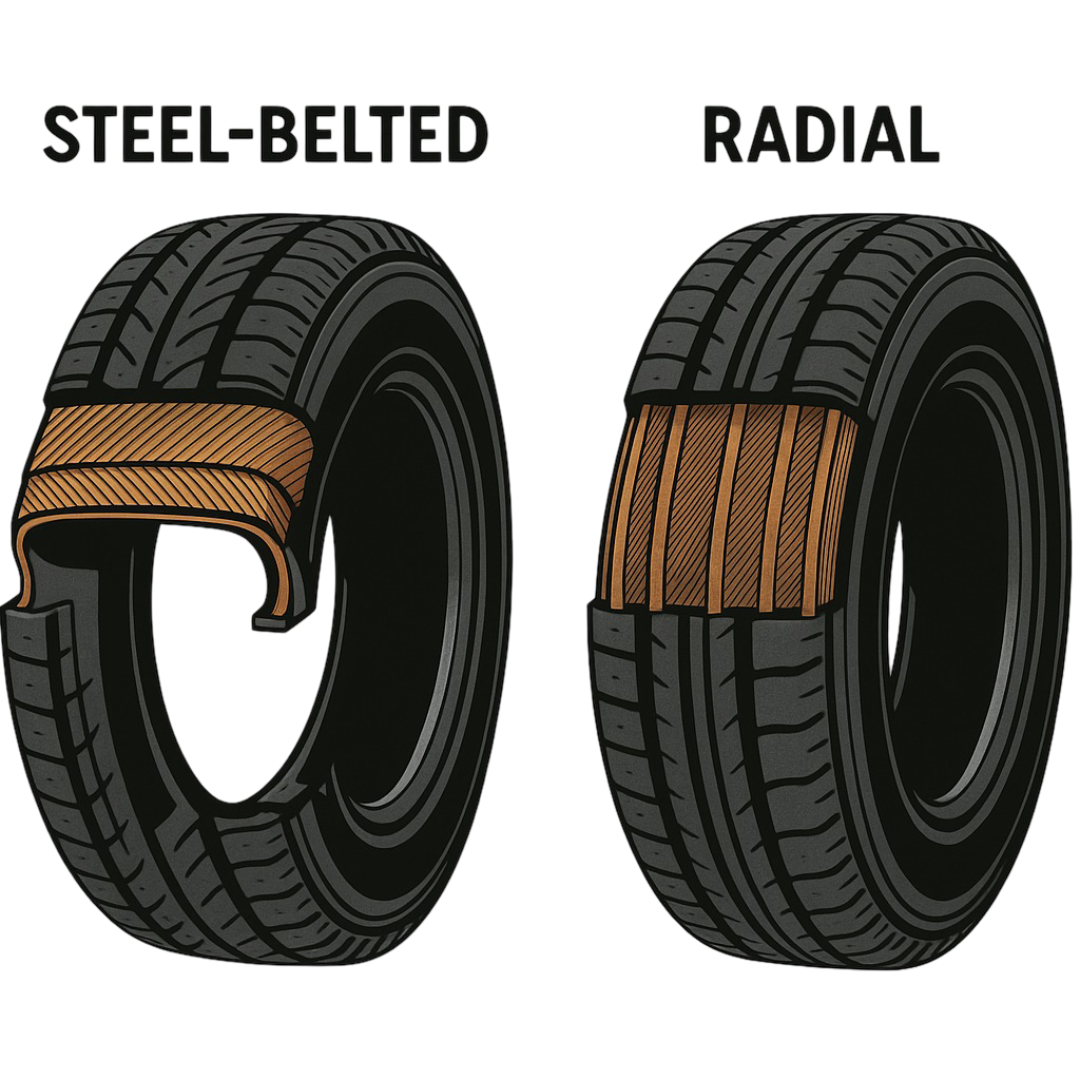
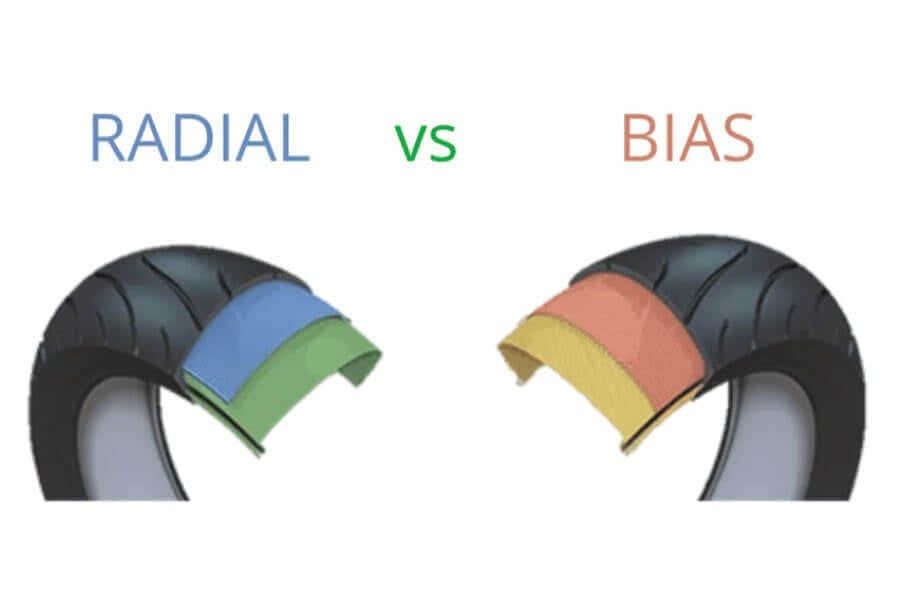
Radial tires have steel belts running at a 90-degree angle from the tire’s center. This design allows the sidewall and tread to work independently.
- Steel belts run radially from bead to bead
- Sidewalls are flexible and absorb shocks
- Tread stays flat on the road for better grip
- Improved heat dissipation reduces tire wear
Material Composition
Radial tires use a mix of rubber, steel, and fabric for strength and flexibility. The steel belts provide strong support while the rubber offers traction.
| Material | Function |
|---|---|
| Steel Belts | Strength and durability |
| Rubber | Traction and flexibility |
| Fabric Plies | Support for sidewalls |
| Bead Wire | Secures tire to rim |
Tread Pattern
The tread pattern on radial tires is designed to provide better road contact and water evacuation. This helps improve grip and safety on wet roads.
- Wide grooves for water drainage
- Sipes for extra traction on slippery surfaces
- Blocks designed to reduce noise
- Patterns that enhance tire life
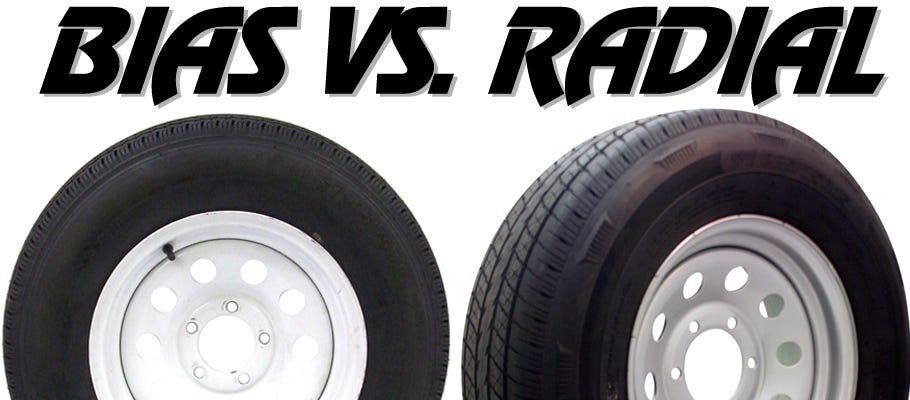
Credit: medium.com
Bias Ply Tire Design
Bias ply tires have a unique design that sets them apart from radial tires. They use layers of fabric cords arranged in a specific way. This design affects how the tire performs on the road.
Understanding the design helps explain why bias ply tires behave differently. Key parts of this design include how layers are arranged, the materials used, and the tread features.
Layer Arrangement
Bias ply tires have cords that run diagonally across the tire. Each layer crosses the one below it at an angle, usually 30 to 40 degrees. This creates a crisscross pattern in the tire’s body.
- The layers are stacked on top of each other.
- Cords run diagonally from one side to the other.
- The crossing layers give strength and flexibility.
- This design helps the tire absorb shocks well.
Material Use
The main materials in bias ply tires are nylon, polyester, and rayon cords. These cords are coated with rubber to protect them. The sidewalls and tread also use strong rubber compounds.
| Material | Purpose |
| Nylon Cords | Provide strength and flexibility |
| Polyester Cords | Reduce weight and improve durability |
| Rubber Coating | Protect cords from damage and wear |
| Strong Rubber Tread | Offers grip and resists wear |
Tread Characteristics
The tread on bias ply tires is thicker and more rigid. It is designed to handle rough surfaces and heavy loads. The tread pattern usually has wide grooves for water drainage.
- Thicker tread for better durability
- Rigid design supports heavy weight
- Wide grooves help prevent slipping on wet roads
- Tread wears evenly due to strong sidewalls
Performance Comparison
Radial and bias ply tires differ in many ways that affect how they perform. Understanding these differences helps you pick the right tire for your vehicle.
This section compares their handling, comfort, and durability to guide your decision.
Handling And Stability
Radial tires offer better handling because their design keeps more rubber on the road. They are more stable during turns and at high speeds. Bias ply tires have a stiffer sidewall, which can reduce stability on sharp corners.
- Radial tires have flexible sidewalls for improved grip.
- Bias ply tires have rigid sidewalls, causing less road contact.
- Radial tires perform better on wet and dry roads.
- Bias ply tires may feel less steady during fast driving.
Ride Comfort
Radial tires provide a smoother ride because their construction absorbs shocks better. Bias ply tires transmit more bumps and vibrations to the vehicle, leading to a rougher ride.
| Feature | Radial Tires | Bias Ply Tires |
| Sidewall Flexibility | High | Low |
| Shock Absorption | Better | Worse |
| Road Vibrations | Less felt | More felt |
| Ride Smoothness | Smoother | Rougher |
Durability And Wear
Bias ply tires often last longer on rough surfaces. Their strong sidewalls resist damage better. Radial tires wear more evenly but can be more prone to sidewall cuts on rough terrain.
- Bias ply tires resist punctures and cuts well.
- Radial tires have longer tread life on smooth roads.
- Radial tires need proper alignment to avoid uneven wear.
- Bias ply tires may wear faster on highways.
Fuel Efficiency Impact
Tire type affects how much fuel a vehicle uses. Radial and bias ply tires differ in design and performance.
Understanding their impact helps drivers save fuel and reduce costs.
Radial Tires And Fuel Efficiency
Radial tires have steel belts running across the tire. This design reduces rolling resistance.
Lower rolling resistance means the engine uses less fuel to move the car.
- Better road contact improves grip and control
- Less heat buildup saves energy
- Longer tread life reduces replacement frequency
Bias Ply Tires And Fuel Efficiency
Bias ply tires have layers of fabric crossing at angles. This makes them stiffer and heavier.
Higher rolling resistance causes the engine to work harder. This leads to more fuel use.
- Less flexible sidewalls increase energy loss
- More heat buildup lowers tire efficiency
- Shorter tread life means frequent replacements
Cost Differences
Radial and bias ply tires have different construction methods. These differences affect their cost. Understanding cost factors helps buyers choose wisely.
This section explains the main cost differences between radial and bias ply tires. It covers production, durability, and performance costs.
Production Costs
Bias ply tires are cheaper to produce. Their layered design uses simpler materials and less advanced machinery. Radial tires need more precise manufacturing.
Radial tires use steel belts and special rubber compounds. These materials increase production costs but improve tire life and safety.
Durability And Replacement Costs
Radial tires last longer than bias ply tires. They resist wear better and provide a smoother ride. This reduces how often you replace them.
- Bias ply tires wear out faster.
- Radial tires handle heat better.
- Radial tires save money over time despite higher price.
Performance And Fuel Efficiency Costs
Radial tires improve fuel efficiency due to lower rolling resistance. This saves money on fuel. Bias ply tires can increase fuel costs.
| Cost Factor | Bias Ply Tires | Radial Tires |
| Production Cost | Lower | Higher |
| Durability | Shorter life | Longer life |
| Replacement Frequency | More often | Less often |
| Fuel Efficiency | Lower | Higher |
| Overall Cost Over Time | Higher | Lower |
Credit: www.offroadrimfinancing.com
Applications And Usage
Radial and bias ply tires are designed for different uses. Understanding their applications helps in choosing the right tire.
Each type of tire has unique benefits. Their usage varies based on vehicle type and driving conditions.
Passenger Vehicles
Radial tires are common in passenger vehicles. They offer a smooth ride and better fuel efficiency.
- Improved traction on wet roads
- Longer tread life
- Better handling and stability
Heavy-duty Vehicles
Bias ply tires are often used in heavy-duty vehicles. They provide strength and durability for carrying heavy loads.
| Type | Benefits |
| Radial | Fuel efficiency |
| Bias Ply | Load capacity |
Off-road Conditions
Off-road conditions require robust tires. Bias ply tires are preferred for their strength and resistance to punctures.
Maintenance Tips
Radial and bias ply tires have different structures. Proper maintenance keeps them in good condition.
Understanding their differences helps in maintaining them effectively. Follow these tips for each type.
Radial Tire Maintenance
Radial tires have flexible sidewalls. They offer a smooth ride and better grip.
Check air pressure regularly. Keep it at the recommended level for safety and longevity.
- Rotate tires every 5,000 miles
- Inspect for uneven tread wear
- Avoid overloading the vehicle
Bias Ply Tire Maintenance
Bias ply tires have stiffer sidewalls. They are durable and often used for heavy loads.
Inspect for cracks and bulges. Replace tires if damage is found to prevent accidents.
- Check alignment regularly
- Ensure even tire wear
- Avoid sharp turns at high speeds
General Tire Care
Regardless of the tire type, general care is crucial. Clean tires to remove dirt and debris.
Store tires in a cool, dry place. Keep them away from direct sunlight and heat sources.
Credit: www.blackcircles.ca
Frequently Asked Questions
What Are Radial Tires And Bias Ply Tires?
Radial tires have layers running perpendicular to the tread, offering better flexibility and grip. Bias ply tires have layers at an angle, providing a stiffer ride and greater durability. Each type suits different vehicle needs and driving conditions.
How Do Radial And Bias Ply Tires Differ In Performance?
Radial tires provide better fuel efficiency, smoother rides, and longer tread life. Bias ply tires excel in heavy loads and rough terrains but offer less comfort and traction. Performance varies based on tire construction and intended use.
Which Tire Type Is Better For Highway Driving?
Radial tires are ideal for highway driving due to their flexibility and lower rolling resistance. They ensure better handling, comfort, and fuel economy on paved roads. Bias ply tires are less suited for highways but perform well off-road or in heavy-duty use.
Why Do Bias Ply Tires Have A Stiffer Ride?
Bias ply tires have overlapping layers at angles, making the sidewalls rigid. This stiffness enhances durability and load-carrying ability but reduces ride comfort. Radial tires’ flexible sidewalls absorb shocks better, offering a smoother driving experience.
Conclusion
Radial and bias ply tires serve different needs and uses. Radial tires offer better fuel efficiency and longer tread life. Bias ply tires provide stronger sidewalls and handle rough roads well. Choosing the right tire depends on your vehicle and driving style.
Understanding these differences helps you pick the best tire. This choice improves safety and saves money in the long run. Simple knowledge goes a long way in making smart decisions.







