
Are you unsure whether you should switch your tires when the seasons change? Choosing the right tires for summer and winter can make a huge difference in your safety and driving comfort.
You might think all tires are the same, but summer and winter tires are designed for very different conditions. Understanding these differences will help you get the best performance from your car and stay safe on the road, no matter the weather.
Keep reading to discover exactly what sets summer and winter tires apart—and why it matters to you.
Credit: www.blackcircles.ca
Summer Tires Features
Summer tires are made to deliver good driving on warm roads. They offer better grip and handling compared to other tires in hot weather.
These tires have special parts that work well in heat. Let’s look at what makes summer tires different.
Tread Design
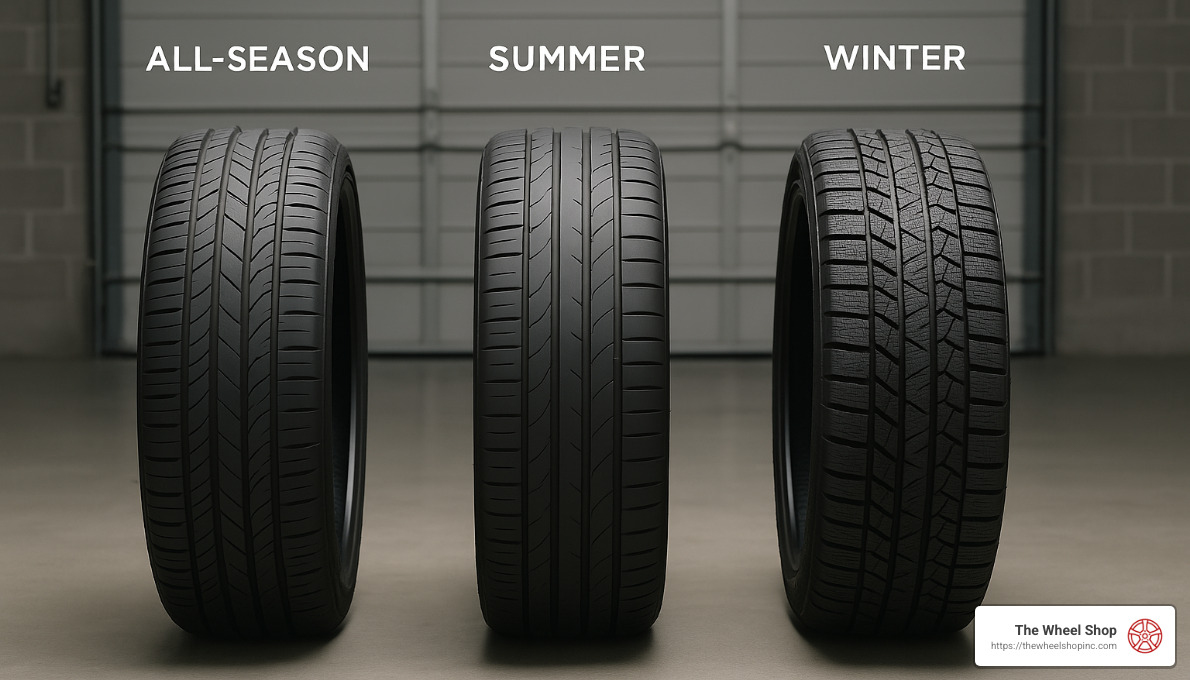
Summer tires have a simple tread pattern. They have fewer grooves than winter tires. This helps the tire stay firm on dry roads.
- The grooves are wide enough to push water away.
- The tread blocks are stiff for better road contact.
- They reduce noise while driving.
- The design improves steering response.
Rubber Compound
Summer tires use a soft rubber mix that stays flexible in heat. This helps the tire grip the road well. The compound is not made to stay soft in cold weather.
| Feature | Summer Tires |
| Rubber Softness | Soft in warm weather |
| Cold Weather Use | Hardens and loses grip |
| Wear Resistance | Good on hot roads |
Performance In Warm Weather
Summer tires give strong performance on dry and wet roads during warm months. They allow quick stops and good cornering.
- Better braking on hot pavement
- Improved handling in rain
- More stable at high speeds
- Less rolling resistance for fuel savings
Winter Tires Features
Winter tires are made to help cars drive safely on cold roads. They work better than summer tires when temperatures drop.
These tires have special parts that keep grip on snow, ice, and wet surfaces. Let’s look at the main features of winter tires.
Tread Design
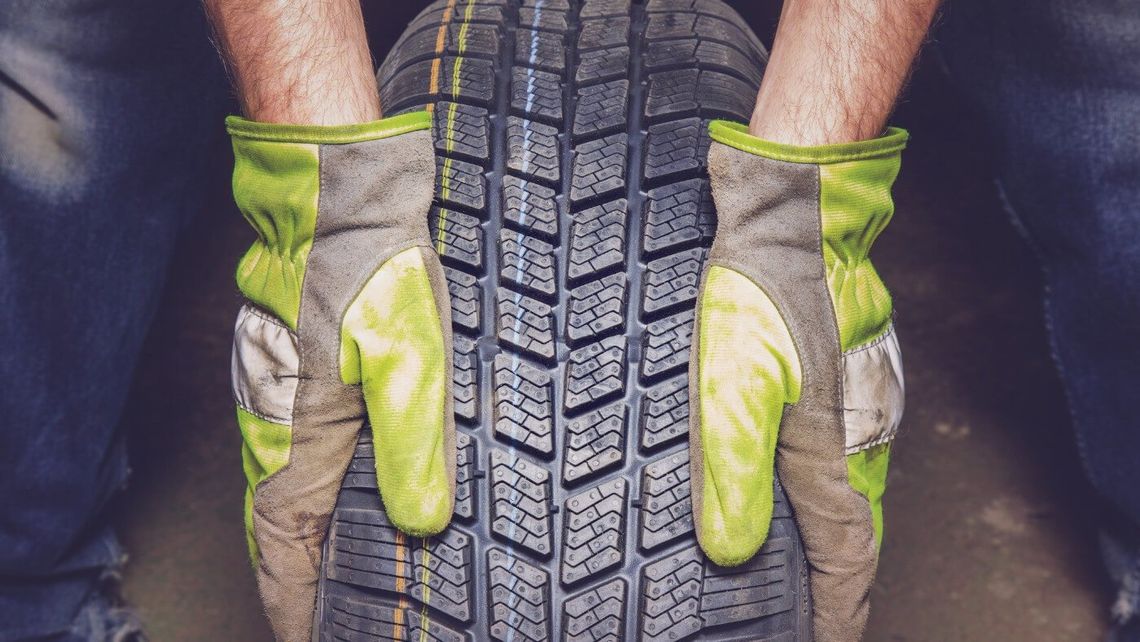
Winter tires have deep grooves and many small cuts called sipes. These help push away snow and water from the tire surface.
- Deep grooves remove snow and slush
- Sipes increase grip on ice and snow
- Block patterns improve traction on slippery roads
Rubber Compound
The rubber in winter tires stays soft and flexible in cold weather. This helps the tire stick to the road better than summer tires.
| Temperature | Winter Tire Rubber | Summer Tire Rubber |
| Above 45°F (7°C) | Soft and flexible | Hard and less flexible |
| Below 45°F (7°C) | Remains flexible | Becomes hard and cracks |
Performance In Cold Weather
Winter tires perform well in cold, snowy, and icy conditions. They reduce stopping distance and improve control.
- Better grip on ice and snow
- Shorter braking distance on cold roads
- Improved handling on wet surfaces
- Increased safety during winter driving
Key Differences Between Summer And Winter Tires
Summer and winter tires serve different purposes for driving. Each type is built to work best in certain weather conditions. Knowing their differences helps you choose the right tires.
This guide explains the key differences in traction, temperature range, and handling to keep you safe on the road.
Traction And Grip
Summer tires have less tread depth and fewer grooves. They grip well on dry and wet roads but not on snow or ice. Winter tires have deeper treads and more sipes for better grip on snow and ice.
- Summer tires excel on warm, dry, or wet surfaces.
- Winter tires provide better traction on snow, ice, and slush.
- Winter tires prevent slipping by channeling snow and water away.
Temperature Range
| Tire Type | Optimal Temperature | Performance Notes |
|---|---|---|
| Summer Tires | Above 45°F (7°C) | Rubber stays firm and grips well in warm weather. |
| Winter Tires | Below 45°F (7°C) | Rubber stays flexible to maintain grip in cold weather. |
Handling And Safety
Summer tires offer stable handling on dry and wet roads. Winter tires improve safety by reducing braking distance on snow and ice. Using the wrong tire can reduce control and increase accident risk.
- Use summer tires in warm months for better control.
- Switch to winter tires before temperatures drop below 45°F.
- Check tire tread regularly for safe driving.
When To Use Summer Tires
Summer tires are made for warm weather. They work best when roads are dry or wet but not icy or snowy.
Choosing the right time to use summer tires helps your car drive safely and smoothly.
Ideal Weather Conditions
Summer tires perform well in warm temperatures above 45°F (7°C). They have special rubber that stays soft and flexible in heat.
These tires grip the road better in dry and wet conditions but lose traction in cold or snowy weather.
- Best used in temperatures above 45°F (7°C)
- Work well on dry roads
- Good grip on wet surfaces
- Not suitable for ice or snow
Road Types
Summer tires are designed for smooth and paved roads. They handle well on highways and city streets.
They offer precise steering and better cornering on clean, dry surfaces but are not ideal for rough or icy roads.
- Ideal for highways and paved roads
- Provide good handling on city streets
- Not for rough, gravel, or icy roads
Seasonal Considerations
Use summer tires during spring, summer, and early fall when temperatures stay warm. Remove them before cold weather arrives.
Switching to winter tires in cold months helps keep safe driving conditions on snow and ice.
- Install in spring or early summer
- Use through summer and early fall
- Change to winter tires before cold weather
When To Use Winter Tires
Winter tires are made for cold weather and slippery roads. They help your car grip better in snow and ice.
Knowing when to switch to winter tires keeps you safe and improves driving control during winter months.
Ideal Weather Conditions
Winter tires work best when temperatures drop below 45°F (7°C). They stay soft and flexible in cold weather.
They also perform well on snow, ice, and slush. Summer tires harden in cold and lose grip.
- Use winter tires if temperature is under 45°F
- Use winter tires on snow-covered roads
- Use winter tires on icy surfaces
Road Types
Winter tires work well on roads covered with snow and ice. They have special tread patterns.
These tires improve braking and steering on slippery roads. They are less needed on dry or wet roads without ice.
- Snowy roads require winter tires
- Icy roads need winter tires for safety
- Dry roads do not need winter tires
Seasonal Considerations
Switch to winter tires in late fall before cold weather starts. Keep them on until early spring.
Using winter tires only in cold months helps them last longer. Change back to summer or all-season tires when temperatures rise.
- Install winter tires in late fall
- Remove winter tires in early spring
- Do not use winter tires in warm weather
Credit: thewheelshopinc.com
Switching Between Tires
Choosing the right tires for the season is important. Summer and winter tires have different features. Switching helps your car perform better.
Summer tires handle heat and rain well. Winter tires grip ice and snow. Knowing when to switch keeps you safe.
Timing The Change
Change tires when temperatures shift. Summer tires work best above 45°F. Winter tires are for below 45°F.
Switch early to avoid sudden weather changes. Plan your tire change in fall and spring.
Storage Tips
Store tires in a cool, dry place. Keep them away from sunlight. This prevents damage.
- Stack tires flat to save space
- Use tire bags to protect from dust
- Check tires for cracks before storing
Maintenance Advice
Check tire pressure often. Proper pressure helps tires last longer. Rotate tires every 6,000 miles.
Inspect tread depth. Replace tires if treads are too shallow. Good treads improve traction.
- Look for signs of wear or damage
- Clean tires before storing
- Use a tire gauge to check pressure
Cost And Longevity
Choosing the right tires for your vehicle can impact your wallet and their lifespan. Summer and winter tires each have unique costs and durability factors.
Understanding these differences helps you make an informed decision about which is best for your driving needs and budget.
Price Comparison
Summer tires generally cost less than winter tires. This is because of their simpler tread patterns and materials.
| Tire Type | Average Cost (per tire) |
| Summer | $80 – $150 |
| Winter | $100 – $200 |
Wear And Tear
The longevity of tires varies between types. Summer tires wear out more quickly in cold conditions.
- Summer tires last longer in warm weather.
- Winter tires have enhanced durability in snowy and icy conditions.
- Using the right tire type in its optimal season extends lifespan.
Value For Money
Investing in the right tires for the season can save money over time. Proper usage reduces wear and tear, providing better value.

Credit: www.mountainfirewheels.com
Choosing The Right Tires
Choosing the right tires is important for safe driving. Summer and winter tires are made for different conditions. Knowing their differences helps you drive better.
This guide explains how to pick the best tires based on your needs and environment.
Assessing Driving Needs
Think about how and where you drive. Your daily routes affect the tire choice. Different tires perform well on dry, wet, or snowy roads.
- Short city drives need tires that handle quick stops well.
- Long highway trips require tires with good fuel efficiency.
- Off-road or rough roads need durable tires with strong grip.
- Frequent snow or ice conditions call for tires made for cold weather.
Local Climate Impact
Your local weather plays a big role in tire choice. Summer tires work well in warm weather. Winter tires are made for cold, icy, or snowy roads.
| Climate Condition | Recommended Tire Type |
| Warm and dry | Summer tires |
| Cold with snow or ice | Winter tires |
| Mild seasons with occasional cold | All-season tires |
Consulting Experts
Experts can help you pick the right tires. They know about tire types and local conditions. Asking for advice ensures your safety and comfort on the road.
- Which tires fit my car model?
- What tires work best for my driving habits?
- How often should I change tires for safety?
- Are there any tire brands you recommend?
Frequently Asked Questions
What Are The Main Differences Between Summer And Winter Tires?
Summer tires have harder rubber for warm weather grip. Winter tires use softer rubber and deeper treads for snow and ice traction. Each tire type is designed to perform best in its specific season’s conditions.
Can I Use Summer Tires In Winter Conditions?
Using summer tires in winter is unsafe. They harden in cold temperatures, reducing grip and increasing accident risk. Winter tires provide better traction and safety on snow and ice.
Why Do Winter Tires Have Deeper Treads Than Summer Tires?
Winter tires have deeper treads to channel snow, slush, and water away. This prevents slipping and improves traction on icy roads. Summer tires have shallower treads designed for dry and wet pavement.
How Does Rubber Composition Differ In Summer Vs Winter Tires?
Summer tires use harder rubber compounds to resist wear in heat. Winter tires use softer compounds that stay flexible in cold, improving grip on icy surfaces.
Conclusion
Choosing the right tires matters for safety and performance. Summer tires work best in warm weather. Winter tires provide better grip on snow and ice. Each tire type has unique features for its season. Changing tires with the seasons helps your car handle well.
It also keeps you safer on the road. Remember to check your tires regularly for wear. Proper tires make driving easier and more comfortable. Stay prepared for changing weather by using the right tires. Simple steps like these improve your driving experience.







