
Are you worried about strange noises or vibrations coming from your wheels? Your wheel bearings might be the cause.
Checking them regularly is key to keeping your ride smooth and safe. In this step-by-step guide, you’ll learn exactly how to inspect your wheel bearings quickly and easily. No complicated tools or expert skills needed. By the end, you’ll know how to spot problems early and save yourself from costly repairs.
Keep reading to take control of your car’s health today!

Credit: m.youtube.com
Signs Of Wheel Bearing Issues
Wheel bearings are vital parts that help wheels turn smoothly. When they fail, your car may show clear signs.
Knowing these signs helps you spot problems early and avoid bigger damage.
Noise And Vibration Symptoms
Bad wheel bearings often cause strange noises or vibrations. You may hear a grinding or humming sound.
The noise usually gets louder when you turn or speed up. You might also feel shaking in the wheel or seat.
- Grinding or growling noises from the wheel area
- Humming or rumbling sounds that change with speed
- Vibrations felt through the steering wheel or car body
Handling And Steering Problems
Worn wheel bearings affect how your car handles. Your steering may feel loose or less responsive.
The car might pull to one side or feel unstable on turns. These problems can make driving unsafe.
- Loose or shaky steering wheel
- Car pulls to one side while driving
- Unstable feeling when turning corners
Visual Inspection Clues
Some wheel bearing issues can be seen without special tools. Look for worn or damaged parts near the wheel.
Check for loose wheels or uneven tire wear. These signs suggest the bearings may be failing.
- Loose or wobbly wheel when lifted
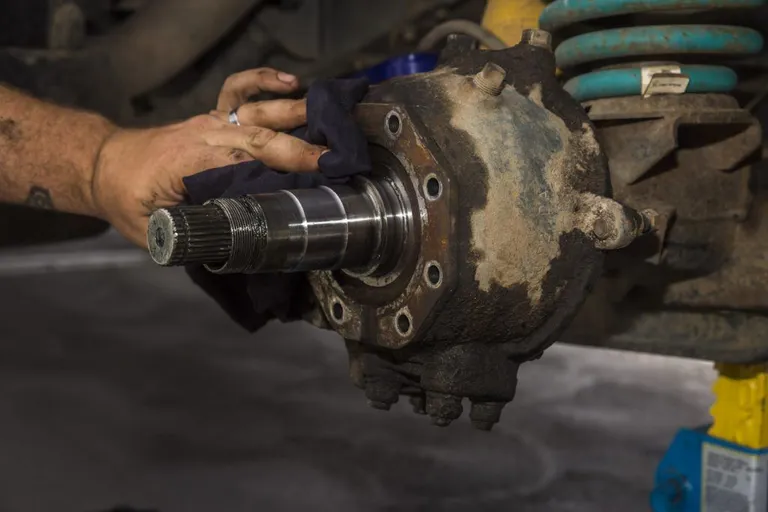
- Rust or grease leaking near the wheel hub
- Uneven tire wear on one side
Credit: www.club4x4.com.au
Tools And Equipment Needed
Checking wheel bearings requires the right tools to ensure safety and accuracy. Using proper equipment helps spot issues early and avoid costly repairs.
This guide lists the basic hand tools, specialized measuring devices, and safety gear needed for the job.
Basic Hand Tools
These are common tools found in most toolkits. They help remove and inspect wheel bearings with ease.
- Socket wrench set
- Screwdrivers (flathead and Phillips)
- Pliers (needle nose and slip joint)
- Hammer
- Torque wrench
- Jack and jack stands
- Wheel chocks
Specialized Measuring Devices
These tools help measure bearing play and condition. They provide precise readings for accurate diagnosis.
| Tool | Use |
|---|---|
| Dial indicator | Measures wheel bearing end play |
| Micrometer | Measures bearing races and rollers |
| Feeler gauge | Checks clearance between parts |
| Torque wrench | Ensures correct bearing nut tightness |
Safety Gear Essentials
Safety gear protects you during inspection and repairs. Always wear the right equipment to avoid injury.
- Safety glasses to protect your eyes
- Gloves for hand protection
- Steel-toe boots for foot safety
- Protective clothing to avoid cuts and bruises
- Hearing protection if using loud tools
Preparing Your Vehicle
Checking wheel bearings is important for safe driving. Preparing your vehicle properly makes the job easier.
Follow these steps to get your car ready before you start inspecting the wheel bearings.
Securing The Car
Park your car on a flat surface to prevent it from moving. Engage the parking brake to keep it still.
Place wheel chocks behind the wheels that stay on the ground. This adds extra safety while working.
- Find a flat and level spot to park
- Apply the parking brake firmly
- Use wheel chocks on opposite wheels
Removing The Wheel
Loosen the lug nuts before raising the car. Use a wrench to turn them counterclockwise.
Use a jack to lift the vehicle safely. Then remove the lug nuts completely and take off the wheel.
- Loosen lug nuts slightly before jacking
- Place the jack under the car’s frame
- Lift the car until the wheel is off the ground
- Remove lug nuts and take off the wheel
Cleaning The Wheel Hub
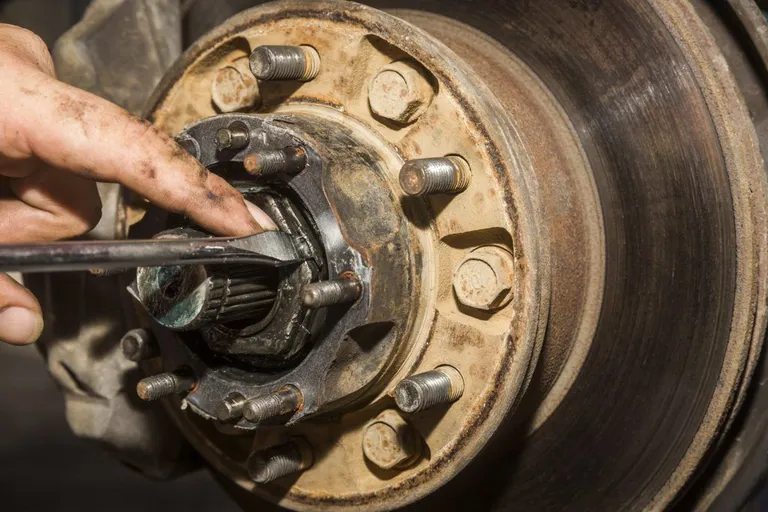
Remove dirt and rust from the wheel hub area. This helps you see the parts clearly.
Use a wire brush or cloth to clean the surface. Make sure the hub is dry before checking the bearings.
- Use a wire brush for rust and dirt
- Wipe the hub with a clean cloth
- Ensure the surface is dry before continuing
Manual Wheel Bearing Check
Checking wheel bearings is important for safe driving. Manual checks help spot issues early. This guide shows you how to check wheel bearings step by step.
Follow these steps to ensure your wheel bearings are in good condition. Regular checks can prevent bigger problems later.
Spinning The Wheel Hub
Start by lifting the car so the wheel is off the ground. Spin the wheel hub with your hand. A smooth spin means the bearing is likely fine.
If the wheel wobbles or does not spin smoothly, there could be a problem. Take note if the wheel stops suddenly or feels rough.
Checking For Play And Looseness
Grip the wheel at the top and bottom. Wiggle it back and forth. The wheel should not move much.
Excess movement can mean the bearing is loose or worn out. Check for any unusual play in the wheel.
- Little to no movement is good
- Too much play suggests a problem
- Inspect further if the wheel feels loose
Listening For Unusual Sounds
Listen closely as you spin the wheel. Unusual noises can indicate a bad bearing. Grinding or squeaking sounds are warning signs.
Normal sounds are quiet and smooth. Loud noises could mean the bearing needs replacing.
- Grinding sounds are a red flag
- Squeaks can signal an issue
- Quiet spinning is a good sign
Using Diagnostic Tools
Checking wheel bearings with diagnostic tools helps find problems early. These tools measure play, temperature, and vibrations.
Using the right device gives clear data. This helps fix wheel bearings before they cause bigger issues.
Dial Indicator For Play Measurement
A dial indicator measures how much the wheel bearing moves. It shows if there is too much play or looseness.
To use it, attach the dial indicator to the wheel hub. Rotate the wheel and watch the needle move. If the needle moves more than allowed, the bearing may be worn out.
- Attach dial indicator firmly to the hub
- Zero the dial before testing
- Rotate the wheel slowly
- Note the maximum needle movement
- Compare with manufacturer’s limits
Bearing Temperature Check
Checking the temperature of a wheel bearing can show if it is overheating. High heat means the bearing may be damaged or lubricated poorly.
Use an infrared thermometer to check the bearing temperature after driving. Compare both sides to find any difference. A hotter bearing needs attention.
- Measure temperature right after driving
- Use a non-contact infrared thermometer
- Check all wheel bearings for comparison
- Look for temperatures higher than normal
- High heat suggests bearing issues
Vibration Analysis Devices
Vibration analysis devices detect unusual vibrations in wheel bearings. These vibrations can indicate cracks or damage inside the bearing.
Place the vibration sensor near the wheel hub. Drive the vehicle or spin the wheel. The device shows vibration patterns that help find faults early.
- Attach sensor close to the wheel bearing
- Collect data while wheel spins or vehicle moves
- Look for abnormal vibration signals
- Compare vibration levels to normal values
- High or irregular vibration means bearing damage
Interpreting Inspection Results
Understanding wheel bearing inspection results is crucial for vehicle safety. Inspect bearings to spot signs of wear or damage.
Inspecting bearings helps determine whether they need replacement or just maintenance. Accurate interpretation ensures vehicle reliability.
Normal Vs Faulty Bearing Signs
Signs of normal bearings include smooth rotation and quiet operation. Faulty bearings may produce noise and cause uneven tire wear.
- Normal: Smooth and quiet operation
- Faulty: Grinding or humming noises
- Faulty: Uneven tire wear
- Faulty: Excessive vibration
When To Replace Bearings
Replace bearings when noise or vibration persists. Delaying replacement can lead to more severe damage.
| Condition | Action |
| Persistent noise | Replace immediately |
| Excessive play | Replace immediately |
| Minor noise | Monitor regularly |
Temporary Fixes And Precautions
Temporary fixes can help while awaiting repairs. Use caution to avoid further damage.
- Avoid driving long distances
- Drive slowly and carefully
- Regularly check for worsening symptoms
Tips For Bearing Maintenance
Wheel bearings help your wheels turn smoothly. Keeping them in good shape makes your ride safe.
Regular care can stop problems early. Follow these tips to keep your bearings working well.
Regular Inspection Schedule
Check your wheel bearings often. Catch damage before it gets worse.
Look for noise, rough spin, or looseness in the wheel. These signs mean the bearing needs attention.
- Inspect bearings every 6 months or 6,000 miles
- Check after driving in water or mud
- Listen for grinding or humming sounds
Proper Lubrication Practices
Lubrication stops bearings from wearing out fast. Use the right grease for your wheels.
Too little grease causes friction. Too much grease can trap dirt.
- Clean old grease before adding new
- Apply grease evenly around the bearing
- Use grease made for wheel bearings
- Lubricate bearings during every inspection
Avoiding Overloading And Damage
Too much weight harms wheel bearings. Keep loads within your vehicle’s limit.
Hitting potholes or curbs can damage bearings. Drive carefully to protect them.
- Do not exceed the vehicle’s load capacity
- Drive slowly on rough roads
- Avoid sharp impacts on wheels
- Check bearings after hard impacts
Credit: www.club4x4.com.au
Frequently Asked Questions
How Do I Know If My Wheel Bearings Are Bad?
Signs include grinding noise, wheel wobble, and uneven tire wear. A bad bearing causes vibration and poor handling. Check for these symptoms regularly to ensure safety.
What Tools Are Needed To Check Wheel Bearings?
You need a jack, lug wrench, gloves, and a flashlight. A dial indicator or wheel bearing puller may help for detailed inspection.
Can I Check Wheel Bearings Without Removing The Wheel?
Yes, you can listen for noise and feel for play by shaking the wheel. However, full inspection often requires wheel removal.
How Often Should Wheel Bearings Be Inspected?
Inspect wheel bearings every 30,000 to 50,000 miles or during routine tire changes. Early checks prevent costly repairs and ensure smooth driving.
Conclusion
Checking wheel bearings step by step keeps your vehicle safe. Regular inspections help spot problems early. You save money by fixing small issues quickly. This guide makes the process clear and easy. Trust your own hands and ears during checks.
Stay alert for unusual sounds or wheel play. Taking care of wheel bearings improves ride quality. Simple steps can prevent bigger car troubles ahead. Keep your wheels running smoothly for many miles. Safety and peace of mind start with regular checks.







