
Imagine being stuck on the side of the road with your child and not having what you need to keep them safe and calm. That’s a situation no parent wants to face, but it can happen to anyone.
You can take control and be prepared by creating your own child emergency kit for your car. These DIY hacks make it easy and affordable to build a kit that covers all the essentials. Keep reading to discover simple, smart ways to protect your little one in any unexpected car emergency.
Your peace of mind starts here.
Essential Items For Car Kits
Keeping a child emergency kit in your car helps you be ready for unexpected situations. A well-stocked kit can provide comfort and safety to your child during emergencies.
Focus on items that cover basic medical needs, child-specific care, and tools for emergencies. This guide breaks down the must-have supplies for each category.
Basic First Aid Supplies
First aid supplies help treat minor injuries fast. Keep these items in your car kit to handle cuts, scrapes, and other small wounds.
- Adhesive bandages in various sizes
- Antiseptic wipes and ointment
- Sterile gauze pads and medical tape
- Disposable gloves
- Small scissors and tweezers
- Thermometer
- Pain relief medicine for children
Child-specific Necessities
Children need special care items during emergencies. Include these things to keep your child comfortable and safe.
| Item | Purpose |
| Favorite small toy or stuffed animal | Comfort and distraction |
| Child-safe sunscreen | Protect from sunburn |
| Extra diapers or pull-ups | For infants and toddlers |
| Wet wipes and tissues | Cleaning and hygiene |
| Child-sized face masks | Protection from dust or germs |
| Snack bars or easy-to-eat food | Quick nutrition |
| Small water bottle | Stay hydrated |
Tools And Emergency Gear
Having tools and gear ready can help you manage emergencies better. These items assist in various situations like car troubles or bad weather.
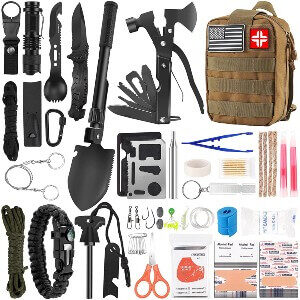
- Flashlight with extra batteries
- Emergency whistle
- Multi-tool or pocket knife
- Blanket for warmth
- Reflective warning triangles or road flares
- Portable phone charger
- Small fire extinguisher
Credit: www.safewise.com
Creative Storage Solutions
Keeping a child emergency kit in your car is smart and helpful. Smart storage keeps items safe and easy to find. Use small spaces well to store all essentials.
Creative storage solutions help you pack everything without mess. This guide shows ways to organize your kit with simple tools.
Compact Containers And Bags
Choose compact containers that fit well in your car. Soft bags save space and hold many items. Clear containers help you see what is inside quickly.
- Use small plastic boxes with lids
- Pick bags with handles for easy carrying
- Choose waterproof containers for safety
- Stack containers to save room
Organizing With Labels
Label each container or bag clearly. Labels help you find supplies fast in an emergency. Use simple words and big letters for easy reading.
| Container | Label | Contents |
| Small Box 1 | First Aid | Bandages, antiseptic wipes |
| Bag A | Food & Water | Snacks, water bottles |
| Box 2 | Tools | Flashlight, scissors |
Using Car Compartments Wisely
Use all car compartments to store emergency kit parts. Doors, glove box, and trunk have space for different supplies. Keep heavy items low for safety.
- Place water bottles in door pockets
- Store small items in glove box
- Use trunk organizers for bigger kits
- Keep a small bag under the seat
Diy Safety Tools
Keeping your child safe during car emergencies is very important. You can make simple tools at home to help in such times.
This guide shows how to create useful safety tools for your child’s emergency kit in the car.
Homemade Signal Devices
Signal devices help you get attention quickly if you need help. Making some at home is easy and cost-free.
- Use a small mirror to reflect sunlight and signal rescuers.
- Make a whistle from a plastic bottle or use a keychain whistle.
- Carry a flashlight with colored cellophane to create visible signals.
- Attach glow sticks to the kit for nighttime visibility.
Custom Comfort Items
Comfort items keep children calm during emergencies. You can add personal touches to make them feel safe.
| Item | DIY Idea | Use |
| Soft Cloth | Cut a piece of soft fabric from an old shirt | Comfort and warmth |
| Favorite Toy | Attach a small toy to a keyring or carabiner | Distraction and calm |
| Handwritten Note | Write a comforting message on paper | Emotional support |
| Small Blanket | Fold a lightweight blanket to fit the kit | Warmth and security |
Multi-use Emergency Accessories
Multi-use tools save space and add value. These items have many uses in emergencies.
Try making or including these multi-use accessories:
- A bandana that works as a mask, sling, or towel.
- A plastic bag for water collection, storage, or as a rain cover.
- A small container with matches, a needle, and thread for repairs.
- A whistle with a compass attached for signaling and direction.
Maintaining And Updating Kits
Keeping your child emergency kit in the car ready is very important. Kits need regular checks and updates to stay useful.
Items can expire or become less helpful over time. Changing needs and seasons also affect what should be inside the kit.
Regular Inspection Tips
Check your kit once a month. Look for damaged or missing items. Make sure everything is clean and dry. Keep the kit in an easy-to-reach spot in the car.
- Open the kit and check all supplies
- Test flashlights and batteries
- Look for leaks or damage in food and water containers
- Ensure first aid supplies are complete
- Check for any mold or dirt
Replacing Expired Items
Many emergency items expire. Food, water, and medicines lose their strength. Replace these items as soon as they expire.
| Item | Typical Expiry | Replacement Advice |
| Bottled Water | 6-12 months | Replace every year |
| First Aid Ointments | 1-2 years | Check dates and replace if expired |
| Energy Bars | 6-12 months | Swap out twice a year |
| Medicines | Varies | Consult expiration and replace promptly |
Adapting To Seasonal Needs
Change your kit based on the weather and season. Summer and winter kits need different supplies. Prepare for heat, cold, or storms.
- Summer: Add sunscreen, hats, and cooling packs
- Winter: Include blankets, gloves, and hand warmers
- Rainy season: Pack rain ponchos and waterproof bags
- Check road conditions for your area and add tools accordingly
Teaching Kids About Safety
Teaching kids about safety helps them stay calm in emergencies. It also builds their confidence to act wisely.
Using simple drills and clear explanations makes learning easy and fun for children.
Simple Emergency Drills
Practice basic emergency drills with your kids. Show them how to stay safe and find help quickly.
- Teach kids how to call emergency numbers.
- Practice safe spots to wait in the car.
- Show how to use seat belts properly.
- Explain what to do if they feel scared or lost.
Explaining Kit Items
Go through each item in the emergency kit with your kids. Explain what each item is for and how to use it.
| Item | Purpose |
| Flashlight | Helps see in the dark |
| First Aid Kit | Treats small cuts and scrapes |
| Water Bottle | Keeps you hydrated |
| Whistle | Signals for help |
| Snack Bars | Provides energy |
Encouraging Preparedness Habits
Help kids build habits that keep them ready for emergencies. Praise their efforts and make safety a daily talk.
- Keep the kit in a place kids can reach.
- Check and update kit items regularly with your child.
- Encourage kids to remind family about safety routines.
- Practice drills often to keep skills fresh.
Credit: www.youtube.com

Credit: unchartedsupplyco.com
Frequently Asked Questions
What Essential Items Should Be In A Child Emergency Car Kit?
Include water, snacks, first aid supplies, a flashlight, blankets, and child-specific medications. Also add a whistle and emergency contact info for quick access during emergencies.
How Often Should I Update My Child’s Car Emergency Kit?
Check and update the kit every six months. Replace expired food, medicine, and batteries. Adjust supplies based on your child’s age and seasonal needs.
Can I Customize A Car Emergency Kit For Different Child Ages?
Yes, tailor the kit by including age-appropriate snacks, toys, and medicines. Younger kids need diapers and pacifiers, while older children may require extra clothing.
Where Is The Best Place To Store A Child Emergency Kit In The Car?
Keep the kit within easy reach, like the glove compartment or backseat pocket. Ensure it’s secure to avoid shifting during travel but accessible in emergencies.
Conclusion
Keeping a child emergency kit in your car is very important. It helps you stay ready for any surprise situation. Use easy DIY hacks to save money and time. Pack items that children need most, like snacks, water, and first aid.
Check your kit often to replace old supplies. This small effort can bring big peace of mind. Stay safe and prepared every time you drive. Your child’s safety always comes first. Simple steps make a big difference in emergencies.







