
When it comes to keeping your child safe in the car, installing booster seats correctly is one of the most important steps you can take. If the seat isn’t installed right, your child might not be as protected as you think.
You want to avoid common mistakes that put your little one at risk. You’ll discover simple, clear instructions to help you install booster seats safely every time. By the end, you’ll feel confident that your child is secure and ready for the road.
Keep reading—your child’s safety depends on it.

Credit: www.wctv.tv
Choosing The Right Booster Seat
Booster seats help keep children safe while riding in a car. Choosing the right booster seat is very important. It ensures your child fits well and is protected.
This guide covers the main points to consider when selecting a booster seat. Learn about types, size and weight limits, and safety ratings.
Types Of Booster Seats
There are two main types of booster seats. Both help position the seat belt correctly on your child.
- High-back booster seatsprovide head and neck support. They are good for cars without headrests.
- Backless booster seatsare smaller and easier to move. They work well in cars with headrests.
Size And Weight Considerations
| Booster Seat Type | Weight Range | Height Range |
| High-back Booster | 30 to 100 pounds | 38 to 57 inches |
| Backless Booster | 40 to 100 pounds | 40 to 57 inches |
Check the seat’s weight and height limits before buying. Your child must fit within these limits for safety.
Safety Ratings And Certifications
Look for booster seats that meet safety standards. These seats go through tests to protect children in crashes.
- Check for labels showing compliance with federal safety rules.
- Look for ratings from independent testing groups.
- Choose seats with easy-to-use installation features.
Preparing Your Vehicle
Installing a booster seat safely starts with preparing your vehicle. This step helps ensure the seat fits correctly and protects your child.
Check your car before placing the booster seat. Look closely at the seat belt system and the area where the booster will sit.
Checking Seat Belt Compatibility
Make sure your vehicle’s seat belts work well with booster seats. The belt should hold tight and fit over your child safely.
- Check that the lap belt lies low across the hips, not the stomach.
- Ensure the shoulder belt crosses the chest and rests on the shoulder.
- Verify that the seat belt clicks firmly and does not twist.
- Confirm the seat belt retracts properly and holds snugly.
Cleaning And Inspecting The Seat Area
Clean the seat area where the booster will sit. Dirt and debris can stop the seat from fitting securely.
| Task | Why It Matters |
|---|---|
| Vacuum seat cushions | Removes debris that affects seat stability |
| Wipe seat surface | Keeps the area dry and clean for better grip |
| Check seat fabric condition | Ensures the booster seat will not slip |
| Look for seat damage | Prevents unsafe booster placement |
Step-by-step Installation Guide
Installing a booster seat correctly keeps your child safe in the car. Follow these easy steps to make sure the seat is secure.
Check your car’s owner manual and the booster seat instructions before you start. This guide covers key points for proper installation.
Positioning The Booster Seat
Place the booster seat in the back seat of your car. The middle seat is best if it fits well.
Make sure the booster seat sits flat and does not wobble. The seat should face forward at all times.
- Choose a flat seat in the back of the car
- Place the booster seat facing forward
- Check for stability before securing
Securing With Seat Belts
Use the car’s seat belt to secure the booster seat and your child. The lap belt goes low on the hips, not the stomach.
The shoulder belt should lie across the chest and shoulder, not the neck or face. Adjust the belt if needed for a good fit.
- Buckle the seat belt over the booster seat
- Place the lap belt low across the hips
- Position the shoulder belt across the chest
- Check belt fit before driving
Using Latch System If Available
Some booster seats have LATCH connectors to attach to your car. Use LATCH if your car and booster seat support it.
Connect the LATCH straps to the car’s anchor points. Tighten the straps to keep the booster seat secure and stable.
- Find the LATCH anchors in your car
- Attach the booster seat’s LATCH straps
- Tighten straps to remove any slack
- Double-check for a firm fit

Credit: www.youtube.com
Common Installation Mistakes
Installing a booster seat correctly keeps children safe in the car. Many parents make simple mistakes that reduce safety. Learning about these errors helps prevent them.
This guide shows common mistakes when installing booster seats. Fixing these issues makes sure the seat works as it should.
Loose Seat Belts
One common mistake is leaving the seat belt loose. A loose belt does not hold the booster seat tightly. This can cause the seat to move during a crash.
Always pull the seat belt tight after placing the booster seat. Check that the belt locks the seat firmly in place.
- Loose belts allow too much movement
- Tighten belts to secure the booster seat
- Check belt locking mechanism carefully
Incorrect Seat Position
Placing the booster seat in the wrong spot is another mistake. The seat should be in the back seat, not the front. The center of the back seat is safest.
Also, the booster seat should sit flat on the vehicle seat. Avoid tilting or leaning, which can reduce protection.
- Use the back seat, preferably the center
- Keep the booster seat flat and stable
- Do not place the seat where airbags can hit
Ignoring Manufacturer Instructions
Every booster seat comes with instructions. Ignoring them can cause wrong installation. Instructions explain how to fit the seat safely.
Follow the guide step-by-step. Check weight and height limits. Use the right belt path for your booster seat model.
- Read all instructions before installing
- Check weight and height limits carefully
- Use the correct belt path shown in the manual
Ensuring Proper Fit For Your Child
Installing a booster seat correctly is important for child safety. It must fit your child well. Here are guidelines to help you ensure a proper fit.
Follow these sections to learn about height, weight, belt placement, and when your child has outgrown the seat.
Height And Weight Requirements
Booster seats have specific height and weight requirements. Make sure your child meets these criteria for optimal safety.
- Check the seat manual for height limits.
- Ensure your child’s weight is within the seat’s range.
- Adjust the seat as your child grows.
Belt Placement And Adjustment
Proper belt placement is crucial for safety. The seatbelt must rest correctly on your child’s body to provide protection.
| Seatbelt Part | Correct Placement |
| Shoulder Belt | Across the chest and shoulder |
| Lap Belt | Low on the hips, not the stomach |
Signs Your Child Has Outgrown The Seat
Knowing when your child has outgrown their booster seat is key. Look for these signs to decide if it’s time for a change.
- Shoulders rise above the seat’s top guide.
- Legs no longer bend comfortably over the seat edge.
- Child exceeds the height or weight limits.
Maintaining Booster Seat Safety
Booster seats are vital for keeping kids safe in cars. Proper maintenance ensures they function correctly.
Regular checks and care help keep the booster seat in good condition. Here’s how to maintain booster seat safety.
Regular Inspections
Inspect the booster seat regularly to ensure all parts are secure. Check for any damages or loose parts.
Examine the seat belt path to make sure the belt fits snugly. Ensure there are no twists or frays.
- Check for cracks or wear in the plastic.
- Ensure harness buckles work properly.
- Verify the seat is securely attached.
Cleaning And Care Tips
Keep the booster seat clean to maintain its safety. Regular cleaning prevents dirt and grime buildup.
Use mild soap and water for the seat cover. Avoid harsh chemicals that could damage the material.
- Remove and wash the seat cover as needed.
- Wipe down plastic parts with a damp cloth.
- Ensure all parts are dry before reassembly.
When To Replace The Booster Seat
Booster seats have an expiration date. Check the label for the date to replace the seat.
Replace the booster seat after a crash or if it shows signs of damage. Always follow the manufacturer’s guidelines.
| Reason | Action |
| Expiration date passed | Replace seat |
| Damage or cracks | Replace seat |
| Involved in an accident | Replace seat |
Additional Safety Tips For Travel
Using a booster seat correctly helps keep your child safe in the car. Safety does not stop there. Extra tips improve protection during travel.
This guide covers safety in different vehicles, securing loose objects, and teaching your child about seat safety.
Traveling In Different Vehicles
Each vehicle has unique seat belt and booster seat setups. Check the owner’s manual for instructions. Always use the booster seat that fits the vehicle’s seat.
- Verify the booster seat fits tightly in the vehicle seat.
- Use seat belts that fit your child properly.
- Do not use booster seats that are damaged or expired.
- Check if your vehicle has LATCH anchors for added security.
Securing Loose Objects
Loose items can cause injury during sudden stops or crashes. Keep the car interior safe by securing all objects.
| Item | How to Secure |
| Groceries | Place in trunk or secure with nets |
| Backpacks | Store under the seat or use seat belts |
| Sports Equipment | Use cargo nets or storage compartments |
| Loose Toys | Keep in a container or bag |
Educating Your Child About Seat Safety
Teaching your child about the booster seat helps them understand safety. It encourages good habits and cooperation.
- Explain why booster seats are important.
- Show how to sit properly with the seat belt.
- Remind your child to stay seated during the trip.
- Practice buckling and unbuckling safely with your child.
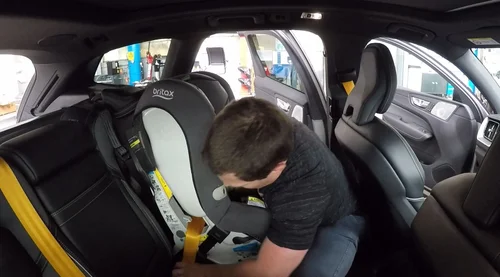
Credit: bestfamilycars.com.au
Frequently Asked Questions
What Is The Correct Booster Seat Position In A Car?
Place the booster seat in the back seat, preferably the middle. Ensure it is secured tightly using the vehicle’s seat belt or LATCH system. The seat belt should fit snugly over the child’s shoulder and lap for proper protection.
When Should Children Transition To A Booster Seat?
Children should switch to a booster seat once they outgrow their forward-facing car seat. This typically happens around 4 to 7 years old or when they weigh 40 to 100 pounds. Booster seats help position the seat belt correctly for safety.
How To Check If Booster Seat Is Installed Properly?
Ensure the booster seat does not move more than one inch side to side or front to back. The seat belt must lie flat and fit snugly across the child’s chest and hips. Follow manufacturer instructions for installation verification.
Can Booster Seats Be Used With Lap Belts Only?
No, booster seats must always be used with lap and shoulder belts. Lap belts alone do not provide adequate protection and can cause injury. Always use booster seats with a three-point seat belt for safety.
Conclusion
Installing booster seats correctly keeps children safe during car rides. Always follow the seat’s instructions carefully. Check that the seat fits your car well. Secure the seatbelt snugly across the child’s body. Regularly inspect the booster seat for wear or damage.
Remember, proper installation reduces injury risks. Stay alert and double-check before every trip. Safe rides bring peace of mind for everyone. Keep these tips in mind to protect your little ones. Safety first, always.







