
Have you ever faced a flat tire only to find your spare is flat too? That frustrating moment can ruin your day.
But here’s the good news: checking your spare tire pressure is simple and quick. When you know how to do it yourself, you can avoid surprises and stay safe on the road. In this DIY guide, you’ll learn easy steps to keep your spare tire ready whenever you need it.
Keep reading to make sure your spare is always ready to roll!
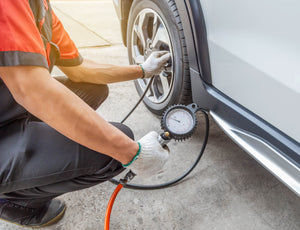
Credit: tiredirect.ca
Why Tire Pressure Matters
Tire pressure affects how your car drives and how safe you are on the road. Checking it often keeps your spare tire ready for use.
Proper tire pressure helps avoid accidents, saves money, and extends the life of your tires.
Safety Risks Of Low Pressure
Low tire pressure can cause serious safety problems. Tires with low air can overheat and fail suddenly.
- Harder to control the vehicle
- Increased risk of tire blowouts
- Longer stopping distances
- More chance of skidding on wet roads
Impact On Fuel Efficiency
Under-inflated tires make your car work harder. This uses more gas and raises fuel costs.
| Tire Pressure Status | Fuel Efficiency |
| Properly inflated | Best mileage |
| 5 PSI below recommended | Up to 10% more fuel used |
| 10 PSI below recommended | Up to 20% more fuel used |
Tire Longevity
Keeping the right pressure helps tires last longer. Low pressure wears tires unevenly and fast.
Tips to keep your tires in good shape:
- Check tire pressure monthly
- Use a reliable pressure gauge
- Fill air to the car maker’s recommended level
- Inspect tires for damage or uneven wear

Credit: www.carhub.ca
Tools Needed For Checking
Checking your spare tire pressure is important for safety. Using the right tools helps you get an accurate reading. This guide covers what you need to check tire pressure at home.
Having the proper equipment makes the task easier. Below are the key tools and helpful items to prepare before you start.
Choosing A Tire Pressure Gauge
A tire pressure gauge measures the air pressure inside your spare tire. Choose one that is easy to read and reliable. There are different types you can pick from based on your preference.
- Dial Gauge:Uses a small dial to show the pressure. It is simple and does not need batteries.
- Digital Gauge:Shows pressure on a screen. It is clear and quick but needs batteries to work.
- Stick Gauge:Has a sliding scale that moves out to show the pressure. It is small and easy to carry.
Additional Helpful Items
| Item | Purpose |
| Air Compressor | Adds air if the tire pressure is low |
| Valve Stem Caps | Protects the valve from dirt and moisture |
| Flashlight | Helps see the valve in low light conditions |
| Rag or Cloth | Wipes dirt off the valve before checking pressure |
Preparing Your Spare Tire
Checking your spare tire is important before any trip. A properly prepared spare can save time and stress.
This guide covers how to locate your spare tire and clean its valve stem for accurate pressure readings.
Locating The Spare Tire
Spare tires can be in different places depending on your vehicle. Knowing where to find it is the first step.
- Check under the trunk floor in cars and SUVs.
- Look under the rear of the vehicle for trucks.
- Some models store the spare inside the cabin area.
- Consult your vehicle manual if unsure.
Cleaning The Valve Stem
A clean valve stem helps you get an accurate tire pressure reading and prevents leaks.
| Cleaning Tools | Purpose |
| Soft cloth | Remove dirt and dust |
| Small brush | Clean inside and around the valve |
| Water and mild soap | Wash stubborn grime |
| Dry towel | Dry valve stem completely |
Step-by-step Pressure Check
Checking your spare tire pressure is important for safety. A properly inflated spare tire helps you in emergencies.
This guide shows you how to check the pressure in simple steps. You need a pressure gauge and a few minutes.
Removing The Valve Cap
Find the valve stem on your spare tire. It looks like a small rubber or metal tube sticking out from the tire.
Twist the valve cap counterclockwise to remove it. Keep the cap in a safe place so you do not lose it.
Using The Pressure Gauge
Press the pressure gauge firmly onto the valve stem. Make sure no air escapes while checking.
Hold the gauge steady until you get a reading. Digital gauges will show the number, and analog ones will move the needle.
- Use a digital gauge for easy reading
- Check in a quiet place for accuracy
- Do not press too hard on the valve
Interpreting The Readings
Compare the pressure reading to the recommended tire pressure. This number is usually on a sticker inside the driver’s door.
If the pressure is low, add air until it reaches the right level. If it is too high, release some air carefully.
| Pressure Level | Action |
|---|---|
| Below recommended | Add air to correct pressure |
| At recommended | No action needed |
| Above recommended | Release some air carefully |
Adjusting Tire Pressure
Proper tire pressure ensures safe and efficient driving. It’s important to check your spare tire’s pressure regularly. Adjusting the pressure is a simple task that can be done at home.
This guide will walk you through the steps to add or release air, ensuring your spare tire is always ready for the road.
Adding Air Safely
Adding air to your spare tire is crucial when the pressure is too low. You need a tire gauge and an air pump.
- Check the recommended PSI on the tire’s sidewall.
- Remove the valve cap and attach the gauge to check the current pressure.
- Use the air pump to add air slowly.
- Check the pressure again to ensure it matches the recommended PSI.
- Replace the valve cap securely.
Releasing Excess Air
If your spare tire has too much air, releasing excess is important for safety. Overinflation can lead to tire damage.
| Step | Action |
| 1 | Locate the valve stem and remove the cap. |
| 2 | Press the small pin inside the valve to release air. |
| 3 | Check the pressure with your gauge. |
| 4 | Continue until the pressure is at the correct level. |
| 5 | Replace the valve cap tightly. |
Maintaining Proper Pressure
Keeping your spare tire at the right pressure helps in emergencies. It ensures the tire is ready to use without problems.
Checking the pressure is easy and saves you from unexpected trouble on the road. Use a reliable pressure gauge to measure it accurately.
How Often To Check
Check your spare tire pressure at least once a month. It is important even if you do not use the spare tire regularly.
- Test pressure before long trips
- Check after extreme weather changes
- Inspect if you notice a flat or low tire
- Include spare tire in your regular tire check routine
Seasonal Considerations
Temperature changes affect tire pressure. Cold air reduces pressure, while heat can increase it.
| Season | Pressure Change | Action |
| Winter | Pressure drops | Check more often, inflate as needed |
| Summer | Pressure rises | Release air if overinflated |
| Spring/Fall | Moderate changes | Check monthly |
Common Mistakes To Avoid
Checking the pressure of your spare tire is important for safety. Many people make mistakes that can lead to problems on the road. Understanding these mistakes helps you avoid them.
Here are some common errors car owners make when checking spare tire pressure. Avoid these to ensure your spare is ready when you need it.
Ignoring Manufacturer Recommendations
Car manufacturers provide specific tire pressure recommendations. These are often found in the owner’s manual or on a sticker in the car door frame. Ignoring these can affect your car’s performance and safety.
- Always check the manual for the correct pressure.
- Do not guess the pressure based on other tires.
- Update your records if you change tire types.
Checking When Tires Are Hot
Tire pressure rises when tires are hot. Checking the pressure right after driving gives inaccurate readings. This can lead to underinflated tires.
Important Tip: Wait at least three hours after driving to check tire pressure, or check them first thing in the morning when they are cold.
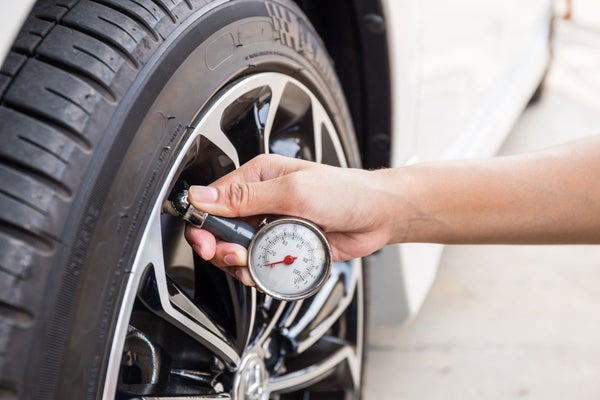
Credit: www.barum-tyres.com
Frequently Asked Questions
How Often Should I Check My Spare Tire Pressure?
You should check your spare tire pressure at least once a month. Regular checks ensure it stays properly inflated for emergencies. This prevents flat tires and maintains safety on the road.
What Is The Ideal Pressure For A Spare Tire?
The ideal pressure for most spare tires is between 60 and 65 psi. Always refer to your vehicle’s manual for the exact recommended pressure. Proper inflation prevents damage and ensures readiness when needed.
Can I Use A Regular Tire Pressure Gauge For The Spare?
Yes, a regular tire pressure gauge works perfectly for checking spare tires. Digital or analog gauges both provide accurate readings. Consistently use the same gauge for reliable pressure tracking.
Why Is Spare Tire Pressure Important For Safety?
Proper spare tire pressure ensures the tire functions correctly during emergencies. An underinflated spare can cause accidents or vehicle damage. Maintaining correct pressure guarantees a safe and smooth drive when replacing a flat tire.
Conclusion
Checking your spare tire pressure is simple and important. It keeps you safe on the road. Regular checks prevent surprises during emergencies. Use a reliable gauge and compare pressure with the car’s manual. Keep your spare ready to use anytime.
Small effort now saves big trouble later. Stay prepared and confident every time you drive.







