
Imagine your car suddenly breaking down in the middle of a scorching desert. The sun is blazing, water is running low, and help seems miles away.
What do you do next? Knowing how to survive during desert breakdowns could make all the difference between danger and safety. You’ll discover simple but powerful tips to keep you calm, stay safe, and increase your chances of rescue. Keep reading—your life might depend on it.
Preparing For Desert Travel
Traveling in the desert can be risky. You must plan well to stay safe.
Knowing what to bring and how to prepare your vehicle helps avoid problems.
Packing Essential Supplies
Bring enough water and food for everyone. Heat and dryness cause fast dehydration.
Pack items that help with shelter and first aid. These can save your life.
- Water: at least one gallon per person per day
- Non-perishable food like nuts and energy bars
- Sun protection: hats, sunscreen, sunglasses
- Emergency blanket or tarp for shade
- Basic first aid kit with bandages and antiseptics
- Flashlight with extra batteries
- Multi-tool or pocket knife
- Extra clothing for cold desert nights
Vehicle Maintenance Tips
Check your vehicle before the trip. Desert roads can be tough on cars.
Fix any issues and carry spare parts. This reduces chances of breakdowns.
- Check tire pressure and carry a spare tire
- Test the battery and cooling system
- Top off all fluids: oil, coolant, brake fluid
- Inspect brakes and lights
- Bring extra fuel and engine oil
- Carry tools for simple repairs
Planning Your Route
Study maps and choose safe roads. Avoid unknown paths without help nearby.
Tell someone your route and expected return time. This helps if you get lost.
- Use GPS and paper maps
- Note fuel stations and rest stops
- Plan travel times to avoid midday heat
- Check weather forecasts before leaving
- Have emergency contacts ready
Staying Safe After A Breakdown
Breaking down in the desert can be dangerous. The heat, lack of water, and isolation create risks. You must stay calm and act wisely.
Focus on protecting yourself from the elements. Use what you have to survive until help arrives.
Finding Shelter And Shade
Sun exposure causes heatstroke and dehydration. Look for natural shade under rocks or trees. Avoid direct sunlight during the hottest hours.
If no shade is nearby, create your own using parts of your vehicle or clothing. Stay low to the ground to keep cool.
- Use car doors or hood for shade
- Wear a hat or cover your head
- Rest during midday heat, move in early morning or late afternoon
Conserving Water And Food
Water is your top priority. Drink small sips to stay hydrated longer. Avoid eating too much food if water is low.
Save your water for emergencies. Do not drink alcohol or caffeine as they cause dehydration.
- Drink water slowly and only when thirsty
- Eat small amounts of dry food
- Do not waste water on washing or cleaning
Signaling For Help
Make it easier for rescuers to find you. Use bright objects or create large signals on the ground. Stay near your vehicle for visibility.
If you have a phone or radio, use it to call for help. Conserve battery by turning off when not in use.
- Wave bright clothing or reflective items
- Create large SOS signs in the sand or rocks
- Use mirrors or shiny objects to reflect sunlight
- Stay near your vehicle as it is easier to spot
Dealing With Extreme Temperatures
Desert breakdowns can expose you to very hot days and cold nights. It is important to know how to protect yourself from these temperature changes.
Knowing what to do helps you stay safe and healthy until help arrives or you reach safety.
Protecting Yourself From Heat
High desert temperatures can cause dehydration and heat stroke. Take steps to keep your body cool and hydrated.
- Find shade or create shelter from direct sunlight.
- Drink water often, even if you do not feel thirsty.
- Wear loose, light-colored clothing to reflect heat.
- Use a wide-brim hat to protect your head and face.
- Rest during the hottest parts of the day to avoid overexertion.
Staying Warm At Night
Desert nights can become very cold quickly. Staying warm is key to avoiding hypothermia.
| Action | Why It Helps |
| Wear layered clothing | Traps heat close to your body |
| Use blankets or a sleeping bag | Provides insulation from cold ground and air |
| Stay dry | Wet clothes lose heat faster |
| Build a small fire safely | Generates warmth and comfort |
| Huddle with others if possible | Shares body heat |
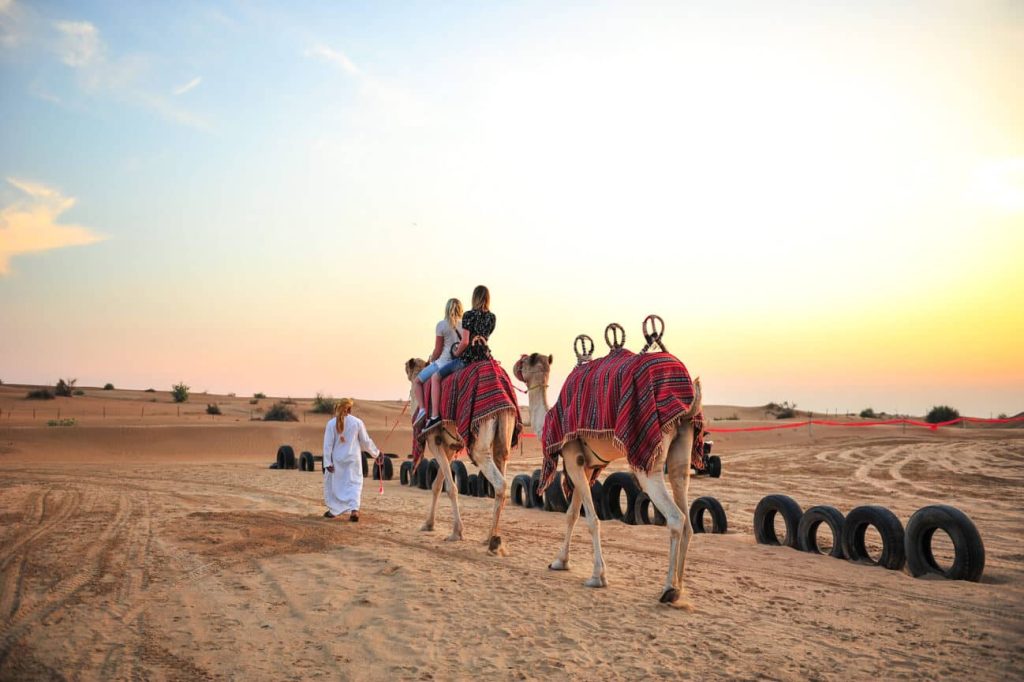
Credit: www.few.ae
Navigating Without A Vehicle
Breaking down in the desert can be scary. Knowing how to navigate without a vehicle is important. This guide will help you use natural landmarks and avoid dangerous terrain.
Using Natural Landmarks
Natural landmarks are useful for finding your way. Look for large rock formations, trees, or hills. These features can guide you to safety.
- Rocks often point to water sources.
- Shadows can help you determine direction.
- Hills provide a better view of the area.
Avoiding Dangerous Terrain
Deserts have many hazards. Steer clear of loose sand and steep slopes. These areas are risky and can lead to injury.
Watch for signs of animal activity. Some animals are dangerous. Stay on firm ground to keep safe.
- Avoid dry riverbeds; they can flood suddenly.
- Stay away from cliffs to prevent falls.
- Keep an eye out for snakes and scorpions.
Emergency Communication Methods
When stranded in the desert, staying connected can save your life. Knowing how to communicate during an emergency is key. Different methods work better depending on the situation.
Understanding your options helps you stay calm and get help faster. Use the tools you have and learn alternative ways to send signals if needed.
Using Mobile Devices Wisely
Mobile phones are the easiest way to call for help. Save battery by turning off unused apps and lowering screen brightness. Use airplane mode if there is no signal to save power. Text messages often get through when calls do not.
- Keep your phone off until you need it
- Send text messages instead of making calls
- Use GPS apps to share your location
- Carry a portable charger or power bank
- Turn on emergency SOS features if available
Alternative Signaling Techniques
If your phone does not work, use simple signals to attract attention. Bright colors, sounds, and light flashes can help rescuers find you. Stay where you can be seen easily.
| Signaling Method | How to Use | Best Time |
| Mirror Reflection | Flash sunlight to attract attention | Daytime |
| Whistle Blasts | Blow three short blasts repeatedly | Any time |
| Bright Cloth | Wave or lay out brightly colored fabric | Daytime |
| Flashlight | Use Morse code or continuous flashes | Nighttime |
Credit: www.few.ae
First Aid In The Desert
Being stranded in the desert can be dangerous. Knowing first aid can save your life.
Heat and dry air cause many health problems. Learn how to treat them quickly.
Treating Dehydration And Heatstroke
Dehydration happens when your body loses too much water. You feel weak and dizzy.
Heatstroke is serious. It happens when your body gets too hot and cannot cool down.
- Move to shade or a cool place immediately.
- Drink small sips of water often. Avoid alcohol or caffeine.
- Use a wet cloth on your skin to cool down.
- Remove extra clothing to help your body breathe.
- If the person is unconscious, call for help right away.
Handling Injuries And Infections
Injuries can get worse in the desert. Dirt and sand cause infections easily.
Clean wounds as soon as possible. Use clean water and cover with a bandage.
- Wash your hands before touching the injury.
- Remove dirt gently with clean water.
- Apply an antiseptic if available.
- Cover cuts with a sterile bandage or cloth.
- Watch for signs of infection like redness or swelling.
- Seek medical help if the injury worsens or fever develops.
Mental Strategies For Survival
Being stranded in a desert can challenge your mind. Survival depends on staying calm and managing stress. Here are some strategies to help.
Staying Calm And Focused
Keeping calm is crucial in a desert breakdown. Focus on clear thinking to make wise decisions.
- Take deep breaths to relax your mind.
- Visualize a positive outcome to stay motivated.
- Break tasks into small steps to avoid feeling overwhelmed.
Managing Stress And Fatigue
Stress and fatigue can drain your energy and focus. Learn to manage them effectively.
| Task | Energy Level |
| Walking | Moderate |
| Resting | Low |
| Finding Shade | Low |
Set small goals and rest often to conserve energy. This helps in maintaining your physical and mental health.
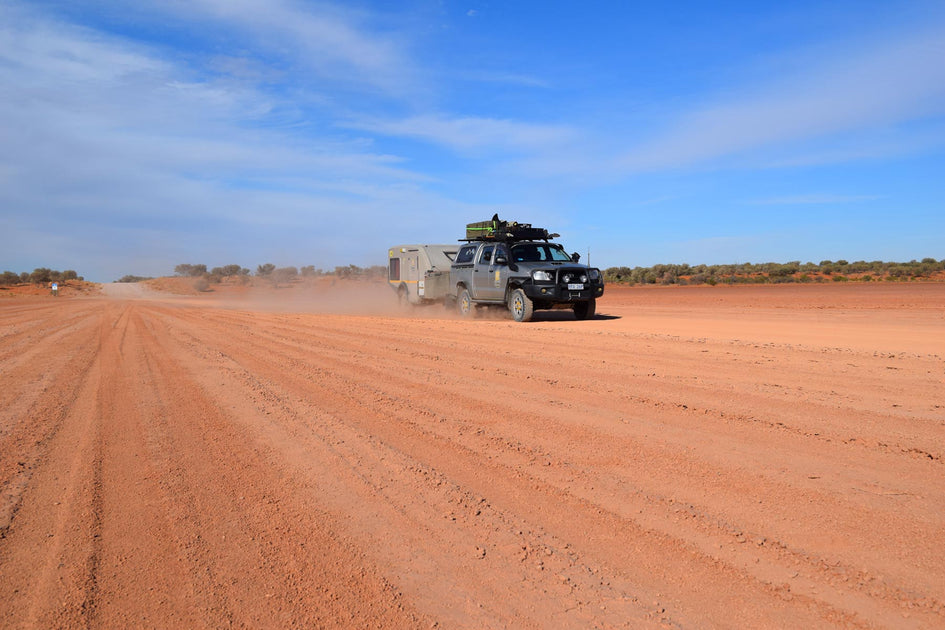
Credit: hemamaps.com
Frequently Asked Questions
What Essential Items Should I Carry During A Desert Breakdown?
Carry plenty of water, a first aid kit, a flashlight, a multi-tool, and extra food. Also include a charged phone, maps, and sun protection gear to ensure safety and communication in remote desert areas.
How Can I Stay Cool During A Desert Vehicle Breakdown?
Seek shade, avoid direct sunlight, and cover your head with a cloth. Drink water regularly and limit physical activity to prevent dehydration and heatstroke in extreme desert temperatures.
What Is The Best Way To Signal For Help In The Desert?
Use bright-colored clothing, mirrors, or a flashlight to attract attention. Create large ground signals or use your phone’s emergency features to increase chances of rescue quickly.
How Do I Conserve Water When Stranded In The Desert?
Drink small sips regularly, avoid sweating, and stay in shaded areas. Do not ration water too strictly, as mild dehydration is better than severe thirst or heat exhaustion.
Conclusion
Surviving a desert breakdown takes calm and quick action. Always carry enough water and basic tools. Stay close to your vehicle for safety and shelter. Signal for help using bright or reflective items. Keep your phone charged and conserve battery.
Remember, preparation can save your life in harsh conditions. Stay alert and trust your instincts during emergencies. Being ready makes a big difference in desert survival.







