
Are you sure your tires are inflated just right? Overinflated tires might seem like a small issue, but they can affect your safety, comfort, and even your wallet.
If you don’t know how to spot them, you could be driving with too much air pressure without realizing it. You’ll learn simple and clear ways to identify overinflated tires before they cause problems. Keep reading to protect yourself and your vehicle on the road.
Signs Of Overinflated Tires
Overinflated tires can cause problems while driving. They change how your vehicle handles and wears out tires faster.
Knowing the signs of overinflation helps you keep safe and save money on tire repairs.
Uneven Tire Wear Patterns
Overinflated tires wear out in the center of the tread more than on the edges. This uneven wear lowers tire life and affects safety.
| Wear Location | Cause | Effect |
| Center of Tread | Too much air pressure | Faster wear, less grip |
| Edges of Tread | Normal pressure | Longer tire life |
Hard Ride Experience
When tires are overinflated, your car feels bumpier. The tires cannot absorb shocks from the road well.
This hard ride can make driving uncomfortable and cause damage to suspension parts over time.
Reduced Traction And Grip
- Less tire surface touches the road
- Lower grip on wet or slippery roads
- Increased risk of skidding or losing control
- Longer stopping distances
Overinflated tires reduce the area that contacts the road. This means less traction and more danger in bad weather.

Credit: www.carparts.com
Tools To Check Tire Pressure
Checking tire pressure is important for safe driving and tire health. Overinflated tires can cause uneven wear and reduce traction. Using the right tools helps you find the correct pressure.
There are different tools and methods to measure tire pressure. This guide explains how to use them properly.
Using A Tire Pressure Gauge
A tire pressure gauge measures the air pressure inside your tires. It is a simple tool that gives you a number to compare with the recommended pressure.
To use a gauge, remove the valve cap from the tire. Press the gauge firmly onto the valve stem. Read the pressure shown on the gauge. Replace the valve cap afterward.
Digital Vs. Analog Gauges
There are two main types of tire pressure gauges: digital and analog. Both work well but have different features.
| Type | Advantages | Disadvantages |
| Digital Gauge | Easy to read, quick results | Needs batteries, can be costly |
| Analog Gauge | Simple design, no batteries needed | Harder to read, less precise |
Checking When Tires Are Cold
Always check tire pressure when the tires are cold. This means the car has been parked for at least three hours or driven less than one mile.
- Cold tires give accurate pressure readings
- Heat causes air to expand, raising pressure
- Checking hot tires can give false high readings
Recommended Tire Pressure Levels
Maintaining the right tire pressure is key for safe driving. Overinflated tires can cause uneven wear and reduce traction. It is important to know the recommended pressure levels for your vehicle.
Check your tire pressure regularly to avoid problems. Use proper tools and follow guidelines to keep your tires in good shape.
Finding Manufacturer Guidelines
Tire pressure recommendations come from the vehicle manufacturer. You can find these guidelines on a sticker inside the driver’s door or in the owner’s manual. These numbers show the ideal pressure for your tires.
- Look for the tire pressure label on the driver’s side door frame
- Check the owner’s manual for detailed information
- Follow the recommended PSI (pounds per square inch) values
- Note front and rear tire pressure may differ
Adjusting For Load And Conditions
Tire pressure should change based on how much weight your vehicle carries and the road conditions. Heavier loads need higher pressure. Driving on rough roads may require adjustments as well.
| Condition | Recommended Pressure Adjustment |
|---|---|
| Light Load (Normal Driving) | Use manufacturer’s standard PSI |
| Heavy Load (Full Passengers or Cargo) | Increase PSI by 2 to 4 |
| Rough Terrain | Decrease PSI slightly for better grip |
| High-Speed Driving | Maintain or slightly increase PSI for stability |
Risks Of Overinflated Tires
Overinflated tires have too much air pressure. This can cause many problems for your vehicle.
Knowing the risks helps you keep your car safe and running well.
Increased Blowout Risk
Too much air pressure makes tires hard and less flexible. This can cause sudden blowouts.
Blowouts are dangerous because you can lose control of your car quickly.
Poor Handling And Stability
Overinflated tires have a smaller contact area with the road. This lowers traction and grip.
Your car may feel unstable and harder to steer, especially on wet or slippery roads.
Premature Tire Damage
High pressure causes uneven tire wear. The center of the tire wears out faster than the edges.
This leads to early tire damage and the need to replace tires sooner than expected.
- Center tread wears quickly
- Sidewalls may crack from too much pressure
- Overall tire life is reduced
Maintenance Tips To Avoid Overinflation
Overinflated tires can cause uneven wear and reduce safety on the road. It is important to keep your tires at the right pressure to avoid problems.
Regular maintenance helps you spot overinflation early and fix it before it causes damage.
Regular Pressure Checks
Check your tire pressure at least once a month. Use a reliable tire pressure gauge for accurate readings.
Make sure to check the pressure when the tires are cold. This gives the most accurate measurement.
- Remove the valve cap
- Press the gauge firmly onto the valve stem
- Read the pressure displayed
- Compare it to the manufacturer’s recommended pressure
Proper Inflation Techniques
Use an air compressor with a pressure gauge to inflate your tires. Add air slowly to avoid overinflation.
Stop inflating once the pressure reaches the recommended level. Do not guess or overfill the tires.
- Check the recommended PSI on the tire sidewall or vehicle manual
- Inflate tires in small bursts
- Recheck pressure after each burst
- Replace the valve cap securely
When To Visit A Professional
If you notice your tires lose pressure quickly or feel too hard, see a tire expert. They can check for leaks or damage.
Professionals can also balance and align tires. This helps keep them inflated properly and extends their life.
- Tire pressure drops more than once a week
- Tires feel too firm or too soft
- Visible tire damage or cracks
- Uneven tire wear
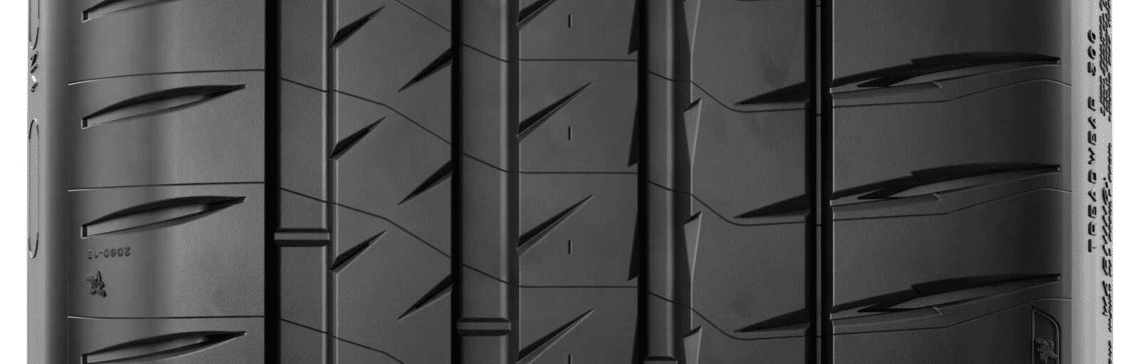
Credit: www.michelin.ca
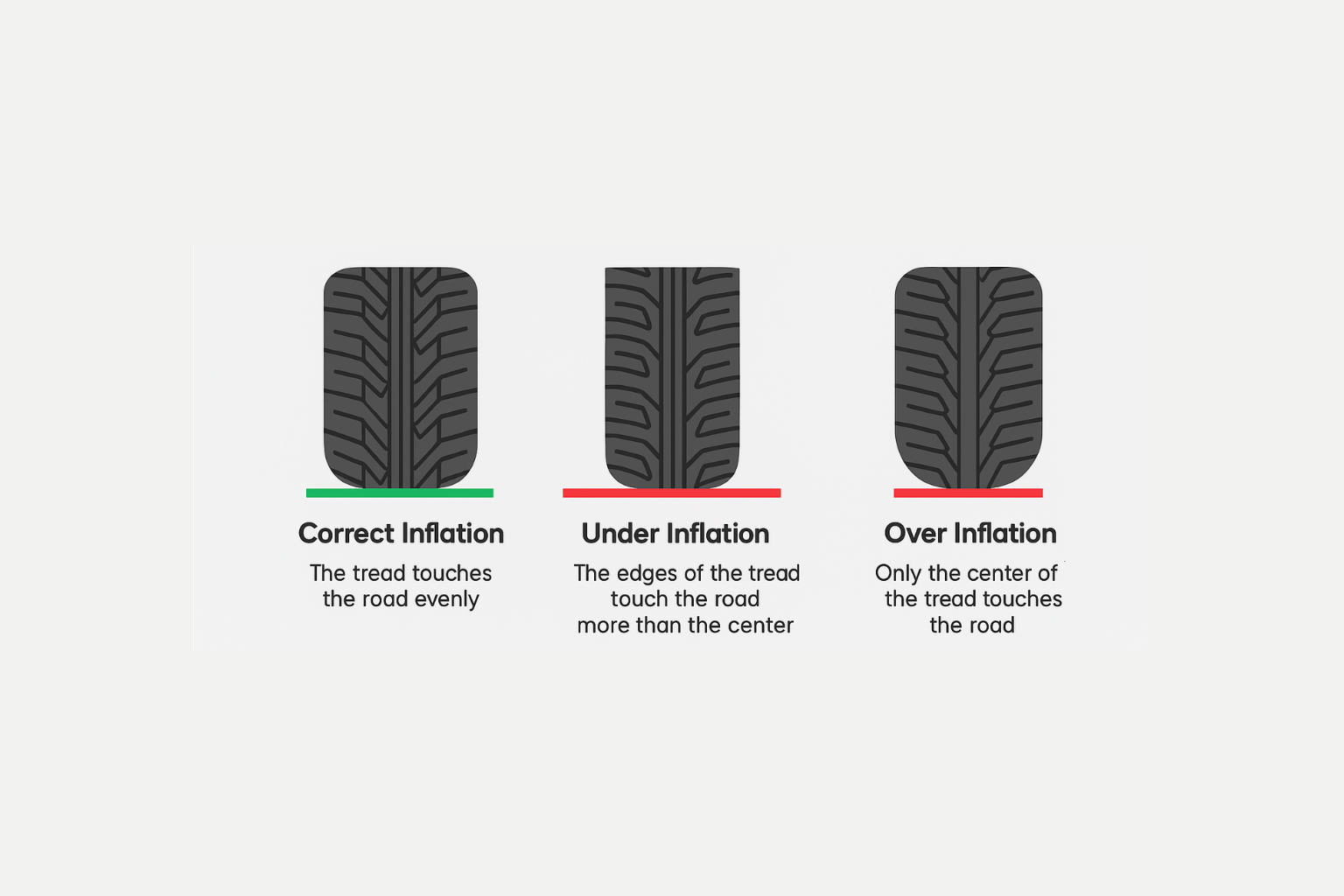
Credit: tayaria.com
Frequently Asked Questions
What Are The Signs Of Overinflated Tires?
Overinflated tires appear bulged in the center and feel firmer than usual. They may cause uneven tire wear, mostly in the middle tread. You might notice a harsher ride and reduced traction on the road.
How Does Overinflation Affect Tire Performance?
Overinflation leads to less tire contact with the road. This reduces grip and increases the risk of blowouts. It also causes uneven wear, which shortens tire lifespan and affects vehicle handling and safety.
Can I Check Tire Pressure To Prevent Overinflation?
Yes, regularly check tire pressure with a reliable gauge. Compare the reading to the manufacturer’s recommended PSI, found in the car manual or door sticker. Adjust pressure accordingly to maintain optimal tire performance and safety.
What Risks Come With Driving On Overinflated Tires?
Driving on overinflated tires increases the chance of blowouts and poor handling. It causes a rough ride and uneven tire wear. This can compromise vehicle control and increase accident risk.
Conclusion
Knowing how to spot overinflated tires keeps you safe on the road. Check tire pressure regularly with a reliable gauge. Look for signs like a hard ride or uneven tire wear. Proper tire care helps your vehicle last longer and saves money.
Keep your tires at the right pressure for better control and fuel efficiency. Small efforts make a big difference in driving comfort and safety. Stay alert and maintain your tires well. Your car and wallet will thank you.







