
Imagine being on the road with your kids when suddenly, something unexpected happens—a flat tire, a sudden stop, or worse. In those critical moments, knowing how to keep your children safe can make all the difference.
You want to protect your little ones, but do you know the best steps to take during a car emergency? This article will guide you through simple, effective tips to ensure your kids stay safe no matter what surprises the road throws at you.
Keep reading—your family’s safety depends on it.
Prepare An Emergency Kit
Having an emergency kit in your car helps keep kids safe during unexpected situations. It gives you tools and supplies to handle problems quickly.
Getting your kit ready before traveling can reduce stress and protect your family in an emergency.
Essential Items To Include
Your emergency kit should have basic supplies to care for kids and handle car troubles. Include items that help with first aid, warmth, and communication.
- First aid kit with bandages, antiseptic wipes, and child-safe pain relief
- Blankets or extra clothing for warmth
- Water bottles and healthy snacks
- Flashlight with extra batteries
- Whistle to signal for help
- Car charger for your phone
- Child identification info and emergency contact numbers
- Small toys or books to keep kids calm
Storing The Kit Safely
Keep your emergency kit in a place that is easy to reach but secure. Make sure kids cannot access items that could harm them.
Check the kit regularly to replace used or expired supplies. Store it in a sturdy bag or container that fits well in your car.
- Use a waterproof, durable container
- Place the kit in the trunk or under a seat
- Keep it visible so adults can find it fast
- Teach older kids where it is stored
- Review the kit contents every few months
Teach Kids Basic Safety Rules
Teaching kids basic safety rules helps them stay safe during car emergencies. Kids who know what to do feel less scared and more in control.
Clear and simple rules make it easier for children to remember and act quickly if a problem happens on the road.
How To Stay Calm
Teach kids to take deep breaths and stay calm if the car stops suddenly. Calmness helps everyone think clearly and stay safe.
- Take slow, deep breaths together
- Count to ten slowly
- Use a calm voice to talk
- Stay seated and keep seat belts fastened
What To Do During A Breakdown
Explain to kids the steps to follow when the car breaks down. Knowing what to do helps them feel safe and ready.
| Action | Why It Matters |
| Stay inside the car | Protects from traffic and weather |
| Turn on hazard lights | Makes the car visible to others |
| Wait for adults to help | Prevents accidents and confusion |
| Avoid touching controls | Prevents accidental damage or injury |
Use Proper Child Restraints
Car emergencies can be scary, especially for kids. Using the right child restraints keeps them safe during sudden stops or crashes.
Choosing and installing the correct car seat is key. It protects your child and reduces injury risks.
Choosing The Right Car Seat
Select a car seat based on your child’s age, weight, and height. This helps ensure the best fit and protection.
There are different types of seats for each stage: rear-facing, forward-facing, and booster seats.
- Use rear-facing seats for infants and toddlers up to 2 years old or until they reach weight limits.
- Forward-facing seats with a harness fit children after outgrowing rear-facing seats.
- Booster seats help older kids use seat belts safely.
Correct Installation Tips
Always read the car seat manual and your vehicle’s guide before installing. Proper installation is crucial for safety.
Use the LATCH system or seat belt firmly to secure the seat. The seat should not move more than an inch side to side or front to back.
- Place the car seat at the correct angle to support your child’s head and neck.
- Check that harness straps are snug and placed at or below your child’s shoulders for rear-facing seats.
- For forward-facing seats, straps should be at or above the shoulders.
- Ensure the chest clip is at armpit level.
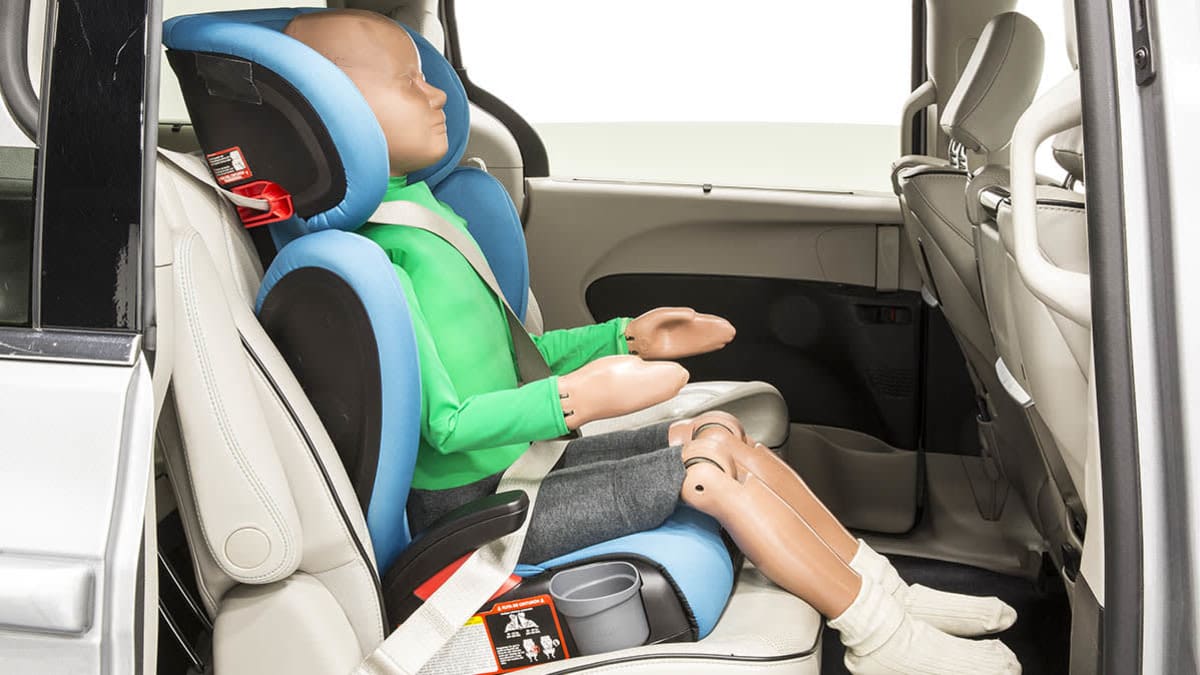
Credit: www.consumerreports.org
Plan Safe Stops
Car emergencies can happen anytime. Planning safe stops keeps kids secure and calm. Knowing where to stop helps you handle situations better.
Safe stops reduce risks for kids. It also makes the emergency easier to manage. Always prepare your stops before the trip.
Selecting Safe Locations
Choose places that are easy to access and safe for children. Avoid busy roads and dark areas. Look for spots with clear visibility.
- Pick parking lots or rest areas with low traffic
- Stop where there is enough space to park safely
- Choose well-lit areas during night stops
- Avoid stopping near sharp turns or blind spots
- Stay away from places with heavy pedestrian or vehicle flow
Communicating With Kids
Talk to kids calmly about what is happening. Use simple words and explain the stop is for their safety. Keep their feelings in mind.
| Tip | How to Do It |
|---|---|
| Stay calm | Speak softly and slowly to reduce fear |
| Explain the stop | Tell kids why you stopped and what will happen next |
| Answer questions | Be honest and clear, keep answers short |
| Reassure safety | Tell kids you are doing everything to keep them safe |
Stay Visible And Alert
Car emergencies can be dangerous, especially with kids inside. Staying visible and alert helps protect everyone. It lets other drivers see you and avoid accidents.
Use clear signals and keep your vehicle in a safe spot. These actions reduce risks and keep your family safe during an emergency.
Using Hazard Lights And Reflective Gear
Turn on your hazard lights right away. This warns drivers that your vehicle is stopped or moving slowly. Use reflective vests or gear for yourself and your kids to increase visibility.
- Switch on hazard lights immediately
- Wear reflective vests outside the car
- Use reflective triangles or cones around the vehicle
- Keep flashlights handy for night emergencies
Positioning The Vehicle Safely
Park your car in a safe place away from traffic. Use the shoulder or emergency lane if possible. Avoid sharp curves and blind spots. Keep kids inside the vehicle until it is safe to exit.
| Safe Parking Tips | Why It Matters |
|---|---|
| Use the emergency lane or shoulder | Keeps your car away from moving traffic |
| Turn wheels toward the curb on slopes | Prevents the car from rolling |
| Avoid parking near blind curves | Reduces chance of collision |
| Keep children inside until help arrives | Protects them from traffic dangers |
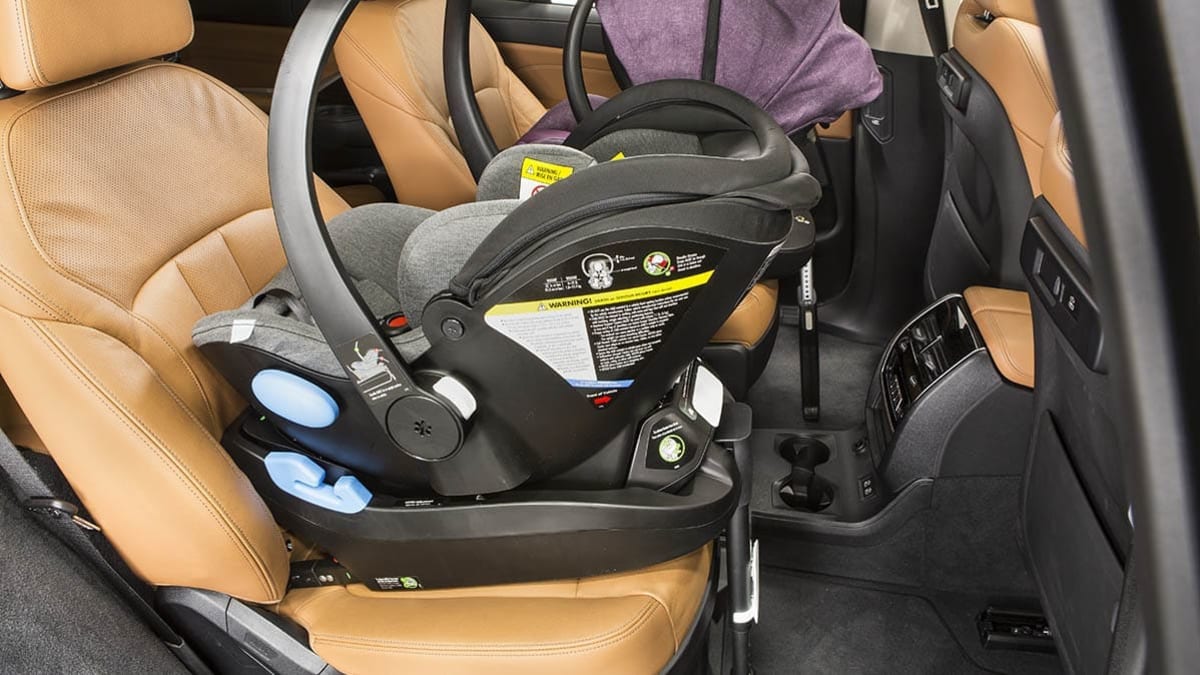
Credit: www.consumerreports.org
Practice Emergency Drills
Preparing kids for car emergencies is crucial. Practice makes them ready to act quickly. Emergency drills help build confidence and ensure safety.
Knowing what to do in a crisis reduces panic. Regular practice helps children feel secure and calm.
Simulating Scenarios
Create realistic scenarios to teach kids. Simulate different emergencies like flat tires or engine issues. This helps them understand various situations.
- Explain the scenario clearly.
- Demonstrate the steps to take.
- Let the kids practice under supervision.
Building Confidence In Kids
Confidence is key during emergencies. Children must trust their abilities. Practice boosts their self-assurance and helps them stay calm.
Engage kids in role-playing activities. Use props like flashlights and emergency kits. This makes the learning process fun and memorable.
| Scenario | Skills Learned |
| Flat Tire | Changing a tire |
| Engine Overheat | Cooling down the engine |
| Lost Directions | Using a map |
Keep Communication Devices Ready
Staying connected during a car emergency is crucial. Having communication devices ready can keep your kids safe.
Make sure your devices are charged and accessible. This way, help is just a call away.
Mobile Phones And Chargers
Always have a mobile phone in the car. It is the quickest way to call for help.
Keep a car charger or a power bank. This ensures your phone stays powered during long trips.
- Check your phone’s battery before leaving
- Pack a spare charger in the car
- Consider having a solar charger as a backup
Emergency Contact Lists
Have a list of important contacts ready. This includes family members and emergency services.
Store these numbers in your phone and write them down. This helps if your phone is lost or broken.
| Contact | Number |
| Mom | 123-456-7890 |
| Dad | 098-765-4321 |
| Emergency Services | 911 |

Credit: www.consumerreports.org
Frequently Asked Questions
How Can I Prepare Kids For Car Emergencies?
Teach kids basic safety rules and emergency contacts. Practice evacuation drills and explain the importance of seat belts. Keep a first-aid kit and emergency supplies in the car. This preparation helps kids stay calm and act quickly during emergencies.
What Essential Items Should Be In A Car Emergency Kit?
Include a first-aid kit, flashlight, water, snacks, blankets, and a phone charger. Add child-specific items like toys and medications. This kit ensures kids have comfort and safety tools during unexpected car troubles.
How To Keep Kids Calm During Car Emergencies?
Speak in a calm, reassuring tone and explain the situation simply. Engage them with distractions like games or stories. Staying calm yourself helps reduce kids’ anxiety and prevents panic during emergencies.
When Should Kids Exit The Vehicle In An Emergency?
Kids should exit only if the car is unsafe, like in a fire or flood. Always ensure the area is safe before leaving. Teach kids to wait for adult instructions to avoid danger outside the car.
Conclusion
Keeping kids safe during car emergencies requires clear planning and quick action. Always teach children what to do if a problem arises. Make sure safety gear is in good shape and easy to reach. Practice emergency steps regularly to build confidence.
Stay calm and focused to guide your child through tough moments. These simple tips help protect your family on the road. Safety is a shared responsibility. Be prepared, stay alert, and act fast when needed. Your child’s safety depends on your readiness and care.







