
Your safety on the road starts with something as simple as the air in your tires. You might not realize it, but the correct tire PSI can make a huge difference in how your vehicle handles, how well it stops, and even how long your tires last.
Ignoring this small detail can put you and your loved ones at risk. Want to know why checking your tire pressure is one of the easiest ways to protect yourself every time you drive? Keep reading to discover the crucial reasons why the right tire PSI matters more than you think.
Tire Psi And Vehicle Safety
Correct tire pressure is key to safe driving. It keeps your vehicle stable and responsive.
Maintaining the right PSI helps prevent accidents and extends tire life.
Impact On Handling
Proper tire pressure improves how your car handles corners and curves. Low PSI makes steering sluggish. High PSI can cause a harsh ride and less road grip.
- Correct PSI ensures better traction on wet and dry roads.
- It helps keep the vehicle balanced during turns.
- Proper pressure reduces the risk of losing control.
Effect On Braking Distance
Brake performance depends on how tires contact the road. Wrong PSI affects this contact area. This can make braking longer or unstable.
| Tire Pressure | Braking Distance | Safety Impact |
| Too Low | Increases | Higher risk of accidents |
| Correct | Optimal | Better control and safety |
| Too High | Increases | Less road grip, longer stop |
Influence On Tire Wear
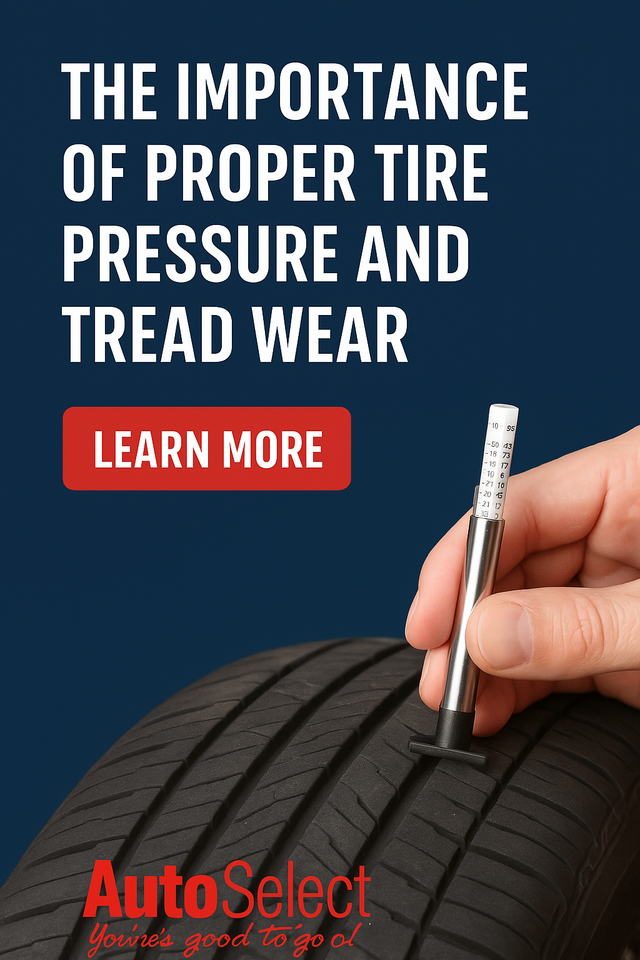
Incorrect tire PSI leads to uneven wear. This shortens tire life and can cause sudden failures.
Signs of wrong tire pressure include:
- Worn edges from low PSI
- Center tread wear from high PSI
- Vibrations or noise while driving
Credit: www.autoselectonline.com
Risks Of Incorrect Tire Pressure
Tire pressure affects how a car drives and stops. Too much or too little air can cause problems.
Keeping the right tire psi is important for safety on the road. Wrong pressure can lead to accidents.
Underinflation Dangers
Underinflated tires have less air than needed. This makes the tire weak and soft.
Soft tires cause more friction with the road. This can lead to tire overheating and failure.
- Increased tire wear
- More fuel consumption
- Poor handling and steering
- Higher risk of blowouts
Overinflation Consequences
Overinflated tires have too much air. This makes the tire stiff and less flexible.
Stiff tires reduce the contact area with the road. This lowers grip and can cause a rough ride.
- Uneven tire wear
- Increased risk of tire damage
- Less comfort and control
- Greater chance of tire blowout
Increased Accident Risk
Incorrect tire pressure can cause poor vehicle control. This makes it harder to stop or turn safely.
Both under and overinflation raise the chance of accidents. Checking tire psi helps prevent crashes.
- Longer stopping distances
- Reduced traction on wet roads
- Higher risk of tire blowouts
- Loss of vehicle control
How To Check And Maintain Tire Psi
Proper tire pressure is very important for safe driving. It helps your tires last longer and keeps your car stable on the road.
Checking and maintaining the right tire PSI is easy. You just need a few tools and some simple steps.
Tools Needed For Measurement
You need a tire pressure gauge to check the PSI. There are many types available, such as digital or dial gauges.
Some cars have built-in tire pressure monitors, but a separate gauge is more accurate for manual checks.
- Tire pressure gauge (digital or dial)
- Air compressor or pump to add air
- Car owner’s manual for recommended PSI
Recommended Checking Frequency
Check your tire pressure at least once a month. Also check before long trips or when carrying heavy loads.
Temperature changes can affect tire pressure. Check more often in cold or hot weather.
- Monthly checks keep tires in good shape
- Check before long drives for safety
- Check more often during seasonal changes
Adjusting Tire Pressure Correctly
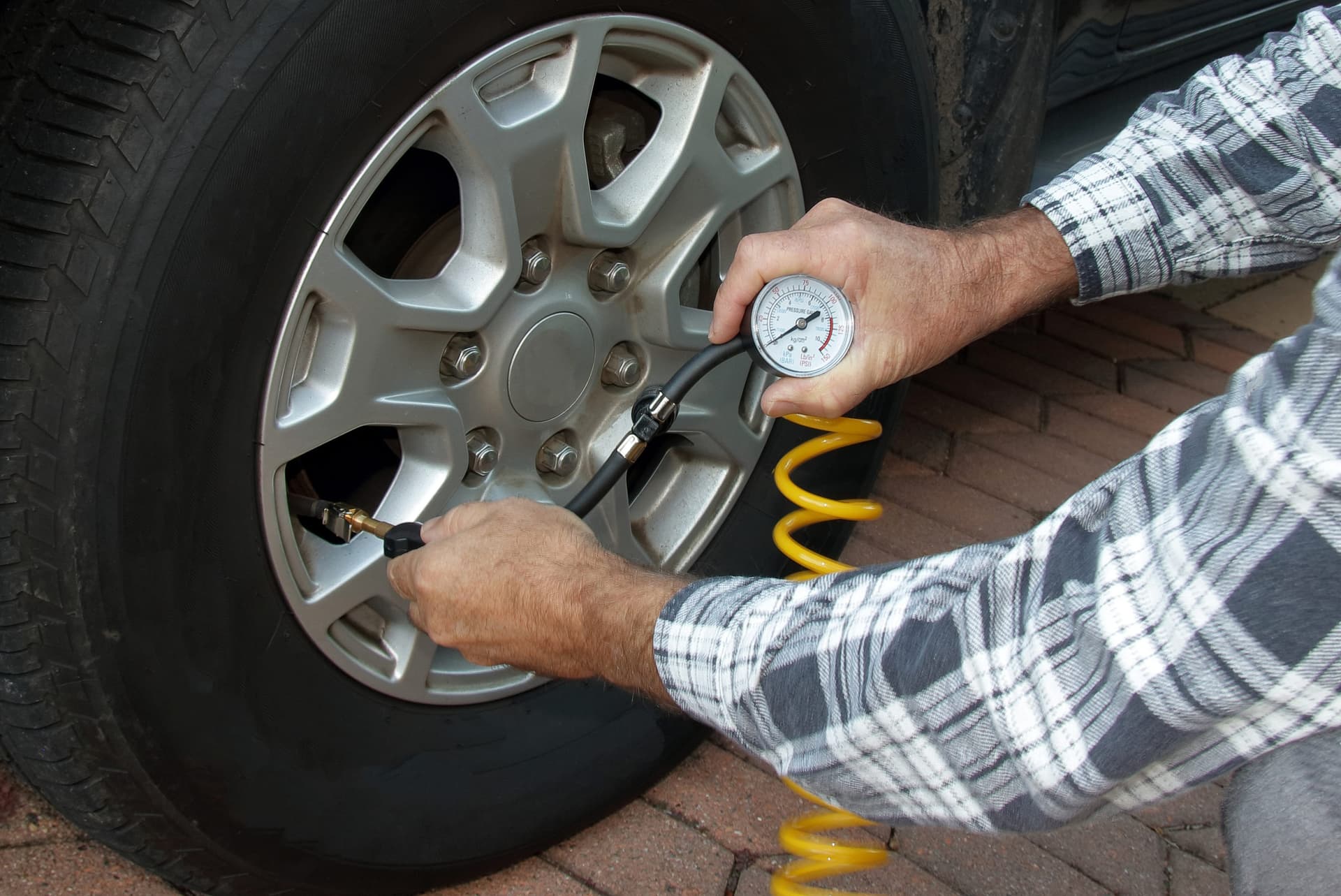
Use the tire pressure gauge to measure the PSI. Remove the valve cap and press the gauge on the valve stem.
If the pressure is low, add air with a pump. If it is too high, release some air until it matches the recommended PSI.
- Check pressure when tires are cold for accuracy
- Add air slowly and recheck pressure often
- Replace valve caps to keep dirt out
Benefits Of Proper Tire Inflation
Keeping your tires at the correct psi is important for safety and vehicle care. Proper tire inflation helps your car run smoothly and saves money over time.
Below are key benefits of maintaining the right tire pressure for your vehicle.
Improved Fuel Efficiency
Correct tire pressure reduces rolling resistance. This means your engine uses less fuel to move the car. Proper inflation can improve gas mileage and lower fuel costs.
- Less energy needed to roll tires
- Reduced fuel consumption
- Lower carbon emissions
Enhanced Tire Longevity
Properly inflated tires wear evenly. This prevents early tire damage and saves money on replacements. Under or overinflated tires can cause uneven tread wear.
| Inflation Level | Effect on Tire Life |
| Correct psi | Even wear, longer life |
| Too low psi | Wears edges, risks damage |
| Too high psi | Wears center, less grip |
Better Overall Vehicle Performance
Correct tire pressure improves handling and braking. It keeps the ride smooth and stable. This helps keep you safe on the road.
Key performance benefits include:
- Smoother steering response
- Shorter stopping distances
- Improved stability in turns
Tips For Maximizing Tire Safety
Correct tire pressure helps keep you safe on the road. It improves handling and prevents tire wear. Checking tire psi is a simple way to avoid accidents.
Use these tips to keep your tires in top shape. Proper care extends tire life and boosts safety for you and others.
Regular Inspections
Check your tire pressure at least once a month. Use a reliable gauge to get an accurate reading. Look for signs of damage like cuts or bulges on the tire sidewalls.
- Check pressure when tires are cold
- Inspect tread depth for wear
- Look for cracks or foreign objects
- Make sure valve caps are tight
Seasonal Adjustments
Temperature changes affect tire pressure. Cold weather lowers psi, while heat raises it. Adjust your tire pressure to match the season to keep safe traction.
| Season | Pressure Tip |
| Winter | Check weekly, add air as needed |
| Summer | Check twice a month, avoid overinflation |
| Spring/Fall | Inspect monthly, adjust for temperature |
Professional Maintenance
Have your tires checked by a professional once a year. They can balance and align your wheels. Proper alignment prevents uneven wear and improves control.
Professional services include:
- Tire rotation
- Wheel balancing
- Alignment checks
- Pressure adjustment

Credit: nen.press
Credit: simpletire.com
Frequently Asked Questions
What Is The Ideal Tire Psi For Safety?
The ideal tire PSI depends on your vehicle’s specifications. Check the owner’s manual or tire placard for exact values. Maintaining correct PSI ensures better grip, handling, and prevents tire blowouts. It improves fuel efficiency and extends tire life, enhancing overall safety.
How Often Should Tire Psi Be Checked?
Tire PSI should be checked at least once a month and before long trips. Temperature changes affect tire pressure, so regular checks prevent under or over-inflation. Proper monitoring helps maintain vehicle stability and reduces accident risks.
What Are The Risks Of Incorrect Tire Psi?
Incorrect tire PSI leads to poor handling, increased tire wear, and higher accident risk. Under-inflation causes overheating and blowouts, while over-inflation reduces traction. Both conditions compromise braking efficiency and fuel economy, threatening your safety on the road.
Can Low Tire Psi Affect Fuel Efficiency?
Yes, low tire PSI increases rolling resistance, causing the engine to work harder. This leads to higher fuel consumption and increased emissions. Keeping tires properly inflated improves mileage and reduces your carbon footprint, saving money and the environment.
Conclusion
Maintaining the correct tire PSI keeps you safe on the road. It improves how your car handles and stops. Proper tire pressure also helps your tires last longer. Saving fuel is another benefit of the right PSI. Checking tire pressure takes only a few minutes.
It’s a simple step with big safety rewards. Don’t ignore this small but important task. Your safety and your car depend on it. Stay alert, check often, and drive with confidence.







