
Imagine your car suddenly stops on a busy highway. Your heart races, and panic starts to set in.
What should you do next to stay safe? Knowing the right steps to handle a highway breakdown can protect you from danger and stress. You’ll discover simple yet powerful tips that keep you safe and calm when your vehicle breaks down.
Read on to learn how to take control of the situation and protect yourself and your passengers.

Credit: www.crossroadshelpline.com
Preparing For A Breakdown
Being ready for a highway breakdown can keep you safe and calm. Planning ahead helps you handle problems quickly.
Carry the right items and maintain your vehicle. Also, plan your route before you drive.
Essential Emergency Kit Items
Keep a kit with tools and supplies in your car. It helps you fix small problems and stay safe.
- Flashlight with extra batteries
- First aid kit
- Jumper cables
- Reflective warning triangles or flares
- Basic tool set
- Water bottles and snacks
- Warm blanket or jacket
- Spare tire and jack
Regular Vehicle Maintenance
Check your car often to avoid breakdowns. Keep all parts in good condition.
| Maintenance Task | Check Frequency |
| Engine oil | Every 3,000-5,000 miles |
| Tire pressure | Monthly |
| Brakes | Every 12 months |
| Battery | Every 6 months |
| Coolant | Every 12 months |
Planning Your Route
Know your route before you go. Check for safe stops and phone signal areas.
Use this checklist before driving:
- Review your map or GPS path
- Identify gas stations and rest areas
- Check weather conditions
- Inform someone about your trip plan
Recognizing Signs Of Trouble
Knowing the signs of car trouble helps you stay safe on the highway. Early recognition can prevent accidents and long waits.
Watch your vehicle closely for warning signals. Acting fast can reduce risks during a breakdown.
Warning Lights To Watch
Dashboard lights alert you to problems inside your car. Each light means something different and needs attention.
- Check engine light signals engine issues
- Battery light shows charging problems
- Oil pressure light warns of low oil
- Temperature light means engine is too hot
- Brake warning light alerts brake system faults
Unusual Noises And Smells
Strange sounds or smells often mean your car needs help. Pay attention to anything unusual while driving.
- Squealing brakes could mean worn pads
- Grinding noises may indicate transmission trouble
- Burning smell suggests overheating or electrical issues
- Hissing sounds could be a coolant leak
- Knocking noises might come from engine problems
Handling Sudden Vehicle Issues
Sudden problems need calm and quick action. Follow safety steps to protect yourself and others.
- Turn on hazard lights immediately
- Slow down and move to the shoulder safely
- Stop the car away from traffic if possible
- Use warning triangles or flares to alert drivers
- Call for roadside assistance if needed
Safe Pull-over Techniques
Stopping safely on a highway during a breakdown is very important. You must find a safe place to pull over quickly. This helps protect you and other drivers.
Knowing how to use your hazard lights and position your vehicle can prevent accidents. Follow these tips to stay safe until help arrives.
Choosing The Right Spot
Look for a wide shoulder or an emergency lane to stop your vehicle. Avoid stopping near curves or hills where other drivers cannot see you.
- Pick a flat and stable surface to park
- Stay away from busy intersections or exits
- Do not stop in tunnels or on bridges
- Make sure you have enough space to open your doors safely
Using Hazard Lights Correctly
Turn on your hazard lights as soon as you notice a problem. This warns other drivers that your vehicle is stopped or moving slowly.
| When to Turn On | Before pulling over |
| When to Turn Off | After your vehicle is safely stopped |
| Additional Tips | Use hazard lights in bad weather or low visibility |
Positioning Your Vehicle Safely
After stopping, keep your vehicle as far right as possible. This reduces the risk of being hit by passing traffic.
Follow these quick rules for safe vehicle positioning:
- Turn wheels away from traffic
- Apply the parking brake
- Exit the vehicle on the side away from traffic
- Place warning triangles or flares behind your car if available
Protecting Yourself And Passengers
Breaking down on a highway can be dangerous for you and your passengers. Staying safe means acting carefully and quickly. Knowing what to do helps protect everyone in the vehicle.
Always focus on keeping yourself and others away from traffic. Use safe actions to reduce risks while waiting for help. This guide covers key tips to stay safe during a highway breakdown.
Exiting The Vehicle Safely
Before leaving your car, check for traffic around you. Open the door slowly and look carefully. Exit only on the side away from moving vehicles.
Tell passengers to do the same. Help children or elderly people exit first. Move all passengers to a safe place, away from the road.
- Check traffic before opening doors
- Exit on the side away from traffic
- Assist children and elderly first
- Move to a safe spot off the road
Staying Visible To Other Drivers
Make sure other drivers see you and your vehicle. Turn on your hazard lights right away. Use reflective items to increase your visibility, especially at night.
Wear bright or reflective clothing if you need to walk near the road. Stay behind barriers or guardrails if possible. Visibility helps prevent accidents and keeps you safe.
- Turn on hazard lights immediately
- Use reflective triangles or flares
- Wear bright or reflective clothing
- Stay behind guardrails or barriers
Using Safety Equipment
Keep safety tools in your car at all times. A reflective vest, warning triangles, and a flashlight are important. These items help alert drivers and keep you safe while waiting.
Place warning triangles at least 50 meters behind your car. Use a flashlight if it is dark. Safety equipment improves your protection on busy highways.
- Carry reflective vest, warning triangles, flashlight
- Set warning triangles 50 meters behind vehicle
- Use flashlight to signal at night
- Keep equipment easy to reach in your car
Communicating For Help
Breaking down on the highway can be stressful. Communicating for help is crucial. Knowing the right steps ensures your safety and quick assistance.
Here are some tips to effectively communicate during a highway breakdown. These methods will help you get the support you need swiftly and safely.
Contacting Roadside Assistance
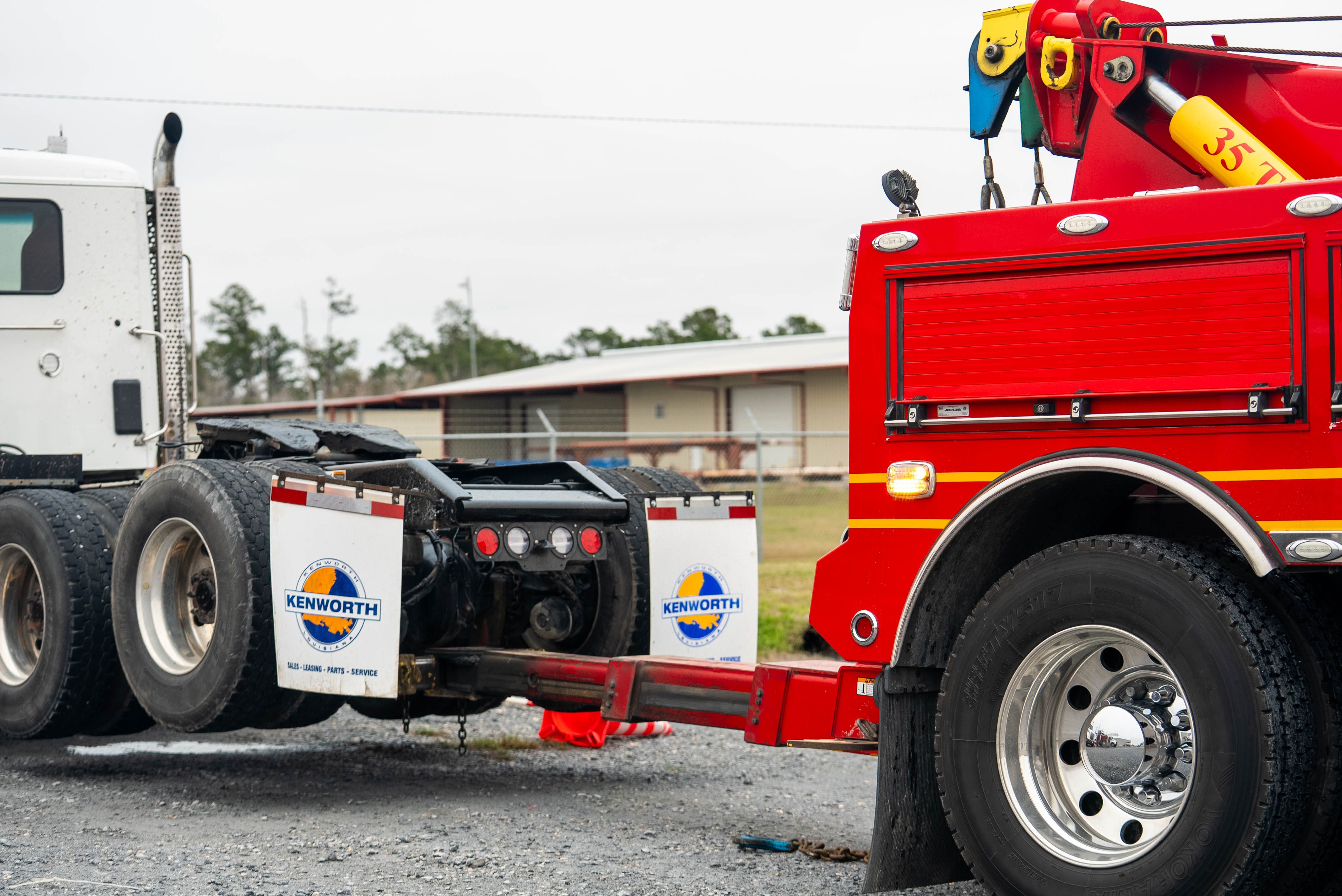
Having a roadside assistance service is a lifesaver. Keep their number handy. Call them as soon as you pull over to a safe spot.
Explain your situation clearly. Mention your vehicle type and any immediate hazards. This helps them prepare the right tools and personnel.
- Save the roadside assistance number in your phone
- Provide clear details about your location and issue
- Stay on the line for further instructions
Using Emergency Call Boxes
Emergency call boxes are located along many highways. They offer a direct line to highway patrol services. These are useful if your phone is not working.
Follow the instructions on the box. State your emergency clearly. Wait for a response and follow any advice given.
- Locate the nearest call box using road signs
- Press the button to connect to emergency services
- Provide your location and vehicle details
Sharing Location Details
Accurate location details are vital for quick help. Use your phone’s GPS to find your exact position. Share landmarks or mile markers if possible.
Inform the help service about your direction of travel. This helps them find you faster and with more precision.
- Use a GPS app to find your coordinates
- Mention nearby landmarks or road signs
- State your direction of travel on the highway
Credit: www.statefarm.com
Handling Repairs And Waiting
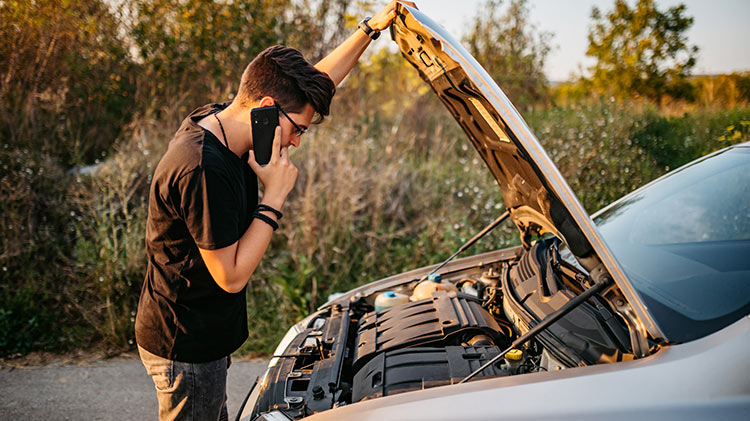
Breaking down on the highway can be stressful and dangerous. Knowing how to handle repairs and wait safely helps protect you and others.
Stay calm and follow safety steps while waiting for help or fixing small issues yourself.
Basic Troubleshooting Tips
Check simple things first before trying bigger fixes. This saves time and keeps you safe.
Look for flat tires, empty gas tank, or loose battery cables.
- Turn on hazard lights to warn other drivers.
- Use a reflective vest if you have one.
- Try to move the car to the shoulder if possible.
- Check tire pressure with a gauge.
- Look under the hood for loose wires or leaks.
When To Stay Inside The Vehicle
Sometimes it is safer to stay inside your car. This protects you from fast traffic and bad weather.
Keep your seatbelt on and lock the doors while you wait for help.
- Stay inside if the area is busy or unsafe.
- Call roadside assistance or emergency services.
- Keep windows slightly open for fresh air.
- Use your phone only when safe to do so.
Keeping Passengers Calm
Passengers may feel scared or anxious during a breakdown. Stay calm and speak softly to help them relax.
Distract children with simple games or stories to reduce stress.
- Explain the situation clearly and calmly.
- Reassure everyone that help is on the way.
- Keep children seated and safe inside the vehicle.
- Offer water or snacks if you have them.
Preventing Future Breakdowns
Handling a highway breakdown can be stressful. Knowing how to prevent future breakdowns helps. Here are some tips to keep your vehicle in good shape.
Routine Vehicle Checks
Regularly checking your vehicle is crucial. It helps spot problems before they become serious. Follow a simple checklist to ensure your car is in top condition.
- Check tire pressure and tread depth monthly
- Inspect oil levels and change as needed
- Test headlights and brake lights
- Listen for unusual sounds from the engine
Safe Driving Habits
Driving carefully can prevent breakdowns. It reduces wear on your vehicle. Follow these habits to stay safe on the road.
- Maintain a steady speed
- Avoid sudden braking and accelerating
- Keep a safe distance from other cars
- Use turn signals to communicate
Emergency Preparedness Drills
Being ready for emergencies is important. Practice drills to know what to do during a breakdown. This ensures you handle the situation calmly and safely.
- Keep an emergency kit in your car
- Practice changing a tire safely
- Know how to use roadside assistance services
- Plan safe places to pull over
Credit: elitewrecker.com
Frequently Asked Questions
What Should I Do First During A Highway Breakdown?
First, turn on your hazard lights to alert other drivers. Safely steer your vehicle to the shoulder or emergency lane. Avoid stopping on curves or hills. Stay inside your car if it’s safe, and call roadside assistance promptly for help.
How Can I Stay Safe While Waiting For Help?
Stay inside your locked vehicle with seatbelt fastened. Avoid standing near traffic or on the road. Use your phone to keep others informed about your location. If you must exit, stay away from moving vehicles and wear visible clothing.
What Emergency Items Should I Keep In My Car?
Keep a reflective warning triangle, flashlight, first aid kit, and basic tools. A charged mobile phone and portable charger are essential. Also, carry water, blankets, and high-visibility vests to improve safety during breakdowns.
When Is It Safe To Exit The Vehicle On A Highway?
Only exit if you are far from traffic and on a safe shoulder. Avoid exiting near busy lanes or curves. Use reflective clothing or warning devices to alert other drivers if you must leave the car.
Conclusion
Staying calm during a highway breakdown saves lives. Always move your car safely off the road. Use hazard lights to warn other drivers. Keep emergency tools ready in your vehicle. Call for help only when you are safe. Remember, your safety comes before anything else.
Following these simple steps prevents accidents and stress. Stay alert and prepared for any situation. Safe driving and quick actions protect you and others.







