
Your car’s leather seats add a touch of luxury and comfort to every drive. But over time, dirt, spills, and wear can make them look tired and worn out.
You might wonder, what’s the best way to clean car leather seats without damaging them? If you want to keep your seats looking fresh and feeling soft, this guide is exactly what you need. Read on to discover simple, effective steps that will protect your investment and make your car’s interior shine like new.
Credit: www.leatherhoney.com
Choosing The Right Cleaner
Cleaning leather seats keeps your car looking fresh and new. Using the right cleaner helps avoid damage.
Leather is delicate. Some cleaners can dry or crack it. Choose carefully to protect your seats.
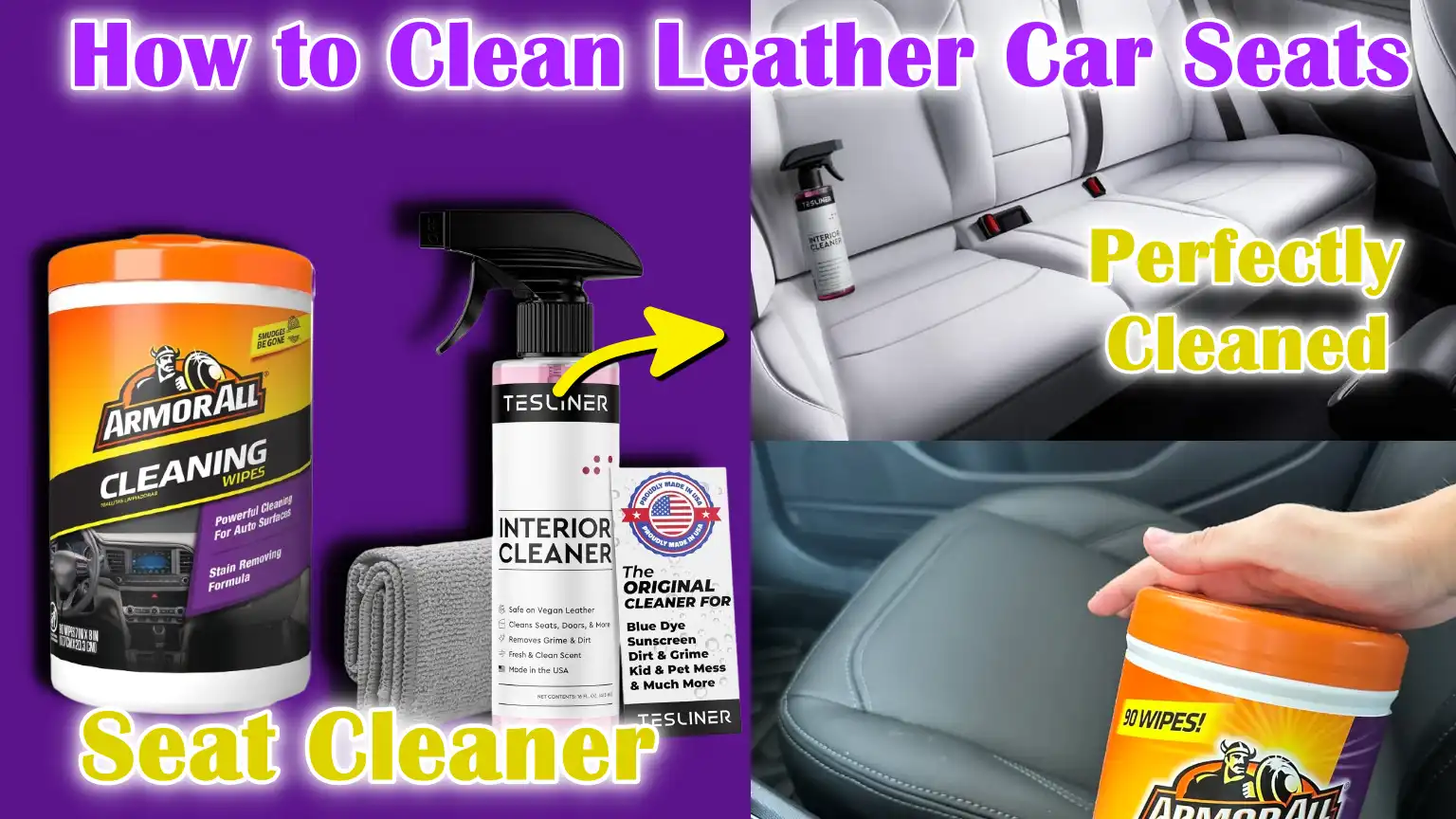
Types Of Leather Cleaners
There are many leather cleaners on the market. Some are made for specific leather types. Some clean gently, others deeply.
Pick a cleaner that fits your leather’s needs. Always test a small spot first to check for color changes or damage.
- Leather wipes: easy for light dirt
- Foam cleaners: good for soft leather
- Liquid cleaners: work well on heavy stains
- Conditioning cleaners: clean and nourish leather
Natural Vs. Commercial Products
Natural cleaners use ingredients from plants or food. They are gentle and safe for most leather seats.
Commercial products often have chemicals. They clean deeply but may harm leather if used too much or wrongly.
- Natural cleaners: vinegar, olive oil, baking soda
- Commercial cleaners: specially made leather solutions
- Natural options are eco-friendly and mild
- Commercial products offer strong stain removal
Preparing Your Seats
Cleaning leather seats needs careful preparation. This helps protect the leather and get the best results.
Start by making sure the seats are ready for cleaning. Follow these steps to prepare the leather safely.
Removing Loose Dirt
Loose dirt can scratch leather if not removed first. Use a soft tool to clean the surface gently.
- Use a vacuum with a soft brush attachment.
- Brush away dust with a microfiber cloth.
- Check seams and crevices for hidden dirt.
- Avoid harsh brushes that can damage leather.
Testing Cleaner On Hidden Area
Test any cleaner before using it on the whole seat. This avoids damage or discoloration.
| Test Area | Why Test | What to Watch For |
| Under Seat Flap | Least visible spot | Color change or leather damage |
| Seat Back Corner | Small hidden area | Texture changes or sticky residue |
| Under Headrest | Protected area | Fading or cracking |
Cleaning Techniques
Cleaning car leather seats keeps them looking fresh and lasting longer. Proper care removes dirt without damaging the leather.
Use gentle methods to protect the leather’s texture and color. Avoid harsh chemicals or rough scrubbing.
Using Soft Cloths And Brushes
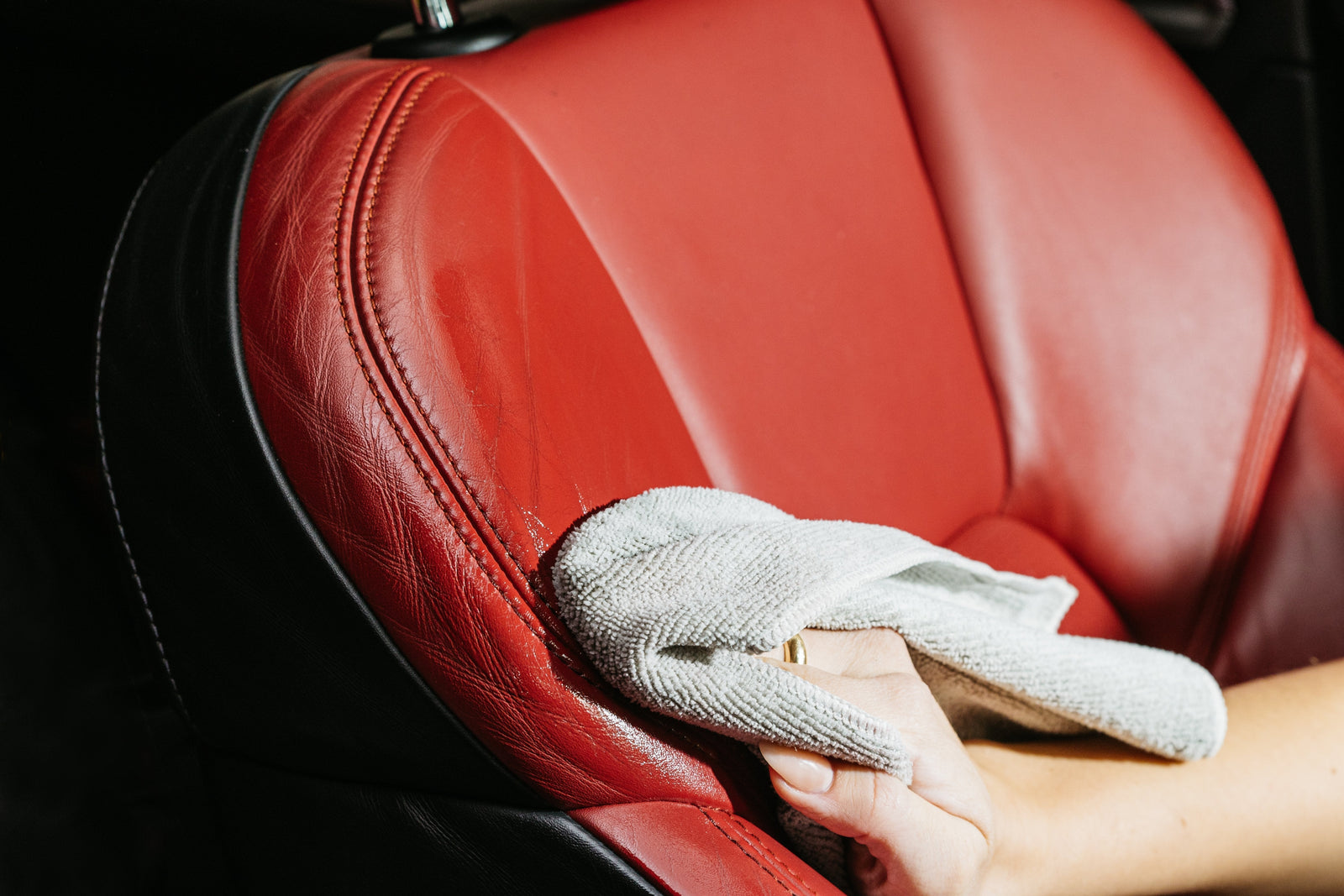
Soft cloths help remove dust and stains without scratching the leather. Microfiber cloths are a good choice because they are gentle and absorbent.
Use soft-bristled brushes to clean dirt from seams and crevices. Avoid stiff brushes that may harm the leather surface.
- Choose microfiber or cotton cloths
- Use soft-bristled brushes only
- Test cloth or brush on a hidden area first
Gentle Circular Motions
Clean leather seats using gentle circular motions. This helps lift dirt without pressing too hard.
Move the cloth or brush softly in small circles. Avoid scrubbing straight lines or harsh back-and-forth movements.
- Use light pressure while cleaning
- Work in small sections at a time
- Repeat if needed, but stay gentle
Removing Stains
Cleaning leather car seats is important to keep them looking nice. Stains can damage the leather if not cleaned quickly.
Use the right tools and cleaners to remove stains safely. Always test a small area first to avoid damage.
Common Stain Types
Leather car seats get many types of stains. Some stains need special care to remove.
- Food and drink spills like coffee or juice
- Oil and grease from hands or clothes
- Ink marks from pens or markers
- Dirt and mud from shoes or clothes
- Makeup such as foundation or lipstick
Each stain type can leave a mark if not cleaned fast. Use the right cleaning method for the stain.
Spot Treatment Tips
Start cleaning stains as soon as you see them. Use a soft cloth and gentle cleaner made for leather.
Do not scrub hard or use harsh chemicals. This can damage the leather’s surface and color.
- Blot spills gently with a dry cloth to absorb liquid
- Use a leather cleaner or mild soap with water for dirt
- Apply a small amount of cleaner on a cloth, not directly on leather
- Wipe the stain softly in circular motions
- Dry the area with a clean cloth after cleaning
- Condition the leather after cleaning to keep it soft
If stains do not come out, ask a professional cleaner for help. Avoid DIY fixes that can worsen the damage.
Conditioning Leather
Leather seats in cars need care to stay soft and strong. Conditioning helps keep leather from drying out and cracking.
Regular conditioning protects the leather and makes it look clean and shiny. It also adds a layer that helps resist stains.
Importance Of Conditioning
Leather dries out over time. This causes cracks and damage. Conditioning adds moisture back into the leather.
It keeps the leather soft and flexible. Conditioned leather lasts longer and looks better. It also prevents fading from the sun.
- Prevents cracks and tears
- Keeps leather soft and flexible
- Protects from sun damage
- Makes leather easier to clean
Choosing The Best Conditioner
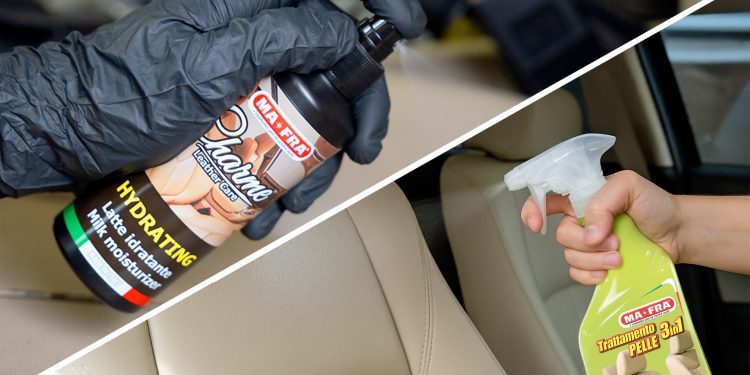
Pick a conditioner made for car leather. Some products work better on certain types of leather.
Look for conditioners that are gentle and do not darken the leather too much. Test on a small spot first.
- Choose pH-balanced leather conditioners
- Avoid products with harsh chemicals
- Check if the conditioner adds UV protection
- Pick a conditioner that absorbs quickly
- Test on a hidden area before full use
Credit: dondodicarcustoms.com
Maintaining Pristine Seats
Keeping car leather seats clean enhances their look and lifespan. A regular cleaning routine helps maintain them in top condition.
Follow these steps to ensure your car seats remain beautiful and free from damage.
Regular Cleaning Schedule
Consistent cleaning stops dirt from settling into the leather. Here’s how to keep them clean:
- Vacuum the seats to remove loose dirt.
- Use a damp cloth with mild soap to wipe the seats.
- Dry the seats with a soft towel to avoid water spots.
Protecting From Sun Damage
Sunlight can cause the leather to fade and crack. Protection is key to preserving the seats’ color and quality.
Avoiding Common Mistakes
Cleaning car leather seats requires care. Many people make mistakes that can harm the leather. It is important to know what to avoid to keep seats looking new.
Using the wrong products or methods can cause damage. Follow the right steps to maintain the leather’s quality and appearance.
Harsh Chemicals To Skip
Some cleaning agents are too strong for leather. Avoid products with bleach or ammonia. These can strip the leather’s natural oils.
Use mild soap or a cleaner made for leather. Test any new product on a small area first. This helps prevent unexpected damage.
- Bleach damages leather fibers
- Ammonia causes fading and cracking
- Use water-based cleaners for safety
Over-wetting And Damage Risks
Too much water can harm leather seats. It can seep into seams and cause mold. Leather does not dry quickly, which can lead to problems.
Use a damp cloth, not a soaked one. Wipe gently and let seats air dry. Keep them away from direct sunlight while drying.
- Excess water causes mold growth
- Leather can warp if too wet
- Air drying prevents heat damage
Credit: mafra.it
Frequently Asked Questions
How Often Should I Clean Car Leather Seats?
Clean your car leather seats every 3 to 6 months. Frequent cleaning prevents dirt buildup and maintains leather’s softness and appearance. Regular care extends the seat’s lifespan and keeps it looking new.
What Is The Best Cleaner For Car Leather Seats?
Use a pH-balanced leather cleaner specifically designed for car seats. Avoid harsh chemicals or detergents. These cleaners gently remove dirt without damaging the leather’s natural oils or finish.
Can I Use Household Products To Clean Leather Seats?
Avoid household products like vinegar or bleach on leather seats. These can dry out and damage the leather. Stick to products made for automotive leather care to ensure safety and effectiveness.
How Do I Protect Leather Seats After Cleaning?
After cleaning, apply a leather conditioner to nourish and protect. Conditioners prevent cracking and fading by restoring moisture. Regular conditioning keeps seats soft and durable over time.
Conclusion
Cleaning car leather seats keeps them soft and looking new. Use gentle cleaners made for leather to avoid damage. Regular care stops cracks and fading over time. Wipe spills quickly to prevent stains. Condition the leather to keep it flexible and strong.
A little effort today saves costly repairs later. Enjoy a fresh, clean car interior every time you drive. Simple steps make a big difference in leather care. Keep your seats comfortable and stylish with regular cleaning.







