
Are you confused about whether to choose tubeless or tube tires for your bike? You’re not alone.
Picking the right tire can change your riding experience completely—affecting comfort, speed, and even safety. You’ll discover the key differences between tubeless and tube tires, so you can make the best choice for your needs. Keep reading to find out which option will boost your ride and keep you rolling smoothly every time.
Credit: www.cardekho.com
Tubeless Tires Basics
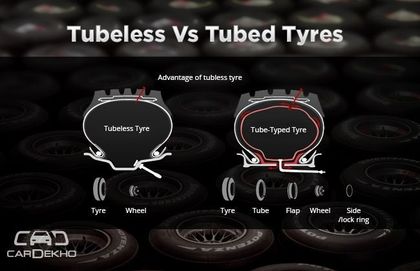
Tubeless tires are a type of tire used on bicycles and vehicles. They do not use an inner tube to hold air.
Instead, tubeless tires rely on a tight seal between the tire and rim to keep air inside.
Design And Structure
Tubeless tires have a special design to keep air from escaping. The tire has a thick inner lining called a bead.
The rim must also be designed to fit the tire tightly. This tight fit keeps the tire sealed without a tube.
- Thick inner lining on the tire
- Special bead to fit the rim
- Rim designed for airtight seal
Installation Process
Installing tubeless tires is different from regular tires with tubes. First, the rim is cleaned and prepped.
The tire is placed on the rim and sealed. Then, a liquid sealant is added inside to stop leaks and fix small holes.
- Clean and prepare the rim
- Fit the tire tightly on the rim
- Add liquid sealant inside the tire
- Inflate the tire to seat the bead
Common Materials Used
Tubeless tires and rims are made from strong, lightweight materials. The tire has a rubber outer layer and a strong inner lining.
Sealants inside the tire are usually liquid latex or similar substances. Rims are often made from aluminum or carbon fiber.
- Rubber for the tire outer layer
- Strong inner lining in the tire
- Liquid latex or sealant inside the tire
- Aluminum or carbon fiber rims
Tube Tires Essentials
Tube tires are a common type of tire used on many bicycles. They have an inner tube inside the tire that holds the air.
Understanding tube tires helps to know how they work and how to maintain them.
Design And Structure
Tube tires have two main parts: the outer tire and the inner tube. The outer tire protects the tube and provides grip.
The inner tube is a separate rubber part that holds the air and gives the tire its shape.
- Outer tire made of rubber with tread
- Inner tube made of flexible rubber
- Valve attached to inner tube for air filling
Installation Process
Installing tube tires requires placing the tube inside the tire first. The tire is then mounted on the wheel rim.
After fitting, the tube is inflated through the valve to the correct pressure.
- Place inner tube inside the tire
- Fit the tire and tube onto the wheel rim
- Check that the tube is not pinched
- Inflate tube to recommended pressure
Common Materials Used
Tube tires use specific materials for durability and flexibility. The outer tire is usually made of rubber compounds.
The inner tube is made from materials that can stretch and hold air well.
- Outer tire: natural or synthetic rubber
- Inner tube: butyl rubber or latex
- Valve: metal or plastic parts
Performance Comparison
Tubeless and tube tires are popular choices for many riders. Both affect bike performance in different ways.
Understanding how they compare helps you pick the right tire for your riding needs.
Ride Comfort
Tubeless tires offer better ride comfort because they run at lower pressure. This helps absorb bumps on the road or trail.
Tube tires need more pressure to avoid pinch flats, which can make rides feel harsher.
Puncture Resistance
Tubeless tires reduce the chance of punctures by sealing small holes with sealant inside the tire. This stops air leaks quickly.
Tube tires rely on the inner tube, which can be punctured more easily by sharp objects.
- Tubeless tires seal small cuts fast
- Tubes can get flats from thorns and nails
- Tubeless setup needs sealant maintenance
Rolling Efficiency
Tubeless tires usually have lower rolling resistance. This means they roll smoother and faster with less effort.
Tube tires have more friction inside the tube. This can slow you down slightly compared to tubeless tires.
- Tubeless tires reduce friction
- Tube tires add extra friction inside
- Lower pressure in tubeless tires helps efficiency
Maintenance And Repairs
Understanding the maintenance and repair differences between tubeless and tube tires helps keep your bike running smoothly. Each type requires different care and tools.
Proper upkeep extends tire life and ensures safe rides. Let’s explore how to fix punctures, perform routine checks, and compare durability.
Fixing Punctures
Tubeless tires usually seal small punctures on their own thanks to sealant inside. Larger holes may need sealant added or a plug.
Tube tires need removing the tire, then patching or replacing the inner tube. This process takes more time and tools.
- Tubeless: Add sealant or insert plug for bigger holes.
- Tube: Remove tire, patch or replace the tube.
- Tubeless repair is often faster on the trail.
Routine Checks
Check tubeless tires regularly for sealant levels and tire pressure. Sealant may need topping up every few months.
Tube tires require frequent pressure checks and inspection for wear. Tubes can dry out and crack if left unused for long.
| Check | Tubeless Tires | Tube Tires |
| Pressure | Maintain recommended level | Maintain recommended level |
| Sealant | Refill every 2–6 months | Not applicable |
| Visual Inspection | Look for cracks and sidewall damage | Inspect tube and tire for holes |
Longevity And Durability
Tubeless tires often last longer because they run at lower pressure and resist pinch flats. The sealant protects from small punctures.
Tubes may wear out faster due to pinch flats and tube damage. They need more frequent repairs or replacements.
- Keep tire pressure within limits.
- Use quality sealant in tubeless tires.
- Avoid sharp objects and rough terrain.
- Replace worn tires promptly.
Cost And Availability
Choosing between tubeless and tube tires depends on cost and how easy they are to find. These factors affect your buying decision.
This guide looks at initial costs, replacement parts, and how widely available each tire type is.
Initial Investment
Tubeless tires usually cost more upfront. They need special rims and sealant. Tube tires are cheaper and fit most wheels.
Replacement Parts
- Tubeless tires:require sealant, which must be replaced regularly.
- Tubes:are simple and cheap to replace.
- Tire repairs:for tubeless tires can be more complex and costly.
- Tube repairs:are easier and less expensive.
Market Availability
| Type | Availability | Replacement Parts |
|---|---|---|
| Tubeless Tires | Less common in some areas | Sealant and tubeless valves needed |
| Tube Tires | Widely available worldwide | Tubes and standard valves easy to find |
Credit: www.timesnownews.com
Ideal Usage Scenarios
Tires are essential for every bike. Choosing the right type can enhance your cycling experience. Tubeless and tube tires each have unique benefits and uses.
Understanding when to use each type can make your rides smoother and more enjoyable. Let’s explore the best scenarios for each tire type.
Road Cycling
For road cycling, speed and efficiency are key. Tubeless tires are often preferred. They provide a smoother ride and can handle higher speeds.
With tubeless tires, cyclists benefit from fewer punctures. This is ideal for long-distance road cycling.
Mountain Biking
Mountain biking involves rough and uneven terrains. Tubeless tires are popular here too. They offer better grip and traction on rocky paths.
These tires also allow riders to use lower air pressure. This improves control and comfort on bumpy trails.
Commuting And Casual Riding
For commuting, both tubeless and tube tires work well. Tube tires are often chosen for their simplicity and ease of repair.
Casual riders may prefer tube tires for their affordability. They are also easier to find in local bike shops.
- Tube tires are budget-friendly
- Easy to repair on the go
- Available in most stores
Safety Considerations
Understanding the safety differences between tubeless and tube tires is important. Each type has unique features that affect safety.
Here, we explore key safety aspects to consider. These include pressure management, handling, and emergency situations.
Pressure Management
Pressure management is crucial for tire performance. Tubeless tires maintain pressure better than tube tires.
Tube tires may lose air faster if punctured. Regular checks are needed to ensure safe levels.
- Tubeless tires seal better, reducing air leaks
- Tube tires need frequent pressure checks
- Proper pressure prevents blowouts
Handling And Stability
Handling and stability differ with tire types. Tubeless tires offer better grip on roads.
Tube tires can flex more, affecting stability. This might lead to less control in turns.
- Tubeless tires provide improved road contact
- Tube tires may feel less stable in corners
- Stability is key for safe driving
Emergency Situations
In emergencies, tire type affects response. Tubeless tires are less likely to deflate suddenly.
Tube tires can deflate quickly when punctured. This can be risky if driving at high speeds.
- Tubeless tires allow slower air loss
- Tube tires may deflate faster in punctures
- Quick response is vital in emergencies
Credit: www.mynation.com
Frequently Asked Questions
What Are Tubeless Tires And How Do They Work?
Tubeless tires lack an inner tube and rely on an airtight seal with the rim. Air is held directly within the tire, reducing punctures and improving ride quality.
How Do Tube Tires Differ From Tubeless Tires?
Tube tires have an inner tube that holds air inside the tire casing. Tubeless tires eliminate the tube, offering less rolling resistance and fewer flats.
Are Tubeless Tires Better For Mountain Biking?
Yes, tubeless tires offer better traction and fewer punctures on rough terrain. They allow lower air pressure, enhancing grip and ride comfort for mountain bikers.
Can I Convert Tube Tires To Tubeless Tires?
Conversion is possible but requires compatible rims and tires. You need tubeless-ready rims, sealant, and proper installation to ensure an airtight seal.
Conclusion
Tubeless and tube tires have clear differences in design and use. Tubeless tires offer fewer punctures and better air retention. Tube tires are easier to fix and often cost less. Choosing depends on your bike type and riding style. Both have pros and cons to consider.
Understanding these helps you pick the right tire. Ride safe and enjoy your cycling experience.







