
Have you ever hit a pothole and felt your car pull or vibrate strangely? That sudden bump might seem harmless, but it can cause serious damage to your vehicle’s wheel alignment.
Ignoring this can lead to uneven tire wear, poor handling, and even unsafe driving conditions. If you care about your car’s performance and your safety, understanding the importance of wheel alignment after hitting a pothole is crucial. Keep reading to find out why a quick check could save you time, money, and stress down the road.

Credit: www.youtube.com
Why Potholes Damage Wheels
Hitting a pothole can cause serious damage to your vehicle’s wheels. The sudden impact creates stress on the tires, rims, and suspension system. This damage may lead to poor driving performance and unsafe conditions.
Understanding how potholes affect your wheels helps you know why wheel alignment is important after a hit. Proper alignment keeps your vehicle running smoothly and extends tire life.
Impact On Tires And Rims
Potholes can cause dents, cracks, and punctures in tires and rims. The force from hitting a pothole can break the rim or cause the tire to lose air. This damage affects the balance of the wheel.
- Tire sidewalls may bulge or tear.
- Rims can bend or crack from the shock.
- Loss of air pressure causes uneven wear.
- Damaged tires reduce traction and safety.
Effects On Suspension System
The suspension system absorbs shocks from the road. A strong hit to a pothole can bend or break suspension parts. This damage changes the wheel angle and causes alignment issues.
| Suspension Part | Possible Damage | Effect on Vehicle |
| Control Arms | Bent or cracked | Uneven tire wear, poor handling |
| Shock Absorbers | Leaking or broken | Reduced ride comfort, instability |
| Ball Joints | Worn or damaged | Steering problems, noise |
| Wheel Bearings | Damaged or loose | Vibration, wheel wobble |
Signs Your Alignment Is Off
Hitting a pothole can cause your vehicle’s wheels to go out of alignment. Misaligned wheels affect driving safety and tire life.
It is important to recognize the signs that your wheel alignment is off. This helps you fix the problem early and avoid further damage.
Uneven Tire Wear
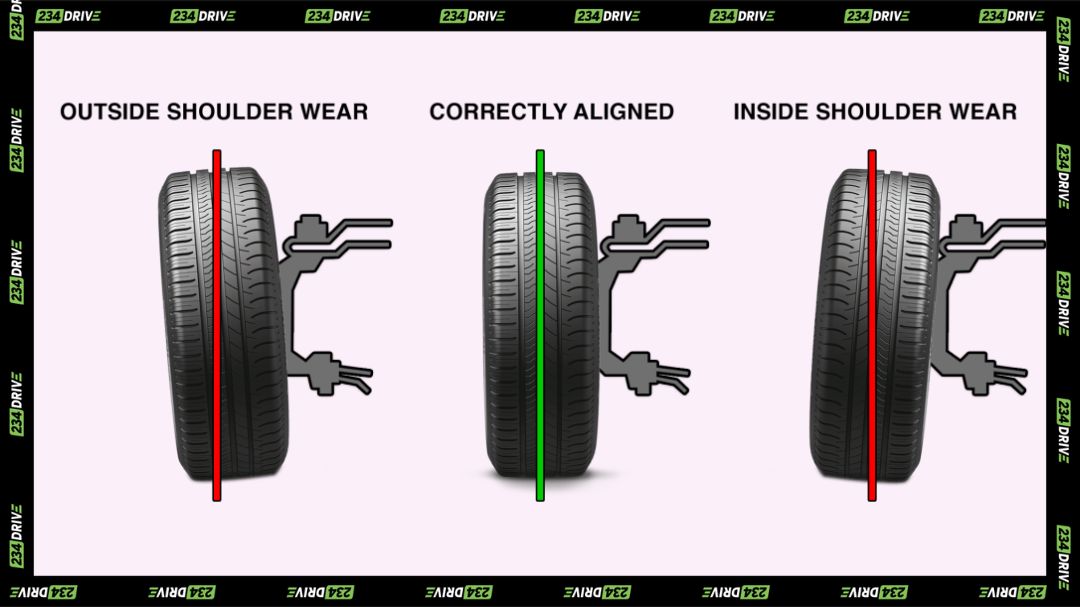
When your wheels are not aligned, tires wear down unevenly. This reduces tire life and can cause unsafe driving conditions.
- Tires wear more on one edge than the other.
- Some tires show bald spots or flat areas.
- Uneven wear can cause noise or vibration while driving.
Steering Wheel Vibration
A misaligned wheel can cause your steering wheel to shake or vibrate. This happens especially when driving at higher speeds.
Common causes of steering wheel vibration include:
- Wheel imbalance
- Damaged suspension parts
- Misaligned wheels
Vehicle Pulling To One Side
If your vehicle pulls to the left or right without turning the steering wheel, your alignment may be off.
| Symptom | What It Means | Action to Take |
| Car pulls left | Left wheel alignment is off | Get alignment checked and corrected |
| Car pulls right | Right wheel alignment is off | Have alignment service done immediately |
| Steering wheel off-center | Alignment angles are uneven | Adjust steering alignment |
Benefits Of Timely Wheel Alignment
Hitting a pothole can damage your vehicle’s wheel alignment. Getting it checked and fixed soon helps your car run better.
Timely wheel alignment saves money and improves safety while driving. It keeps your car in good shape.
Improved Tire Life
When wheels are aligned correctly, tires wear evenly. This stops parts of the tire from wearing out too fast.
Even tire wear means you get more miles before needing new tires. It also reduces the chance of tire damage.
- Prevents uneven tire wear
- Extends the time tires last
- Reduces risk of tire damage
Better Fuel Efficiency
Bad wheel alignment makes your engine work harder. This wastes fuel and raises costs at the pump.
Proper alignment reduces drag on tires. Your car uses less fuel to move forward smoothly.
- Less engine strain
- Lower fuel consumption
- Saves money on gas
Enhanced Driving Safety
Good wheel alignment helps your car steer straight and respond better. This lowers the chance of accidents.
Misaligned wheels can cause pulling or shaking. Timely alignment keeps your control steady on roads.
- Improves steering control
- Reduces vehicle pulling
- Prevents shaking while driving
How Wheel Alignment Works
Wheel alignment ensures your tires point in the right direction. It helps your vehicle drive straight and improves tire life.
After hitting a pothole, the alignment can shift. Checking and fixing alignment keeps your car safe and smooth on the road.
Measuring Alignment Angles
Technicians measure specific angles of your wheels to check alignment. These angles include camber, toe, and caster.
- Camber:The tilt of the wheel inward or outward.
- Toe:How much the wheels turn inward or outward from the center line.
- Caster:The angle of the steering axis when viewed from the side.
Adjusting Suspension Components
Adjustments happen by moving parts of the suspension system. This changes the wheel angles to the correct settings.
| Suspension Part | Adjustment Purpose |
| Tie Rods | Change toe angle for straight steering |
| Control Arms | Adjust camber for proper wheel tilt |
| Struts/Shocks | Help maintain caster angle for stability |
When To Get Alignment After A Pothole
Hitting a pothole can damage your car’s wheel alignment. Misaligned wheels cause uneven tire wear and poor handling. It is important to know when to check your alignment after a pothole.
Some signs need immediate attention. Others can be found during regular maintenance checks. Knowing both helps keep your car safe and smooth on the road.
Immediate Inspection
If you hit a pothole hard, inspect your car right away. Look for visible damage or unusual driving behavior. Check the following:
- Steering wheel pulling to one side
- Vibrations or shaking while driving
- Odd noises from the wheels or suspension
- Visible tire damage or uneven wear
- Car feels unstable on the road
These signs mean you should get a wheel alignment as soon as possible. Driving with poor alignment can cause more damage and unsafe conditions.
Regular Maintenance Checks
Even without hitting a big pothole, your car needs regular alignment checks. This keeps your wheels balanced and tires wearing evenly. Follow this simple table for alignment check frequency:
| Condition | When to Check Alignment |
| After hitting a pothole | Immediately |
| Every 12,000 miles | At scheduled maintenance |
| When tires wear unevenly | As soon as noticed |
| If steering feels off | Right away |
| After suspension repair | Before driving regularly |
Credit: 234drive.com
Diy Checks Before Visiting A Shop
Hitting a pothole can mess up your car’s wheel alignment. It’s smart to check your car before heading to the shop. This can save time and money.
Let’s look at two simple checks: Visual Tire Inspection and Steering Response Test. These checks help you see if your car needs professional help.
Visual Tire Inspection
Check your tires to spot any visible issues. A quick inspection can reveal problems you might miss otherwise.
- Look for uneven tire wear
- Check for any cuts or punctures
- Ensure tire pressure is correct
Steering Response Test
Testing your steering can show if your car drifts or pulls to one side. This can indicate alignment issues.
| Check | What to Look For |
| Visual Tire Inspection | Uneven wear, cuts, correct pressure |
| Steering Response Test | Drifting or pulling |
Choosing A Reliable Alignment Service
Hitting a pothole can throw your car’s alignment out of balance. Proper alignment is key for safe driving. Picking the right service ensures your car is handled well.
Not all alignment services are the same. Knowing what to look for helps you choose the best service for your needs.
Technician Expertise
Expert technicians know how to fix alignment issues. They have the training to spot and solve problems quickly. Look for services that employ skilled professionals.
Experienced technicians can prevent further damage to your vehicle. They ensure your car’s alignment is restored to factory settings.
- Check their certifications
- Ask about their experience
- Inquire about ongoing training
Equipment Quality
High-quality equipment is vital for precise alignment. Modern tools help technicians work more accurately and efficiently.
Reliable services invest in the best tools. This ensures your car is aligned correctly, improving safety and tire life.
- Look for up-to-date equipment
- Ask about their tools and technology
- Ensure they have digital alignment machines
Customer Reviews
Customer reviews give insight into the service quality. Happy customers often leave positive feedback. Reviews help you see past experiences from others.
Check online platforms for honest opinions. Good services usually have many satisfied customers who share their stories.
- Read online reviews
- Consider word-of-mouth recommendations
- Look for high ratings and consistent praise

Credit: thewheelshopinc.com
Frequently Asked Questions
Why Is Wheel Alignment Important After Hitting A Pothole?
Wheel alignment ensures your tires wear evenly and your vehicle handles properly. Hitting a pothole can misalign wheels, causing uneven tire wear, poor handling, and increased fuel consumption. Realigning wheels restores safety, improves driving comfort, and extends tire life.
How Does Pothole Impact Wheel Alignment?
Potholes cause sudden shocks to your wheels and suspension. This impact can shift the wheels out of alignment, leading to uneven tire wear and steering problems. Immediate alignment check after hitting a pothole prevents further vehicle damage and unsafe driving conditions.
What Are Signs Of Misaligned Wheels After Pothole Impact?
Common signs include uneven tire wear, steering wheel pulling to one side, vibrations, and crooked steering wheel while driving straight. These symptoms indicate your wheels need realignment to restore proper vehicle control and safety.
How Often Should Wheel Alignment Be Checked After Potholes?
Check wheel alignment immediately after hitting a significant pothole. Regular alignment checks every 6,000 miles or during tire changes also help maintain optimal vehicle performance and safety.
Conclusion
Hitting a pothole can cause serious wheel misalignment. Misaligned wheels make driving unsafe and damage tires faster. Getting a wheel alignment keeps your car steady and saves money on repairs. It also improves fuel efficiency and makes your ride smoother.
Don’t ignore the signs like pulling to one side or uneven tire wear. Timely alignment helps avoid bigger problems later. Keep your car safe and comfortable by checking alignment after pothole impacts. Simple steps protect your vehicle and your peace of mind.







