
When it comes to keeping your kids and pets safe, having a well-packed first aid kit is a must. But packing one can feel overwhelming—what should you include?
How do you make sure it’s ready for any situation? You want to be prepared without carrying a bulky bag full of unnecessary items. You’ll discover simple, practical tips to create a first aid kit that truly works for your family’s needs.
Keep reading to learn how to protect your loved ones quickly and confidently when it matters most.
Choosing The Right Kit
Picking a first aid kit for kids and pets is important. The right kit helps you handle small injuries quickly and safely.
Think about where you will use the kit and what you need to carry with you. This will guide your choice.
Size And Portability
The size of the first aid kit should fit your needs. It must be easy to carry but big enough to hold all essentials.
- Small kits fit easily in a backpack or purse
- Larger kits hold more supplies for longer trips
- Look for lightweight kits to avoid extra load
- Choose kits with handles or straps for easy carrying
Durability And Waterproofing
Durability is key for a first aid kit. It should protect supplies from damage and weather.
| Feature | Why It Matters | What to Look For |
| Waterproof | Keeps supplies dry and usable | Sealed zippers or waterproof material |
| Strong material | Prevents tears and breaks | Thick nylon or hard plastic case |
| Secure closures | Keeps contents inside safely | Velcro, zippers, or snap locks |
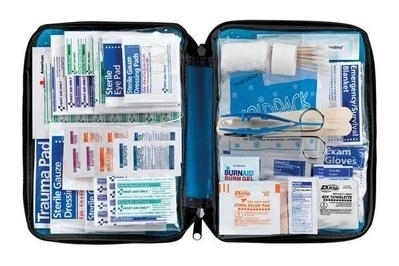
Credit: www.nytimes.com
Must-have Supplies For Kids
Packing a first aid kit for kids means being ready for small cuts and scrapes. Kids play hard and can get hurt easily.
Having the right supplies helps you treat injuries fast. Keep the kit simple but complete for common accidents.
Bandages And Dressings
Bandages protect cuts from dirt and germs. Dressings help cover bigger wounds and stop bleeding.
- Various sizes of adhesive bandages
- Gauze pads for larger cuts
- Elastic bandages for sprains
- Antiseptic wipes to clean wounds
- Medical tape to hold dressings in place
Medications And Ointments
Some medicines help reduce pain or fever. Ointments prevent infections and soothe skin.
- Children’s pain reliever (like acetaminophen or ibuprofen)
- Antibiotic ointment for cuts
- Hydrocortisone cream for itching
- Antiseptic spray or solution
- Oral rehydration salts for dehydration
Tools And Instruments
Tools help you treat injuries safely and quickly. Keep them clean and ready to use.
- Thermometer to check fever
- Pair of tweezers for splinters
- Small scissors to cut tape or bandages
- Disposable gloves for hygiene
- Instant cold pack to reduce swelling
Essential Items For Pets
Packing a first aid kit for your pets is very important. It helps you handle small injuries or sicknesses quickly.
Make sure your kit has the right items made especially for pets. This keeps them safe and comfortable.
Pet-safe Bandages
Choose bandages that are safe for pets. They should not stick to fur or skin. Wraps that hold well but are easy to remove work best.
- Non-stick gauze pads
- Elastic pet wraps
- Adhesive tape made for pets
- Scissors to cut bandages
Medications And Remedies
Keep common medicines your pet may need. Always check with a vet before using any medication.
| Medication | Use |
| Antiseptic wipes | Clean wounds |
| Hydrogen peroxide | Induce vomiting (vet advised) |
| Styptic powder | Stop minor bleeding |
| Activated charcoal | Toxin absorption |
Specialized Tools
Special tools help manage pet injuries better. Keep these handy for quick use.
- Tweezers for splinter removal
- Digital thermometer for pets
- Eye dropper for medicines
- Muzzle to prevent biting
Customizing For Different Ages And Breeds
Packing a first aid kit for kids and pets needs careful thought. Each child and pet has different needs based on their age and breed.
Adjust your kit to suit these differences. This helps keep your loved ones safe and ready for minor emergencies.
Adjusting For Child Age Groups
Children of different ages require specific first aid items. Babies, toddlers, and older kids have unique needs and safety concerns.
- Babies: Include items like a nasal aspirator and gentle antiseptic wipes.
- Toddlers: Add child-safe pain relievers and small bandages with fun designs.
- Older kids: Pack stronger pain relief and allergy medicine if needed.
- Always include a digital thermometer and emergency contact info for all ages.
Considering Pet Size And Type
Pet first aid kits should match the animal’s size and breed. Cats, small dogs, and large dogs have different medical needs.
| Pet Type | Key First Aid Items | Notes |
|---|---|---|
| Small Dogs | Small bandages, flea comb, mild antiseptic | Check for choking hazards and small wounds |
| Large Dogs | Large bandages, elastic wraps, tick remover | Prepare for joint injuries and larger wounds |
| Cats | Soft bandages, styptic powder, antiseptic wipes | Handle carefully to avoid stress and scratches |
Storage And Organization Tips
Packing first aid kits for kids and pets requires careful storage and organization. Good storage helps you find items fast in emergencies.
Organizing supplies neatly keeps everything safe and ready to use. This guide covers ways to separate and label your kit.
Compartmentalizing Supplies
Use small containers or bags to separate different supplies. Keep items for kids and pets in distinct sections.
- Put bandages in one pouch
- Store medications in a separate container
- Keep tools like scissors and tweezers together
- Use clear bags to see contents easily
- Choose waterproof containers to protect supplies
Labeling For Quick Access
Labels help you find what you need fast. Use simple words and large fonts for clear reading.
| Label | Contents |
| Kids Bandages | Adhesive strips, gauze, tape |
| Pet Care | Pet-safe antiseptic, bandages, gloves |
| Medications | Pain relievers, antihistamines |
| Tools | Scissors, tweezers, thermometer |
| Emergency Info | Contact numbers, allergy notes |
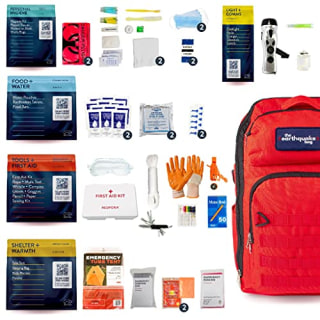
Credit: www.nbcnews.com
Maintaining And Updating Kits
Keeping first aid kits ready is important for kids and pets. Regular checks help ensure everything works when needed. Let’s look at how to maintain and update these kits.
Organizing your kit saves time during emergencies. Stay prepared by following simple steps for checking and restocking.
Checking Expiration Dates
Medicines and supplies can expire over time. Check expiration dates every few months to keep items safe to use.
Replace expired items right away. This ensures your kit is always ready for any situation.
- Check medicines like pain relievers and antiseptics
- Inspect ointments and creams for expiration
- Look at bandages and gauze for quality
Restocking After Use
After using any item from your first aid kit, replace it immediately. This keeps the kit ready for the next time you need it.
Make a note of what you used and refill it as soon as possible. Keep a list of items to check and restock.
| Item Used | Replacement Needed |
| Bandages | Yes |
| Antiseptic Wipes | Yes |
| Pain Relief Gel | No |
Safety Precautions And Usage Tips
First aid kits for kids and pets must be safe and easy to use. Knowing how to pack these kits can help in emergencies.
It is important to know what items to include in a first aid kit. This helps in treating minor injuries quickly and effectively.
Basic First Aid Skills
Learning basic first aid skills is important for everyone. These skills can make a big difference in emergencies.
- Know how to clean a wound with antiseptic wipes
- Practice applying bandages correctly
- Learn how to perform CPR on kids and pets
When To Seek Professional Help
Some situations require professional medical help. Knowing when to call a doctor or a vet can save lives.
If bleeding does not stop or if there is difficulty breathing, seek help. Serious injuries or signs of shock also need professional attention.
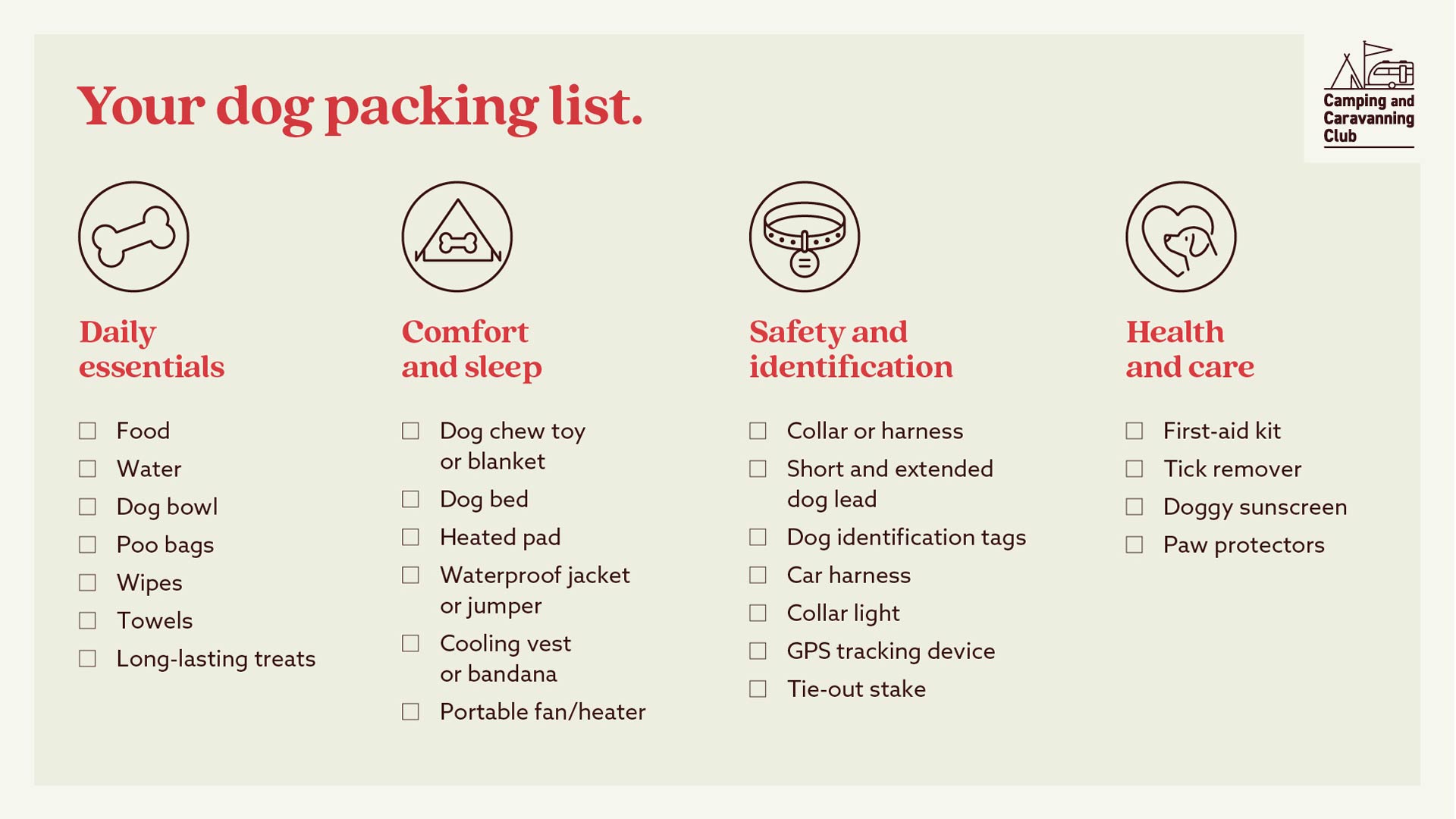
Credit: www.campingandcaravanningclub.co.uk
Frequently Asked Questions
What Essential Items Should Be In Kids’ First Aid Kits?
Kids’ first aid kits should include bandages, antiseptic wipes, adhesive tape, tweezers, and child-safe pain relievers. Add allergy medication and a digital thermometer. These items address common minor injuries and illnesses effectively, ensuring quick and safe care for children.
How To Pack A First Aid Kit For Pets Effectively?
Include pet-specific items like tweezers, gauze, antiseptic wipes, and a pet thermometer. Add any prescribed medications and a muzzle for safety. Tailor the kit to your pet’s size and needs for quick, effective emergency care during outings or at home.
Why Customize First Aid Kits For Kids And Pets?
Customizing kits ensures all unique needs and allergies are covered. Kids and pets require different supplies and medications. Personalized kits enable faster response during emergencies, reducing stress and improving care quality. This approach ensures safety for your loved ones in any situation.
How Often Should First Aid Kits Be Checked And Updated?
Check and update first aid kits every 6 months. Replace expired medications and used items promptly. Regular inspections ensure readiness and effectiveness, keeping your kit stocked with fresh supplies for emergencies involving kids and pets.
Conclusion
Packing first aid kits for kids and pets keeps everyone safe. Include basics like bandages, antiseptics, and any special medicines. Check supplies often and replace expired items. Keep the kit easy to find and carry on trips. Being prepared helps handle small injuries quickly.
Peace of mind comes from knowing you can act fast. Stay ready, stay calm, and protect your loved ones. Simple steps make a big difference in emergencies.







