
When rain starts pouring, your car’s grip on the road becomes more important than ever. Choosing the right tires for wet weather driving isn’t just about comfort—it’s about your safety.
You might think all tires work the same in the rain, but that’s far from true. The right tires can help you stop faster, avoid dangerous skids, and keep control when the roads get slippery. In this guide, you’ll discover simple, clear tips to pick tires that protect you and your passengers every time it rains.
Keep reading to make sure your next drive is safer, no matter how hard it’s raining outside.
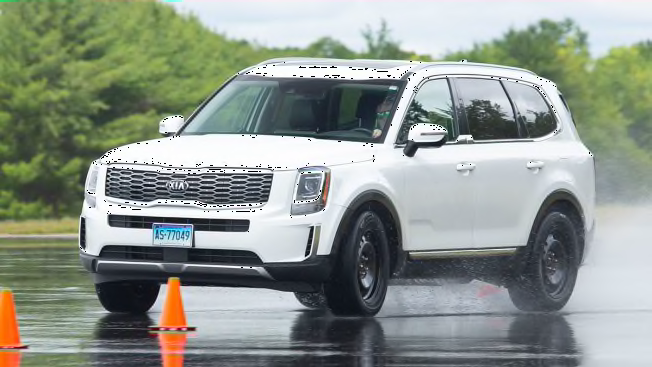
Credit: www.consumerreports.org
Key Features Of Wet Weather Tires
Wet weather tires help drivers stay safe on rainy roads. They use special designs and materials to improve grip and control. Knowing these features helps you pick the right tires for wet conditions.
Choosing tires made for wet roads lowers the risk of slipping. It also keeps your car stable and responsive in rain or puddles.
Tread Patterns That Boost Grip
Tread patterns are grooves and shapes on the tire surface. They channel water away from the tire to keep contact with the road. Good tread patterns reduce hydroplaning and improve traction on wet streets.
- Sipes: Small slits that increase grip by creating extra biting edges.
- Wide grooves: Help drain water quickly from under the tire.
- Asymmetric designs: Provide better balance between wet grip and dry handling.
- Directional patterns: Designed to push water outward for faster water evacuation.
Rubber Compounds For Wet Roads
Rubber compounds in wet weather tires are softer than normal tires. This softness allows the tire to stick better to wet surfaces. Special compounds also stay flexible in cold, wet weather to keep grip strong.
| Compound Type | Benefit |
| Silica-infused rubber | Improves wet traction and reduces rolling resistance |
| Soft polymer blends | Maintains flexibility in low temperatures |
| Enhanced grip additives | Increases tire contact with wet roads |
Role Of Tire Depth In Safety
Tire depth measures the thickness of the tread. Deeper tread means better water evacuation. This helps prevent hydroplaning and keeps your car on the road.
Here are reasons why tire depth matters:
- Shallow tread holds less water, increasing slip risk.
- Deeper tread channels water away from the tire quickly.
- Worn tires need replacement to ensure wet weather safety.
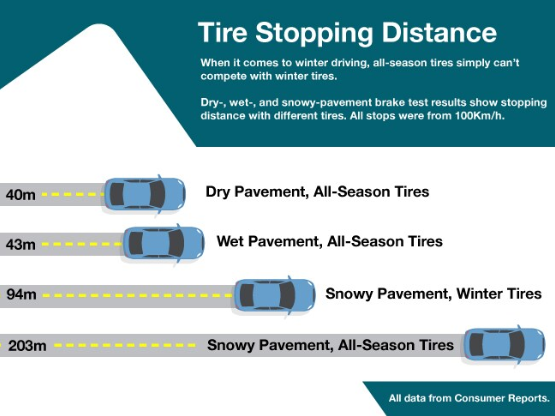
Credit: www.calgaryhonda.ca
Types Of Tires Suitable For Rain
Driving in wet weather can be challenging. The right tires make a big difference. Let’s explore tires that work well in rainy conditions.
Choose tires designed for wet roads to enhance safety and comfort. Understanding the types of tires available helps you make the best choice.
All-season Tires
All-season tires are popular for their versatility. They perform adequately in various weather conditions, including rain.
These tires have tread patterns that balance grip and longevity. They are a practical choice for those who drive in changing weather.
- Good for mild rain
- Can be used year-round
- Moderate grip on wet roads
Performance Wet Tires
Performance wet tires are designed for excellent traction. They are ideal for those who need better control in the rain.
These tires have special compounds and tread patterns. They offer enhanced grip and handling on wet surfaces.
- Better traction on wet roads
- Improved handling and safety
- Not suitable for snow or ice
Specialized Rain Tires
Specialized rain tires are designed specifically for wet conditions. They provide the best grip and performance in heavy rain.
These tires have deep grooves to channel water away. They reduce the risk of hydroplaning and improve braking.
| Feature | Benefit |
| Deep grooves | Better water evacuation |
| Soft rubber compound | Enhanced grip in rain |
| Advanced tread design | Improved stability |
How To Read Tire Labels For Wet Conditions
Choosing the right tires for wet weather is important for safe driving. Tire labels contain key information to help you pick tires that perform well on wet roads.
Understanding the markings on tire labels can guide you to select tires with good traction and proper load and speed ratings for wet conditions.
Understanding Traction Ratings
Traction ratings show how well a tire grips the road in wet conditions. The ratings range from highest to lowest as AA, A, B, and C. Tires with AA or A ratings offer better stopping power on wet surfaces.
- AA:Best traction on wet roads
- A:Good wet traction
- B:Average wet traction
- C:Lowest wet traction, less ideal for rainy conditions
Decoding Speed And Load Marks
Tire labels also have speed and load indexes. These show the tire’s maximum speed and weight capacity. Choosing the right marks ensures the tire fits your vehicle and driving needs.
| Mark | Meaning | Example |
|---|---|---|
| Speed Rating | Maximum speed the tire can handle safely | H = 130 mph (210 km/h) |
| Load Index | Maximum weight each tire can support | 91 = 1356 lbs (615 kg) |
Tips For Testing Tire Performance
Choosing the right tires for wet weather is important for safety. Testing tire performance helps you find the best fit for wet roads.
Focus on how tires handle wet braking, hydroplaning, and cornering. These tests show how well tires keep you safe in rain.
Wet Braking Distance
Wet braking distance is how far a car takes to stop on wet roads. Shorter distances mean safer tires.
Test tires by measuring the stopping distance from a set speed on a wet track. Compare results to find the best option.
- Use a wet surface for testing
- Keep speed consistent for each test
- Measure distance to full stop
- Repeat tests for accuracy
Hydroplaning Resistance
Hydroplaning happens when tires lose contact with the road due to water. Good tires resist hydroplaning better.
Test hydroplaning by driving through water at increasing speeds. Watch for loss of control or slipping.
- Check tire tread depth and pattern
- Note speed where hydroplaning starts
- Choose tires with deeper grooves
Cornering Stability
Cornering stability means how well tires grip during turns on wet roads. Stable tires reduce slipping and skidding.
Test cornering by taking sharp turns on wet surfaces. Watch tire grip and car control during the turn.
- Drive at steady speed through wet curves
- Feel for slipping or loss of control
- Select tires with good sidewall support
Maintenance Practices To Enhance Wet Weather Grip
Proper tire maintenance helps improve safety on wet roads. Good habits keep your tires gripping better in rain.
Simple checks and routines can prevent accidents and extend tire life. Focus on pressure, rotation, and tread.
Regular Tire Pressure Checks
Keeping the right tire pressure is key for wet weather control. Underinflated tires lose grip and use more fuel.
- Check pressure monthly and before long trips
- Use a reliable tire pressure gauge
- Follow the pressure recommended by your car’s manual
- Adjust pressure when carrying extra weight
Importance Of Tire Rotation
Tire rotation spreads wear evenly across all tires. This helps maintain good grip in wet conditions.
Rotating tires every 6,000 to 8,000 miles can extend tire life. It also keeps your ride smoother and safer.
Monitoring Tread Wear
Tread depth affects how well tires channel water away from the road. Worn treads increase the risk of hydroplaning.
| Recommended Tread Depth | Safety Note |
| Above 4/32 inch | Good wet traction |
| 3/32 inch | Risk of reduced grip |
| 2/32 inch or below | Unsafe, replace tires |
Credit: www.blackcircles.ca
Balancing Cost And Safety In Tire Choices
Choosing the right tires for wet weather driving is important for safety. Tires affect how well your car grips the road when it is wet.
At the same time, tires can be expensive. You need to find a balance between cost and safety.
Budget-friendly Options
There are tires that cost less but still offer good safety in wet conditions. Look for tires with good tread patterns that help move water away from the tire.
- Choose tires with deep grooves for water dispersion
- Check for wet traction ratings on the tire label
- Consider brands that provide good value for the price
- Shop during sales or promotions to save money
Investing In Premium Tires
Premium tires often cost more but use advanced technology. They improve safety by offering better grip and shorter stopping distances on wet roads.
| Feature | Budget Tires | Premium Tires |
|---|---|---|
| Wet traction | Good | Excellent |
| Tread life | Moderate | Longer |
| Price | Lower | Higher |
| Comfort and noise | Average | Better |
When To Replace Tires
Replacing tires on time is key for safety. Old or worn tires lose grip on wet roads.
- Replace tires if tread depth is below 2/32 inches
- Check tires for cracks or bulges regularly
- Replace tires after 6 years even if they look fine
- Listen to changes in road noise or vibration
Frequently Asked Questions
What Tire Features Improve Wet Weather Driving Safety?
Tires with deep tread patterns and wide grooves enhance water evacuation. This reduces hydroplaning risks and improves grip on wet roads. Look for tires labeled as “wet traction” or “all-season” for better performance in rain.
How Do Tire Tread Patterns Affect Wet Road Handling?
Tread patterns channel water away from the tire surface. This prevents water buildup under tires, maintaining contact with the road. Directional and asymmetric treads offer superior wet traction and stability.
Are All-season Tires Good For Wet Weather Driving?
Yes, all-season tires provide balanced performance in wet conditions. They combine tread designs and rubber compounds to improve water dispersal and grip. However, specialized wet-weather tires may offer better traction in heavy rain.
How Often Should I Replace Tires For Safe Wet Driving?
Replace tires when tread depth falls below 4/32 inch. Worn tires lose traction and increase hydroplaning chances. Regularly inspect tires for uneven wear and damage to ensure safe wet weather driving.
Conclusion
Choosing the right tires helps you drive safely in wet weather. Look for good tread and water evacuation features. Tires with strong grip reduce slipping on wet roads. Check tire size to match your vehicle’s needs. Regularly inspect tires for wear and proper pressure.
Safe tires give you better control and peace of mind. Wet weather driving becomes less risky with proper tires. Stay alert and drive carefully, no matter the weather. Your safety depends on smart tire choices and good driving habits.







