
Do your kids get car sick every time you hit the road? You’re not alone, and it can turn a fun trip into a stressful experience for everyone.
But don’t worry—there are simple, effective ways to help your child feel better and enjoy the ride. Keep reading to discover practical tips you can start using today to make car sickness a thing of the past for your family.

Credit: agirlsguidetocars.com
Causes Of Kid Car Sickness
Car sickness is common among children during travel. It happens when the brain gets mixed signals about movement.
Understanding the causes helps parents manage and reduce the symptoms effectively.
Motion Sensitivity In Children
Children’s inner ears and eyes send signals to the brain about motion. If these signals do not match, it causes discomfort.
This sensitivity to motion can make kids feel dizzy, nauseous, or tired during car rides.
Common Triggers
Several things can trigger car sickness in kids. These triggers make symptoms worse during a trip.
- Reading or looking at screens inside the car
- Strong smells such as food or fuel
- Driving on winding or bumpy roads
- Poor ventilation or stuffy air inside the vehicle
- Not eating enough before the trip
Age Factors
Car sickness is more common in young children. It usually starts around ages 2 to 12.
As kids grow, their brains get better at handling motion signals, which reduces car sickness.
Preparing Before The Trip
Car sickness can make trips hard for kids. Getting ready before the trip helps reduce the chances of sickness. Simple steps can make the journey easier for your child.
Focus on comfort and good habits. This guide covers three important areas to prepare your child for a smooth ride.
Choosing The Right Seat
The seat your child uses can affect motion sickness. The best spot is where the ride feels smoothest and the child can see outside. This helps keep balance and reduce nausea.
- The front passenger seat is often the most stable.
- In larger cars, the middle seat in the back row is good.
- Make sure the child can look out the window easily.
- Avoid seats where the child faces backward.
Meal Timing And Food Choices
Food affects how your child feels in the car. Eating too much or the wrong foods can cause sickness. Plan meals to keep your child comfortable.
| Meal Tip | Reason |
| Feed small meals before the trip | Prevents an empty stomach |
| Avoid greasy or heavy foods | Reduces nausea risk |
| Offer light snacks during the trip | Keeps energy steady |
| Give water regularly | Prevents dehydration |
Dressing Comfortably
Clothing can make a big difference in comfort. Dress your child in loose, soft clothes that allow air flow. This helps keep them calm and cool during the ride.
- Choose breathable fabrics like cotton.
- Bring a light jacket for changing temperatures.
- Avoid tight belts or waistbands.
- Use layers so you can add or remove clothes easily.
During The Ride
Car sickness can make trips hard for kids and parents. You can help ease their discomfort during the ride.
Simple changes inside the car can make a big difference. These tips focus on what you can do while driving.
Keeping The Car Well Ventilated
Fresh air helps reduce nausea. Open windows slightly to keep air flowing. Avoid strong smells like food or perfume inside the car.
Use the car’s air conditioning or vents to keep cool air moving. A cool, fresh environment helps kids feel better.
Encouraging Focus Outside
Looking outside can help children avoid feeling sick. Ask them to watch the horizon or distant objects.
- Point out landmarks or interesting sights
- Encourage kids to look forward, not down
- Try to avoid reading or screen use during the ride
Using Distractions Wisely
Distractions can take a child’s mind off nausea. Choose calm activities that do not cause head movement.
| Distraction | Why It Helps |
| Listening to soft music | Calms the mind and body |
| Talking with family | Keeps focus steady and relaxed |
| Playing simple games | Engages without fast motion |

Credit: www.carsales.com.au
Natural Remedies And Comfort Aids
Car sickness can make trips hard for kids and parents. Natural remedies and comfort aids help ease nausea and discomfort during rides.
Simple tools and gentle techniques can calm your child without medicines. These tips focus on safe, easy options to try on your next trip.
Ginger And Herbal Options
Ginger is a popular natural remedy for nausea. You can use it in many forms to help kids feel better in the car.
- Give ginger tea in small sips before and during travel.
- Try ginger candies or chews for older children.
- Use ginger powder mixed in water if tea is not available.
- Herbal teas like peppermint or chamomile also soothe upset stomachs.
Acupressure Techniques
Acupressure can reduce nausea by applying gentle pressure to certain points on the body. Parents can try these easy methods with children.
| Acupressure Point | Location | How to Apply |
| Neiguan (P6) | Inner wrist, three finger widths down from the base of the palm | Press firmly with thumb for 2 minutes |
| Hegu (LI4) | Between thumb and index finger | Massage gently in circular motion |
| Zusanli (ST36) | Four finger widths below kneecap, one finger width to the outside | Apply firm pressure for 1-2 minutes |
Comfort Items To Bring Along
Having familiar and soothing items can help a child feel safe and calm while traveling. Pack these items to ease car sickness discomfort.
- Soft blankets or favorite small pillows
- Favorite toys or stuffed animals
- Reusable water bottle for staying hydrated
- Light snacks like crackers or dry cereal
- Cool wipes to freshen the face and hands
When To Use Medication
Car sickness can make kids feel sick and uncomfortable during trips. Sometimes, using medicine helps children feel better.
It is important to know when medicine is needed and how to use it safely. This guide explains key points about medicine for kid car sickness.
Over-the-counter Options
Several medicines can help stop car sickness in kids. These are available without a prescription at stores.
Common options include antihistamines like dimenhydrinate and meclizine. They help reduce nausea and dizziness.
- Dimenhydrinate (Dramamine) helps prevent motion sickness
- Meclizine is used for children over 12 years old
- Ginger supplements may reduce nausea naturally
Proper Dosage For Kids
Giving the right dose is very important. Too much medicine can be harmful, and too little might not help.
Always read the label on the medicine package. It shows the right amount for your child’s age and weight.
- Use a proper measuring tool, not a kitchen spoon
- Follow the schedule for doses carefully
- Do not give adult doses to children
Consulting A Healthcare Provider
Talk to a doctor before giving medicine if your child has health problems. This helps avoid side effects or drug interactions.
Also, consult a healthcare provider if car sickness is very bad or lasts a long time. They can suggest the best treatment.
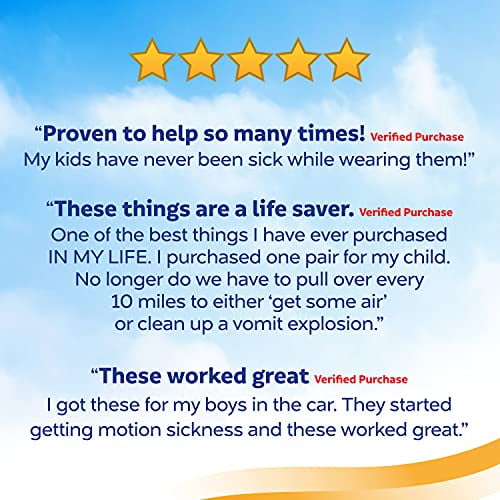
Credit: www.walmart.com
Post-trip Care
After a long car ride, some children may feel car sick. It’s important to take care of them to ensure they recover well.
Here are some tips to help your child feel better after experiencing car sickness. Focus on their comfort and health.
Hydration And Rest
Make sure your child drinks water to stay hydrated. A short nap can help them recover their energy.
Calming Activities
Engage your child in activities that help them relax. Quiet games or reading a book can be soothing.
- Coloring books
- Listening to gentle music
- Simple puzzles
Monitoring Symptoms
Keep an eye on your child’s symptoms after the trip. Look out for any signs that they are not feeling well.
| Symptom | Action |
| Nausea | Offer small sips of water |
| Dizziness | Encourage lying down |
| Pale skin | Ensure fresh air |
Frequently Asked Questions
What Are Common Signs Of Car Sickness In Kids?
Common signs include nausea, dizziness, sweating, and vomiting. Kids may also appear pale or unusually quiet. Recognizing these early helps prevent worsening symptoms and ensures a more comfortable trip.
How Can I Prevent Car Sickness In My Child?
Prevent car sickness by ensuring good ventilation and avoiding heavy meals before travel. Encourage looking at the horizon and taking breaks during long trips. Using distraction like music or games can also help ease symptoms.
Which Foods Help Reduce Kid Car Sickness?
Light snacks like crackers, ginger biscuits, or fruits can reduce nausea. Avoid greasy or heavy foods before and during travel. Staying hydrated with water or clear fluids also helps minimize car sickness discomfort.
Are There Effective Natural Remedies For Kid Car Sickness?
Yes, ginger and peppermint are known natural remedies. Ginger candies or tea can soothe the stomach. Peppermint oil or gum may also reduce nausea. Always consult a pediatrician before using any remedies for safety.
Conclusion
Car sickness in kids can be tough to handle. Try simple tips like fresh air and small snacks. Keep the car calm and quiet for better comfort. Give breaks during long trips for rest and fresh air. Stay patient and watch your child’s signals closely.
These easy steps can make travel smoother. Enjoy trips more with less stress and worry. Safe journeys start with good preparation and care.







