
Your alloy wheels are one of the first things people notice about your car. Keeping them clean not only boosts your vehicle’s appearance but also protects them from damage.
But cleaning alloy wheels can be tricky—you want them spotless without scratching or harming the finish. If you’ve ever worried about using the wrong products or techniques, you’re not alone. You’ll discover simple, effective ways to clean your alloy wheels safely.
By the end, you’ll have the confidence to make your wheels shine like new, every time. Keep reading to learn how to protect and perfect your wheels without any damage.
Credit: www.the-autowerks.com
Choosing The Right Cleaning Products
Cleaning alloy wheels needs care to avoid damage. Using the right products keeps wheels shiny and safe.
Some cleaners can harm the finish or cause corrosion. Choose products that clean well but protect your wheels.
Safe Cleaners For Alloy Wheels
Choose cleaners made for alloy wheels. These products remove brake dust and dirt without harsh effects.
Look for pH-balanced cleaners. They clean gently and avoid eating away the wheel’s finish.
- Wheel-specific soaps and sprays
- Water-based cleaners with mild detergents
- Non-acidic, non-alkaline formulas
- Products labeled safe for coated or painted wheels
Avoiding Harsh Chemicals
Harsh chemicals can damage alloy wheels fast. Avoid cleaners with strong acids or alkalis.
Stay away from cleaners with bleach, ammonia, or strong solvents. These harm the wheel’s surface and cause fading.
- Do not use acidic wheel cleaners unless labeled safe
- Avoid brake cleaners or degreasers not made for wheels
- Skip household cleaners with bleach or ammonia
- Never use abrasive powders or brushes on alloy wheels

Credit: www.reddit.com
Preparing Your Wheels For Cleaning
Cleaning alloy wheels requires care to avoid damage. Proper preparation helps protect the wheels and surrounding parts.
Before you start, make sure to get everything ready. This will make the cleaning process safer and more effective.
Removing Loose Dirt And Debris
Start by removing loose dirt and debris from your wheels. This prevents scratches during cleaning.
Use a soft brush or a hose to gently remove dust, mud, and small stones.
- Use a soft-bristle brush to avoid scratching the surface
- Rinse wheels with water to wash away loose dirt
- Check the wheel surface for stuck debris and remove carefully
Protecting Surrounding Areas
Protect areas near your wheels before cleaning. This includes tires, brake parts, and the car body.
Cover these parts with cloth or tape to avoid damage from cleaning products or tools.
- Use painter’s tape on edges near the wheels
- Cover brake calipers with a clean cloth
- Keep cleaning sprays away from the car paint
Step-by-step Cleaning Process
Cleaning alloy wheels helps keep your car looking good and protects the metal. Dirt, brake dust, and road grime can build up fast. Follow these steps to clean your wheels without causing damage.
Use gentle products and soft tools. Avoid harsh chemicals and rough brushes. This process will keep your wheels shiny and safe.
Rinsing Wheels Thoroughly
Start by rinsing your wheels with water to remove loose dirt. Use a hose or pressure washer for best results. This step helps prevent scratching when you scrub later.
Make sure to spray all parts of the wheel, including hard-to-reach areas. This removes surface dust and grime for a cleaner finish.
Applying Cleaner Correctly
Choose a cleaner made for alloy wheels. Spray or apply it evenly over the wheel surface. Avoid using acidic or abrasive cleaners that can harm the finish.
Let the cleaner sit for a few minutes to break down dirt. Do not let it dry on the wheel as this can cause spots or damage.
Scrubbing Without Scratching
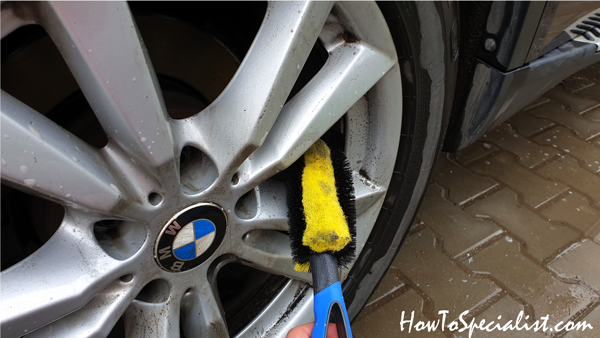
Use a soft brush or microfiber cloth to scrub the wheels gently. Focus on areas with brake dust and grime build-up. Avoid hard scrubbing to protect the alloy surface.
- Choose brushes with soft bristles
- Work in small sections at a time
- Use circular motions to lift dirt
- Do not use steel wool or harsh pads
Rinsing And Drying Properly
Rinse the wheels again with clean water to remove all cleaner and dirt. Make sure no residue is left behind. Residue can cause spots and damage the finish.
Dry the wheels with a soft microfiber towel. Drying prevents water spots and keeps the alloy looking smooth and shiny.
Tips For Stubborn Stains And Brake Dust
Alloy wheels often collect brake dust and tough stains. Cleaning them carefully keeps wheels shiny and safe.
Using the right tools and methods helps avoid damage while removing dirt effectively.
Using Specialized Brushes
Soft-bristled brushes reach tight spots without scratching the metal. They clean brake dust and grime well.
Choose brushes made for wheels only. Avoid hard or wire brushes that can harm the finish.
- Use a wheel brush with soft nylon bristles.
- Clean between spokes and around lug nuts gently.
- Rinse brushes after use to remove trapped dirt.
When To Use Clay Bars Or Polishing
Clay bars remove baked-on dirt and brake dust that regular washing misses. Use them after washing the wheels.
Polishing helps restore shine and smooth the surface after clay bar cleaning. It also protects against future stains.
- Only use clay bars on cool, dry wheels.
- Lubricate the wheel surface before using the clay bar.
- Apply polishing compound with a soft cloth after clay bar treatment.
- Wipe off excess polish to avoid residue.
Maintaining Alloy Wheels After Cleaning
Keeping alloy wheels clean is just the first step. Proper maintenance helps keep them shiny and damage-free. Regular care prevents dirt build-up and corrosion.
Using the right products and cleaning often can extend the life of your wheels. Follow simple routines to protect your investment and keep your car looking good.
Applying Wheel Sealants
Wheel sealants create a protective layer on the alloy surface. This layer repels brake dust, dirt, and water. It also makes future cleaning easier and reduces the risk of scratches.
- Clean the wheels thoroughly before applying sealant.
- Use a soft cloth to spread the sealant evenly.
- Allow the sealant to dry completely for best results.
- Reapply the sealant every few months for continued protection.
Regular Cleaning Schedule
| Cleaning Frequency | Recommended Actions |
|---|---|
| Weekly | Rinse wheels to remove loose dirt and brake dust |
| Biweekly | Use mild soap and a soft brush for deeper cleaning |
| Monthly | Inspect wheels for damage and apply sealant if needed |
| Seasonal | Perform thorough cleaning and check for corrosion |
Credit: howtospecialist.com
Common Mistakes To Avoid
Cleaning alloy wheels can be tricky. Many people unknowingly damage them while cleaning. Let’s explore some common mistakes and learn how to avoid them.
Understanding these mistakes can help maintain your wheels’ shine and longevity.
Using Acidic Cleaners
Many assume acidic cleaners work best for tough stains. They can cause more harm than good. These cleaners eat away the protective layer on alloy wheels.
- Use pH-balanced cleaners to be safe.
- Test a small area first to check for reactions.
- Avoid leaving cleaners on for too long.
Cleaning Hot Wheels
Cleaning wheels right after driving is a mistake. Hot wheels can warp or stain when water or chemicals hit them. It’s better to let them cool first.
Using Abrasive Tools
Scrub pads and wire brushes seem effective but damage alloy surfaces. Fine scratches appear easily and ruin the look.
| Tool | Effect |
| Scrub Pads | Scratch Surface |
| Wire Brushes | Deep Marks |
| Soft Cloths | Safe for Use |
Frequently Asked Questions
How Often Should I Clean Alloy Wheels?
Clean alloy wheels every two weeks to prevent brake dust buildup. Regular cleaning maintains shine and protects the finish from corrosion and damage.
What Cleaning Products Are Safe For Alloy Wheels?
Use pH-balanced wheel cleaners or mild soap with water. Avoid acidic or abrasive cleaners that can damage the alloy finish.
Can I Use A Pressure Washer On Alloy Wheels?
Yes, but keep the pressure moderate and avoid direct close spraying. High pressure can damage the wheel’s coating and cause scratches.
How Do I Remove Brake Dust Without Scratching Wheels?
Soak wheels with cleaner, then use a soft brush or microfiber cloth. Avoid harsh scrubbing or abrasive pads to protect the surface.
Conclusion
Cleaning alloy wheels carefully keeps them looking great longer. Use soft brushes and gentle cleaners to avoid scratches. Rinse thoroughly to remove all dirt and soap. Dry wheels well to prevent water spots. Regular cleaning stops brake dust buildup and corrosion.
Taking these simple steps protects your wheels and saves money. Clean wheels also improve your vehicle’s appearance. Remember, gentle care works best for alloy wheels. Keep them shiny and damage-free with these easy tips. Your wheels will thank you with lasting beauty and strength.







