
Are you often out and about after dark? Whether you’re walking, biking, or working outside at night, staying visible is crucial for your safety.
Reflective vests are a simple, effective way to make sure drivers and others see you from a distance. But do you know the best way to use them to get the most protection? You’ll discover easy tips and tricks to wear reflective vests properly at night, so you can feel safer and more confident every time you step outside.
Keep reading to learn how a small change can make a big difference in your safety.
Benefits Of Reflective Vests At Night
Wearing reflective vests at night helps keep you safe. These vests make you easier to see in the dark.
Many people use reflective vests for work or outdoor activities after sunset. They improve safety for everyone.
Enhanced Visibility For Safety
Reflective vests shine brightly when light hits them. This makes you stand out to drivers and others.
Better visibility lowers the chance of accidents and helps people spot you quickly.
- Reflective strips reflect headlights clearly
- Bright colors improve daytime and night visibility
- Vests cover the upper body for easy spotting
Reducing Accident Risks
Wearing a reflective vest reduces the risk of being hit by vehicles. Drivers see you from far away.
This is especially important on roads with poor lighting or heavy traffic.
- Improves safety for pedestrians and cyclists
- Helps workers stay safe near moving vehicles
- Reduces chances of slips and falls in dark areas
Compliance With Safety Regulations
Many jobs require reflective vests by law. Wearing one helps you follow safety rules.
Using the right vest shows you care about safety and respect the rules.
- Meets standards for construction and road work
- Required for emergency responders and traffic controllers
- Ensures legal protection while working at night
Choosing The Right Reflective Vest
Wearing a reflective vest at night helps drivers see you. It keeps you safe in dark or low-light places.
Choosing the right vest is important. You need one that fits well and has good reflective materials.
Types Of Reflective Materials
Reflective vests use different materials to shine light back. Some common types are glass beads and prismatic tape.
- Glass bead material reflects light in many directions.
- Prismatic tape reflects light more brightly and over longer distances.
- Microprismatic material is durable and offers strong reflectivity.
Proper Fit And Comfort
A vest must fit well. It should not be too tight or too loose to allow easy movement.
| Fit Aspect | What to Look For |
| Size | Choose a size that fits your body shape comfortably. |
| Adjustability | Look for vests with adjustable straps or belts. |
| Breathability | Pick materials that let air flow to avoid sweating. |
| Weight | Lightweight vests are easier to wear for long periods. |
Additional Features To Consider
Extra features can improve safety and comfort. Some vests have pockets or LED lights.
- Pockets help carry small tools or devices.
- LED lights add extra visibility in dark areas.
- Water-resistant fabric keeps you dry in rain.
- Bright colors like orange or yellow increase day visibility.
Proper Wearing Techniques
Wearing reflective vests correctly at night helps you stay safe. These vests make you more visible to drivers and others.
Follow simple tips to wear your reflective vest the right way. This guide explains how to get the best visibility and comfort.
Positioning For Maximum Visibility
Place the vest so that the reflective strips are fully visible. Make sure the front and back parts are not covered by other items.
The vest should sit flat against your body. Avoid folding or twisting it, as this hides the reflective material.
- Wear the vest over your torso, covering your chest and back
- Keep reflective stripes facing outward and unobstructed
- Adjust the vest straps or fasteners for a snug fit
- Avoid wearing backpacks or jackets that block the vest
Layering Over Clothing
Wear the reflective vest over your outer clothing. This ensures the reflective parts catch light from vehicles.
Choose a vest size that fits over coats or jackets without being too loose. Loose vests can flap and reduce visibility.
- Put on your jacket or coat first
- Wear the vest on top, making sure it covers your outerwear
- Check that reflective areas are visible from all sides
- Adjust the vest for comfort and stability
Maintaining Vest Cleanliness
Keep your reflective vest clean to maintain its brightness. Dirt and grime reduce how well the vest shows up at night.
Wash your vest according to the label instructions. Avoid harsh chemicals or bleach that can damage reflective strips.
- Use mild detergent and cold water for cleaning
- Hand wash or use a gentle machine cycle
- Air dry the vest away from direct sunlight
- Inspect the vest regularly for tears or worn areas

Credit: autos.yahoo.com
Using Reflective Vests In Different Night Activities
Reflective vests improve your visibility at night. They help others see you clearly in dark conditions.
Different activities need different ways to wear and use reflective vests. Below are tips for walking, cycling, and working safely at night.
Walking And Jogging
Wear a reflective vest over your clothes. Make sure the vest covers your torso. This helps drivers and cyclists see you from far away.
- Choose a vest with bright colors like yellow or orange.
- Check that the vest has wide reflective strips.
- Wear the vest over your jacket or hoodie.
- Use additional lights if possible, such as a headlamp.
Cycling And Motorcycling
Reflective vests on bikes increase safety by making riders visible to cars and trucks. Motorcyclists should pick vests that fit comfortably over their gear.
| Activity | Vest Features | Additional Tips |
| Cycling | Lightweight, breathable | Wear over jacket, add reflective tape on helmet |
| Motorcycling | Fits over protective gear, strong reflectivity | Combine with reflective gloves and helmet stickers |
Worksites And Roadside Safety
Workers near roads or in construction zones must wear reflective vests at night. These vests reduce accidents and keep workers safe.
Follow these safety measures for proper vest use:
- Choose high-visibility vests with ANSI or EN safety standards.
- Wear the vest fully zipped or fastened.
- Inspect the vest regularly for dirt or damage.
- Replace vests that lose reflectivity or become faded.
- Combine with other safety gear like helmets and gloves.
Maintaining And Replacing Reflective Vests
Reflective vests help keep you safe at night by making you visible to others. To stay effective, you must care for them well and know when to replace them.
Proper maintenance keeps the vest bright and reflective. Replacing worn-out vests ensures you remain safe in dark conditions.
Cleaning Tips
Keep your reflective vest clean to keep it visible. Dirt and stains can reduce its brightness and reflectivity.
Wash your vest gently with mild soap and cold water. Avoid bleach and harsh chemicals that can damage the reflective strips.
- Hand wash or use a gentle machine cycle
- Use mild detergent only
- Air dry the vest, do not use a dryer
- Do not iron the reflective parts
Signs Of Wear And Tear
Check your vest often for damage. Look for cracks, fading, or peeling on the reflective strips.
Also watch for tears in the fabric and broken fasteners. These signs mean the vest may not protect you well.
- Faded or dull reflective strips
- Cracks or peeling on reflective tape
- Torn or frayed fabric
- Broken or missing buttons, zippers, or Velcro
When To Replace Your Vest
Replace your reflective vest if it shows serious damage. A worn vest may not reflect light well enough to keep you safe.
Also replace the vest if it no longer fits properly. A loose vest can be unsafe in traffic or work zones.
- Reflective strips are cracked, faded, or missing
- Fabric is torn or worn thin
- Fasteners do not work
- Vest does not fit snugly
- After heavy use for more than one year

Credit: www.walmart.com
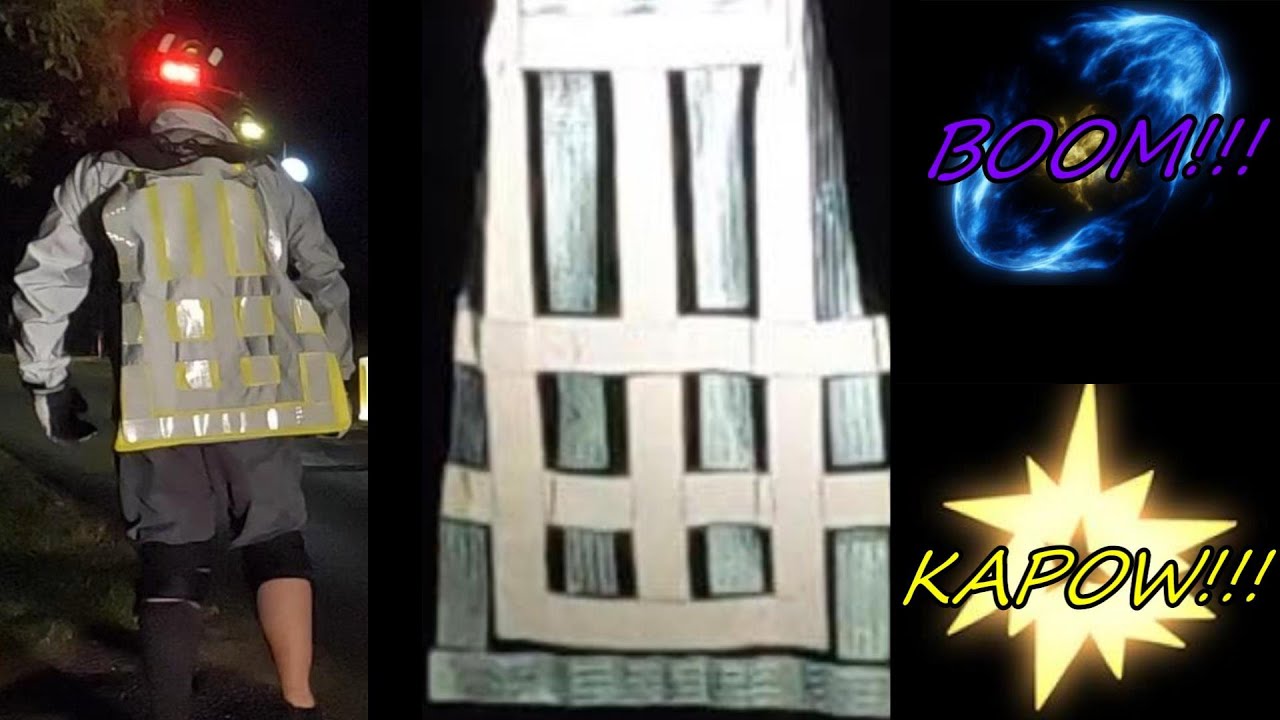
Credit: www.youtube.com
Frequently Asked Questions
Why Are Reflective Vests Important At Night?
Reflective vests enhance your visibility in low light conditions. They reflect light from vehicles, making you noticeable. This reduces accident risks and improves safety for pedestrians, cyclists, and workers during nighttime activities.
How Should I Wear A Reflective Vest At Night?
Wear the vest over your outer clothing for maximum visibility. Ensure it fits well and covers your torso. Avoid covering it with bags or jackets, as this reduces its reflective effectiveness.
Can Reflective Vests Prevent Accidents Effectively?
Yes, reflective vests significantly reduce accidents by increasing visibility. Drivers can see you from a distance, giving them time to react. This is especially crucial on roads with poor lighting or heavy traffic.
What Materials Make Reflective Vests Effective?
Effective vests use high-visibility fluorescent fabrics combined with reflective strips. These materials reflect light back to its source, enhancing visibility. Look for vests meeting safety standards for durability and reflectivity.
Conclusion
Wearing reflective vests at night keeps you visible and safe. Choose bright colors and clean vests for best results. Always wear your vest when walking, biking, or working near roads. Reflective vests help drivers see you from far away. Stay alert and follow safety rules to avoid accidents.
Simple steps like these can protect your life. Don’t forget—being seen is being safe.







