
Imagine being stuck on the side of the road, your car broken down, and the sun beating down on you. It’s easy to forget how quickly dehydration can sneak up on you in these moments.
If you don’t take the right steps, your situation could get worse fast. That’s why knowing simple, practical tips to prevent dehydration during breakdowns can make all the difference between staying safe and facing serious health risks. You’ll discover easy ways to protect yourself and stay hydrated, no matter how long help takes to arrive.
Keep reading—your well-being depends on it.
Signs Of Dehydration
Dehydration happens when your body loses more water than it takes in. It can lead to serious health problems if not noticed early. Knowing the signs helps you act fast.
This guide shows you what to watch for from mild to severe dehydration symptoms.
Early Symptoms To Watch For
Early dehydration signs can be mild but should not be ignored. They often show up before the problem gets worse.
- Dry mouth and lips
- Feeling thirsty
- Dark yellow urine
- Headache or dizziness
- Feeling tired or weak
Severe Dehydration Indicators
Severe dehydration needs immediate attention. These signs show your body is very low on water and may not work well.
| Symptom | Description |
| Very dry skin | Skin loses elasticity and stays pinched |
| Rapid heartbeat | Heart beats faster than normal |
| Sunken eyes | Eyes look hollow or deep-set |
| Confusion | Difficulty thinking or staying awake |
| Fainting | Loss of consciousness or dizziness |
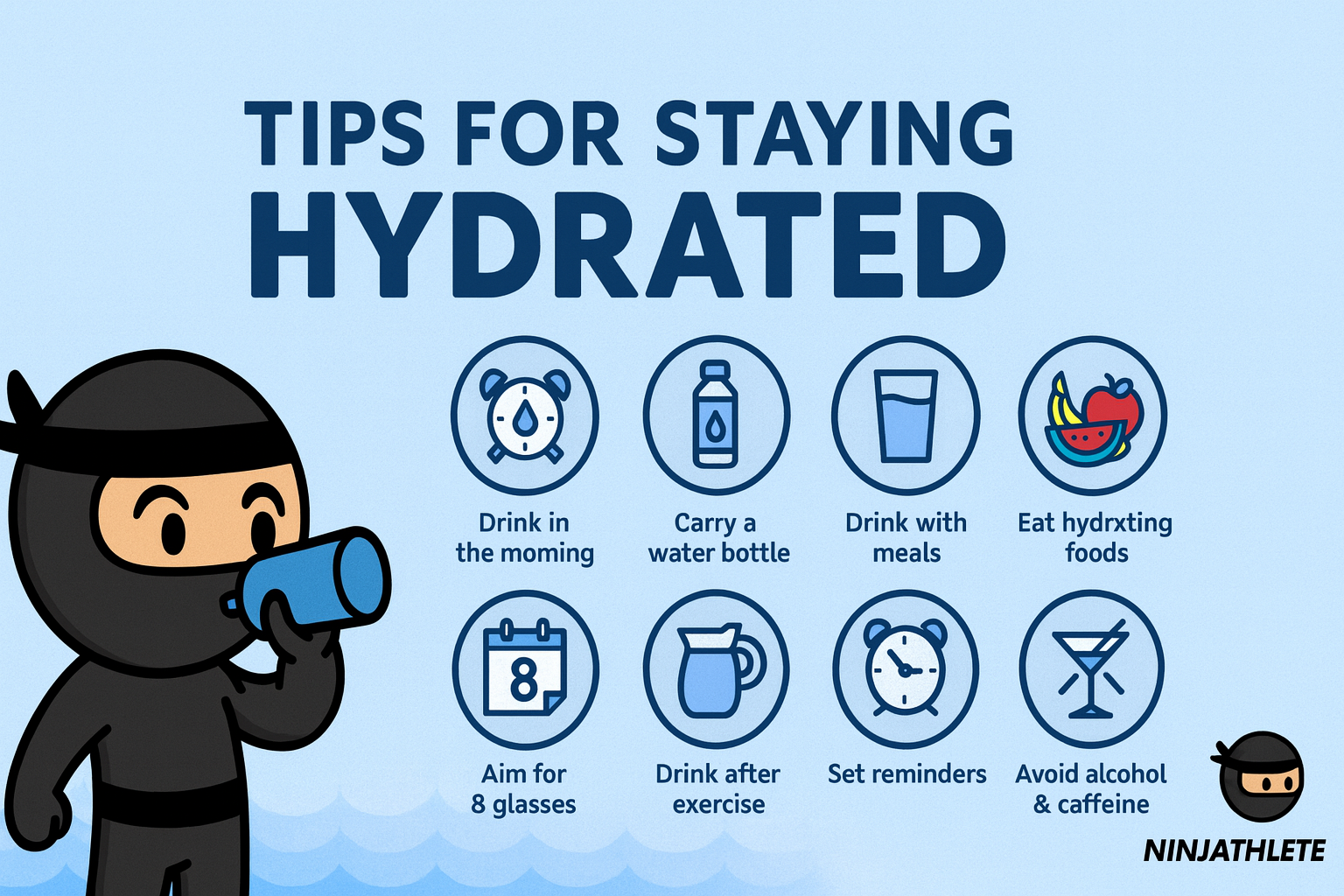
Credit: ninjathlete.com
Water Sources In Emergencies
Finding clean water is vital during breakdowns or emergencies. Water keeps your body working well and stops dehydration.
Knowing where to collect water and how to make it safe can help you stay healthy when usual water supplies fail.
Natural Water Collection
Look for natural sources like streams, rivers, and rainwater. These can provide fresh water but may need cleaning before use.
- Collect rainwater in clean containers during storms.
- Use dew by wiping it off leaves early in the morning.
- Find water in shaded, low areas where it may pool.
- Dig near dry riverbeds to find underground water.
Safe Water From Unusual Places
You can get water from less obvious places, but treat it before drinking. This reduces the risk of sickness.
| Source | How to Use | Notes |
| Plants (e.g., cactus, vines) | Cut stems to collect liquid | Avoid bitter or colored fluids |
| Ice or Snow | Melt before drinking | Do not eat directly to save energy |
| Solar Still | Use sunlight to evaporate and collect water | Needs plastic sheet and container |
| Animal Urine | Only if no other source; purify well | Last resort and risky |
Water Purification Methods
Clean water is vital to avoid dehydration during breakdowns. Using simple purification methods keeps water safe to drink. These methods remove harmful germs and particles.
Below are common ways to purify water with items you may have or find easily.
Boiling And Filtering
Boiling water kills bacteria, viruses, and parasites. It is one of the safest methods. Bring water to a rolling boil for at least one minute. At higher altitudes, boil for three minutes.
Filtering removes dirt and some germs. Use a clean cloth or a portable water filter. Filtering before boiling helps improve water clarity.
Chemical Treatments
Chemical treatments kill germs in water. Common chemicals include chlorine, iodine, and water purification tablets. Follow package instructions carefully for correct use.
- Chlorine drops: Add the recommended amount and wait 30 minutes.
- Iodine tablets: Use as directed; avoid if allergic or pregnant.
- Purification tablets: Convenient and effective for travel.
Solar Disinfection
Solar disinfection uses sunlight to kill germs in water. Fill clear plastic bottles with water. Leave them in direct sunlight for at least six hours.
| Steps | Details |
|---|---|
| Use clear bottles | Plastic bottles work best; glass also works. |
| Fill with water | Fill bottles completely to avoid air bubbles. |
| Place in sunlight | Lay bottles on a reflective surface. |
| Wait | Leave for six hours or longer on cloudy days. |

Credit: alkpositive.org
Hydration Strategies During Breakdowns
Staying hydrated during a breakdown is important for your health and safety. Without enough water, your body can get weak and tired fast.
Knowing how to manage your water and keep your body’s balance helps you avoid dehydration. This guide covers key tips to follow in tough situations.
Rationing Water Wisely
Use your water supply carefully. Drink small amounts regularly instead of large amounts at once. This keeps you hydrated longer.
- Drink a few sips every 15 to 20 minutes.
- Avoid drinking all your water quickly.
- Store water in clean, sealed containers.
- Keep water cool and out of direct sunlight.
- If possible, collect rainwater or find safe water sources.
Maintaining Electrolyte Balance
Electrolytes help your body keep the right water balance. Without them, you can feel weak or dizzy.
| Electrolyte | Sources | Benefits |
| Sodium | Salt, broth | Maintains fluid balance |
| Potassium | Bananas, potatoes | Supports muscle function |
| Magnesium | Nuts, seeds | Prevents cramps |
| Calcium | Milk, leafy greens | Strengthens bones |
Preventing Water Loss
Dehydration can happen quickly during breakdowns. Water loss can make you weak and tired. It is important to stop water loss to stay safe.
Simple steps can help your body keep enough water. These tips focus on managing sweat and reducing activity to save water.
Managing Sweat And Heat Exposure
Sweating causes your body to lose water fast. Staying cool helps reduce sweat and water loss. Find shade or use a fan to cool down.
Wear light, loose clothing to let sweat evaporate. Avoid tight clothes that trap heat and make you sweat more.
- Stay in the shade whenever possible
- Use water or damp cloths to cool your skin
- Wear breathable fabrics like cotton
- Limit exposure to direct sunlight
Reducing Physical Activity
Physical activity uses up water quickly through sweat. Lower your activity level to save water in your body. Rest often in cool places.
Plan tasks carefully to avoid heavy work in hot times. Move slowly and take breaks to stop fast water loss.
- Limit exercise and heavy lifting
- Take breaks in cool or shaded areas
- Work during cooler parts of the day
- Drink water regularly even if not thirsty
Essential Survival Tools
When your vehicle breaks down, staying hydrated is crucial. Having the right tools can make a big difference.
Let’s explore essential tools for preventing dehydration during unexpected breakdowns.
Portable Water Containers
Portable water containers are vital for storing and carrying water. They are easy to use and transport.
- Choose containers made of durable materials.
- Look for options that are lightweight and easy to carry.
- Ensure they have a secure lid to prevent leaks.
Emergency Hydration Packs
Emergency hydration packs are designed for quick and easy use. They help provide water in urgent situations.
| Feature | Benefit |
| Compact Size | Fits in small spaces |
| Pre-filled | Immediate access to water |
| Long Shelf Life | Lasts for years |
Consider storing these tools in your vehicle for peace of mind.
Nutrition Tips To Support Hydration
Staying hydrated during a breakdown is important. Choosing the right foods can help you maintain your hydration levels. Here are some nutrition tips to keep you hydrated.
Foods With High Water Content
Eating foods with high water content helps you stay hydrated. These foods provide water and nutrients.
- Cucumbers have about 95% water.
- Watermelons are 92% water.
- Strawberries are 91% water.
- Lettuce is 96% water.
Avoiding Dehydrating Substances
Some substances can make you lose water. It is best to avoid them during a breakdown to prevent dehydration.
- Caffeine can increase urine production.
- Alcohol dehydrates your body.
- Sugary drinks can pull water from your cells.
- Salty snacks make you thirsty.

Credit: medium.com
Frequently Asked Questions
What Are The Top Signs Of Dehydration During Breakdowns?
Common signs include extreme thirst, dry mouth, dizziness, fatigue, and dark urine. Recognizing these early helps prevent severe dehydration and health issues during breakdowns.
How Much Water Should I Drink During A Vehicle Breakdown?
Drink at least 8 ounces of water every 15-20 minutes if stranded. Staying hydrated helps maintain energy and alertness until help arrives.
Which Fluids Best Prevent Dehydration In Emergency Breakdowns?
Water is best, but electrolyte drinks also help replace lost salts. Avoid sugary or caffeinated drinks as they can worsen dehydration.
How Can I Prepare To Avoid Dehydration In Breakdowns?
Carry a water supply and electrolyte packets in your vehicle. Regularly check and replace them to ensure readiness during emergencies.
Conclusion
Dehydration can be serious during a breakdown. Always carry water in your vehicle. Drink small amounts often to stay hydrated. Avoid sugary or salty drinks that may worsen thirst. Rest in the shade to keep cool. Know the signs of dehydration like dizziness and dry mouth.
Acting quickly helps prevent health problems. Staying prepared keeps you safe on the road. Simple habits make a big difference in emergencies. Stay alert and take care of your body. Dehydration should never be ignored during breakdowns.







